Campbell
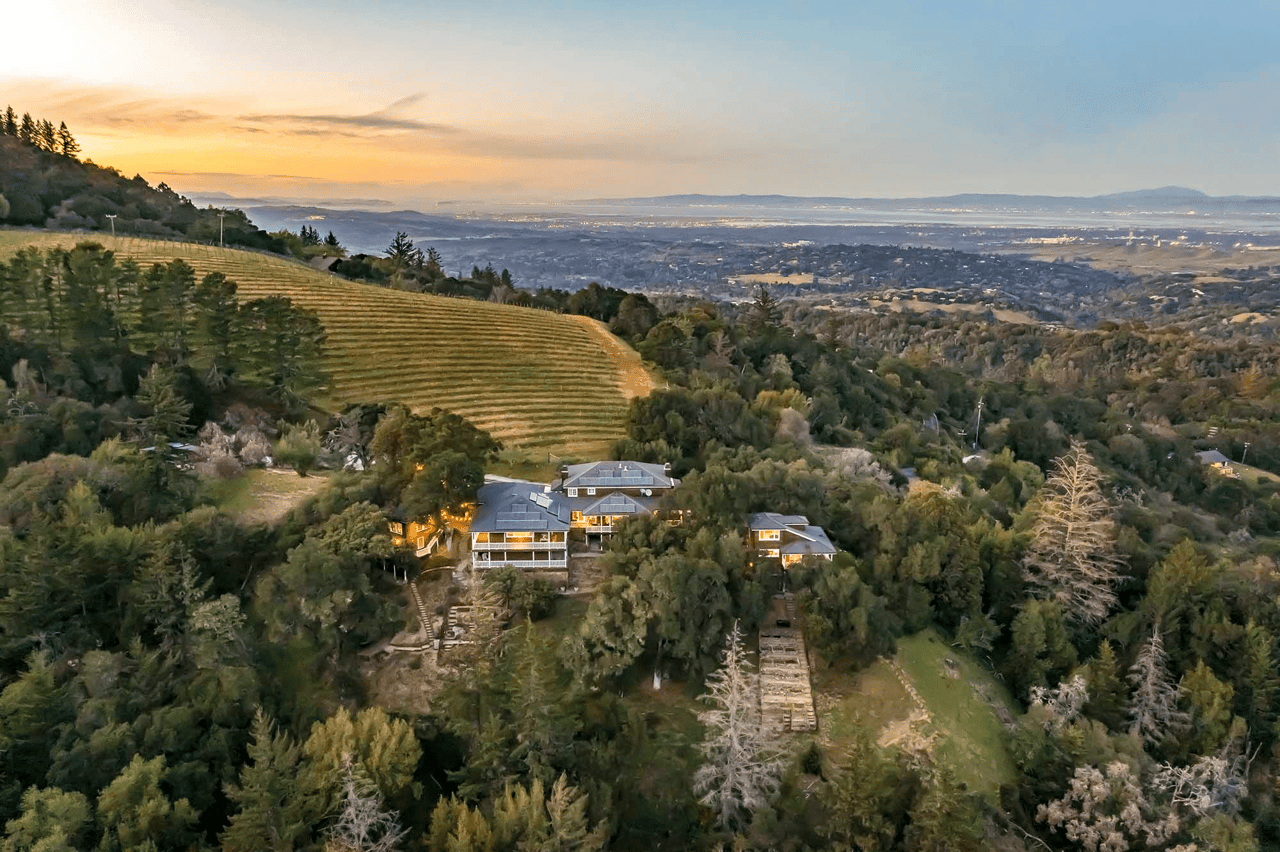
A hidden gem of a community that offers residents an exceptional blend of urban amenities and small-town charm.
A hidden gem of a community that offers residents an exceptional blend of urban amenities and small-town charm.
42,848 people live in Campbell, where the median age is 39.2 and the average individual income is $82,016. Data provided by the U.S. Census Bureau.
Total Population
Median Age
Population Density Population Density This is the number of people per square mile in a neighborhood.
Average individual Income
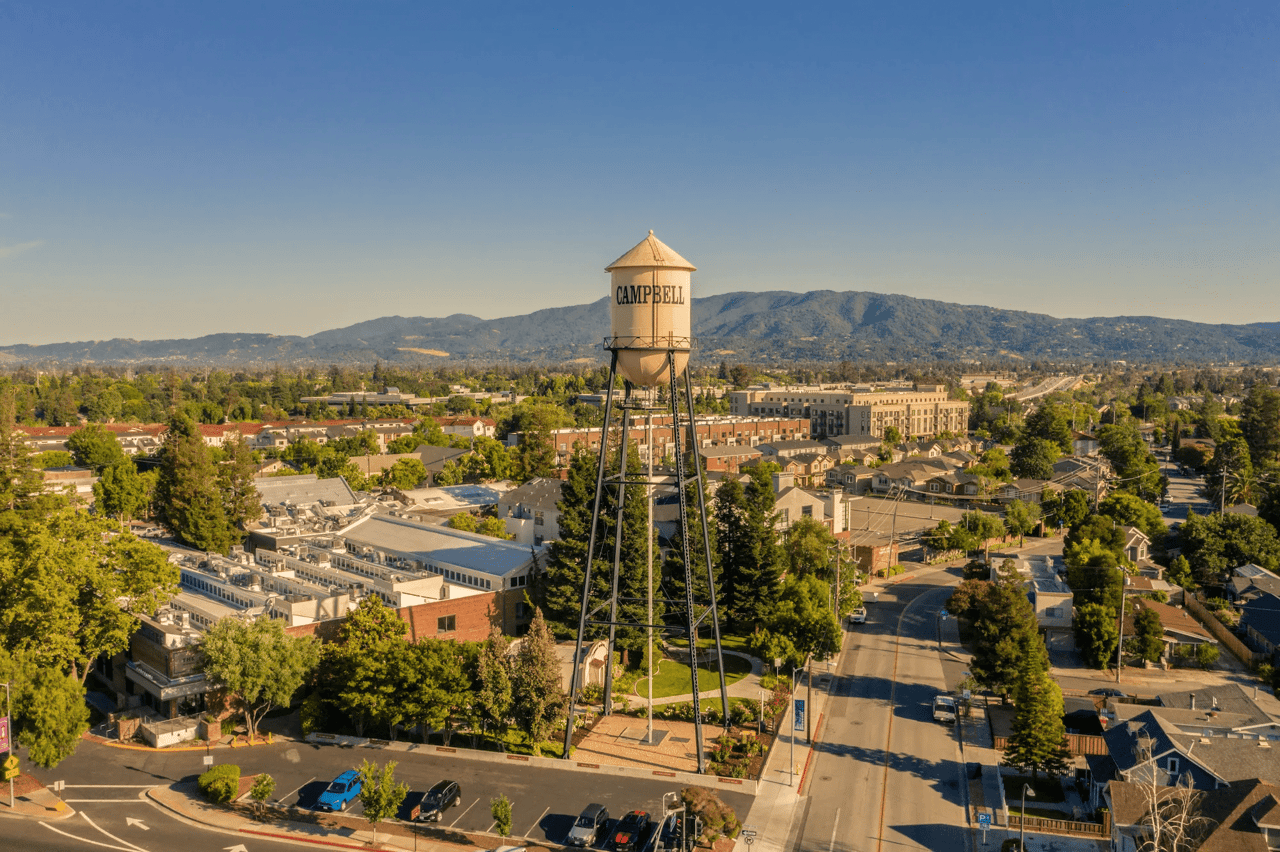
Campbell is one of the West Valley's quiet success stories—a small city of roughly six square miles that punches far above its weight in lifestyle, walkability, and community identity. While its Silicon Valley neighbors often get louder headlines, Campbell has become one of the most sought-after places to live in the South Bay precisely because it feels like a town rather than a subdivision. Residents talk about "downtown" the way people in bigger cities never can, because here it's a real destination: a tree-lined main street with a historic water tower, sidewalk dining, and a Sunday farmers' market that draws crowds from across the county.
What makes Campbell distinctive is the balance it strikes. You're minutes from major tech campuses and expressways, yet the residential streets remain calm and green, lined with mid-century ranch homes and the occasional restored Craftsman. It's a city that appeals to families chasing good schools, to professionals who want a short commute and a walkable weekend, and to buyers who want the Silicon Valley address without the anonymity of the larger cities surrounding it. If you want proximity to opportunity without giving up a sense of place, Campbell is hard to beat.
Campbell sits in the heart of Santa Clara County, tucked into the West Valley portion of the Santa Clara Valley about five miles southwest of downtown San Jose and roughly fifty miles south of San Francisco. Its central position is a large part of its appeal—it is genuinely close to everything that matters in Silicon Valley without belonging to any one employment hub.
The city is effectively landlocked by its neighbors, which shapes everything from its housing market to its traffic patterns. San Jose wraps around Campbell to the north and east, Los Gatos sits to the south, and Saratoga borders it to the west. Two state highways handle most of the through-traffic: State Route 17, which runs north–south and connects toward San Jose and over the hill to Santa Cruz, and State Route 85, which clips the southern edge and carries commuters east–west across the valley toward Cupertino and Mountain View. That web of neighbors and highways means a Campbell resident can reach Apple Park, downtown San Jose, or the mountains in about the same amount of time—usually under twenty minutes.
Campbell's story begins long before its orchards, with the Tamien Ohlone people who lived in the Santa Clara Valley for thousands of years. The modern town takes its name from Benjamin Campbell, who arrived in 1851 and purchased 160 acres of valley land. He first planted hay and grain, but like so many early settlers, he quickly recognized that the valley's mild climate was ideal for fruit. In 1887 he sold a portion of his land to a railroad company and laid out the grid that would become the town site.
For the next half-century, Campbell was fruit country. This was the era when the Santa Clara Valley earned its nickname, the "Valley of Heart's Delight," and Campbell became a major agricultural hub within it. Benjamin Campbell founded the Campbell Fruit Growers' Association in 1892, and the town grew up around drying yards, packing houses, and canneries handling prunes, peaches, pears, and walnuts. At its peak, Campbell was home to the largest fruit-packing operation in the valley, shipping dried and canned fruit across the country. That agricultural DNA is still visible today—most obviously in The Pruneyard, whose name is a direct nod to the orchards that once covered the site.
The transformation came after World War II, when Santa Clara County's orchards gave way to housing and commerce at a remarkable pace. Campbell incorporated as a city in 1952, largely to keep control of its own governance and development as the growth pressure mounted. As the semiconductor and software industries turned the valley into Silicon Valley, Campbell settled into its modern role: a residential community serving the tech hubs of San Jose, Cupertino, and Mountain View. The city has held onto its heritage where it counts, from the walkable downtown to landmarks like the Ainsley House, an English Tudor–style home built by fruit pioneer John Colpitts Ainsley in 1925 and now a centerpiece of the city's historic collection.
Campbell is compact, but that doesn't mean it's uniform. The city breaks into several distinct pockets, each with its own architecture, price point, and rhythm of daily life.
Downtown Campbell is the emotional and physical center of the city. Built around East Campbell Avenue, it's extremely walkable and mixes historic worker's cottages and Craftsman bungalows with newer high-density condos and townhomes. Living here means independent shops, microbreweries, outdoor dining, and the Sunday farmers' market at your doorstep—this is the address buyers pay a premium for.
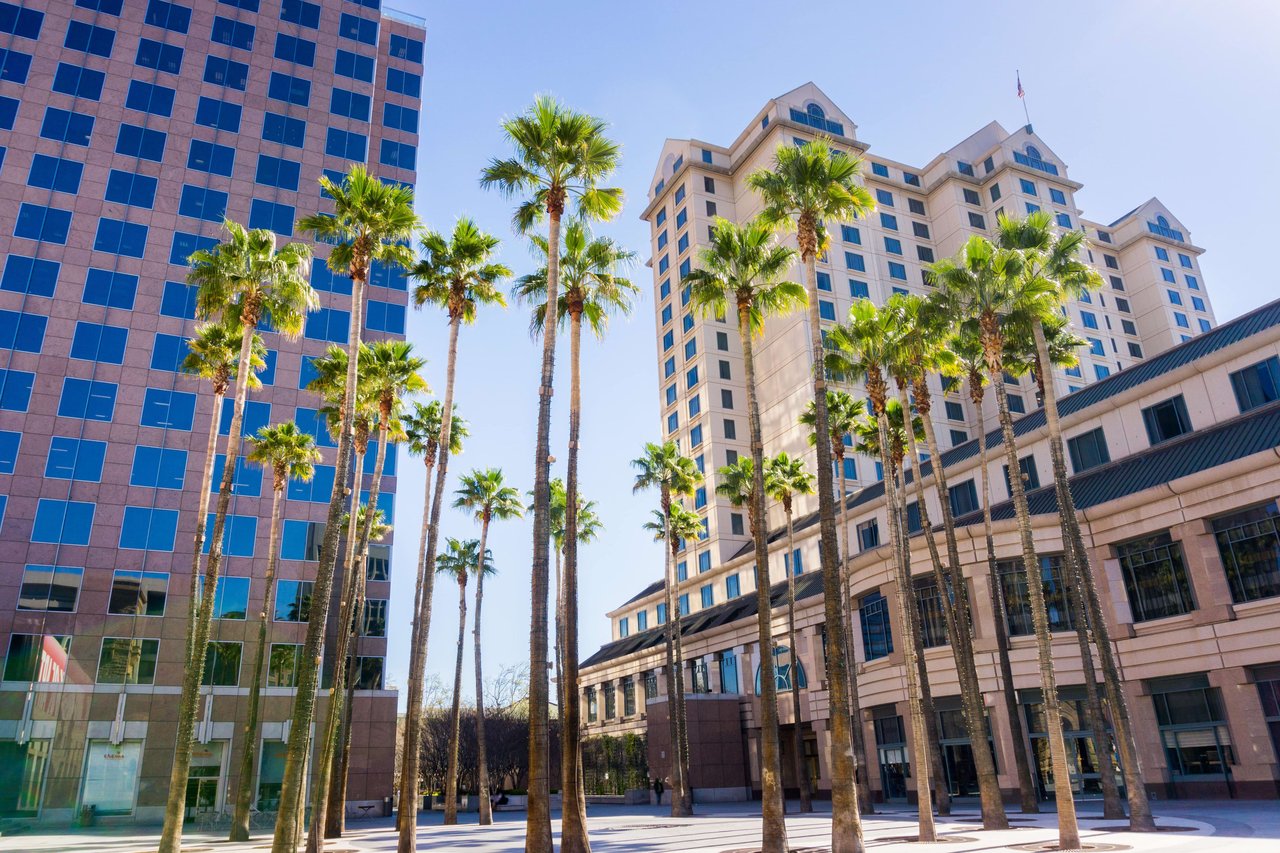
The Pruneyard and East Campbell center on the open-air shopping center of the same name. This district pairs upscale retail, a dine-in cinema, and office towers with a mix of townhomes, apartments, and mid-century single-family homes. Because it sits right against the Los Gatos Creek Trail, it's a favorite for joggers, cyclists, and anyone who wants trail access without a car.
West Campbell, bordering Saratoga and West San Jose, is the quieter, more traditional side of the city. Expect tree-lined streets, larger lots, and single-family ranch homes. Families gravitate here in part for the school boundaries, including Westmont High School, and the calmer residential feel.
San Tomas (sometimes San Tomas Aquinos), on the western edge, blends 1950s and '60s tract homes with custom rebuilds and sits close to John D. Morgan Park, one of the city's largest green spaces. Finally, the Central and McGlincy area, near the city's industrial and commercial corridors, offers lower-density commercial units, tech offices, and pockets of starter homes and multi-family housing—often an entry point for buyers looking to get into Campbell at a more accessible price.
Campbell's housing market behaves like the rest of Silicon Valley: competitive, inventory-starved, and driven by buyers who can afford to be selective. What sets it apart is the intensity of demand relative to how little land is available. Because the city is boxed in by San Jose, Los Gatos, and Saratoga, there is almost no room for large new subdivisions. New supply comes almost entirely from infill projects, townhome clusters, and teardown-rebuilds, which keeps steady pressure under prices even when the broader market softens.
The headline numbers tell the story:
Market Metric | Typical Range |
|---|---|
Median single-family home sale price | ~$1.7M – $1.9M |
Condo / townhome median | ~$900K – $1.3M |
Average days on market | 15 – 35 days (seasonal) |
Median monthly rent (2-bed) | ~$3,300 – $4,200 |
Beyond the raw figures, a few dynamics define the market. There is a clear "downtown premium"—homes within walking distance of downtown Campbell or The Pruneyard consistently command more per square foot thanks to their walkability. Demand stays resilient because of the city's location relative to major employers: Apple in Cupertino, Netflix in Los Gatos, and a range of firms in San Jose all sit within an easy commute, keeping a steady stream of well-qualified tech buyers in the market. For sellers, that combination of scarce inventory and durable demand is favorable. For buyers, it means preparation and speed matter more than in most markets.
Selling in Campbell is a high-stakes exercise, and the margin between a good outcome and a great one usually comes down to execution. Demand is strong, but buyers here are discerning—they expect turn-key condition and polished marketing, and they'll pass on anything that feels neglected or overpriced. A successful sale starts well before the sign goes in the yard.
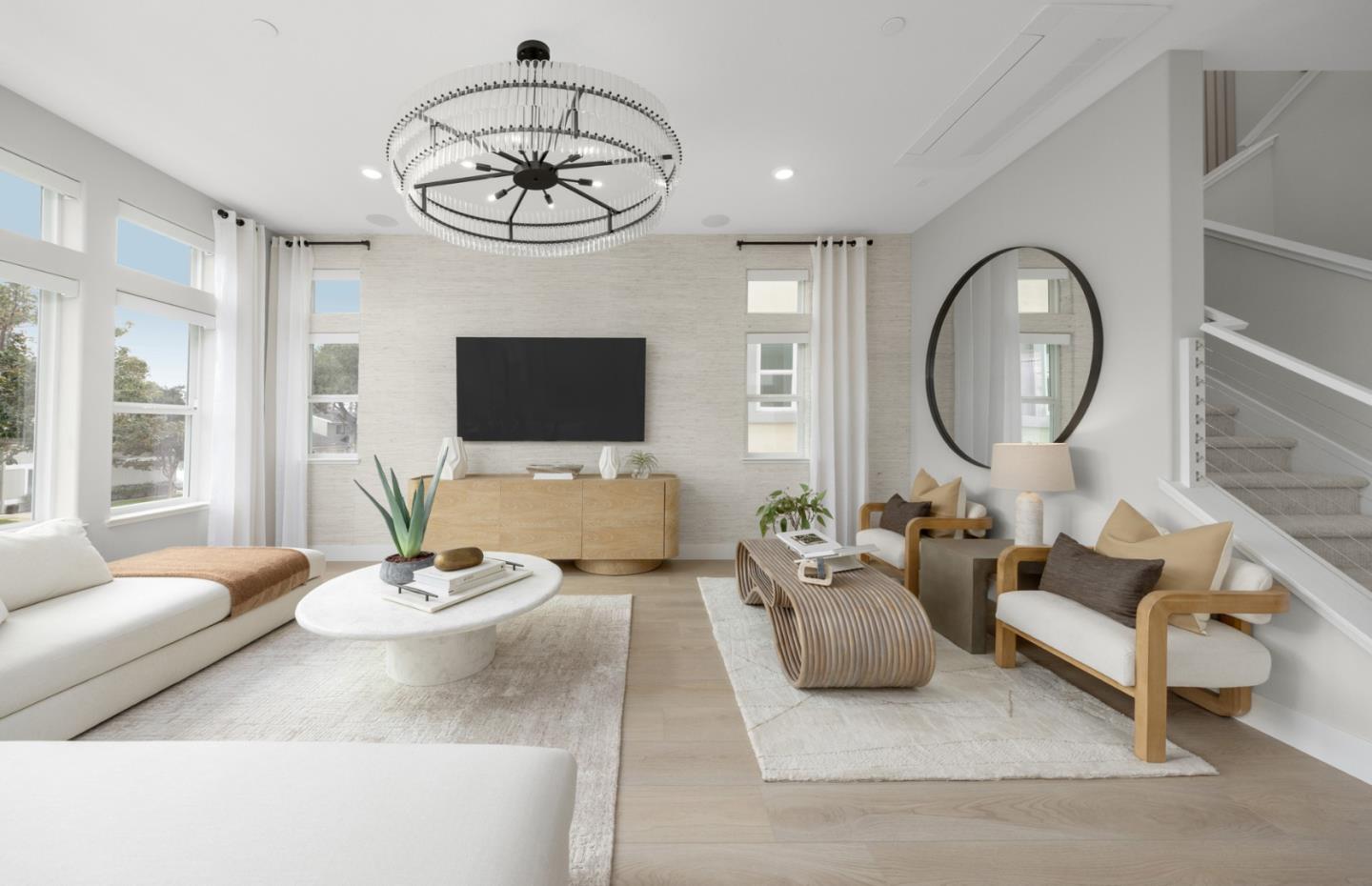
Preparation rarely requires a full remodel. The best return comes from targeted, high-impact updates: fresh neutral interior paint in warm tones, upgraded lighting, refinished hardwood floors, and refreshed landscaping for immediate curb appeal. Because so many Campbell buyers are busy professionals, professional staging is effectively mandatory—it helps them picture the space, maximizes the sense of light, and dramatically improves online photos. It's also standard practice in Santa Clara County for sellers to complete pre-sale inspections—property, pest and termite, and roof—before listing. Providing a complete disclosure package up front builds trust and, importantly, allows buyers to write clean, non-contingent offers.
Marketing has to be digital-first, because most buyers will see the home on a phone before they ever walk through the door. High-resolution photography, 3D virtual tours, and aerial drone footage that shows proximity to downtown or the creek trail are now baseline expectations, not extras. The best listings lean into Campbell's hyper-local advantages: walkability to downtown or The Pruneyard, direct access to the Los Gatos Creek Trail, and location within specific school boundaries. When it comes to offers, sellers frequently set an offer-review date roughly six to eight days after listing to concentrate interest and encourage competitive bidding. And in this market, terms often matter as much as price—cash or non-contingent offers with short closing windows of two to three weeks are common, and a rent-back arrangement can give a seller breathing room to transition into their next home.
Pricing is the single most consequential decision a seller makes, and in Campbell it requires nuance rather than guesswork. Price too high and the home lingers while buyers begin to suspect a hidden flaw; price with strategy and you can spark the kind of competitive bidding that pushes the final number above what a straightforward list price would have achieved. There are two viable approaches, and the right one depends on how your specific neighborhood is behaving.
The first is transparent pricing—listing at or very near fair market value. This attracts serious, qualified buyers and reduces the risk of the home sitting. The second is strategic under-pricing—listing roughly five to eight percent below target—which drives heavy foot traffic and multiple offers but carries some risk if the market cools unexpectedly. In Campbell, homes typically sell right at or slightly above asking, with sale-to-list ratios averaging around 100 to 104 percent. If comparable homes in your immediate area are consistently closing three to five percent over list, under-pricing to invite a bidding war can pay off. If the market is hovering closer to 100 percent, transparent pricing is the safer path.
Whichever route you choose, three factors drive the accuracy of the number. Micro-location matters enormously: homes within a ten-to-fifteen-minute walk of downtown, or inside a top-performing school attendance zone like Westmont High or Capri Elementary, command a real premium, while properties backing onto heavy corridors such as San Tomas Expressway, Highway 17, or Bascom Avenue require a discount against quieter interior streets. Comparable sales should be drawn tightly—ideally homes sold within the last three to six months and within about a half-mile radius, and always matched by property type, since single-family homes and townhomes move on different curves. Finally, understanding your neighborhood's current sale-to-list trend tells you which pricing strategy the market is actually rewarding at the moment you list.
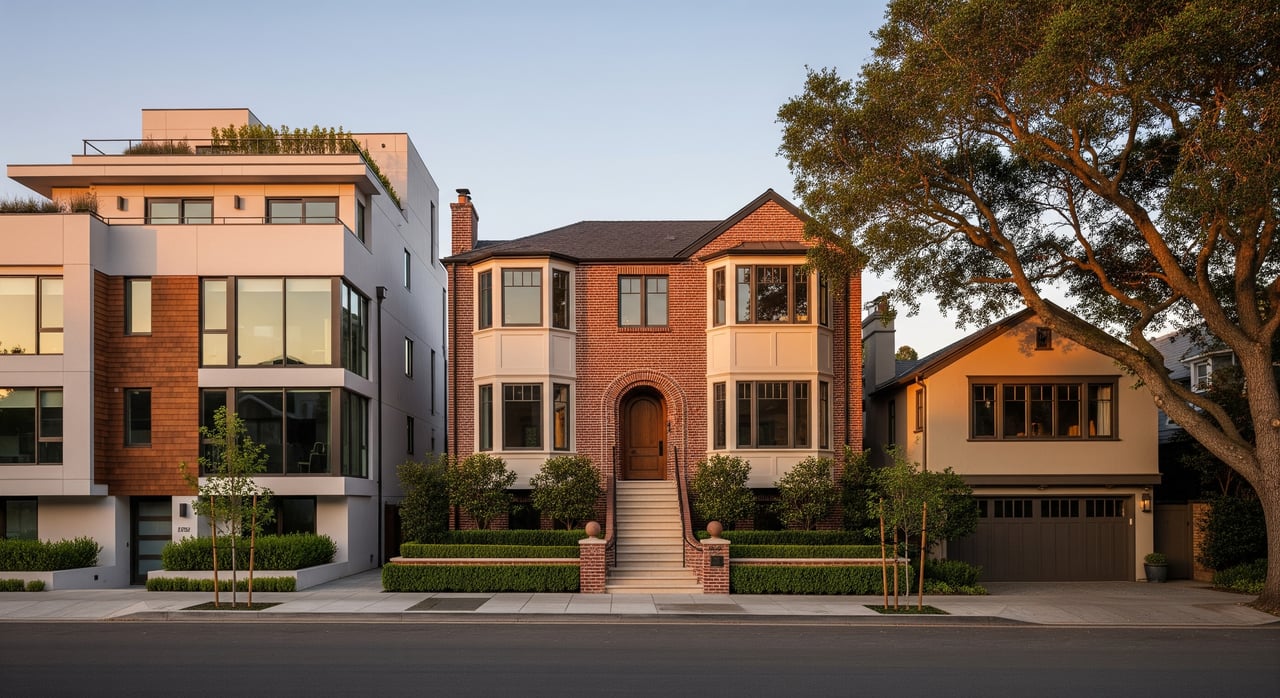
Campbell's streets read like a timeline of California suburban development. Its architecture moves through three broad chapters—the agricultural-era historic homes, the postwar suburban boom, and the modern redevelopment wave—and you can often see all three within a single walk.
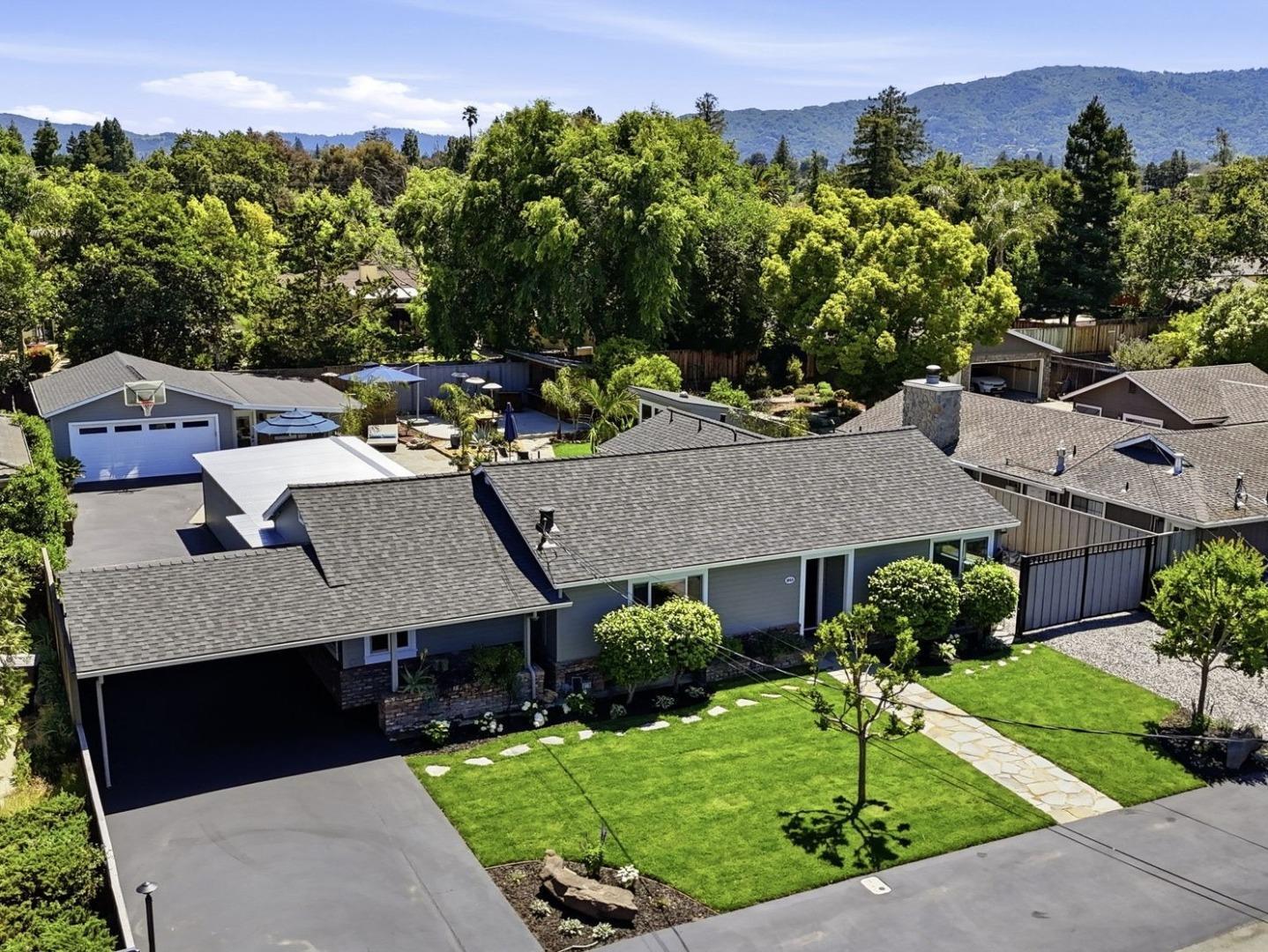
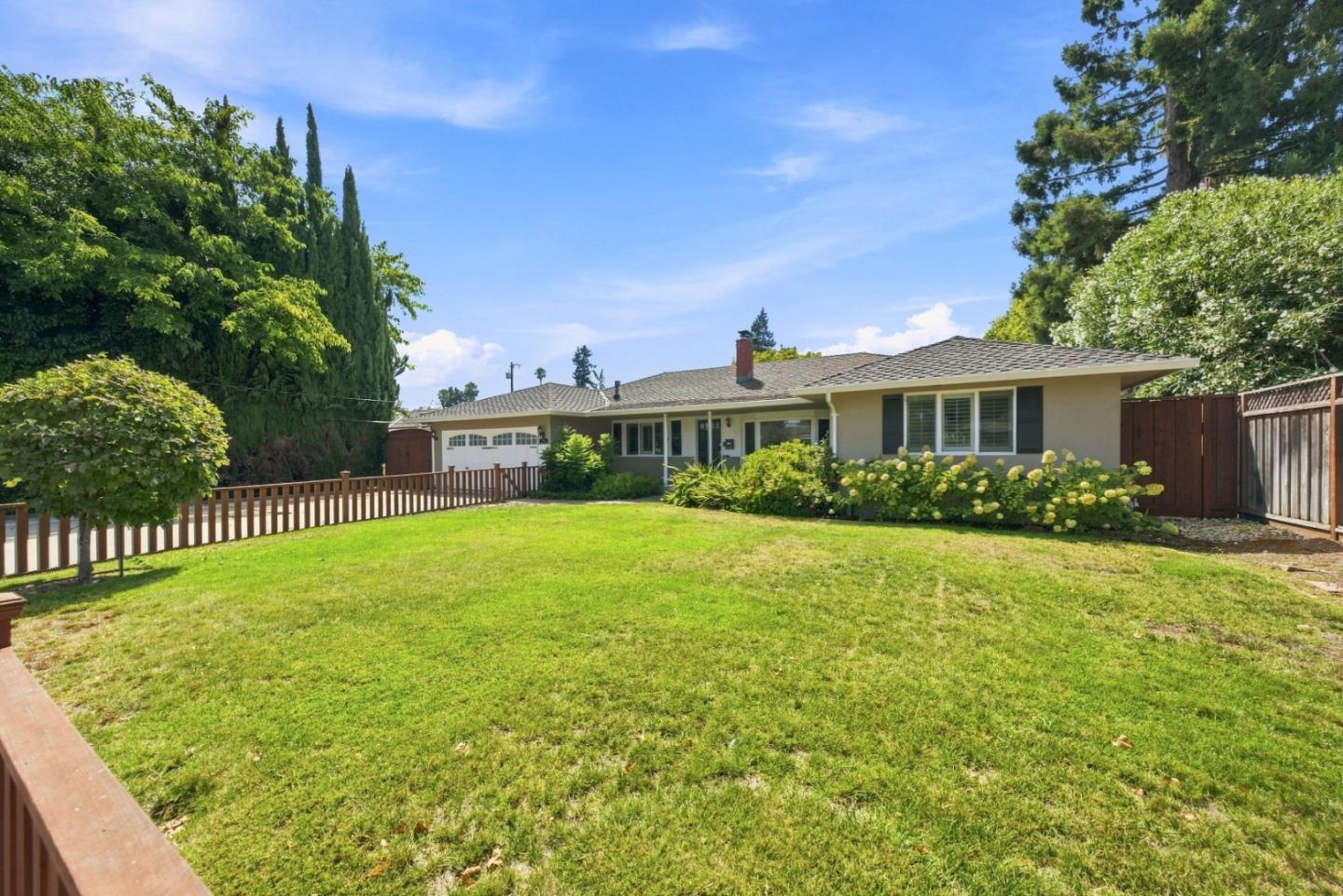
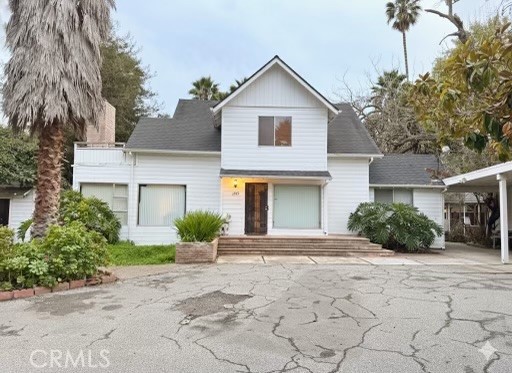
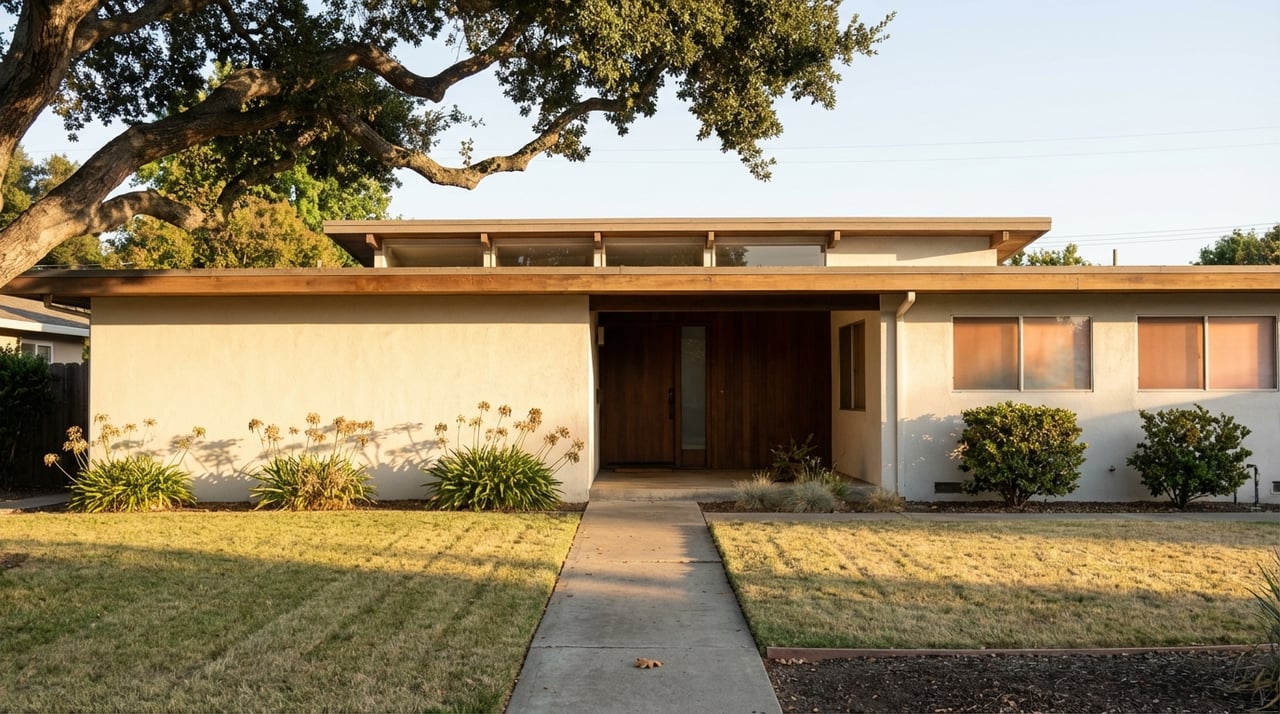
The oldest chapter clusters near downtown and the former cannery sites, where early 20th-century Craftsman bungalows and the occasional Queen Anne Victorian survive. These homes carry the details of their era: wide front porches, exposed rafters, low-pitched gables, and original woodwork. The dominant style across the city, though, is the mid-century California ranch, built during the housing surge of the 1950s and '60s. These are the single-story homes with low rooflines, attached two-car garages, and open living spaces that flow into generous backyards—the backbone of Campbell's residential inventory.
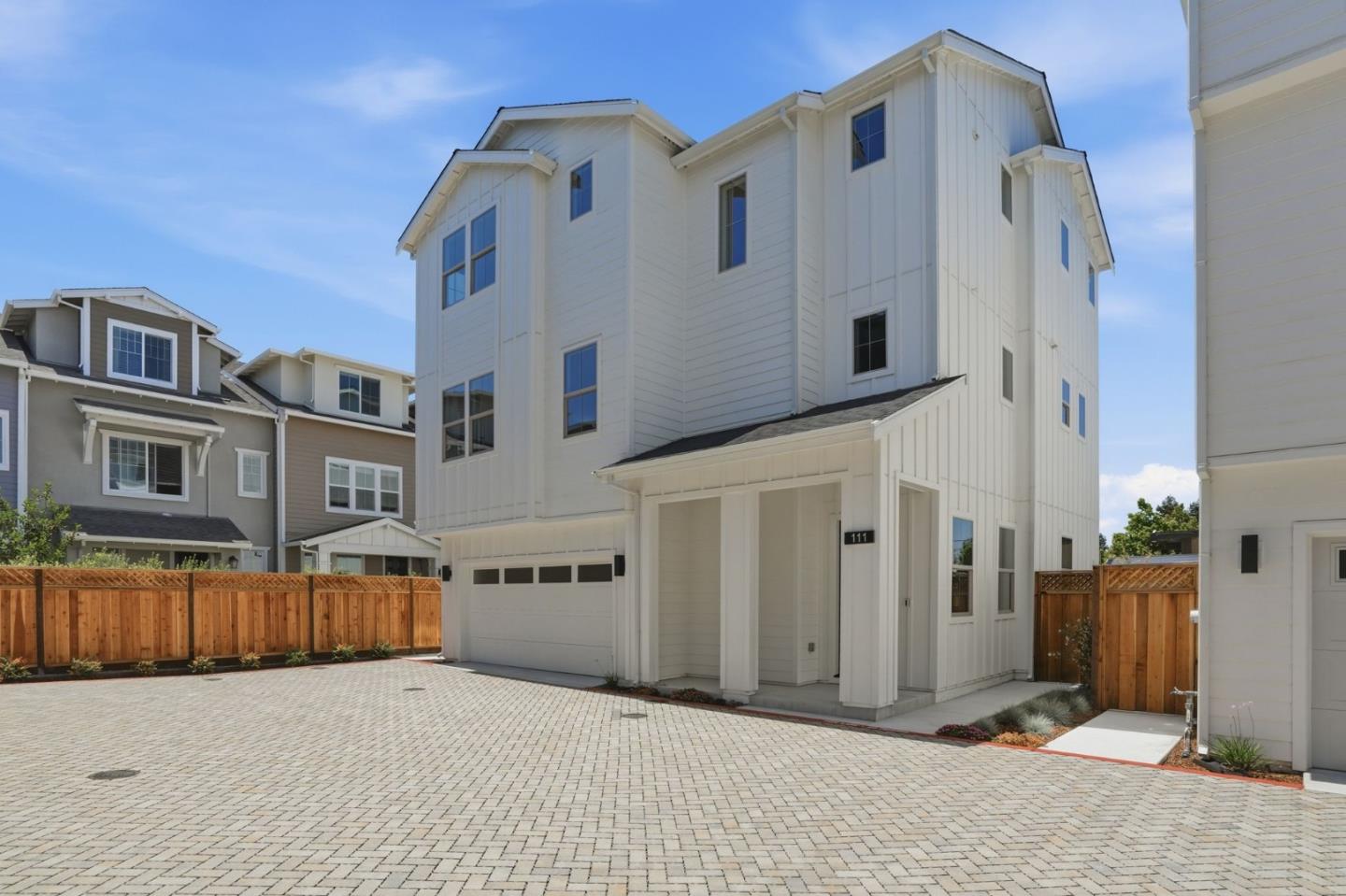
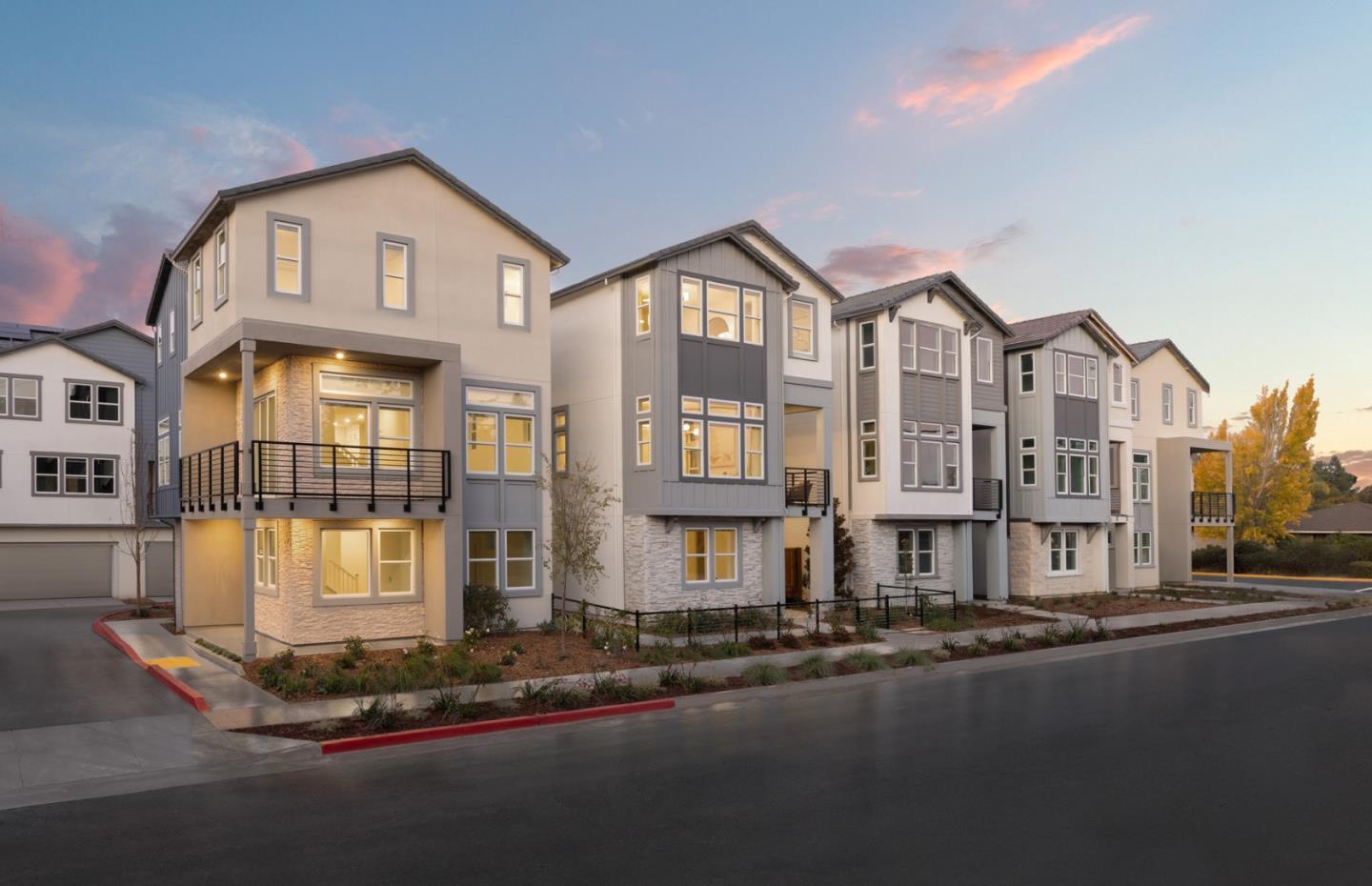
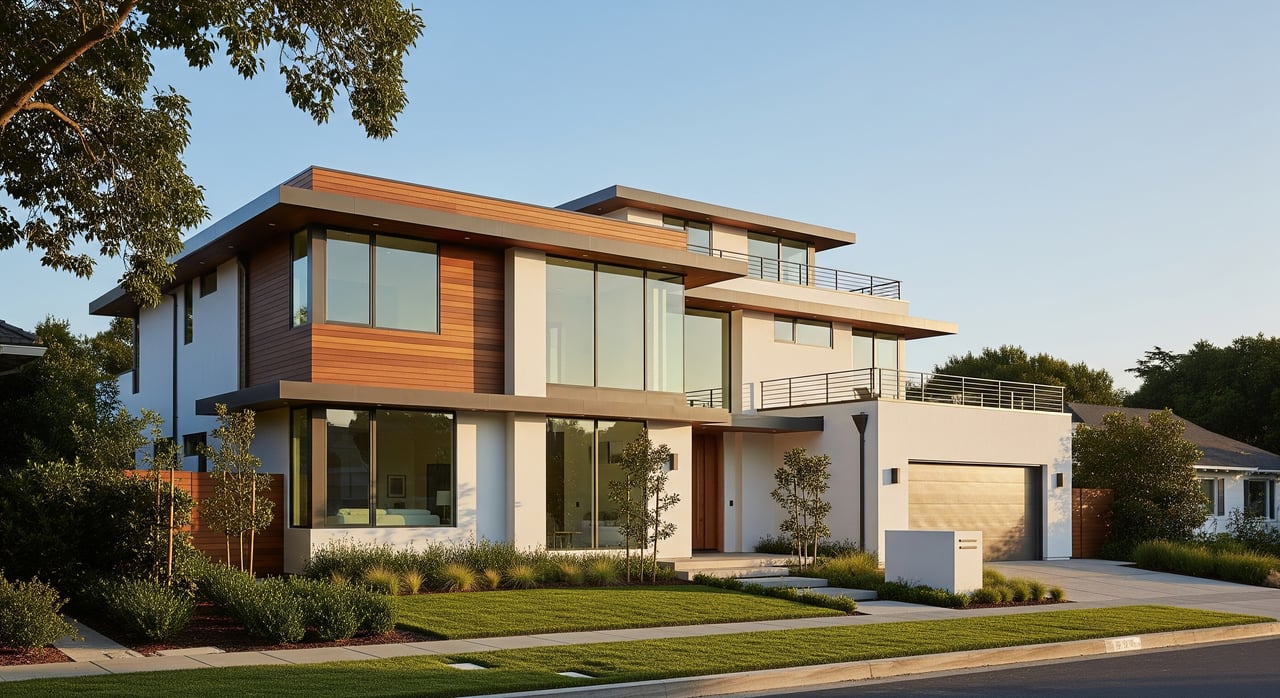
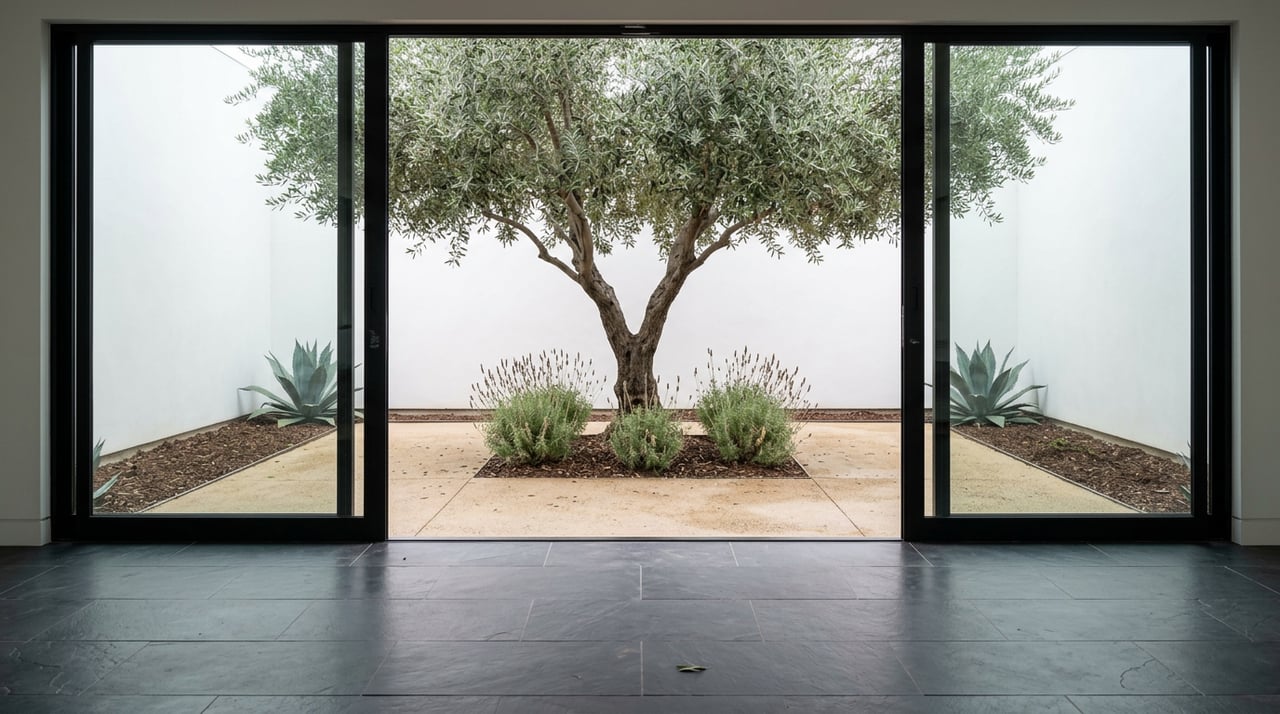
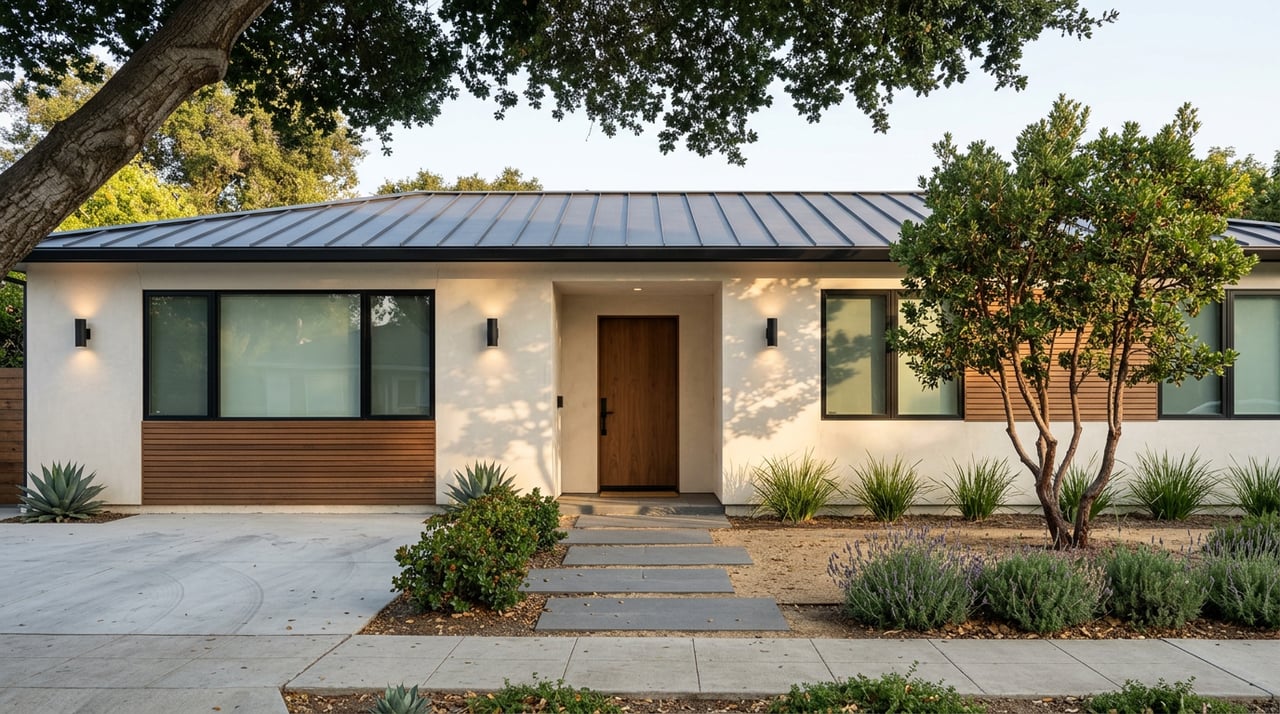
Scattered in pockets bordering Saratoga and San Jose, you'll also find mid-century modern homes, some built by developer Joseph Eichler, distinguished by floor-to-ceiling glass, post-and-beam construction, and private central atriums. The newest chapter is a direct product of soaring land values: older ranch homes are increasingly expanded or torn down and replaced with modern farmhouses featuring board-and-batten siding, black window trim, metal roof accents, and smart-home integration. And around downtown and the light-rail stations, transit-oriented condo and townhome communities bring a denser, urban-contemporary look with stacked balconies. For buyers, this variety is a genuine advantage—Campbell offers everything from a restored bungalow to a brand-new farmhouse to a low-maintenance downtown condo within the same small city.
Schools are one of the strongest drivers of demand in Campbell, and understanding how the districts work is essential before you buy—because in this city, your street address, not just your city, determines where your children attend.
Campbell uses a split-district structure rather than a single unified K–12 district. Elementary and middle school students (TK through 8th grade) are generally served by the Campbell Union School District, which covers Campbell along with parts of neighboring San Jose and Saratoga. Notable campuses include Capri, Castlemont, and Rosemary Elementary, and the district is also home to the Campbell School of Innovation, a TK–8 magnet-style program built around design thinking, project-based learning, and STEAM. It's worth stressing that boundaries don't always follow city lines—depending on the exact address, some Campbell homes fall within the Moreland or Union school districts instead, which is exactly the kind of detail that can affect both a family's plans and a home's value.
High school students (9th through 12th grade) fall under the Campbell Union High School District. Westmont High School sits within Campbell city limits and is well regarded for its academics, AP offerings, and athletics, though boundary lines mean some Campbell teens attend Branham, Del Mar, or Leigh High School nearby. Families seeking private options have several within reach, including St. Lucy Parish School, Old Orchard School, and San Jose Christian School. And while Campbell has no university within its borders, it sits a short drive from San Jose State, Santa Clara University, and West Valley College in Saratoga.
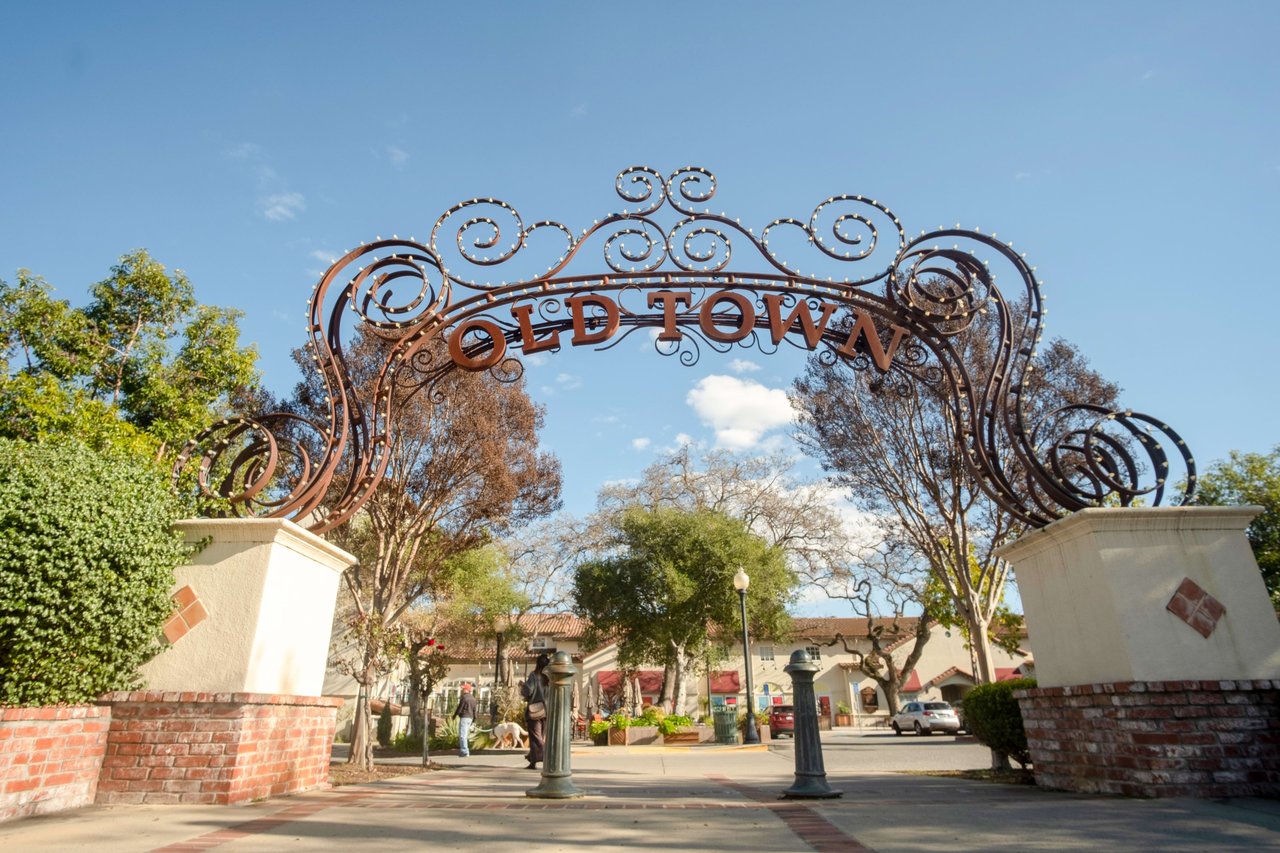
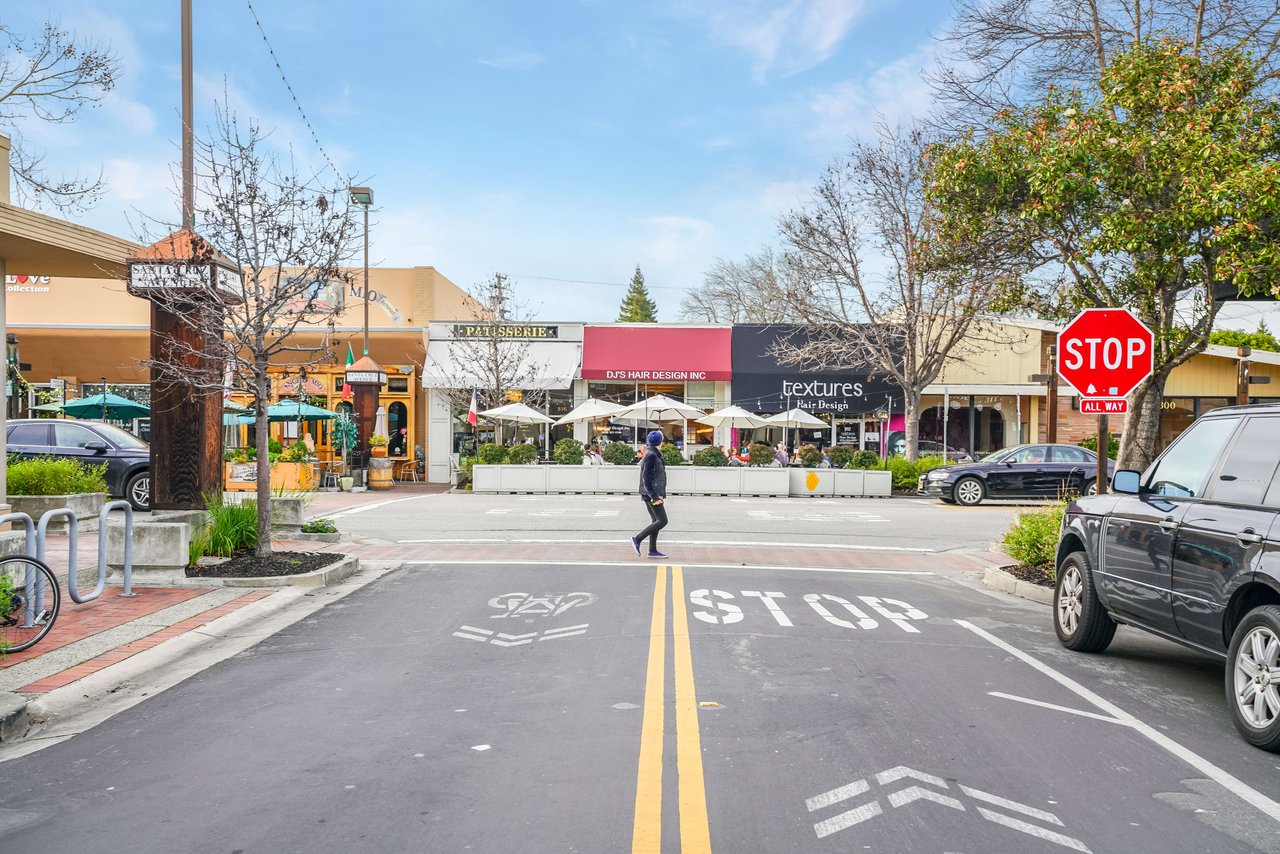
Downtown Campbell is the feature that most defines the city's character and, frankly, its property values. Anchored along East Campbell Avenue and watched over by the historic 130-foot water tower, it has retained much of its early-1900s main-street feel while filling up with more than a hundred independent boutiques, services, and eateries. This is a rare thing in Silicon Valley—a downtown people actually stroll on a weekend rather than simply drive through.
The historic corridor itself is a walkable stretch of local fashion boutiques, home décor shops, artisan gift stores, and craft studios. Its signature event is the Sunday farmers' market, consistently ranked among the best in Silicon Valley: each Sunday morning the avenue closes to cars and fills with produce vendors, local honey, hot street food, and live acoustic music. Just east of downtown, The Pruneyard offers a complementary experience—an open-air lifestyle center that blends recognizable retailers like Trader Joe's and Sports Basement with boutique shops, fitness studios, and the Pruneyard cinema. Throughout the year, the shopping district also hosts community festivals that keep foot traffic high, from the springtime Boogie on the Avenue and the downtown wine walks to a well-attended annual Oktoberfest.
For a city its size, Campbell has built a genuine reputation as a food-and-drink destination in the West Valley. Its tree-lined streets and generous parklet seating give downtown an almost European café atmosphere, and the range of options runs from casual weeknight staples to destination dinners.
On the dining side, Willard Hicks anchors the upscale end with wood-fired steaks, craft cocktails, and a lively dinner crowd. European cooking is well represented by Naschmarkt, known for Austrian and German dishes like schnitzel and spaetzle, alongside Doppio Zero for Neapolitan pizza and A Bellagio for classic Italian. For something more relaxed, Aqui Cal-Mex draws steady crowds for California-Mexican fare and its signature frozen cocktails, while Stacks is the go-to for weekend brunch. Coffee culture is strong too: Orchard Valley Coffee has functioned as the town's informal living room for more than two decades, and Manresa Bread—the bakery offshoot of the Michelin-starred Manresa team—turns out sought-after sourdough, croissants, and espresso.
Campbell also stays awake later than most of its bedroom-community neighbors, and its nightlife spans a few distinct moods:
Type | Notable Spots | The Vibe |
|---|---|---|
Cocktails & lounges | The Vesper, Wild Rose | Upscale, speakeasy-style mixology and small plates |
Wine bars | Tessora's Barra di Vino | Curated flights, charcuterie, live acoustic music on the patio |
Pubs & themed bars | 7 Stars, Khartoum | Pop-culture trivia nights and classic neighborhood sports-bar energy |
Breweries & taprooms | Campbell Brewing Co. and local tap houses | Casual craft beer and pub fare |
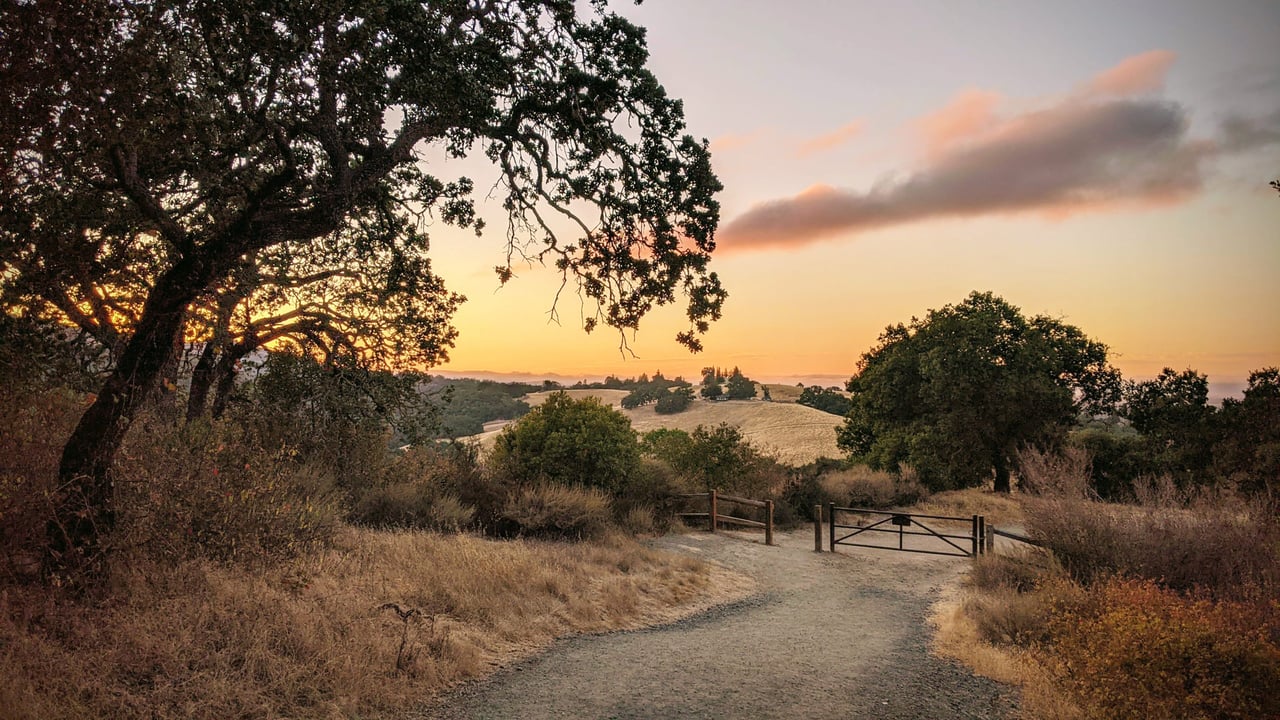
For an urbanized Silicon Valley suburb, Campbell is surprisingly green, with well-maintained parks and direct access to one of the best regional trails in the South Bay. Outdoor life here is a real part of the appeal, not an afterthought.
The city's flagship is John D. Morgan Park, a 32-acre space split into north and south sections with turf fields, baseball diamonds, basketball and volleyball courts, shaded picnic pavilions, and a popular summer splash pad for kids. Closer to downtown, Campbell Park sits right on East Campbell Avenue and serves as a major gateway to the creek trail, with night-lit courts, playgrounds, and open lawns. Along the southern border, Los Gatos Creek County Park surrounds a series of percolation ponds and includes casting ponds for fly-fishing practice and a well-used, double-gated dog park with separate areas for large and small dogs. Smaller neighborhood parks round things out, including Edith Morley Park with its community garden plots and creekside wetlands.
The crown jewel, though, is the Los Gatos Creek Trail. This continuous paved multi-use path runs nearly ten miles, heading north into San Jose and south through Campbell past Vasona Lake County Park toward the Santa Cruz Mountains and Lexington Reservoir. It's heavily used by commuters, joggers, cyclists, and dog walkers alike, and because it passes directly by downtown, The Pruneyard, and several office parks, it doubles as a car-free corridor for both recreation and green commuting—a genuine lifestyle perk that shows up in how buyers value nearby homes.
Campbell's central location makes it one of the more strategic commuter bases in the West Valley, with quick access to employment centers in nearly every direction. Highway infrastructure does most of the heavy lifting. State Route 17 bisects the city north to south, connecting up to Interstate 280 toward San Francisco and south over the mountains to Santa Cruz. State Route 85 clips the southern border and offers a fast route west toward Mountain View and Cupertino or east into South San Jose. San Tomas Expressway runs along the western edge as a major arterial bypass linking into Santa Clara and Sunnyvale.
Public transit is a real option here, unusually so for the suburbs. Campbell is served by several VTA light-rail stops on the Green Line—including Winchester, Downtown Campbell, and Hamilton—providing direct service north to downtown San Jose and the northern tech corridors. While Caltrain doesn't run through Campbell directly, the light rail connects riders to San Jose's Diridon Station in about fifteen to twenty minutes, where they can transfer to Caltrain for San Francisco, or to Amtrak and ACE trains. A network of VTA buses fills in along the main arteries like Winchester, Bascom, and Hamilton.
For most buyers, the practical question is drive time, and Campbell's answers are compelling:
Destination | Off-Peak Drive | Peak Commute |
|---|---|---|
Downtown San Jose | 10 – 15 min | 20 – 35 min |
Apple Park (Cupertino) | 12 – 18 min | 20 – 35 min |
Mountain View (Googleplex) | 20 – 25 min | 35 – 55 min |
San Francisco | 50 – 60 min | 75 – 110+ min |
If you're considering a move in or around Campbell, having the right guide makes all the difference in a market this competitive. Tim Proschold, CEO and Managing Broker of Luxuriant Realty in Menlo Park, brings a genuinely uncommon perspective to Silicon Valley real estate: he is both a licensed California Real Estate Broker and a licensed California Civil Engineer. Before real estate, he spent years in structural design and construction management, and that background means he tends to catch potential issues—and opportunities—that other agents can miss when evaluating a property. For buyers, that's a layer of protection; for sellers, it's an edge in knowing exactly which improvements are worth making before listing.
Tim handles the full process for his sellers, from pre-sale preparation and staging to marketing built around high-dynamic-range photography, video, and 3D tours designed to reach the broadest possible audience. Whether you're buying your first Campbell home, selling one you've owned for decades, or weighing an investment property, you can reach Tim directly at [email protected] or (650) 200-5943, or visit the Luxuriant Realty office at 885 Oak Grove Ave, Ste 302, Menlo Park, CA 94025 (DRE #01458118).
There's plenty to do around Campbell, including shopping, dining, nightlife, parks, and more. Data provided by Walk Score and Yelp.
Explore popular things to do in the area, including Frozsun Foods, Honey of Distinction, and Urbfit.
| Name | Category | Distance | Reviews |
Ratings by
Yelp
|
|---|---|---|---|---|
| Dining | 0.22 miles | 0 reviews | 0/5 stars | |
| Dining | 0.51 miles | 0 reviews | 0/5 stars | |
| Active | 0.22 miles | 3 reviews | 5/5 stars | |
| Active | 0.22 miles | 0 reviews | 0/5 stars | |
| Active | 0.22 miles | 0 reviews | 0/5 stars | |
| Active | 0.22 miles | 0 reviews | 0/5 stars | |
| Active | 0.68 miles | 0 reviews | 0/5 stars | |
| Active | 0.69 miles | 0 reviews | 0/5 stars | |
| Active | 0.74 miles | 0 reviews | 0/5 stars | |
| Active | 0.77 miles | 1 review | 3/5 stars | |
| Beauty | 0.2 miles | 0 reviews | 0/5 stars | |
| Beauty | 0.22 miles | 0 reviews | 0/5 stars | |
| Beauty | 0.22 miles | 0 reviews | 0/5 stars | |
| Beauty | 0.22 miles | 1 review | 1/5 stars | |
| Beauty | 0.22 miles | 0 reviews | 0/5 stars | |
| Beauty | 0.25 miles | 1 review | 5/5 stars | |
| Beauty | 0.32 miles | 17 reviews | 5/5 stars | |
| Beauty | 0.38 miles | 0 reviews | 0/5 stars | |
| Beauty | 0.43 miles | 0 reviews | 0/5 stars | |
| Beauty | 0.46 miles | 0 reviews | 0/5 stars | |
| Beauty | 0.55 miles | 5 reviews | 4.6/5 stars | |
| Beauty | 0.59 miles | 0 reviews | 0/5 stars | |
| Beauty | 0.7 miles | 8 reviews | 5/5 stars | |
| Beauty | 0.76 miles | 5 reviews | 5/5 stars | |
|
|
||||
|
|
||||
|
|
||||
|
|
||||
|
|
||||
|
|
Campbell has 16,628 households, with an average household size of 2.55. Data provided by the U.S. Census Bureau. Here’s what the people living in Campbell do for work — and how long it takes them to get there. Data provided by the U.S. Census Bureau. 42,848 people call Campbell home. The population density is 7,047 and the largest age group is Data provided by the U.S. Census Bureau.
Total Population
Population Density Population Density This is the number of people per square mile in a neighborhood.
Median Age
Men vs Women
Population by Age Group
0-9 Years
10-17 Years
18-24 Years
25-64 Years
65-74 Years
75+ Years
Education Level
Total Households
Average Household Size
Average individual Income
Households with Children
With Children:
Without Children:
Marital Status
Blue vs White Collar Workers
Blue Collar:
White Collar:
September 24, 2026
July 23, 2026
September 17, 2026
September 17, 2026
September 10, 2026
September 10, 2026
September 10, 2026
September 3, 2026
May 21, 2026
December 4, 2025
August 27, 2026
August 27, 2026
August 20, 2026
July 16, 2026
Property Management
June 23, 2026
A Palo Alto landlord's guide to AB 1482 rent caps, just-cause eviction, security deposit limits
March 26, 2026
January 1, 2026
January 22, 2026
Tim Proschold | October 6, 2025
August 13, 2026
August 13, 2026
July 16, 2026
August 6, 2026
July 16, 2026
June 25, 2026
July 23, 2026
July 16, 2026
Property Management
June 23, 2026
Menlo Park property management guide for owners
July 9, 2026
July 2, 2026
April 2, 2026
June 18, 2026
June 11, 2026
June 4, 2026
April 16, 2026
May 28, 2026
February 19, 2026
May 14, 2026
May 7, 2026
March 26, 2026
March 24, 2026
April 23, 2026
March 5, 2026
April 9, 2026
Market Trends
Tim Proschold | July 9, 2024
Prices and Market Action for the Santa Clara Real Estate Market Past 3 Years
January 8, 2026
March 26, 2026
January 15, 2026
March 12, 2026
February 26, 2026
February 5, 2026
February 12, 2026
December 4, 2025
November 27, 2025
December 25, 2025
Market Trends
Tim Proschold | July 10, 2024
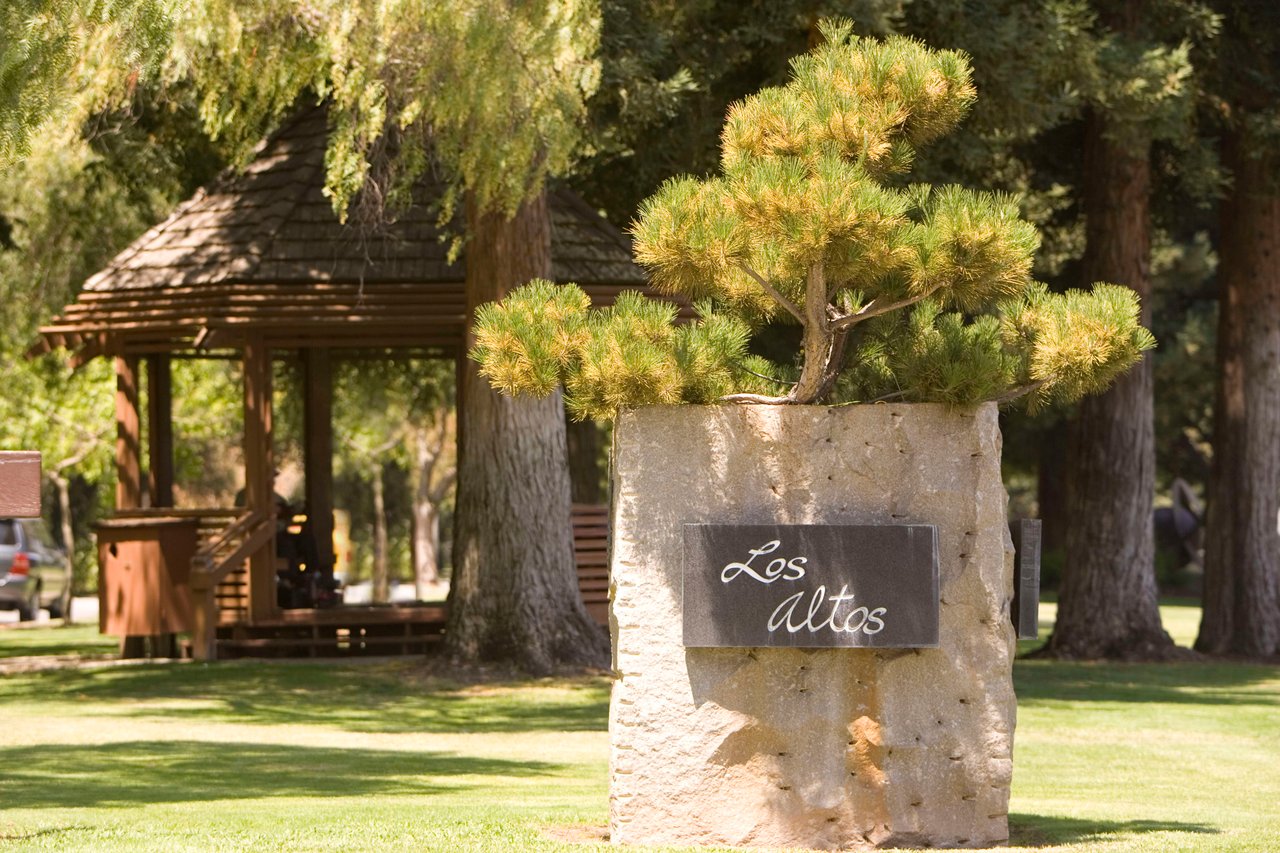
Prices and Market Action for the Los Altos Real Estate Market Past 3 Years
December 18, 2025
Lifestyle
September 25, 2025
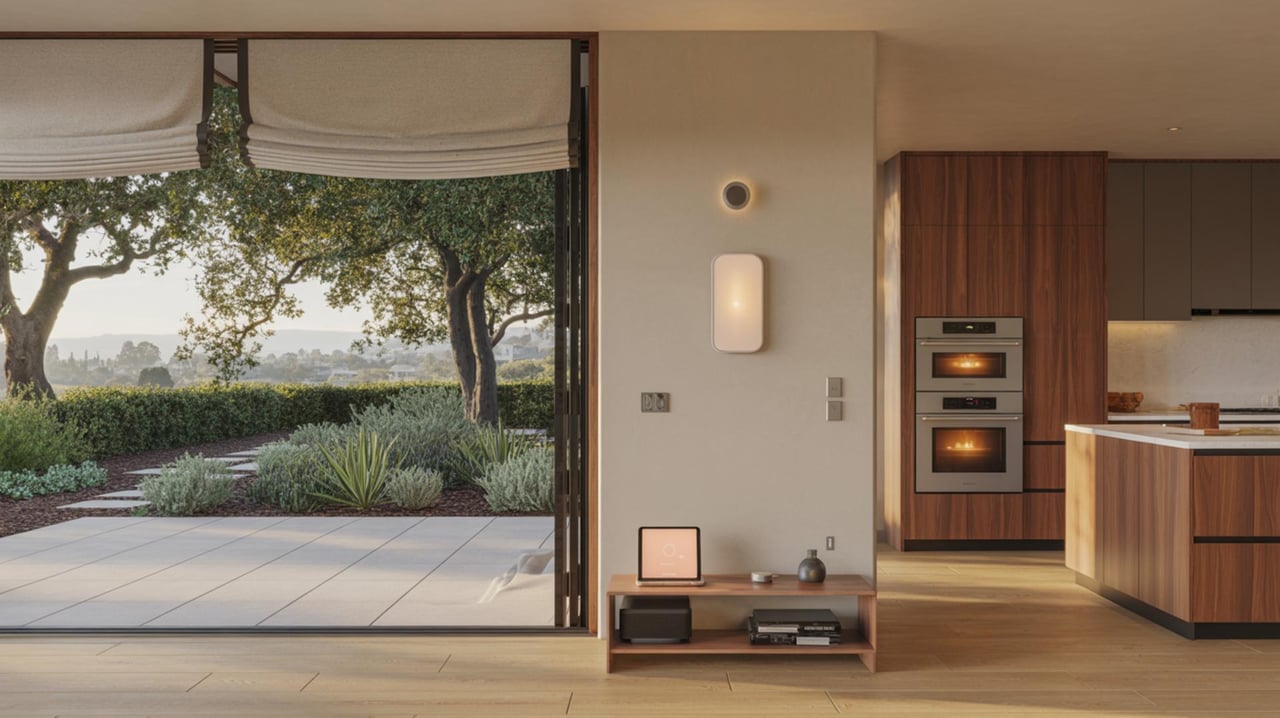
Essential Smart Home Gadgets for Los Altos Living

December 11, 2025
November 14, 2025
November 21, 2025
Market Trends
Tim Proschold | June 13, 2024
Prices and Market Action for the Menlo Park Real Estate Market through May 2024
Market Trends
Tim Proschold | October 2, 2025
Prices and Market Action for the Menlo Park Real Estate Market Past 3 Years
November 27, 2025

October 30, 2025

Tim Proschold | October 30, 2025

November 5, 2025
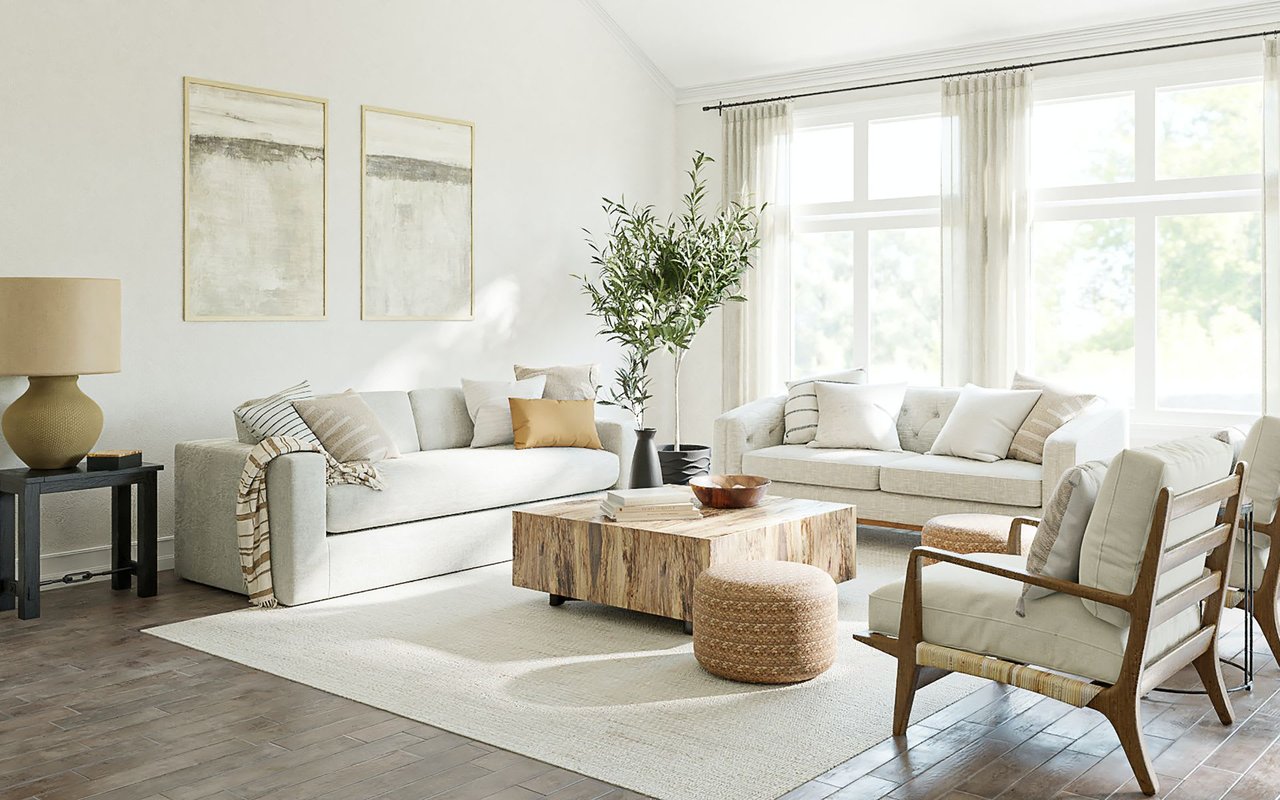
May 5, 2023
Real estate has long been considered a reliable and lucrative investment for wealth preservation.
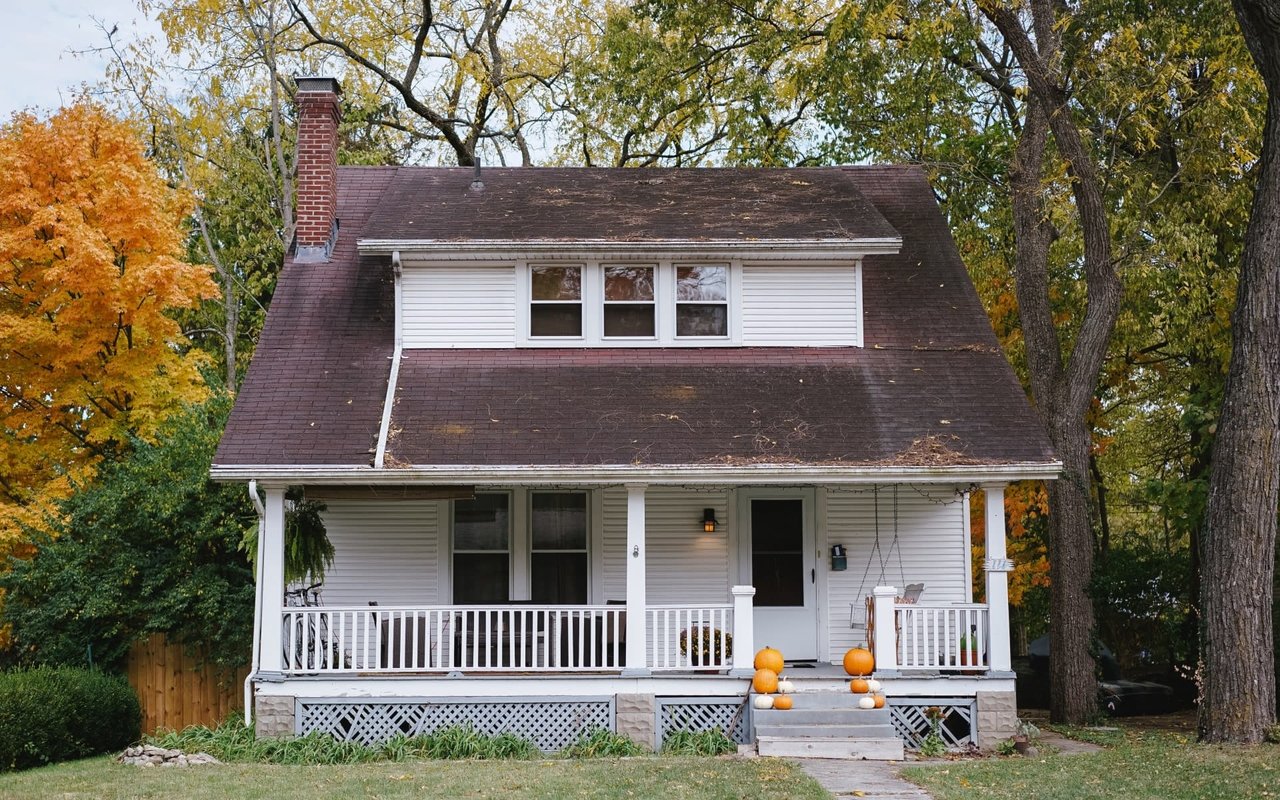
February 2, 2023
You need to work with a knowledgeable and experienced real estate professional who can guide you through the process.
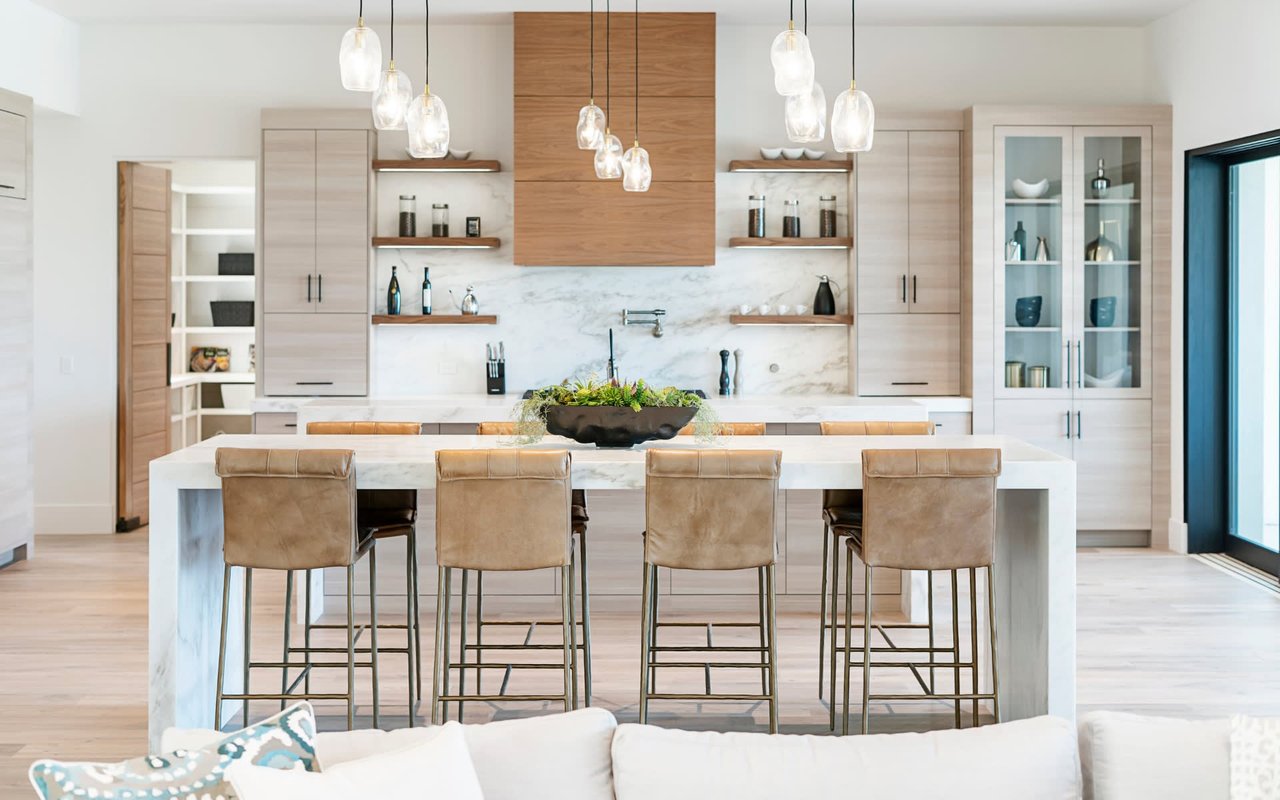
May 22, 2023
While it is improbable that the United States government would ever default on its debt.

April 17, 2023
As we grow older, the importance of financial security and well-being takes on greater significance.

November 6, 2025
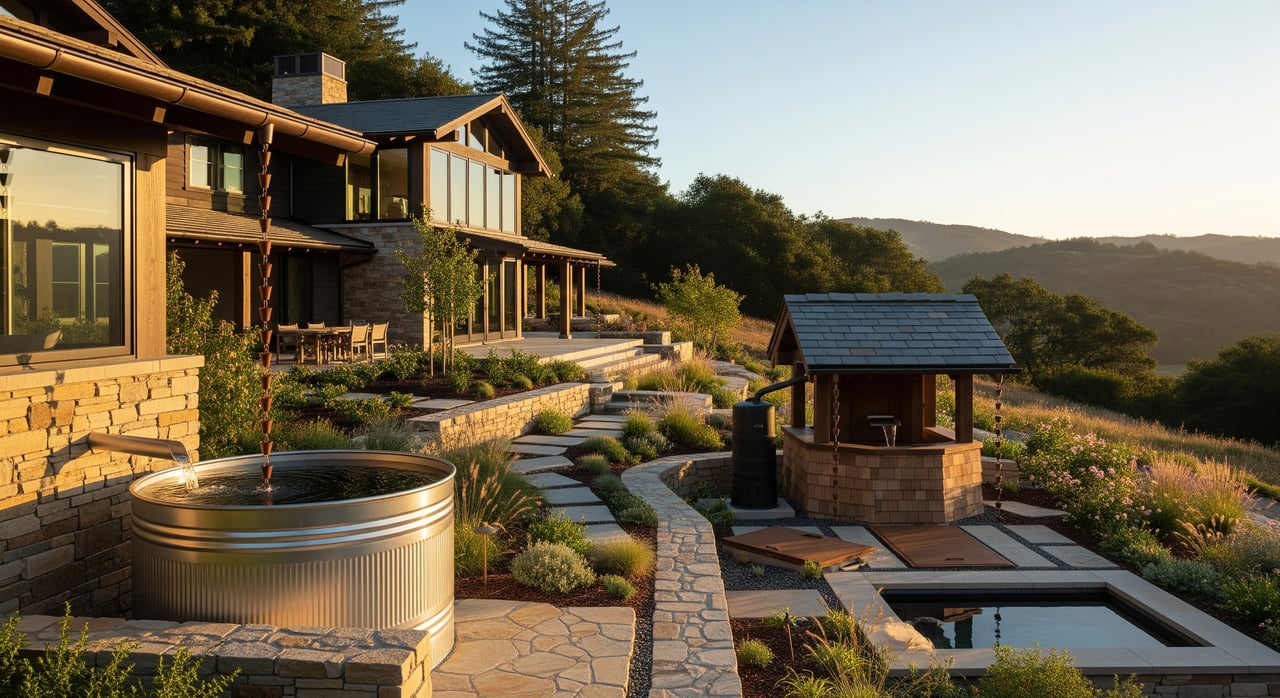
October 23, 2025
Market Trends
Tim Proschold | October 23, 2025
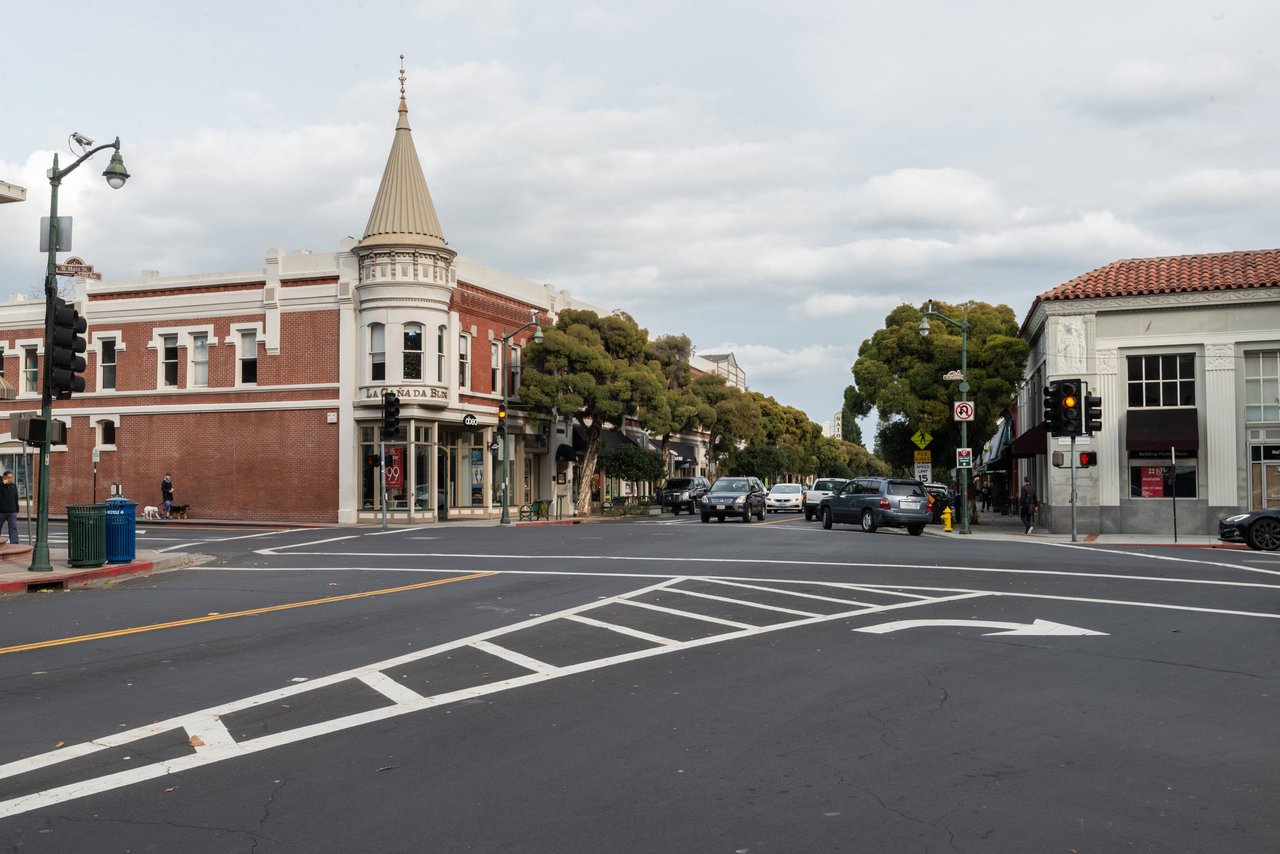
Prices and Market Action for the Los Gatos Real Estate Market Past 3 Years
Market Trends
Tim Proschold | October 16, 2025
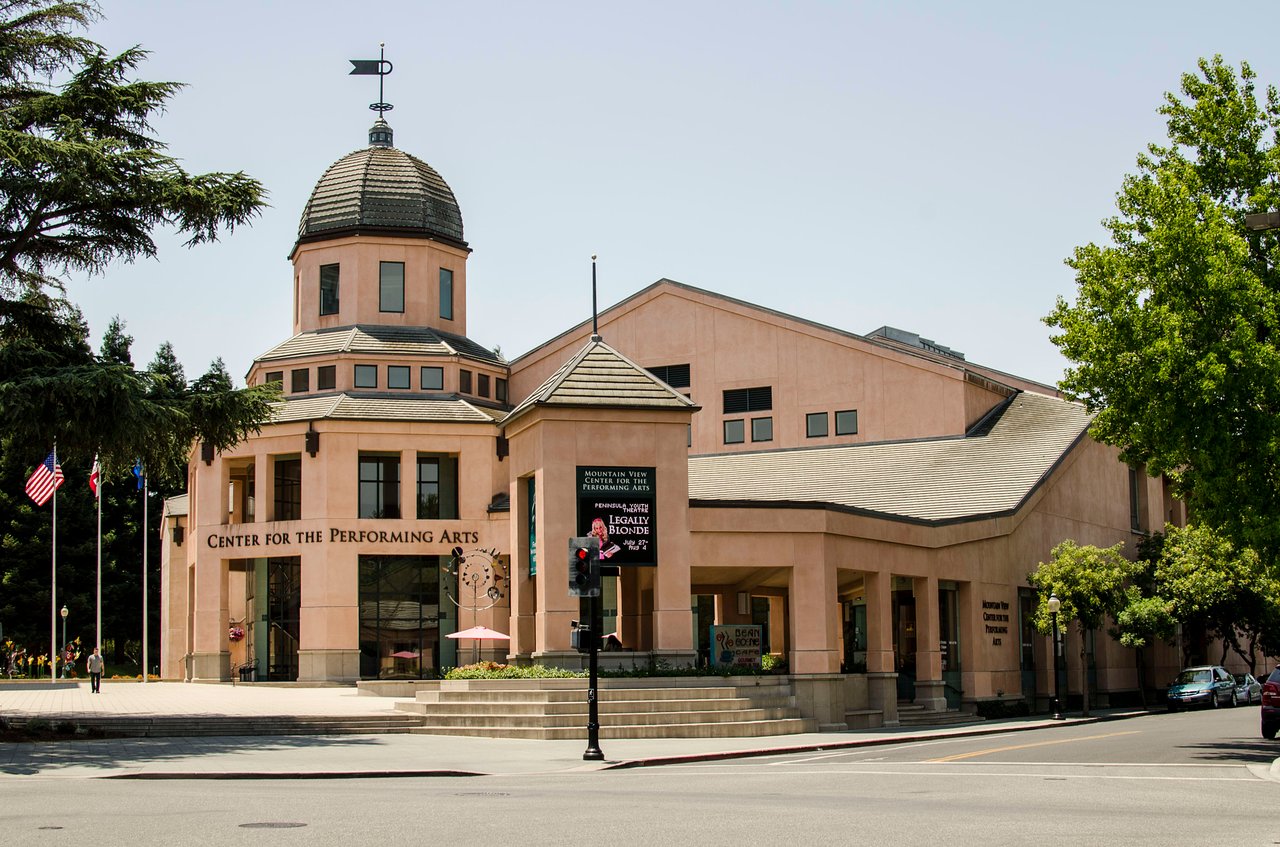
Prices and Market Action for the Mountain View Real Estate Market Past 3 Years
October 16, 2025
Market Trends
Tim Proschold | September 25, 2025
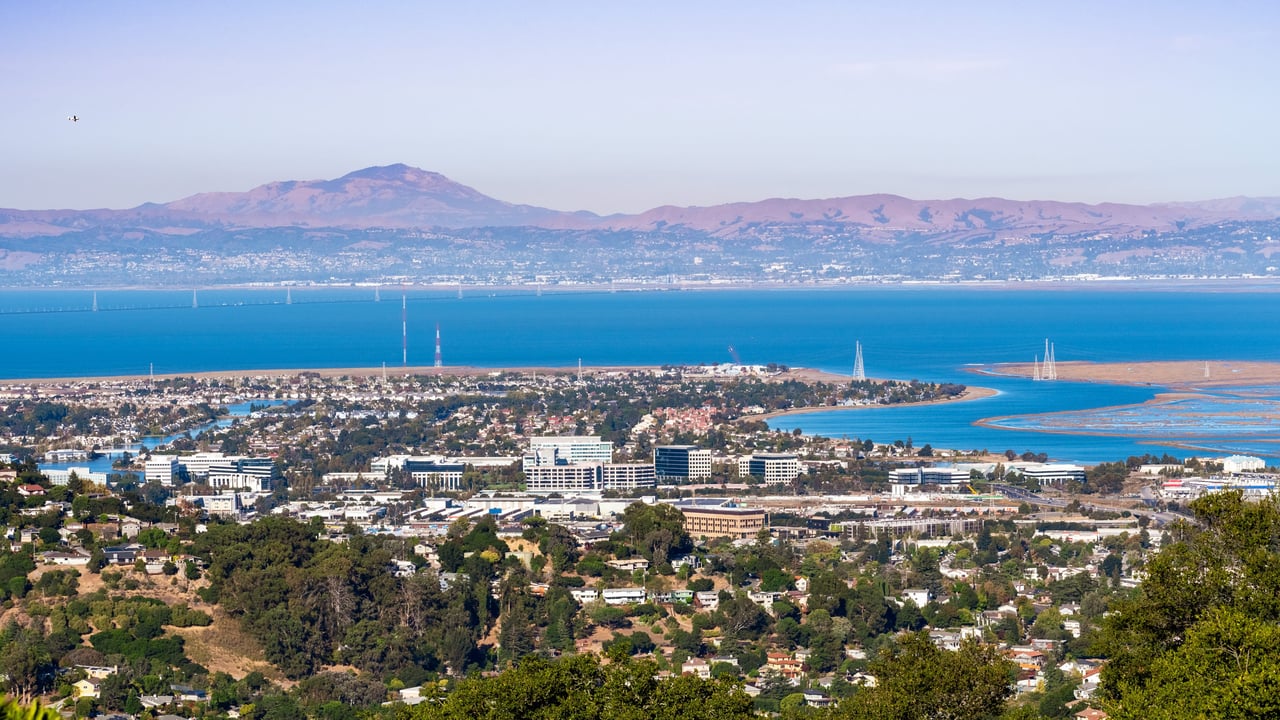
Prices and Market Action for the San Carlos Real Estate Market Past 3 Years
Real Estate
September 25, 2025
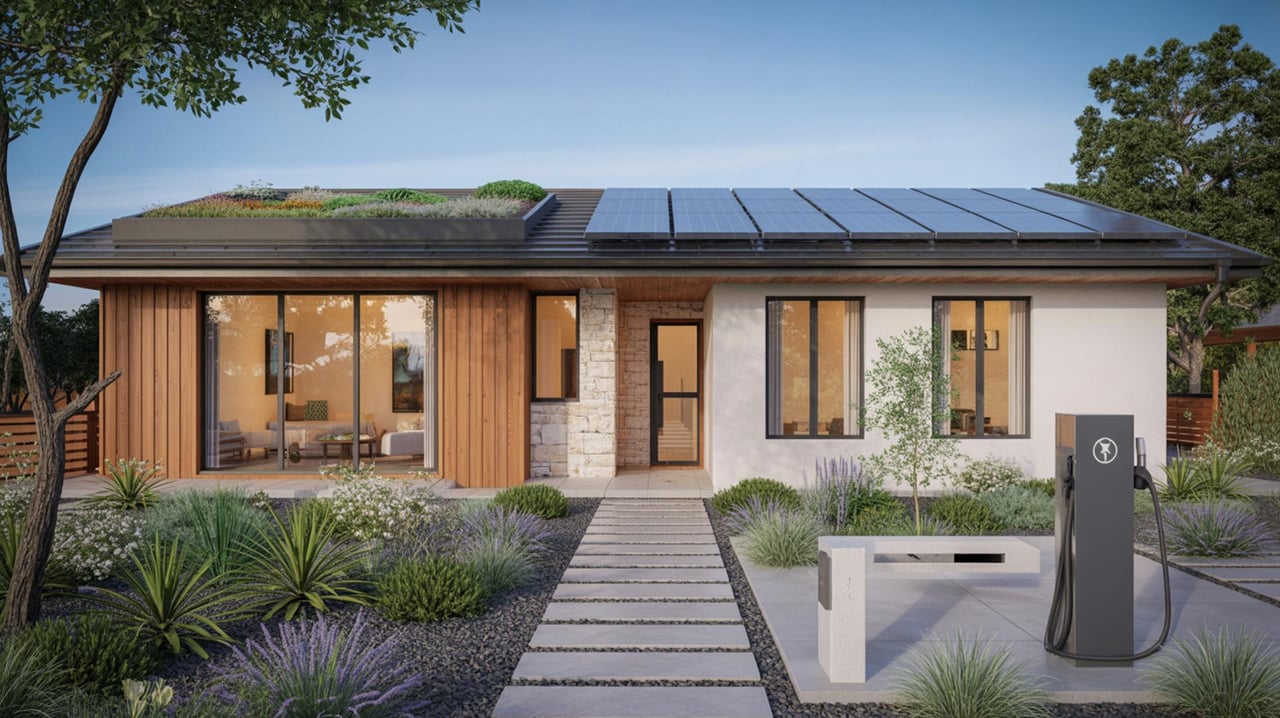
Enhance Your Home's Worth with Sustainable Solutions in Los Altos
October 27, 2023
Real estate statistics are often touted as a reliable indicator of the health and growth of a local market.
November 7, 2023
It's essential to consider your financial objectives, tax implications, and personal circumstances when making a decision.
Market Trends
Tim Proschold | September 18, 2025
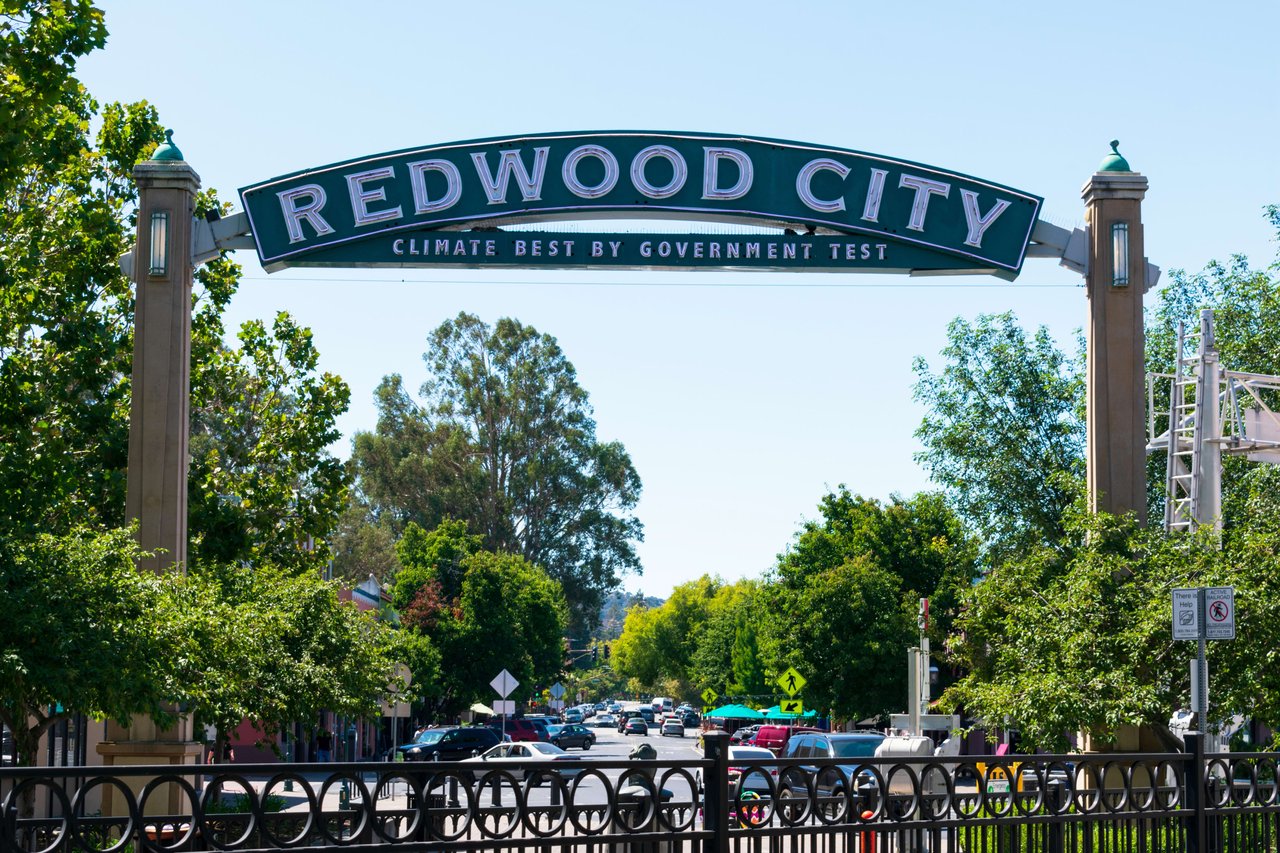
Prices and Market Action for the Redwood City Real Estate Market Past 3 Years
Market Trends
Tim Proschold | September 11, 2025
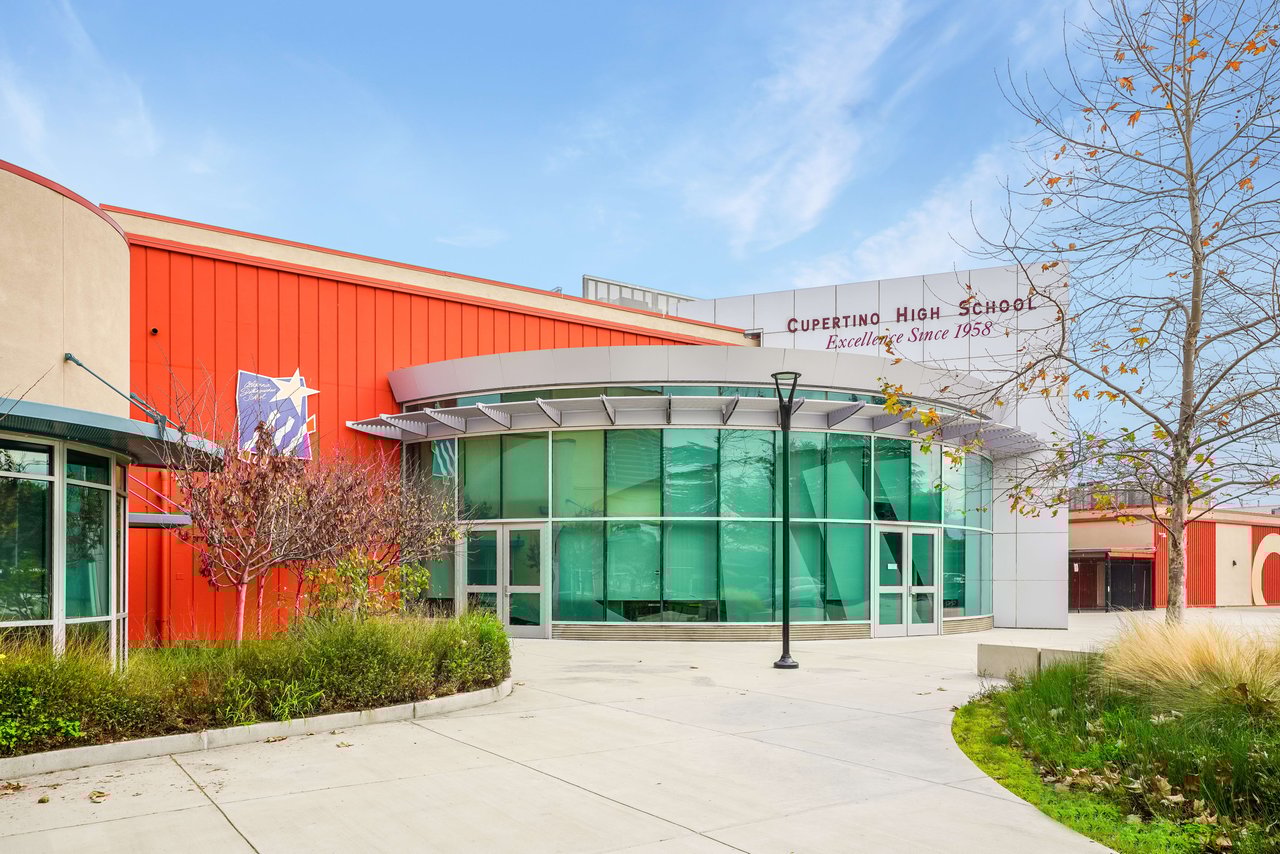
Prices and Market Action for the Cupertino Real Estate Market Past 3 Years
Market Trends
Tim Proschold | September 4, 2025
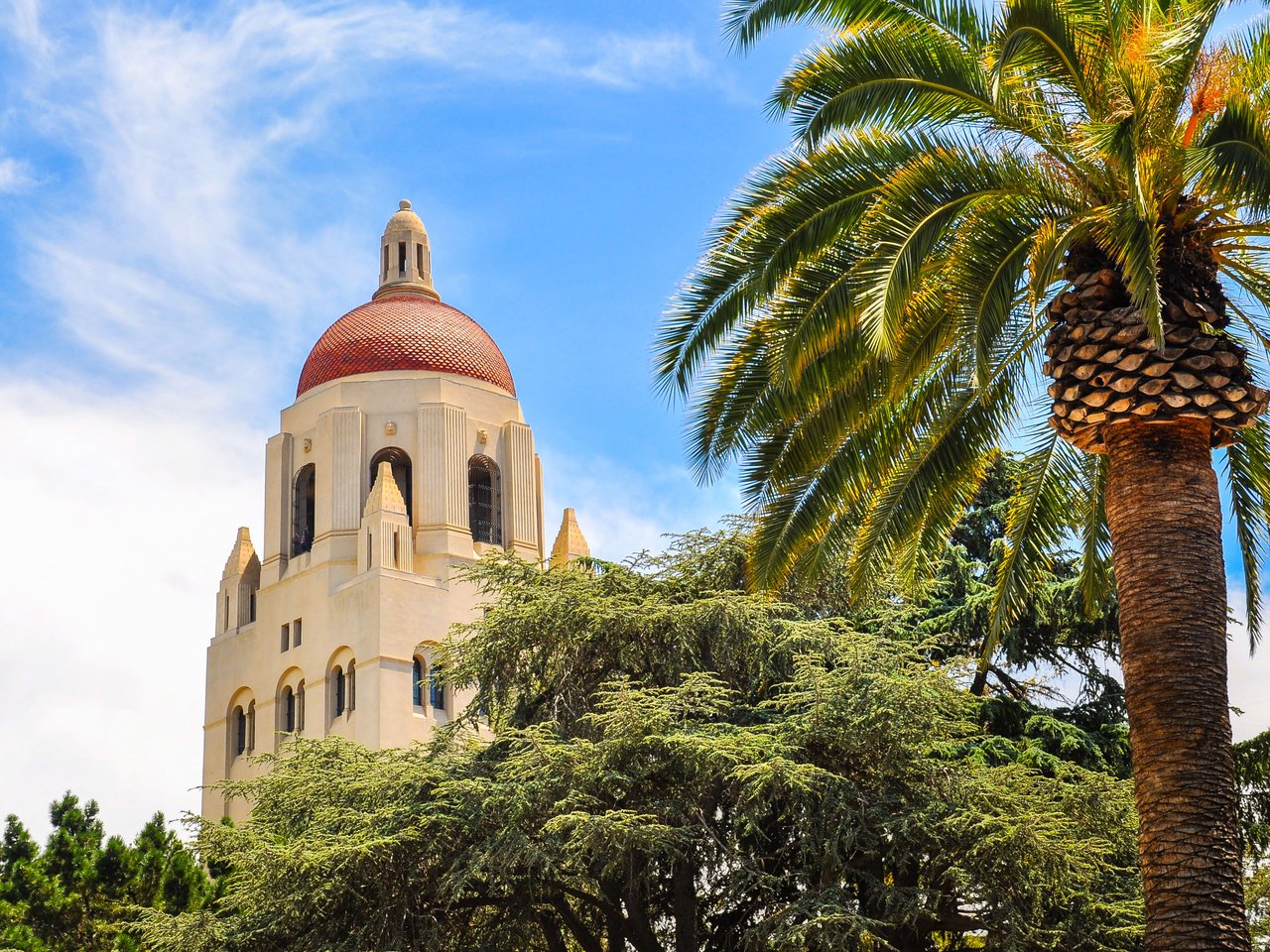
Prices and Market Action for the Palo Alto Real Estate Market Past 3 Years
Market Trends
Tim Proschold | July 9, 2024
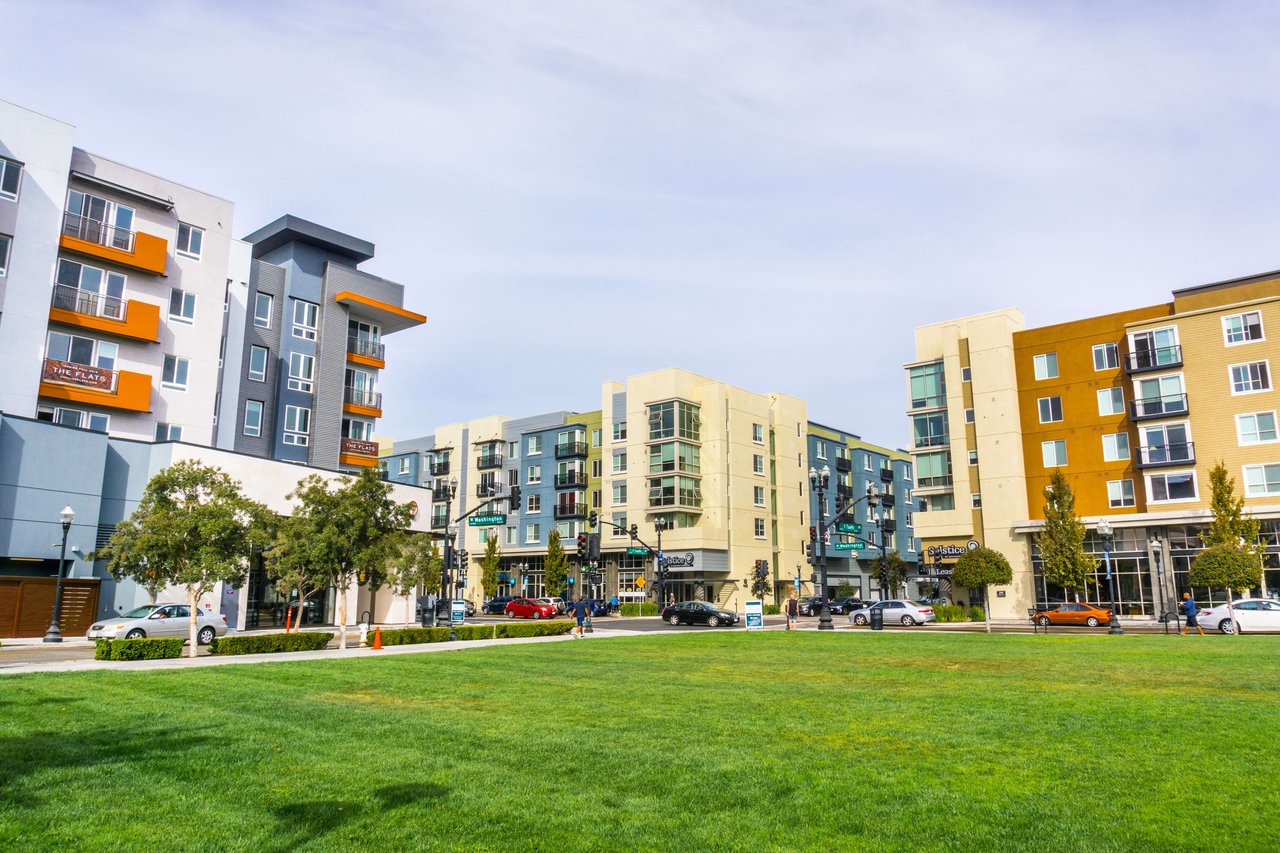
Prices and Market Action for the Sunnyvale Real Estate Market Past 3 Years
Market Trends
Tim Proschold | July 9, 2024
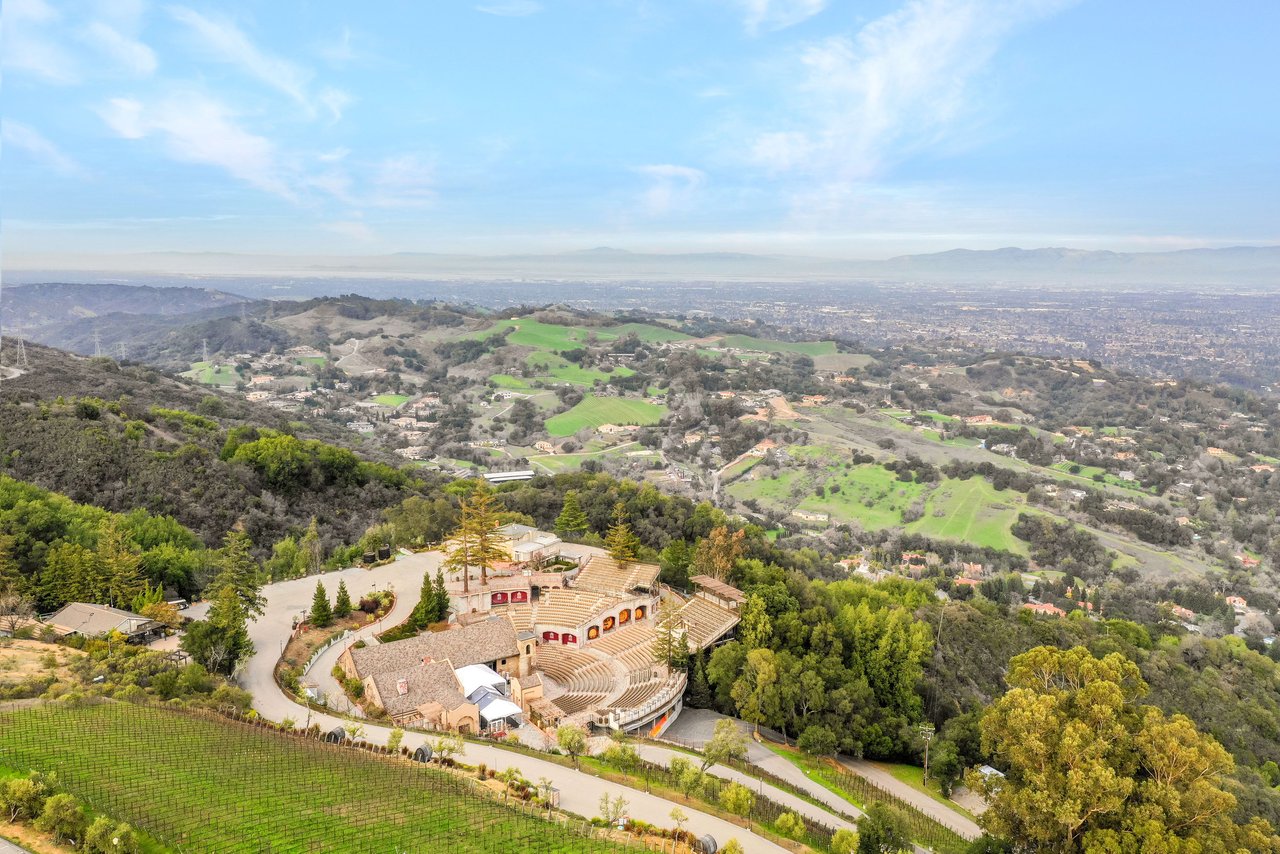
Prices and Market Action for the Saratoga Real Estate Market Past 3 Years
Market Trends
Tim Proschold | July 9, 2024
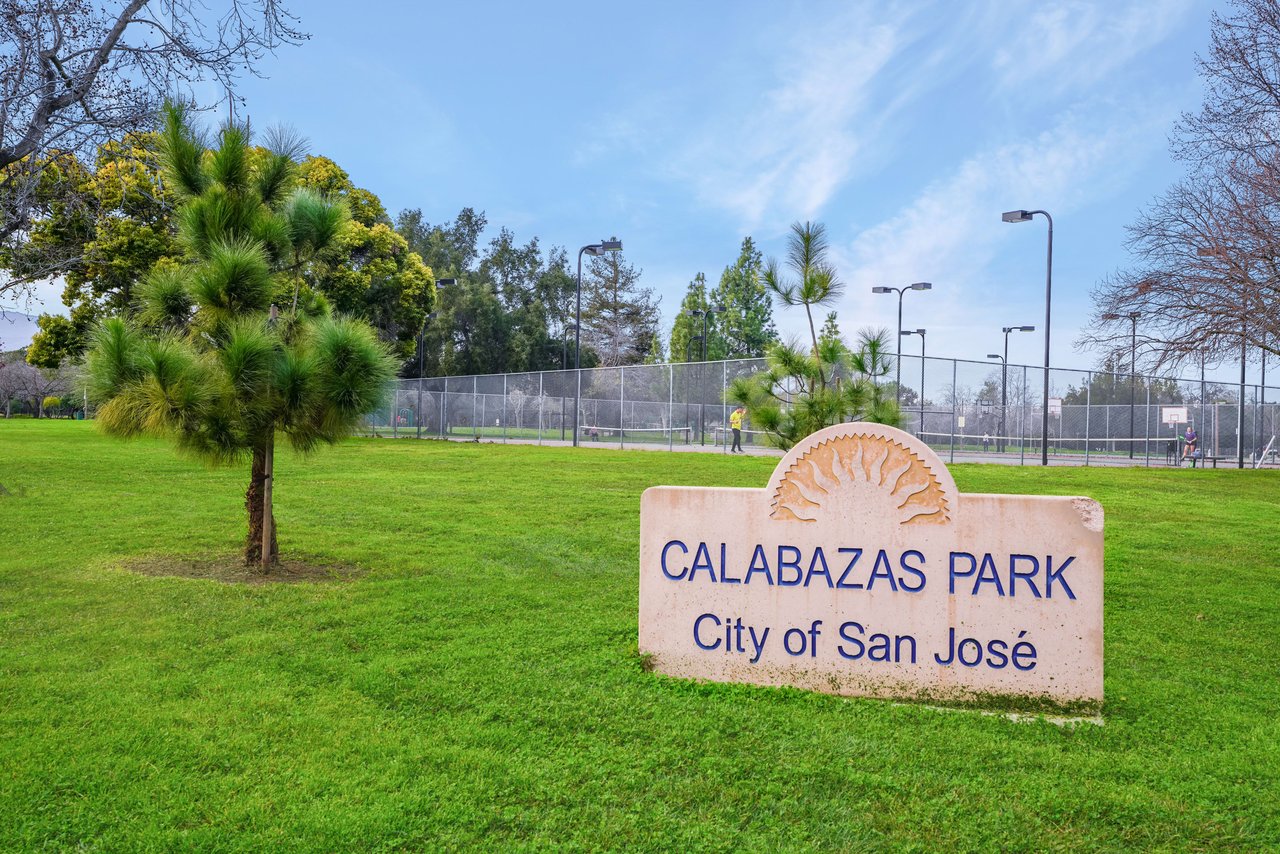
Prices and Market Action for the San Jose Real Estate Market Past 3 Years
Market Trends
Tim Proschold | July 9, 2024
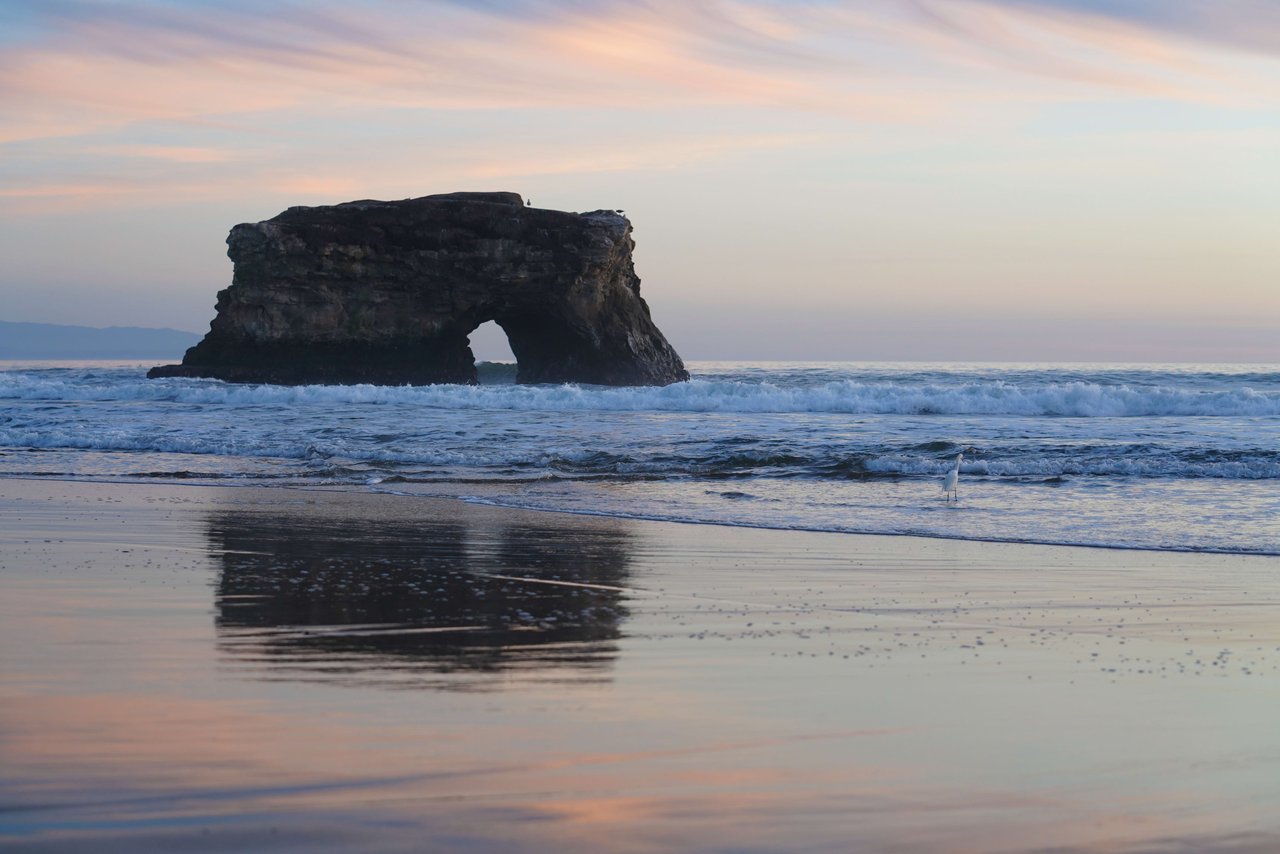
Prices and Market Action for the Santa Cruz County Real Estate Market Past 3 Years
Market Trends
Tim Proschold | July 9, 2024
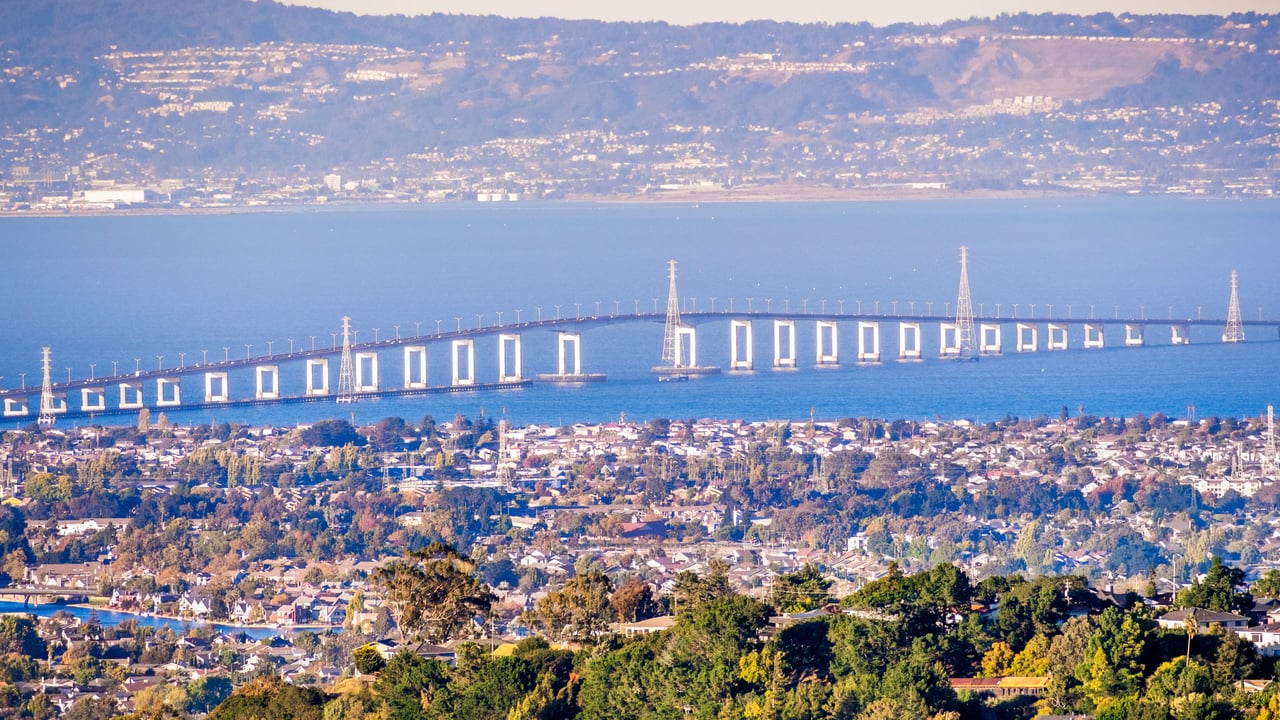
Prices and Market Action for the San Mateo County Real Estate Market Past 3 Years
Market Trends
Tim Proschold | July 9, 2024
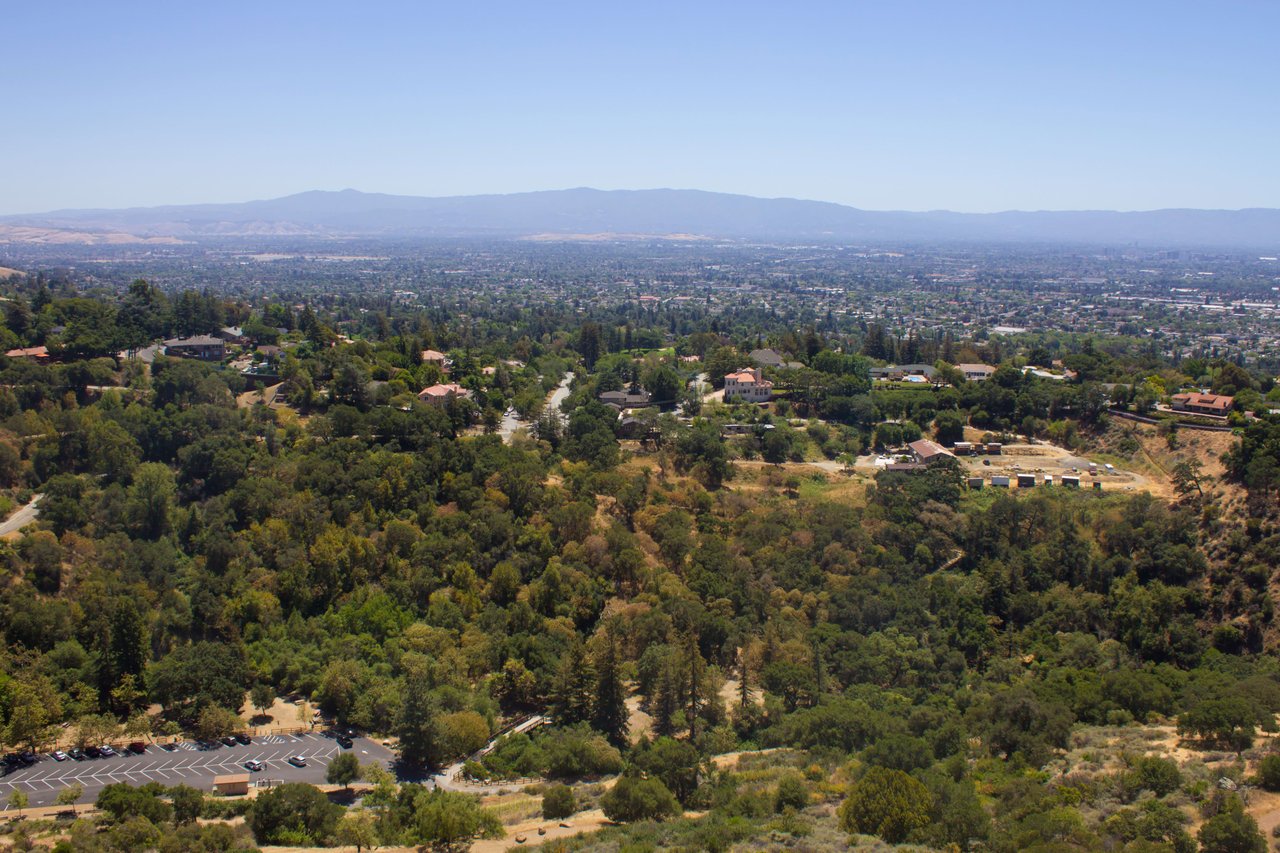
Prices and Market Action for the Santa Clara County Real Estate Market Past 3 Years
Market Trends
Tim Proschold | June 13, 2024
Prices and Market Action for the San Carlos Real Estate Market through May 2024
Market Trends
Tim Proschold | June 13, 2024
Prices and Market Action for the Redwood City Real Estate Market through May 2024
Market Trends
Tim Proschold | June 12, 2024
Prices and Market Action for the Palo Alto Real Estate Market through May 2024
Market Trends
Tim Proschold | June 12, 2024
Prices and Market Action for the Los Gatos Real Estate Market through May 2024
Market Trends
Tim Proschold | June 12, 2024
Prices and Market Action for the Cupertino Real Estate Market through May 2024
Market Trends
Tim Proschold | June 12, 2024
Prices and Market Action for the Los Altos Real Estate Market through May 2024
Market Trends
Tim Proschold | June 12, 2024
Prices and Market Action for the Mountain View Real Estate Market through May 2024
Market Trends
Tim Proschold | June 12, 2024
Prices and Market Action for the Saratoga Real Estate Market through May 2024
Market Trends
Tim Proschold | June 12, 2024
Prices and Market Action for the San Jose Real Estate Market through May 2024
Market Trends
Tim Proschold | June 12, 2024
Prices and Market Action for the Santa Clara Real Estate Market through May 2024
Market Trends
Tim Proschold | June 12, 2024
Prices and Market Action for the Sunnyvale Real Estate Market through May 2024
Experience the pinnacle of real estate excellence with Luxuriant Realty. Their dedicated team ensures a seamless and stress-free journey whether you're buying, selling, or managing properties, allowing you to elevate your lifestyle effortlessly.
LUXURIANT REALTY
885 OAK GROVE AVE, STE 302, MENLO PARK, CA 94025 CA DRE# 02190360 | NMLS# 2464074