Architectural Styles You’ll Find In Menlo Park
Love the character of a classic bungalow but drawn to the clean lines of mid-century design? In Menlo Park, you don’t have to choose one look. The city’s neighborhoods blend early cottages, postwar ranches, mid-century modern gems, and striking contemporary rebuilds. In this guide, you’ll learn how to spot each style, where they tend to cluster, and what to consider for upgrades and permits so you can buy with confidence. Let’s dive in.
Menlo Park’s housing stock reflects more than a century of Bay Area living. Near downtown, you’ll see turn-of-the-century Victorians and early Craftsman bungalows documented by the Menlo Park Historical Association’s walking tour. That charm meets postwar single-story ranch homes across much of the city, plus small but significant pockets of mid-century modern architecture. You’ll also see larger contemporary rebuilds where land values support major renovations. For background on downtown’s historic fabric, explore the Historical Association’s walking tour highlights.
City policy also matters. Projects that affect structures older than 50 years may require historic-resource review as part of environmental and planning checks, especially downtown and along key corridors. You can find the city’s review framework in the El Camino Real and Downtown Specific Plan environmental documents, which outline historic-resource evaluations and mitigation steps for qualifying projects. See the city’s Specific Plan EIR for details.
Victorian-era homes often have decorative trim, gables, and welcoming porches. Craftsman and California bungalows tend to show low-pitched roofs, broad front porches, exposed rafters, and built-ins. For a style primer, the National Park Service outlines common bungalow characteristics in its historic guidance. Review the NPS overview of bungalow and Craftsman features.
These older homes cluster near the Caltrain station, downtown, and the Allied Arts area. The Menlo Park Historical Association’s walking tour showcases representative streets.
You get human-scale living, period detail, and walkable access to shops and cafes. Tree-lined blocks and crafted woodwork add everyday charm.
Expect original systems in many properties: older wiring, plumbing, and single-pane windows are common. A typical plan is to modernize kitchens and baths while preserving built-ins and facades. Because many homes exceed 50 years in age, larger changes can trigger historic-resource review. Confirm process and scope with city planning; the Specific Plan EIR outlines when evaluations apply. For safety, consider a seismic retrofit early; California’s Earthquake Brace + Bolt program offers partial grants for qualifying homes. Learn more about EBB grants.
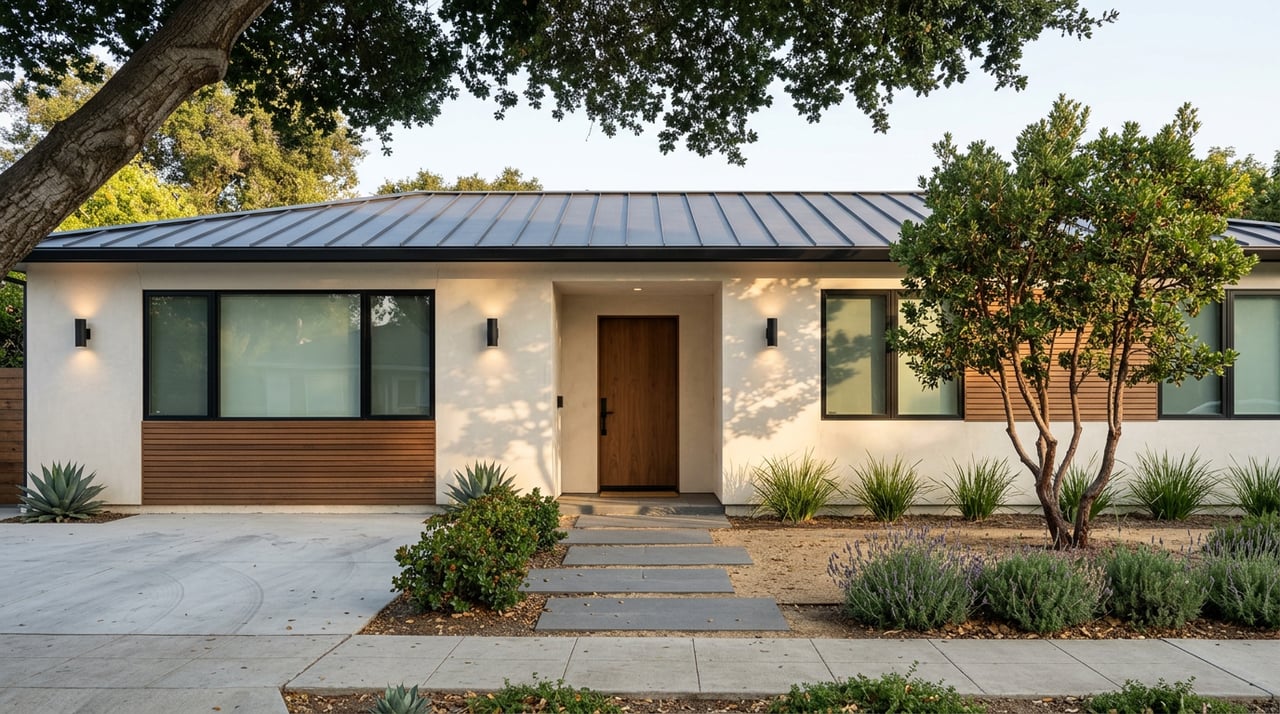
Ranch homes are usually single-story with low, horizontal rooflines, open yet compartmentalized plans, sliding doors to patios, and attached garages. See Architectural Digest’s quick explainer on ranch-style hallmarks.
You’ll see many ranches in West Menlo and Sharon Heights, along with other mid-century neighborhoods that often sit on larger parcels suited to sensitive expansions. The city’s Community Character Report notes ranch and mid-century examples in West Menlo. Review the city’s Community Character Report for context.
Single-level living is practical for many households. Floor plans often open to the yard, which fits the Peninsula climate. These homes are also straightforward to modernize without changing the overall profile.
Common projects include kitchen reconfigurations, new windows, and mechanical updates. Many ranches are slab-on-grade, so second-story additions may be more feasible than basements, but they can trigger discretionary review for height and massing. On older raised foundations, plan for seismic bolting and cripple-wall bracing. Check with Menlo Park Planning before setting scope, since review thresholds vary by lot, tree protections, and neighborhood context documented in the Specific Plan EIR.
Mid-century modern homes favor open plans, post-and-beam structure, floor-to-ceiling glass, and strong indoor-outdoor connections. Eichler-built homes often add exposed wood ceilings, radiant-heated slabs, and central atriums. The Eichler Network highlights these characteristics in its overview of an early example. Explore the Eichler Network’s note on original Eichler features.
Menlo Park has small, high-value clusters in The Willows, the Suburban Park and Flood Park triangle, and portions of Vintage Oaks and Oakdell. These pockets are limited in size, which adds to their appeal.
Design-minded buyers value clean lines, natural light, and indoor-outdoor flow. Many appreciate tasteful expansions that respect original proportions and structural rhythm.
Expect glazing, insulation, and mechanical upgrades to be priority items, especially where open ceilings complicate ducted HVAC. Some owners choose restoration to keep original finishes; others pursue larger remodels or rebuilds, which typically involve design review. Project feasibility often depends on lot size, privacy, and tree constraints captured in the city’s Specific Plan EIR.
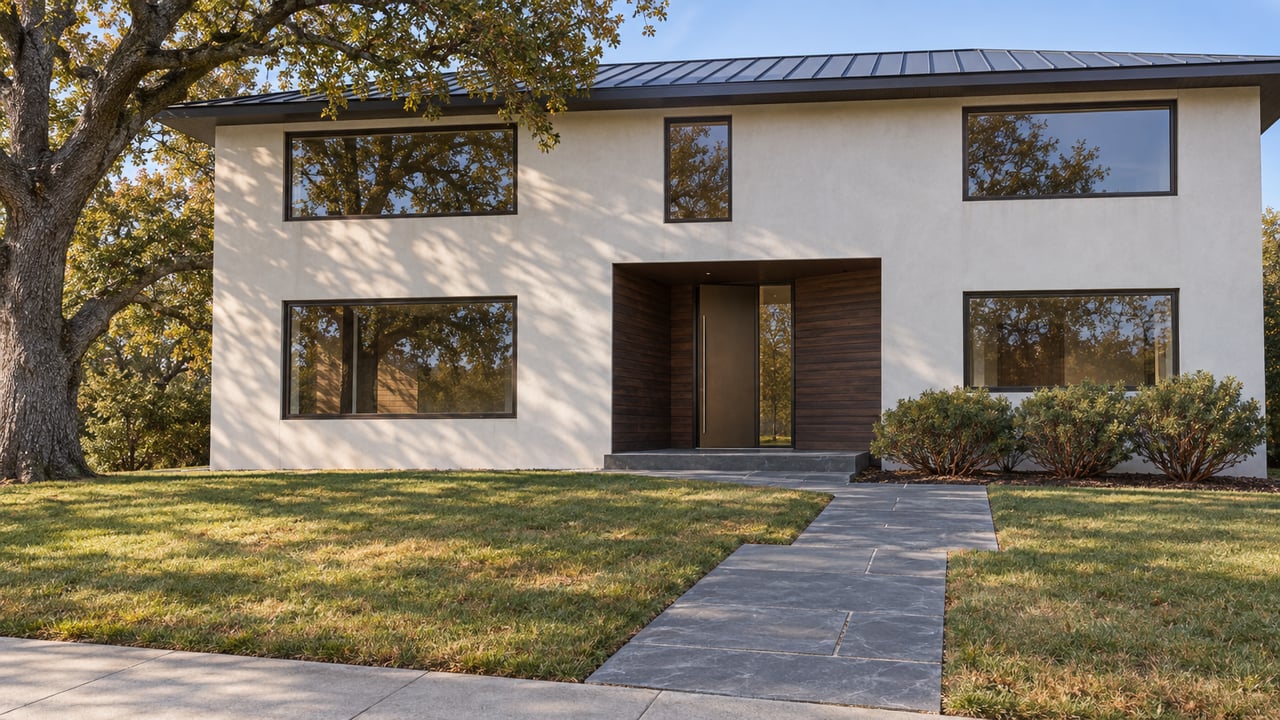
You’ll see two-story layouts with high ceilings, expansive glazing, multi-suite bedroom plans, and generous indoor-outdoor entertaining areas. These homes often replace modest bungalows, smaller ranches, or some mid-century properties.
Larger rebuilds appear across the city, especially on bigger lots in West Menlo, Sharon Heights, and Menlo Oaks, and on attractive streets near downtown.
Buyers get modern systems, large kitchens, and family-friendly bedroom counts. Local reporting has chronicled strong luxury demand in recent years, supporting substantial rebuild activity. See The Almanac’s coverage of a robust Midpeninsula luxury market, and Palo Alto Online’s regional perspective on teardown dynamics.
Teardown and rebuild projects are complex. Expect planning review, potential historic-resource checks for older structures, and careful attention to trees, height, and lot coverage. Early coordination with city planning is essential. The Specific Plan EIR outlines the triggers and studies you may encounter.
Many early cottages and 1920s to 1940s bungalows have been enlarged with rear additions, lofted ceilings, or reworked kitchens while preserving the front facade and streetscape. The Menlo Park Historical Association’s walking tour highlights several examples.
You keep period charm and add livable square footage. For many buyers, a sensitive addition offers a better lifestyle fit than a full teardown.
Common work includes kitchen consolidation, better insulation, and additions massed to protect light and neighbor privacy. Depending on age and location, historic-resource review can apply, as described in the city’s Specific Plan EIR. Prioritize seismic and systems upgrades first, then finishes.
Menlo Park treats older buildings as potential cultural resources. If you plan a major remodel or addition on a property more than 50 years old, you may be asked to provide a site-specific historic evaluation as part of environmental review. Tree protections, neighborhood character, and design compatibility also play key roles in approvals. The city’s Specific Plan EIR explains the thresholds, studies, and mitigation measures that can come into play.
Whether you are drawn to timeless millwork, indoor-outdoor ranch living, or a sculptural mid-century atrium, Menlo Park offers a style that can match your life. If you want help aligning architecture, budget, and permitting strategy, our team pairs engineering-informed advice with white-glove service so you can move forward with clarity. Ready to start the conversation? Connect with Luxuriant Realty.
Experience the pinnacle of real estate excellence with Luxuriant Realty. Their dedicated team ensures a seamless and stress-free journey whether you're buying, selling, or managing properties, allowing you to elevate your lifestyle effortlessly.
LUXURIANT REALTY
885 OAK GROVE AVE, STE 302, MENLO PARK, CA 94025 CA DRE# 02190360 | NMLS# 2464074