Menlo Park Condo vs Townhome vs Single‑Family Homes
Trying to choose between a condo, a townhome, or a single-family home in Menlo Park? With limited land, strong demand, and varied ownership rules, the right fit depends on how you want to live, what you want to own, and how you plan to finance. If you are a relocating tech professional or a first-time buyer, it can feel like a high-stakes puzzle. This guide breaks down ownership, costs, lifestyle tradeoffs, and local nuances like parking and EV charging so you can move forward with confidence. Let’s dive in.
Menlo Park sits in the heart of the Peninsula near Stanford and major employers. Land is scarce and demand is steady, which keeps single-family pricing at the top of the local range. Attached options like condos and townhomes offer a lower entry price compared to single-family, though prices are still high for the region.
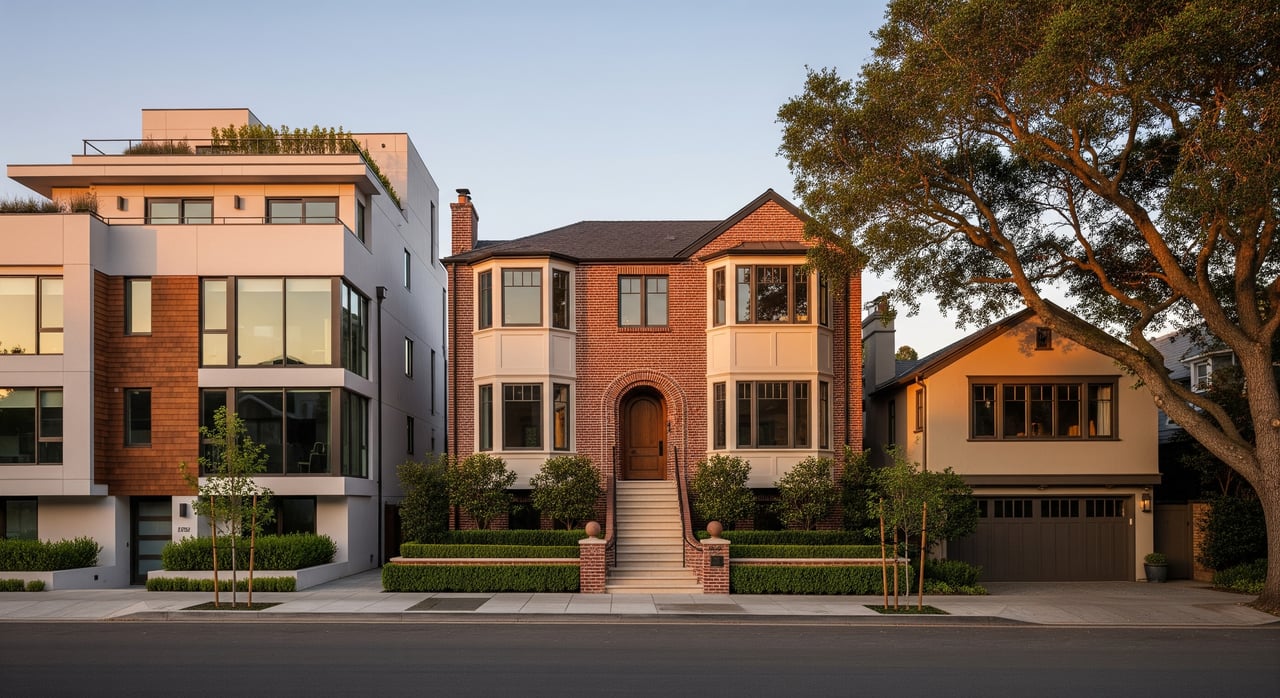
You will find many condos close to downtown and transit corridors, typically in mid-rise buildings. Townhomes are often in smaller clusters that feel more residential. Single-family homes are concentrated in established neighborhoods with larger footprints and yards. For city programs and planning context, explore the City of Menlo Park’s official site. For a broad snapshot of the community, review U.S. Census QuickFacts for Menlo Park.
With a condo, you own the interior of your unit and share an undivided interest in common areas like the land, roof, hallways, and amenities. A homeowners association (HOA) manages these areas under California’s Davis-Stirling Common Interest Development Act. Learn more about governance and disclosures by reviewing the state’s Davis-Stirling guidance in the California Civil Code.
“Townhome” describes the building style, not the legal ownership. Some townhomes are legally condos with shared common areas. Others are fee simple homes on small lots with shared wall agreements and an HOA. Always verify whether the specific townhome is a condo form of ownership or fee simple, since this affects insurance, financing, and maintenance responsibilities.
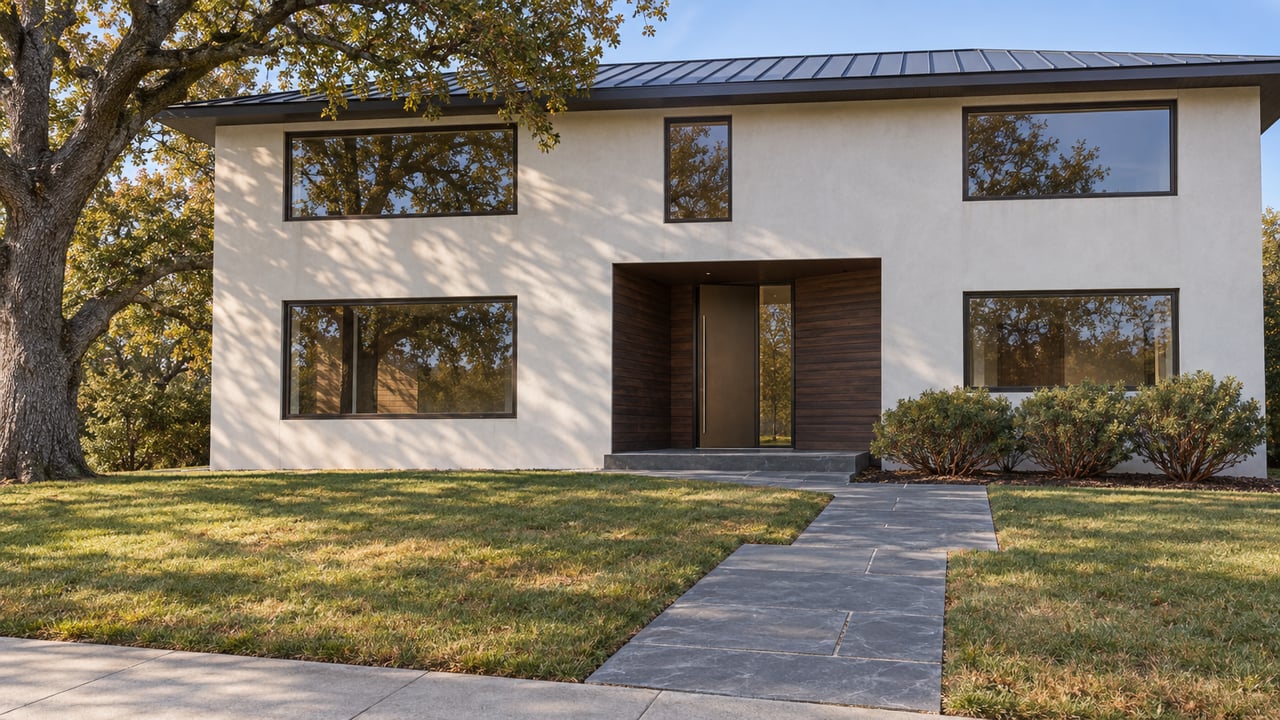
Single-family homes are fee simple, which means you own the land and the structure. Some neighborhoods have an HOA with basic rules or shared landscaping, while many do not. Single-family properties in Menlo Park often allow accessory dwelling units (ADUs) subject to city and state rules. You manage your own exterior maintenance and carry a full homeowner’s insurance policy.
In Menlo Park, the typical price order is single-family at the top, then townhomes, then condos. Prices move quickly here, so check current local data on the day you make decisions and plan your budget accordingly.
Be sure to review the HOA budget, reserve study, special assessment history, rental policies, and pet rules. Sellers must provide a disclosure packet with CC&Rs, bylaws, meeting minutes, and financials under Davis-Stirling.
Property taxes are assessed based on your purchase price and increase in limited amounts each year under Proposition 13. A change in ownership typically triggers reassessment. Plan for supplemental taxes after closing. Get county-level guidance from the San Mateo County Assessor-County Clerk-Recorder.
Condo financing can be more restrictive. Many lenders and loan programs require certain levels of owner occupancy, reserve funding, and project approvals. If you plan to use FHA or VA financing, verify whether the condo project meets program criteria. For official guidance and approvals, start with the HUD condominium resources.
Townhomes that are fee simple are often underwritten like single-family homes. Townhomes that are condos follow condo underwriting rules. If you are using a low-down-payment program, confirm any lender overlays, project status, and insurance requirements early in your process.
Single-family homes usually provide a driveway and private garage, which makes parking and EV charger installation more straightforward. Condos and townhomes offer assigned spaces and guest parking that may be limited. Rules vary by HOA, so confirm the number and type of spaces assigned to your unit and how guest parking works. For street regulations or residential parking programs, check the City of Menlo Park.
Newer developments are more likely to include EV charging or EV-ready wiring. In condos and townhomes, installing a personal Level 2 charger may require HOA approval and electrical capacity analysis. Ask whether conduit and panel capacity already exist and request the written policy on installation and cost sharing.
To plan costs and rate schedules, explore PG&E’s residential EV charging programs. For technical standards and statewide guidance on EV-ready buildings, consult the California Energy Commission’s Building Energy Efficiency Standards.
Single-family homes generally have the broadest buyer appeal here, which can help with liquidity over time. Condos and townhomes can have smaller buyer pools if an HOA limits rentals or has financing challenges. Review HOA financials and meeting minutes closely to spot risks like deferred maintenance or upcoming special assessments.
Long-term appreciation is influenced by land scarcity, proximity to employers, and local school districts. Attached homes may appreciate differently than single-family because land is the scarcest component in Menlo Park. Your path to the best outcome is to match the property type to your lifestyle, timeline, and risk tolerance.
Choosing between a condo, a townhome, and a single-family home is simpler when you know exactly what you will own, pay, and experience day to day. If you want engineering-informed due diligence, clear HOA analysis, and a smooth purchase from search to closing, our local team is ready to help. Start your Menlo Park search with tailored advice and white-glove coordination from Luxuriant Realty. Elevate Your Lifestyle—Request a Personalized Consultation.
Experience the pinnacle of real estate excellence with Luxuriant Realty. Their dedicated team ensures a seamless and stress-free journey whether you're buying, selling, or managing properties, allowing you to elevate your lifestyle effortlessly.
LUXURIANT REALTY
885 OAK GROVE AVE, STE 302, MENLO PARK, CA 94025 CA DRE# 02190360 | NMLS# 2464074