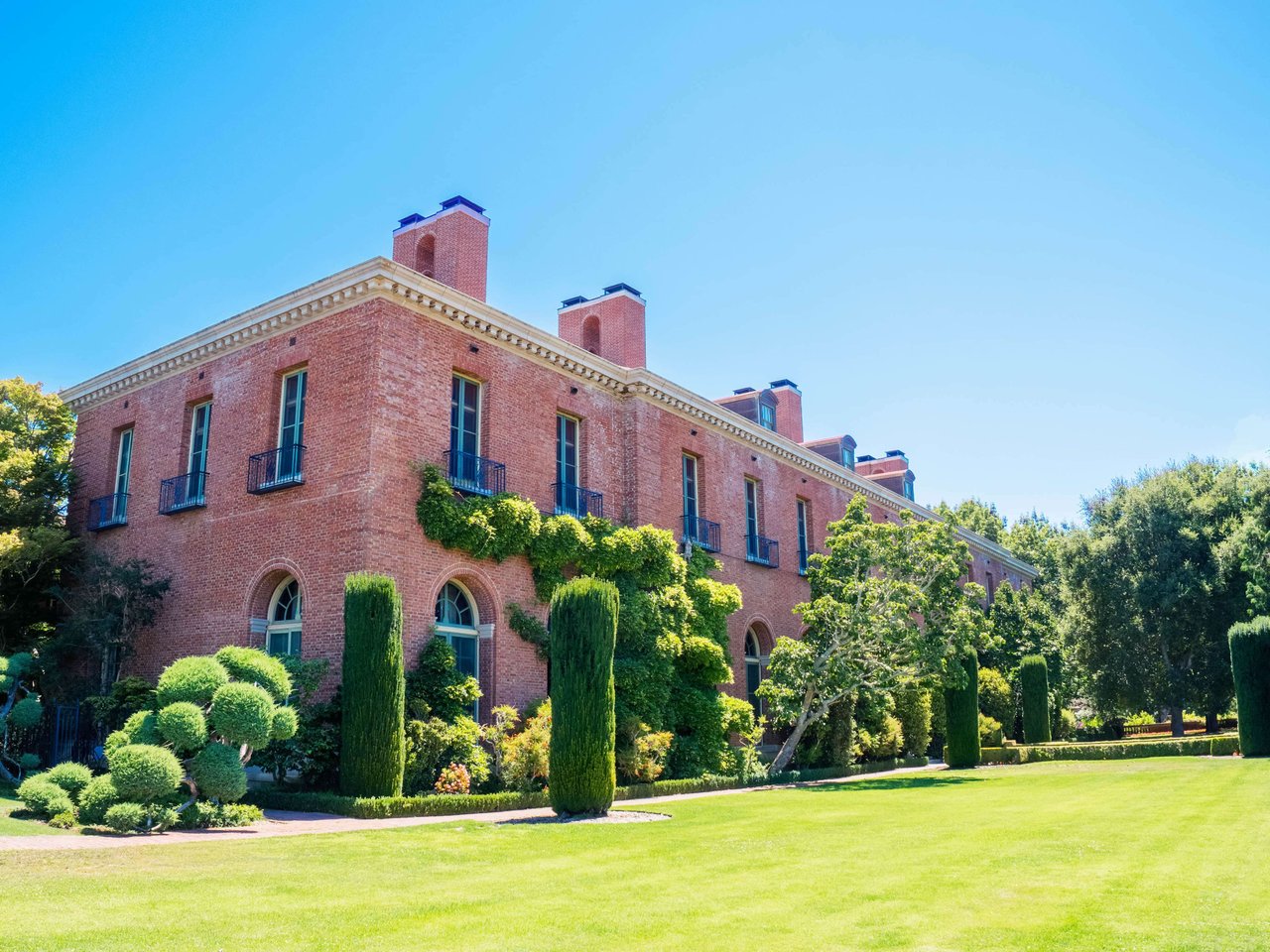
5,181 people live in Woodside, where the median age is 46.5 and the average individual income is $152,475. Data provided by the U.S. Census Bureau.
Total Population
Median Age
Population Density Population Density This is the number of people per square mile in a neighborhood.
Average individual Income
There are towns that signal wealth, and then there is Woodside, which has spent decades perfecting the art of hiding it. Behind the hitching posts, the unpaved bridle paths, and the redwood canopies sits some of the most concentrated affluence in the country. This guide is built to help you understand how this particular market actually works, written from years of watching estates trade hands here, often before they ever reach a public portal.
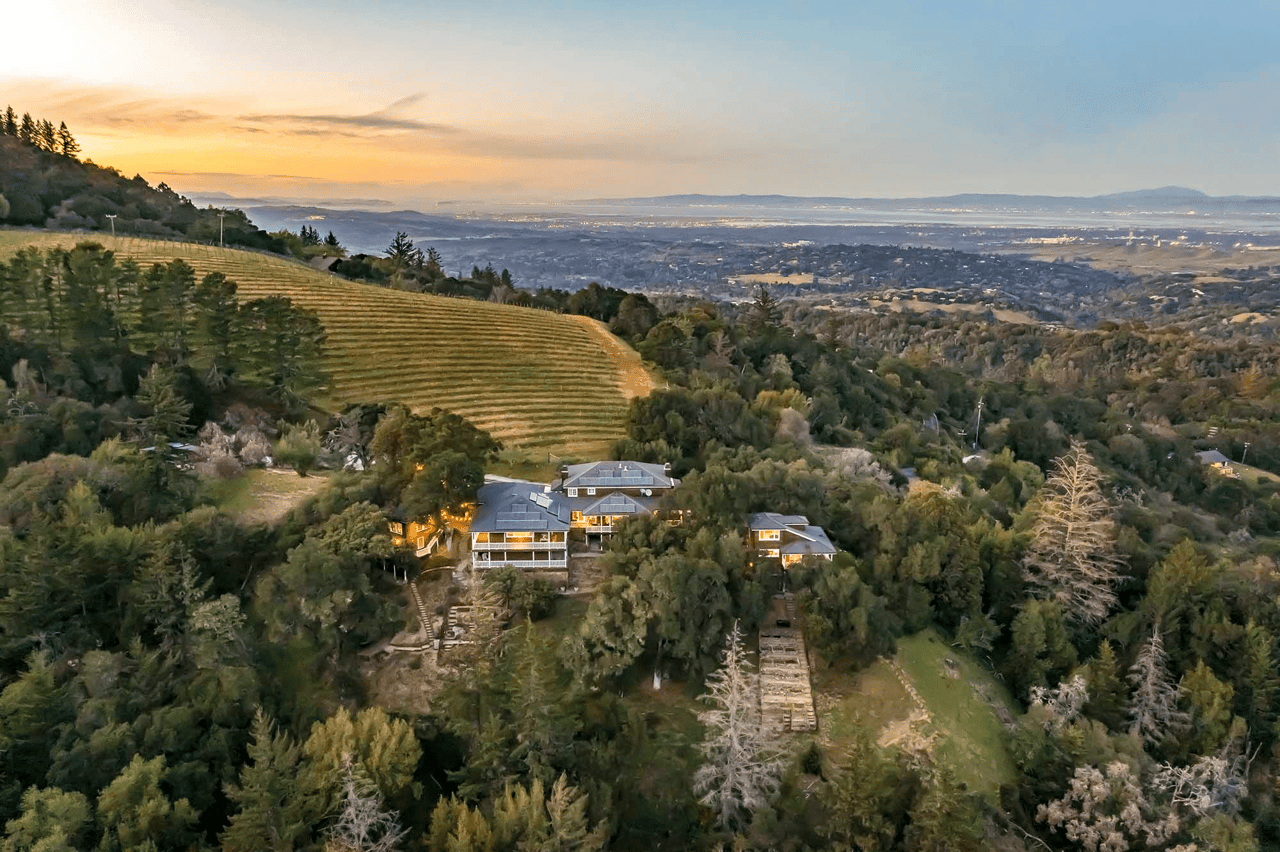
Woodside is a study in deliberate contradiction. It sits in the foothills of the Santa Cruz Mountains, minutes from Palo Alto and Menlo Park, yet it feels like a rural sanctuary where horses have the right of way and storefronts still have hitching posts out front. The towering redwoods, the open meadows, and the deep equestrian heritage are not accidents of geography. They are the product of fiercely protective zoning laws designed to keep the town looking and feeling like country, even as Silicon Valley fortunes pile up behind its gates.
The people drawn here tend to want the same thing: privacy, space, and discretion. Woodside attracts ultra-high-net-worth individuals, tech executives, venture capitalists, and families who measure neighborhood identity in acreage rather than address. Life here orbits around the outdoors, hiking, cycling, and horseback riding, and around an unspoken understanding that the town's value lies precisely in what it refuses to become. There are no master-planned subdivisions, no commercial sprawl, just winding scenic roads, top-tier schools, and a landscape the community guards aggressively.
The Woodside market is a high-stakes, low-inventory arena, and the scarcity is by design. Because the town prioritizes open space and large lots, the housing supply is permanently constrained, which keeps competition for the best properties sharp.
What makes this market genuinely unusual is its split personality. Homes that arrive flawlessly prepared and accurately priced tend to ignite immediate interest, often going pending in roughly 8 to 16 days. But the market punishes optimism. A listing that launches with an inflated "let's see what happens" price quickly goes stale, and stale listings here face long marketing periods and steep corrections. There is very little middle ground.
It functions as a highly selective seller's market. Well-positioned homes routinely draw multiple offers, and nearly half of the most coveted properties sell above asking. At the same time, because these are deeply customized multi-million-dollar estates, buyers are discerning and overall sales volume stays naturally low. As for pricing, Woodside represents the absolute peak of Peninsula luxury. The median listing price generally sits between $4 million and $5.85 million, with price per square foot frequently landing around $1,500 to $1,900. Smaller or historic properties occasionally surface lower in the multi-million-dollar range, while expansive equestrian estates and custom compounds comfortably command $7 million to $15 million and beyond.
Buying here requires preparation and financial confidence in equal measure. This is a thin-inventory market fueled by an affluent buyer pool with deep tech equity and venture capital behind it, and a substantial portion of activity happens off-market entirely. If you are relying only on Zillow and Redfin, you are seeing roughly half the picture. Securing a premier property often comes down to working with an agent who has the local relationships to surface whisper listings before they ever go public.
Contingencies in Woodside work differently than in the rest of the Bay Area. While the broader region is notorious for fully non-contingent offers, Woodside is a genuine exception because the land itself is so complex. Competitive buyers frequently waive standard home and financing contingencies, arriving with fully underwritten jumbo loans or cash, but the smart ones negotiate narrow windows for rural due diligence that simply doesn't exist in a typical suburban purchase. That means investigating septic systems and well water, where evaluating replacement costs, pumping history, and well flow rates is standard practice rather than paranoia. It means checking permitting histories, since strict San Mateo County zoning and historic preservation make unpermitted additions on older properties a real title and development risk. And given the foothills setting, it increasingly means geotechnical soil-stability evaluations and wildfire defensibility compliance.
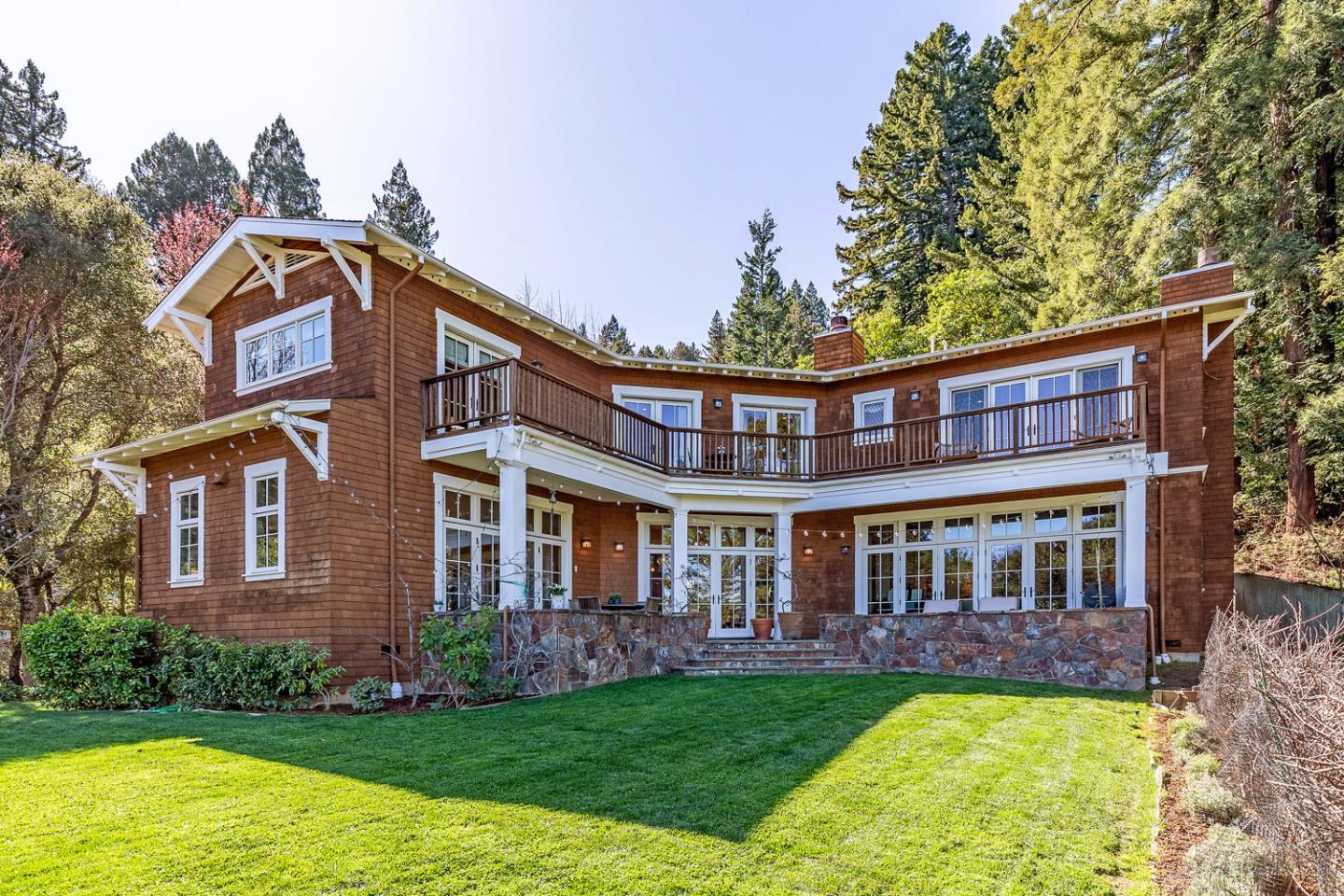
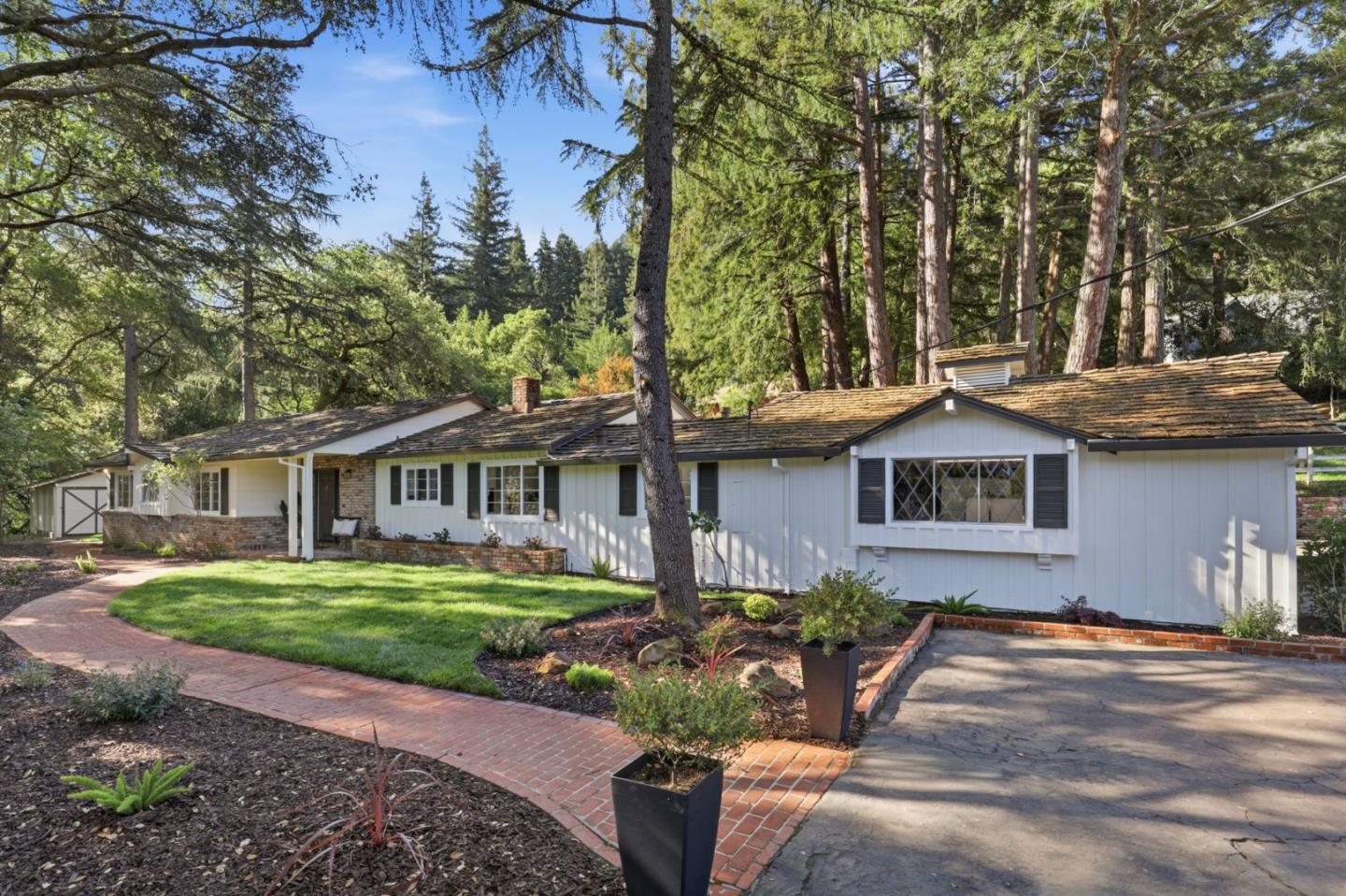
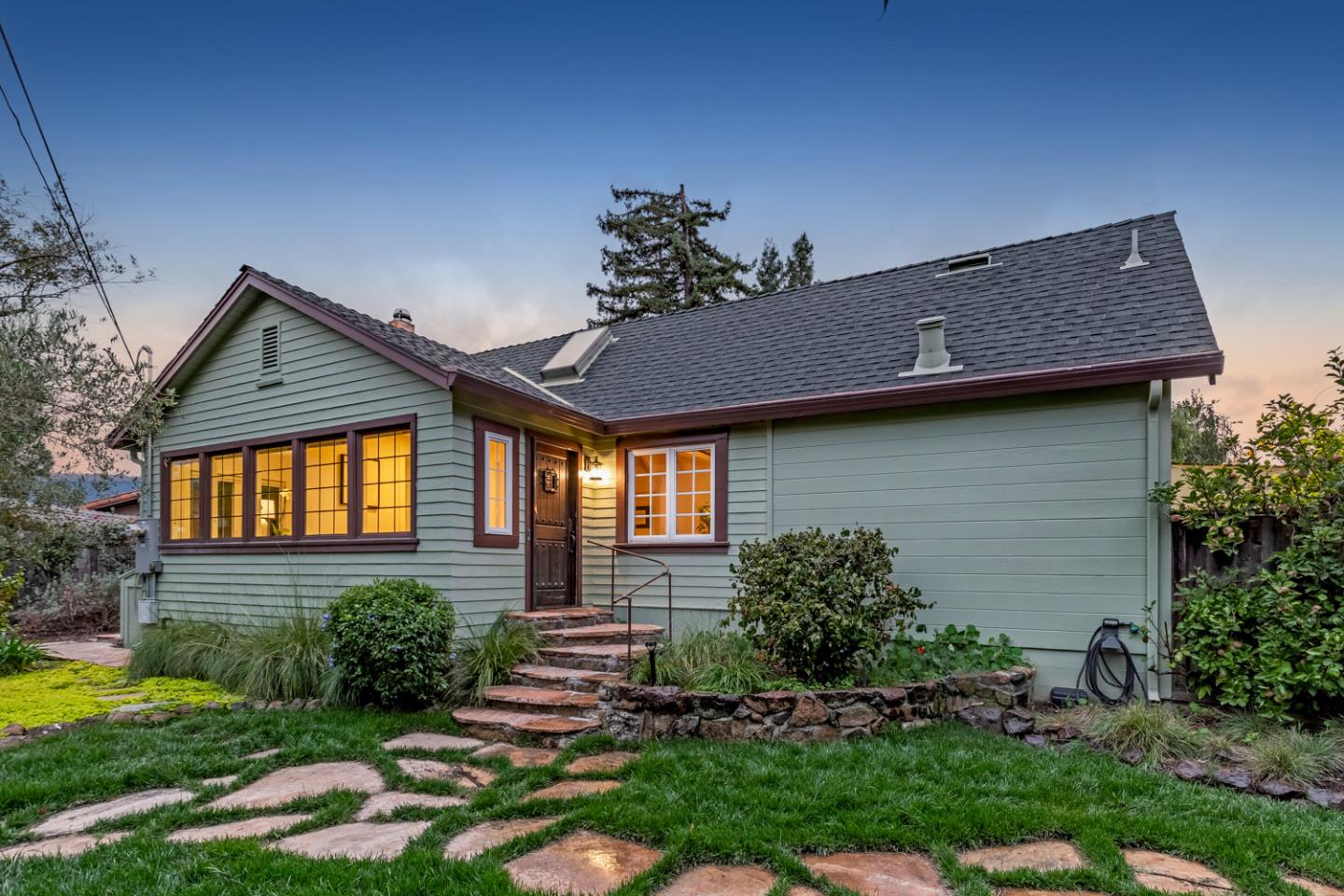
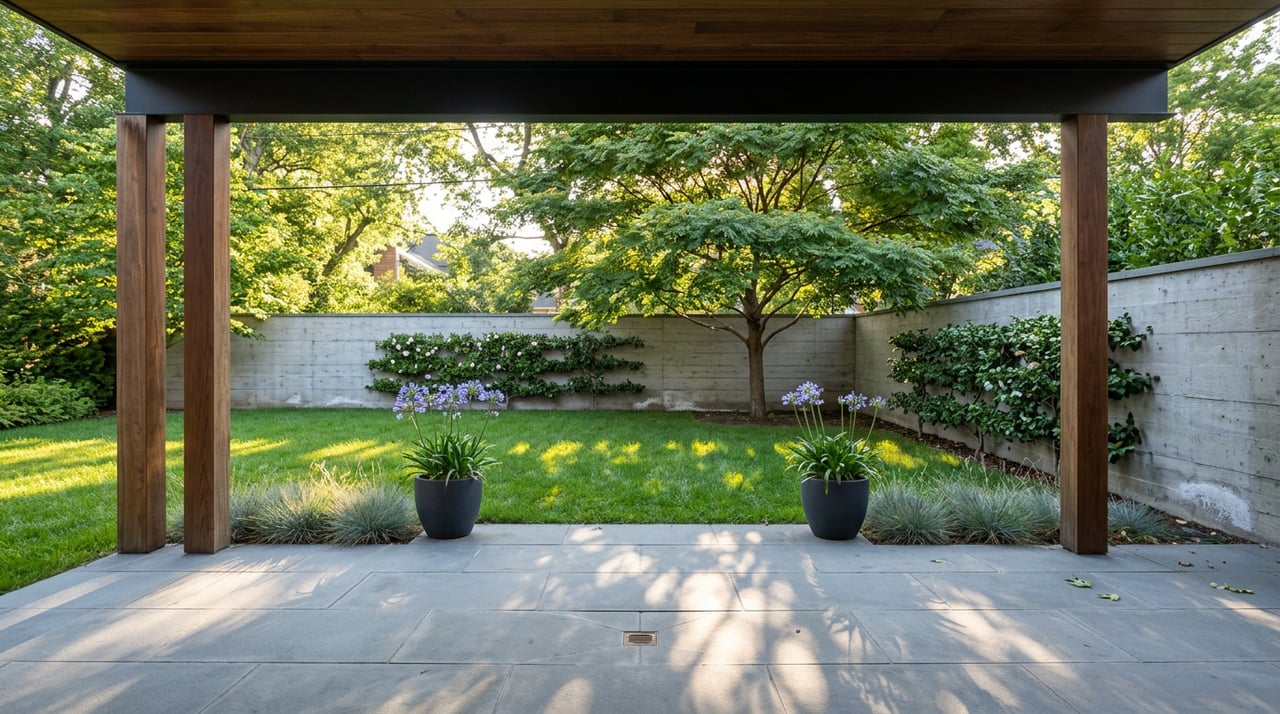
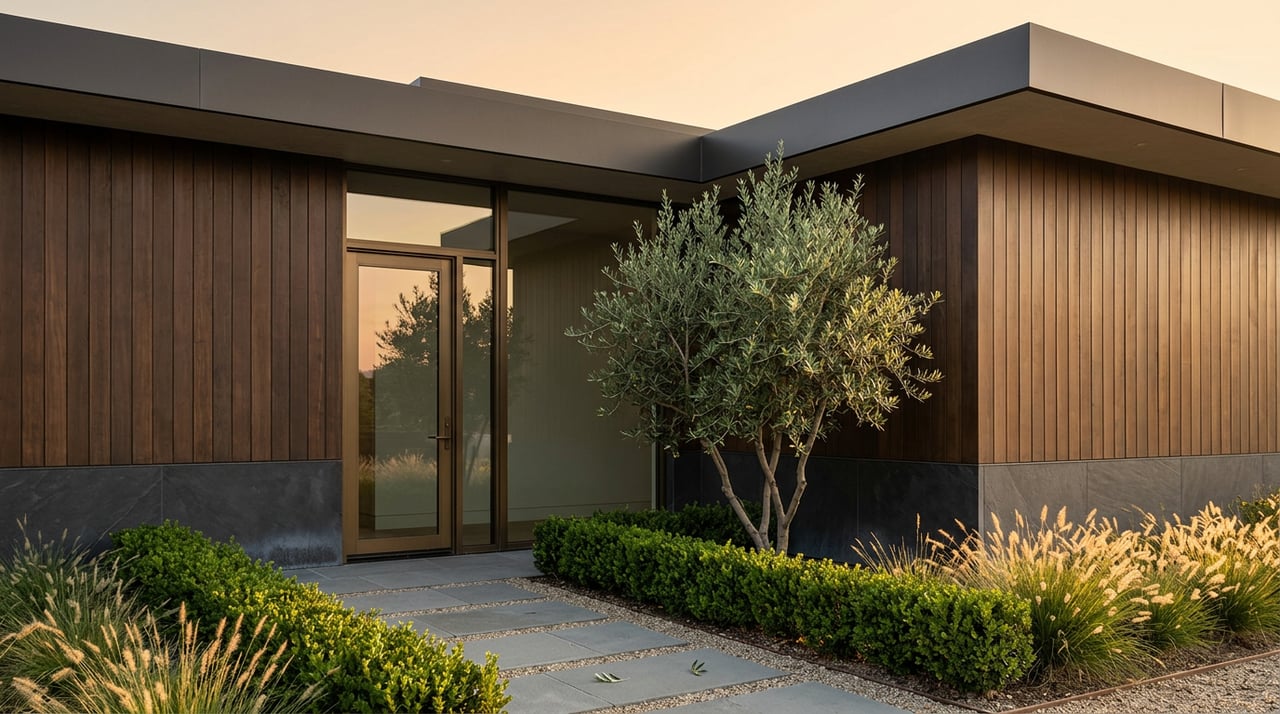
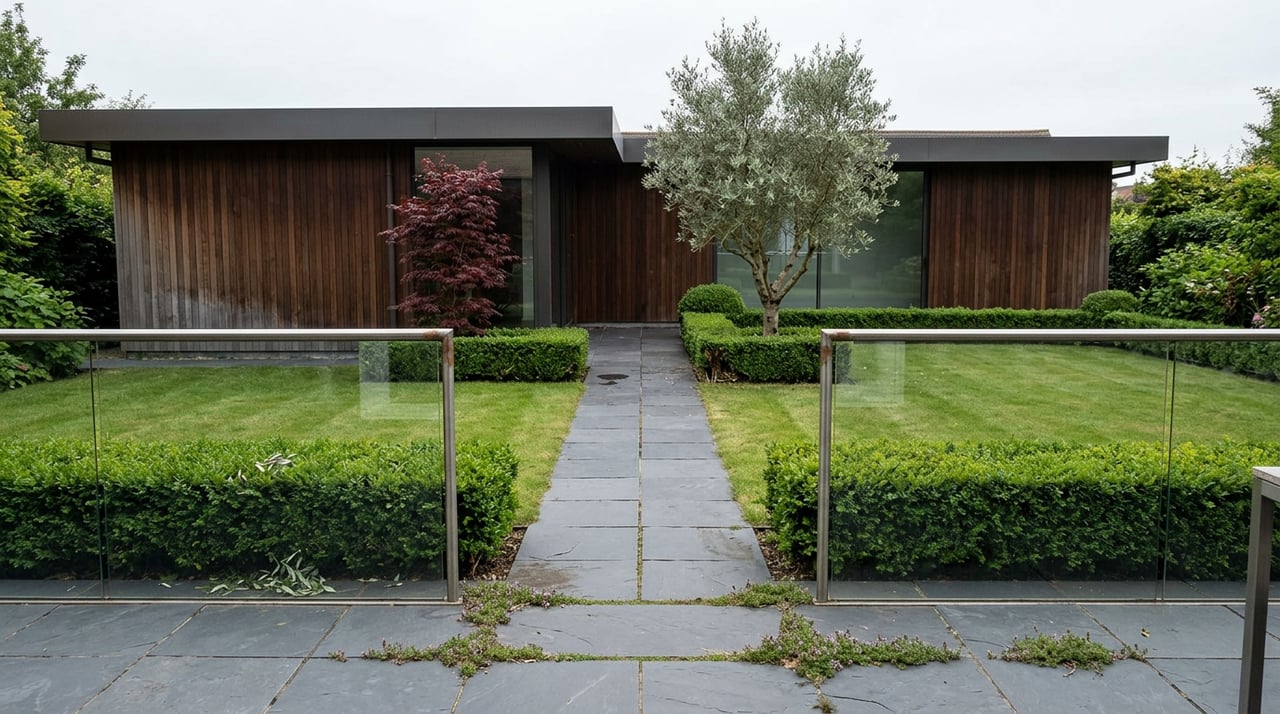
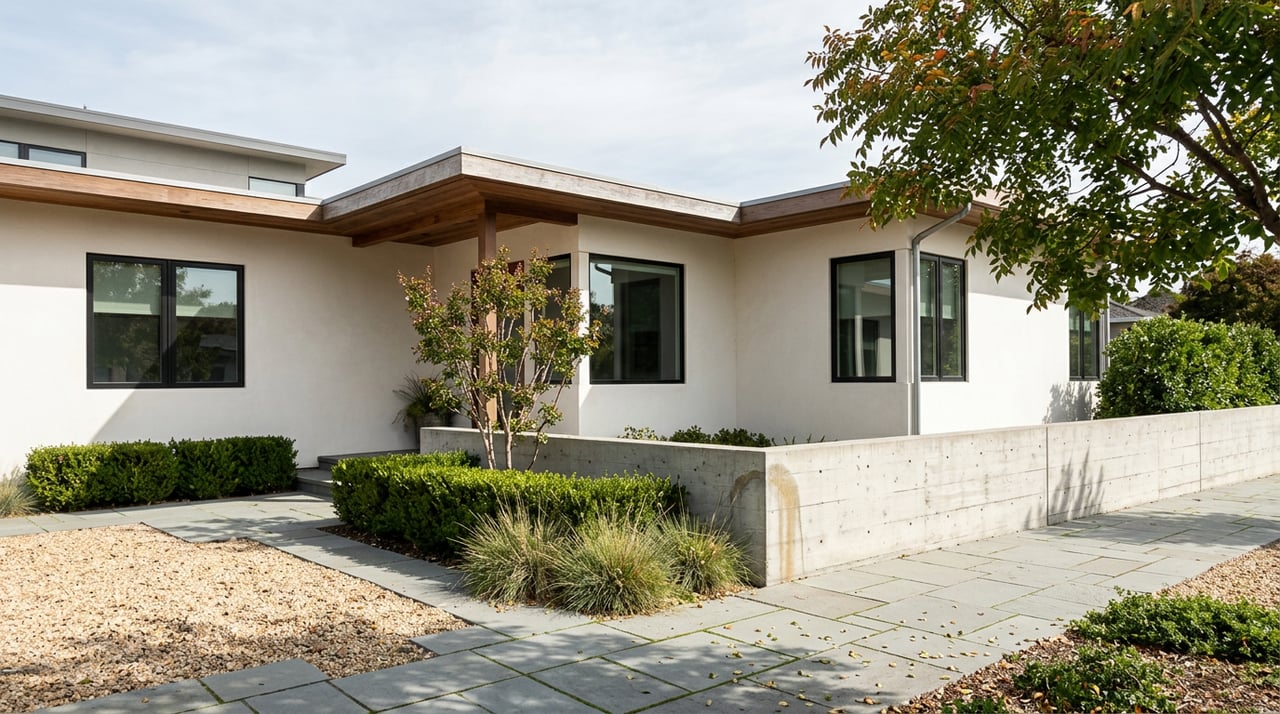
As for what you'll actually be looking at, you will not find condos, townhome complexes, or master-planned communities here. The stock is almost entirely custom single-family homes on sprawling acreage, and they tend to fall into three camps:
Selling in Woodside rewards precision and punishes guesswork, and the local data makes the split stark. Fresh, accurately priced homes ignite immediate interest, frequently commanding bids 4% to 8% over asking and going pending in under two weeks. Launch with an overly ambitious price, however, and the listing goes stale fast. In a thin-inventory market full of discerning buyers, properties that linger and require a relist historically surrender a median of 10% to 15% off their original asking price to finally close. The first impression is, in a very real financial sense, the only one that matters.
Staging expectations match the price point. The buyer pool here expects an emotional, turnkey experience that reflects a sophisticated country lifestyle, which means staging goes far beyond renting some furniture. It's about curating an aspirational narrative. The interior work should highlight scale and flow, emphasizing high ceilings, clean architectural lines, and the seamless transition to outdoor entertaining spaces. The aesthetic has to balance refined luxury against the town's rustic setting, think high-end contemporary art paired with organic textures, warm woods, and neutral palettes. And because acreage is Woodside's primary selling point, the grounds matter as much as the interiors. Pristine landscaping, styled pool pavilions, highlighted equestrian facilities, and immaculate curb appeal are non-negotiable if you want top dollar.
When a home is well-prepared, meticulously staged, and priced compellingly, it tends to find a buyer within 8 to 14 days. Unique custom layouts, properties with complex unpermitted spaces, or homes needing significant modernization can sit much longer, sometimes lingering for months while the right niche buyer is sourced.
Buying here is radically different from buying a standard suburban home, because in Woodside the land carries far more legal, environmental, and structural complexity than the house sitting on top of it. Four things deserve your attention before you remove any contingencies.
Zoning and Total Allowable Floor Area. The town is fiercely committed to preserving open space, and it enforces this through strict zoning districts (SR, RR, SCP, among others) with minimum lot sizes ranging from 0.46 acres up to 3, 5, or even 10 acres. More importantly, there's a strict Total Allowable Floor Area cap. Owning multiple acres does not entitle you to build a sprawling mega-mansion. The main residence is often capped around 4,000 to 5,500 square feet absent complex discretionary exceptions, and detached accessory structures like guest houses or garages are limited to roughly 1,500 square feet. If you plan to expand or remodel, verifying the property's remaining floor-area footprint with the town planning department is mandatory.
Equestrian regulations. If you're buying specifically for horses, you can't simply fence the land and bring in livestock. Woodside requires an annual, non-transferable Stable Permit, and the rules are exacting: a minimum of one acre to keep horses, a cap of two horses per acre, and all stables, pastures, and arenas located on terrain with less than a 20% slope. The town even regulates minimum turnout sizes, shelter dimensions, and dust- and manure-management plans.
Geotechnical and seismic hazards. Geology is a major factor here. Two active fault lines, the San Andreas and the Cañada, run directly through town, and new construction, bedroom additions, or pools often trigger a rigorous Town Geotechnical Review. The Western Hills area also contains highly expansive bedrock and mapped landslide deposits, and properties in a designated Geologic Hazard Zone face strict setbacks, on the order of 50 feet from a known active fault trace and 125 feet from an inferred one.
Wildfire and HOA pockets. Traditional HOAs are rare, but pockets like Woodside Hills maintain their own architectural associations with stricter setback rules. Far more consequential is wildfire readiness. The entire town falls under stringent standards, and buyers should closely review the state-mandated AB 38 defensible-space inspections. Compliance with brush-clearance and home-hardening requirements is increasingly tied to whether you can secure homeowners insurance at all, which has become genuinely difficult and expensive across California's foothills.
Pricing a Woodside estate requires moving well past algorithmic valuations, because no two properties here are truly comparable. Strategy is a blend of hyper-local data and buyer psychology.
The first principle is that the standard comp radius is meaningless. In most markets an agent pulls sales from a one-mile radius and calls it a day. In Woodside, a 3-acre property in flat, equestrian-centric Central Woodside commands an entirely different buyer, utility footprint, and premium than a 3-acre hillside parcel tucked into the forested redwoods of Skyline or Woodside Glens. Real comps have to be adjusted drastically for usable versus gross acreage, since a 5-acre lot where four of those acres sit on an unbuildable 35% slope is worth much closer to a flat 1-acre lot. They have to account for infrastructure as an asset, because custom arenas, barns, or high-yield private wells can add hundreds of thousands in value that never shows up in a square-footage calculation. And they have to weigh permit status, since a home with grandfathered but unpermitted historic spaces must be priced more defensively than a fully permitted, turnkey asset.
The second principle is the turnkey premium, and it's significant. Today's Silicon Valley luxury buyer is frequently cash-rich but time-poor, and deeply averse to San Mateo County's slow, multi-year permitting and construction pipelines. A home that is flawlessly staged, freshly updated, and cleared of geotechnical or septic question marks can be priced aggressively at the top of the market, because buyers will actively compete to avoid a renovation. A home that needs work, on the other hand, has to be discounted sharply below its raw asset value to account for the headache of local development.
The third principle is the danger of the 14-day window. There's a constant temptation in this bracket to price high and assume a wealthy buyer will simply make an offer if they fall in love. In Woodside, that backfires. The buyer pool is small, sophisticated, and closely advised by top-tier agents. A home receives maximum attention in its first 14 days. Priced accurately, it creates scarcity and often triggers multiple offers. Priced too high, the market collectively ignores it, and once a listing crosses the 30-day mark it carries a stigma that's hard to shake. Homes here that ultimately require a reduction sell for a median of 10% to 15% below their original ask. Launching sharp is almost always the most profitable move.
Winning in Woodside is an exercise in financial transparency and emotional intelligence. Sellers at this level are rarely looking only at the top-line number; they want transaction certainty and a clean, seamless exit. A winning offer tends to rest on three pillars.
The first is a fully underwritten file. If you're using a jumbo loan, a standard pre-approval letter won't hold up against serious competition. The buyers who win work with premier wealth-management lenders to get their files underwritten through credit in advance, leaving only the appraisal or structural sign-off outstanding. The second is clean proof of capital. Cash is king, but the source matters, and sellers expect consolidated proof of liquid funds or verified lines of credit. If your capital is tied up in stock options or private equity, you'll need a structured plan showing exactly how and when those assets liquidate. The third is a willingness to go non-contingent, which on coveted properties often means conducting all inspections, structural evaluations, and title searches during the brief disclosure-review window, before the offer deadline.
A word on escalation clauses: they're common in suburban Bay Area markets, but high-end Woodside listing agents tend to view them with skepticism. At the estate level, deals are too customized for a simple mathematical formula to work. One competing offer might be lower but all cash with a 7-day close, while another is higher but tied to a 30-day jumbo loan. Because the terms vary so wildly, listing agents generally prefer a "highest and best" approach, or they'll counter the top two buyers directly to see who will step up on both price and structure.
Finally, don't underestimate the human element. Many Woodside estates have been held by the same family for decades and carry real emotional weight. A thoughtful, respectful cover letter, explaining who you are, what you appreciate about the land's heritage, and how you intend to steward it, can be a genuine tiebreaker when the financial terms are neck and neck.
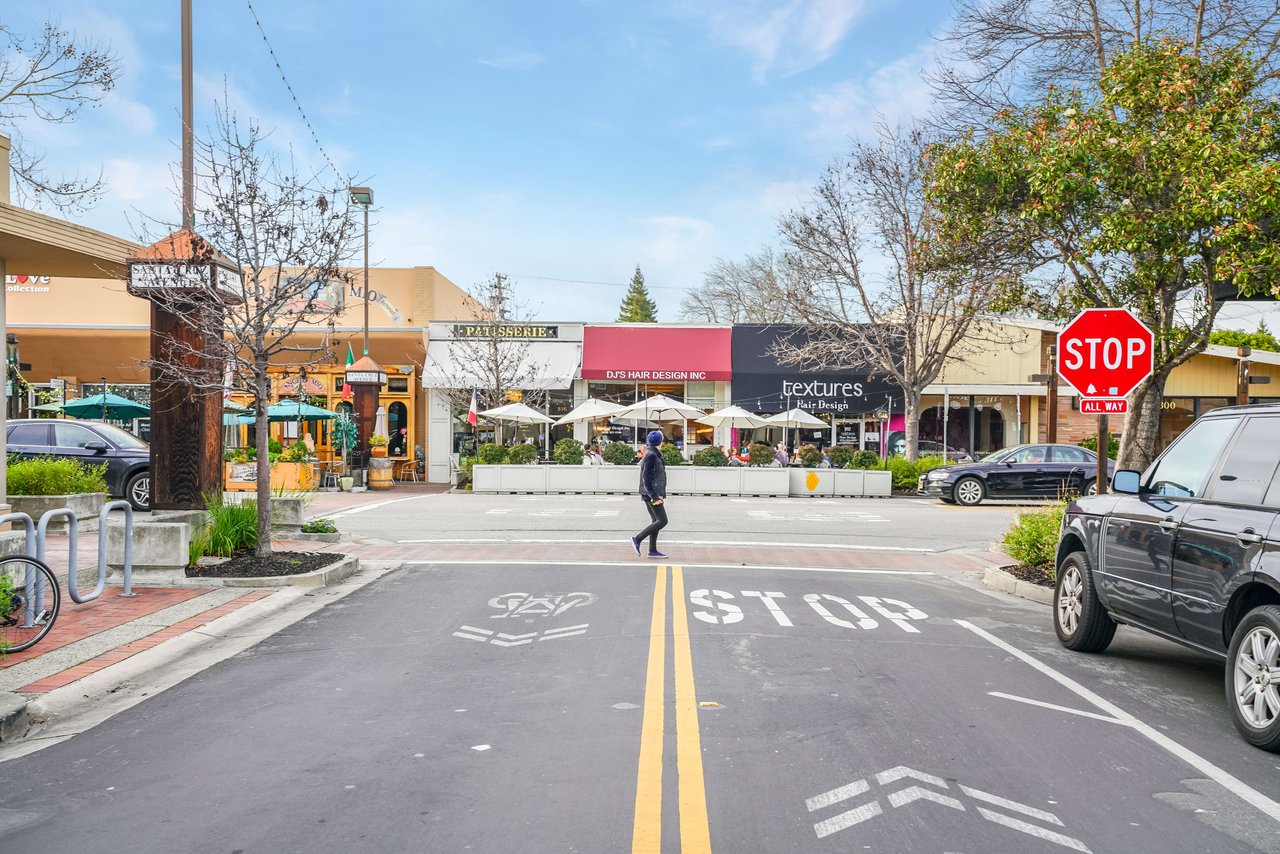
Woodside trades urban density for privacy, and the result is a place where daily life depends almost entirely on a vehicle. Its Walk Score typically hovers somewhere between 10 and 20, which tells you most of what you need to know: there are no sidewalks, no streetlights, and no commercial strips threading through the residential zones. The one exception is the Town Center, often called the Village. If you live in the immediate flats around Woodside Road and Mountain Home Road, you can comfortably walk to a handful of local institutions, Robert's Market, the historic Pioneer Hotel, the Woodside Bakery, and Buck's. Everywhere else, "walking" means hitting the dirt equestrian trails, not strolling out for a latte.
The town is, however, a global mecca for recreational cycling. Roads like Kings Mountain, Old La Honda, and Skyline Boulevard see serious cyclists every day of the week, and local drivers are well accustomed to sharing them. That said, these roads are narrow, mountainous, and often bordered by deep ditches and redwood canopy, so cycling here is overwhelmingly about sport and fitness rather than a practical work commute.
Where Woodside genuinely shines is its strategic position relative to Silicon Valley. It sits directly off Interstate 280, a faster and far less congested corridor than Highway 101 on the east side of the Peninsula.
| Destination | Distance | Typical Commute (Peak) |
|---|---|---|
| Sand Hill Road (VC hub) | ~3–5 miles | 10–15 min |
| Stanford / Palo Alto | ~7–9 miles | 15–25 min |
| Menlo Park (Meta HQ) | ~8–10 miles | 20–30 min |
| Mountain View (Googleplex) | ~15 miles | 25–35 min |
| Cupertino (Apple Park) | ~20 miles | 30–40 min |
| San Francisco | ~30 miles | 45–60 min |
Public transit inside the town borders is effectively nonexistent, since SamTrans buses rarely venture into the winding canyons. For regional rail, the Redwood City and Menlo Park Caltrain stations are each a manageable 10-to-15-minute drive away. And while Google, Apple, and Meta all run private commuter shuttles across the Bay Area, none of them navigate Woodside's narrow roads directly; residents typically drive out to designated park-and-ride stops along I-280 or El Camino Real.
For family buyers, schools are one of the strongest drivers of property value in Woodside, and the local system is unusual in a way that works heavily in residents' favor. The district operates on a "basic aid" model, meaning it's funded directly by the town's substantial property-tax base rather than by state enrollment formulas. The result is exceptional per-pupil funding, premier facilities, and resources that rival elite private academies.
Most of the town is served by the Woodside Elementary School District, which is distinctive for containing exactly one campus: Woodside Elementary School, serving TK through 8th grade. With roughly 400 students total, it functions much like a tight-knit private academy, featuring a striking 11:1 student-to-teacher ratio, manicured grounds, innovative design labs, and a parent foundation that contributes millions in supplemental funding each year. It ranks comfortably in the top 5% of California public schools and consistently earns an A+ overall rating on Niche, with math and reading proficiency routinely double the state averages. Depending on exact micro-neighborhood borders, small pockets of town fall into neighboring tier-one districts like Las Lomitas or Portola Valley, both carrying matching A+ accolades.
For high school, students matriculate into the Sequoia Union High School District, primarily attending Woodside High School. Located just outside the town border, it's a dynamic comprehensive public school known for its rigorous AP Capstone program, strong STEM facilities, and broad athletics, and it consistently sends graduates on to Ivy League and top-tier UC institutions. Many families also opt for the area's prestigious independents, including the Woodside Priory School in neighboring Portola Valley (a co-educational Benedictine college prep, grades 6–12, with optional boarding), as well as Sacred Heart Schools and Menlo School, both in nearby Atherton.
Woodside is essentially a nature preserve punctuated by luxury estates, with green space woven directly into the town's charter. Residents enjoy backyard access to thousands of acres of protected wilderness. Wunderlich Park, a 942-acre county park in the foothills, is a crown jewel of the trail system, closed to motorized vehicles and laced with shaded trails through redwood groves and open meadows built for hikers and equestrians; it's also home to the historic Folger Stable. Higher up the western slope, Huddart Park offers 900 acres of dense forest, picnic areas, and steep ravine trails that connect into regional networks. Threading through the residential neighborhoods themselves is an intricate, dedicated network of public horse trails, letting riders travel from private barns straight into the parks without ever loading a trailer. And up at the crest, preserves like El Corte de Madera Creek deliver panoramic views to the Pacific alongside world-renowned terrain for mountain biking and hiking.
Woodside's social scene is itself a lifestyle signal: understated, private, and entirely free of flash. There are no neon signs or trendy cocktail lounges. Instead, the dining landscape works like a quiet extension of the town's living rooms, intimate spaces where the local elite gather to talk deals, unwind after a trail ride, or open a bottle from a private collection.
A few institutions anchor the community. Buck's of Woodside is a genuine Silicon Valley artifact, eccentric in its decor and classic in its menu, but historically the birthplace of countless tech IPOs and venture funds, where founders in hoodies share counter space with ranchers over pancakes. For culinary refinement, locals turn to The Village Pub, which holds a long-standing Michelin distinction, an extraordinary wine list running to thousands of labels, and a farm-to-table menu sourced from its own partner ranch in the hills. And high on Skyline Boulevard, surrounded by coastal redwoods, The Mountain House offers a rustic, lodge-like setting and seasonal California cuisine that draws weekend drivers and cyclists looking for a post-ride reward.
Nightlife, such as it is, ends early and moves indoors. When the sun goes down, the action shifts to private estates, wine tastings in personal vineyards, catered backyard galas, and dinner parties behind closed gates. For a higher-energy evening, residents simply drive fifteen minutes down the hill to Palo Alto or Menlo Park.
If you're considering buying or selling in Woodside, the single most valuable thing you can have is someone who understands the land as well as the market. Tim Proschold, CEO and Managing Broker of Luxuriant Realty in Menlo Park, brings a perspective that's genuinely rare in this town: he's both a licensed California Real Estate Broker and a licensed California Civil Engineer.
Before selling and developing real estate, he worked in structural design and construction management, which means he tends to catch the geotechnical, permitting, and structural issues that matter so much in Woodside and that other agents often miss entirely.
For sellers, he handles the entire process from the moment the listing agreement is signed, including pre-sale preparation, staging, and marketing built around high dynamic range photography, videography, and 3D tours to reach the broadest possible audience. You can reach Tim directly at [email protected] or (650) 200-5943, or visit the office at 885 Oak Grove Ave, Ste 302, Menlo Park, CA 94025 (License #01458118). Whether you're trying to surface an off-market estate or position your property to command top dollar, it's worth starting the conversation with someone who reads both the market and the land.
There's plenty to do around Woodside, including shopping, dining, nightlife, parks, and more. Data provided by Walk Score and Yelp.
Explore popular things to do in the area, including Amran Hussaian, Calla, and Canada College Bookstore.
| Name | Category | Distance | Reviews |
Ratings by
Yelp
|
|---|---|---|---|---|
| Dining | 0.6 miles | 0 reviews | 0/5 stars | |
| Shopping | 0.58 miles | 0 reviews | 0/5 stars | |
| Shopping | 1.79 miles | 1 review | 1/5 stars | |
| Active | 0.37 miles | 0 reviews | 0/5 stars | |
| Active | 0.6 miles | 0 reviews | 0/5 stars | |
| Active | 0.6 miles | 0 reviews | 0/5 stars | |
| Active | 1.75 miles | 0 reviews | 0/5 stars | |
| Active | 1.75 miles | 0 reviews | 0/5 stars | |
| Active | 1.8 miles | 0 reviews | 0/5 stars | |
| Active | 1.82 miles | 0 reviews | 0/5 stars | |
| Beauty | 0.59 miles | 1 review | 5/5 stars | |
| Beauty | 1.8 miles | 1 review | 5/5 stars | |
| Beauty | 1.8 miles | 0 reviews | 0/5 stars | |
| Beauty | 2.28 miles | 1 review | 5/5 stars | |
|
|
||||
|
|
||||
|
|
||||
|
|
||||
|
|
||||
|
|
Woodside has 1,745 households, with an average household size of 2.97. Data provided by the U.S. Census Bureau. Here’s what the people living in Woodside do for work — and how long it takes them to get there. Data provided by the U.S. Census Bureau. 5,181 people call Woodside home. The population density is 452 and the largest age group is Data provided by the U.S. Census Bureau.
Total Population
Population Density Population Density This is the number of people per square mile in a neighborhood.
Median Age
Men vs Women
Population by Age Group
0-9 Years
10-17 Years
18-24 Years
25-64 Years
65-74 Years
75+ Years
Education Level
Total Households
Average Household Size
Average individual Income
Households with Children
With Children:
Without Children:
Marital Status
Blue vs White Collar Workers
Blue Collar:
White Collar:
September 24, 2026
July 23, 2026
September 17, 2026
September 17, 2026
September 10, 2026
September 10, 2026
September 10, 2026
September 3, 2026
May 21, 2026
December 4, 2025
August 27, 2026
August 27, 2026
August 20, 2026
July 16, 2026
Property Management
June 23, 2026
A Palo Alto landlord's guide to AB 1482 rent caps, just-cause eviction, security deposit limits
March 26, 2026
January 1, 2026
January 22, 2026
Tim Proschold | October 6, 2025
August 13, 2026
August 13, 2026
July 16, 2026
August 6, 2026
July 16, 2026
June 25, 2026
July 23, 2026
July 16, 2026
Property Management
June 23, 2026
Menlo Park property management guide for owners
July 9, 2026
July 2, 2026
April 2, 2026
June 18, 2026
June 11, 2026
June 4, 2026
April 16, 2026
May 28, 2026
February 19, 2026
May 14, 2026
May 7, 2026
March 26, 2026
March 24, 2026
April 23, 2026
March 5, 2026
April 9, 2026
Market Trends
Tim Proschold | July 9, 2024
Prices and Market Action for the Santa Clara Real Estate Market Past 3 Years
January 8, 2026
March 26, 2026
January 15, 2026
March 12, 2026
February 26, 2026
February 5, 2026
February 12, 2026
December 4, 2025
November 27, 2025
December 25, 2025
Market Trends
Tim Proschold | July 10, 2024
Prices and Market Action for the Los Altos Real Estate Market Past 3 Years
December 18, 2025
Lifestyle
September 25, 2025
Essential Smart Home Gadgets for Los Altos Living

December 11, 2025
November 14, 2025
November 21, 2025
Market Trends
Tim Proschold | June 13, 2024
Prices and Market Action for the Menlo Park Real Estate Market through May 2024
Market Trends
Tim Proschold | October 2, 2025
Prices and Market Action for the Menlo Park Real Estate Market Past 3 Years
November 27, 2025

October 30, 2025

Tim Proschold | October 30, 2025

November 5, 2025
May 5, 2023
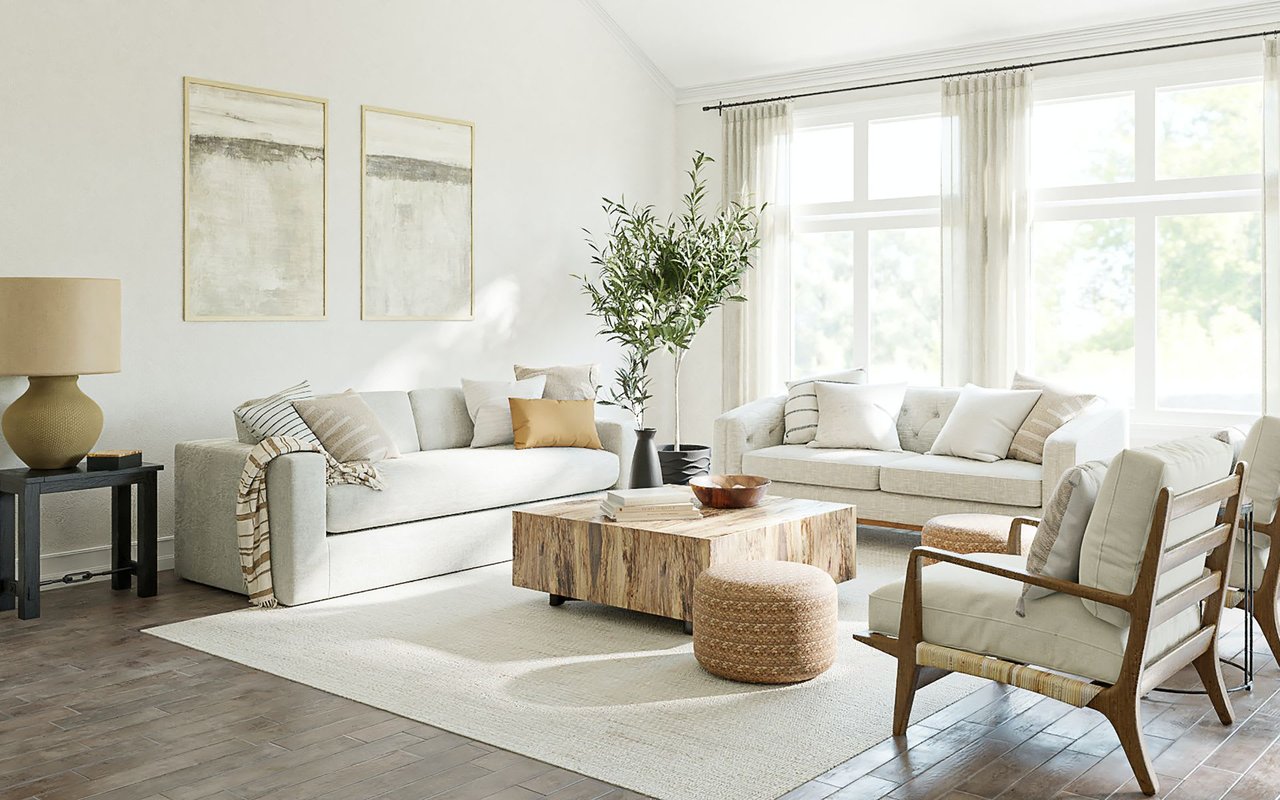
Real estate has long been considered a reliable and lucrative investment for wealth preservation.
February 2, 2023
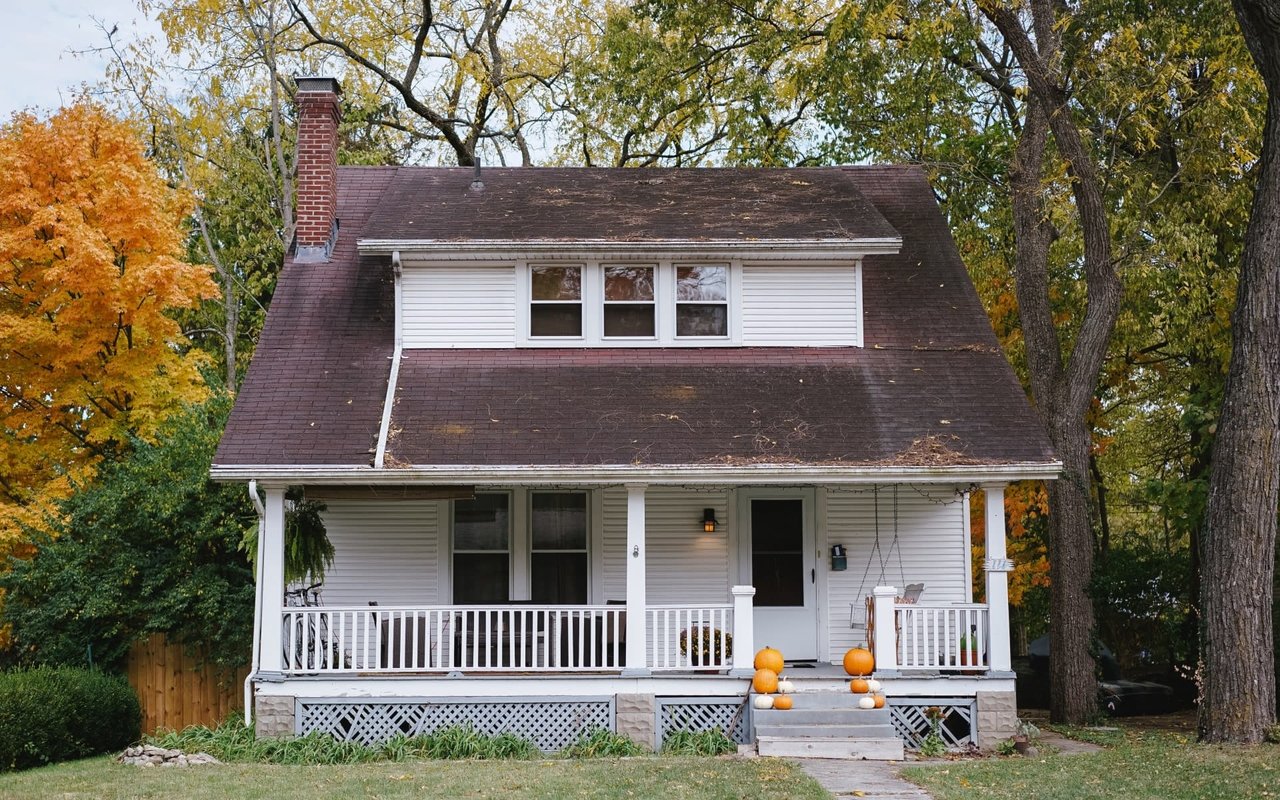
You need to work with a knowledgeable and experienced real estate professional who can guide you through the process.
May 22, 2023
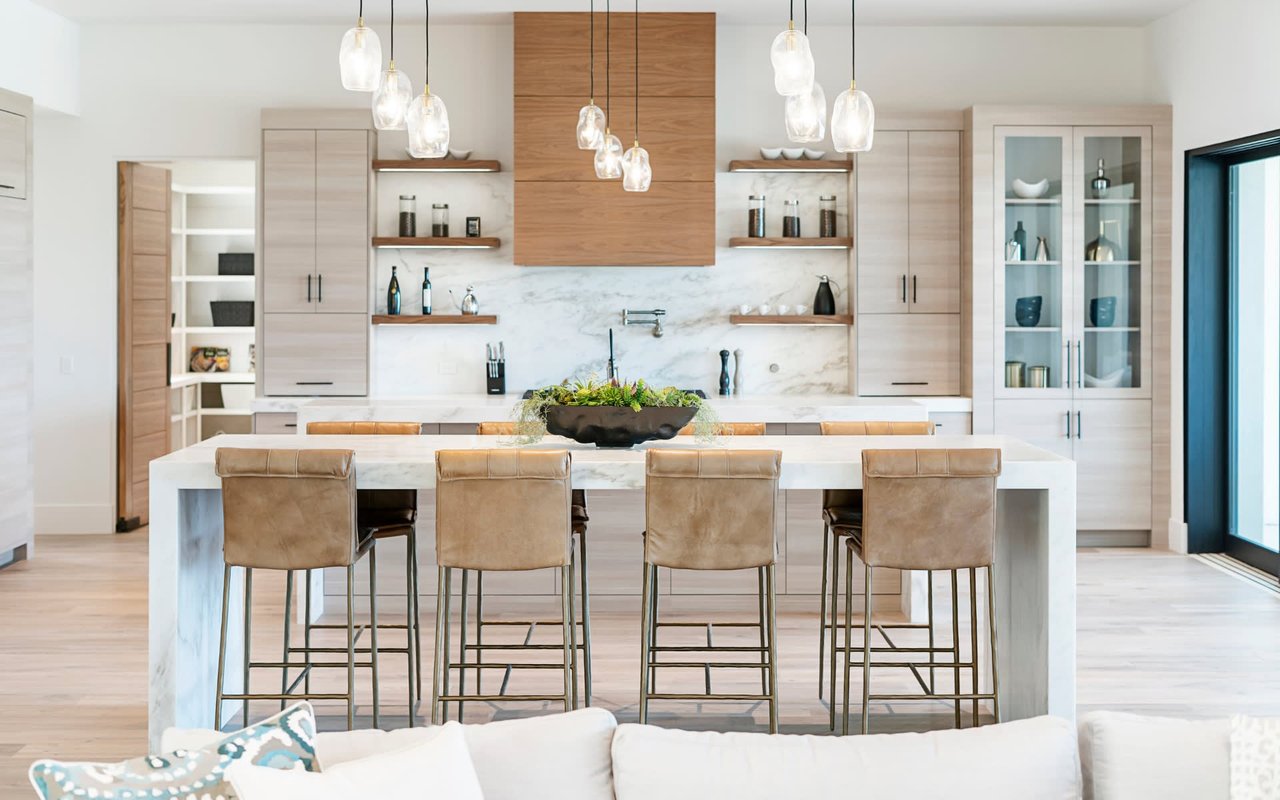
While it is improbable that the United States government would ever default on its debt.

April 17, 2023
As we grow older, the importance of financial security and well-being takes on greater significance.

November 6, 2025
October 23, 2025
Market Trends
Tim Proschold | October 23, 2025
Prices and Market Action for the Los Gatos Real Estate Market Past 3 Years
Market Trends
Tim Proschold | October 16, 2025
Prices and Market Action for the Mountain View Real Estate Market Past 3 Years
October 16, 2025
Market Trends
Tim Proschold | September 25, 2025
Prices and Market Action for the San Carlos Real Estate Market Past 3 Years
Real Estate
September 25, 2025
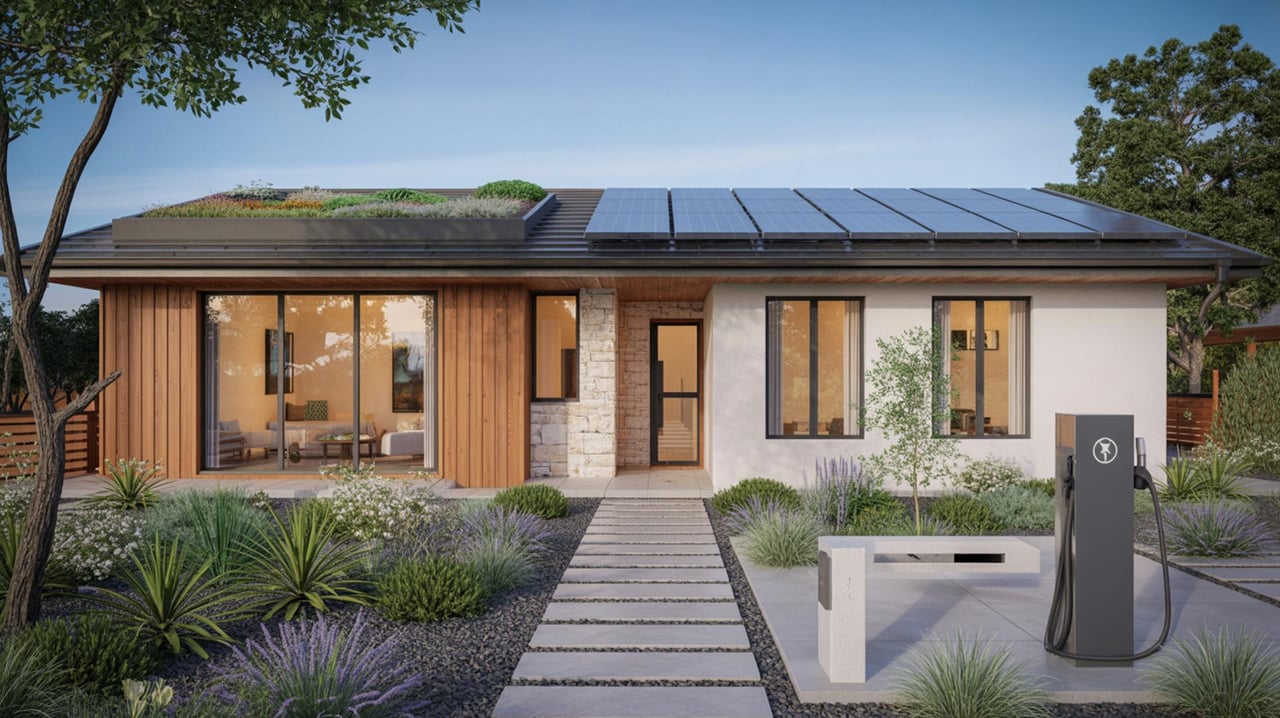
Enhance Your Home's Worth with Sustainable Solutions in Los Altos
October 27, 2023
Real estate statistics are often touted as a reliable indicator of the health and growth of a local market.
November 7, 2023
It's essential to consider your financial objectives, tax implications, and personal circumstances when making a decision.
Market Trends
Tim Proschold | September 18, 2025
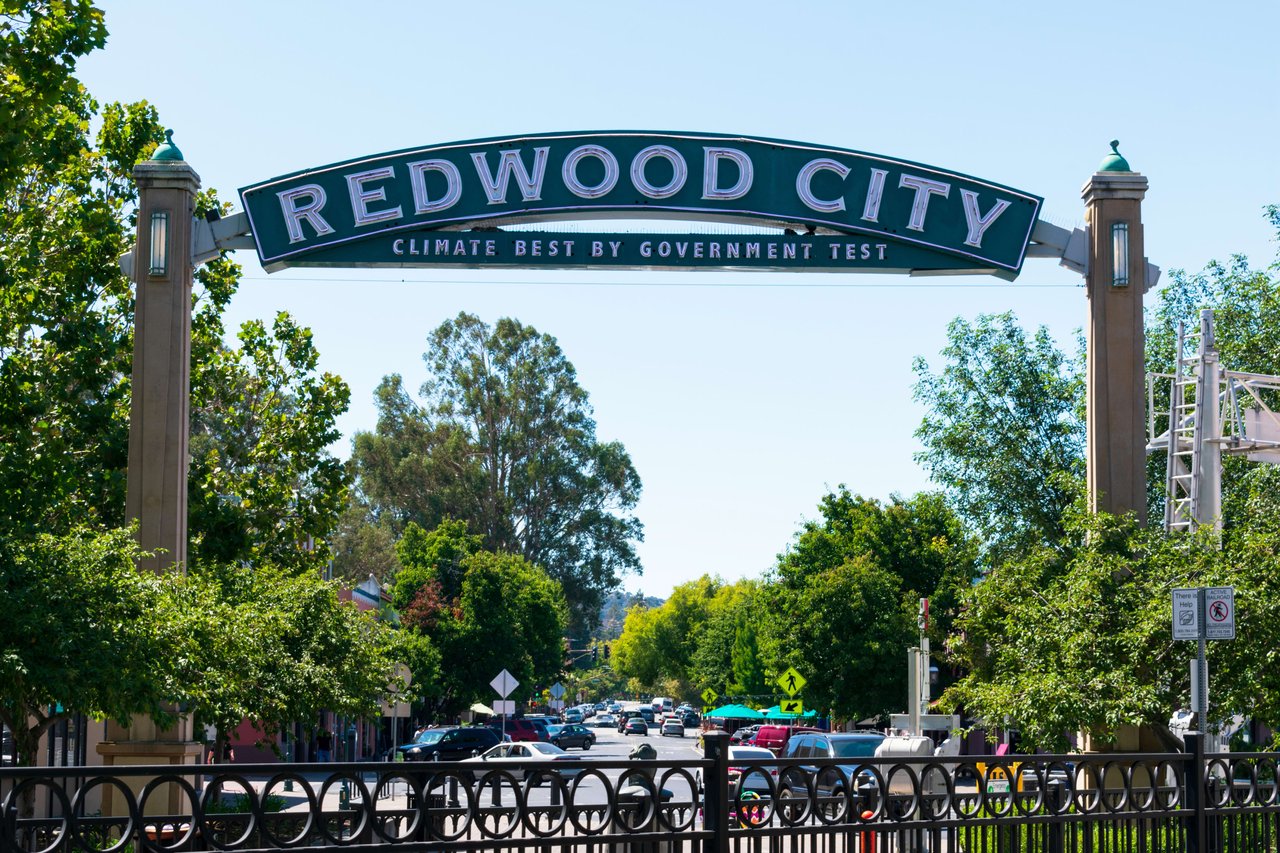
Prices and Market Action for the Redwood City Real Estate Market Past 3 Years
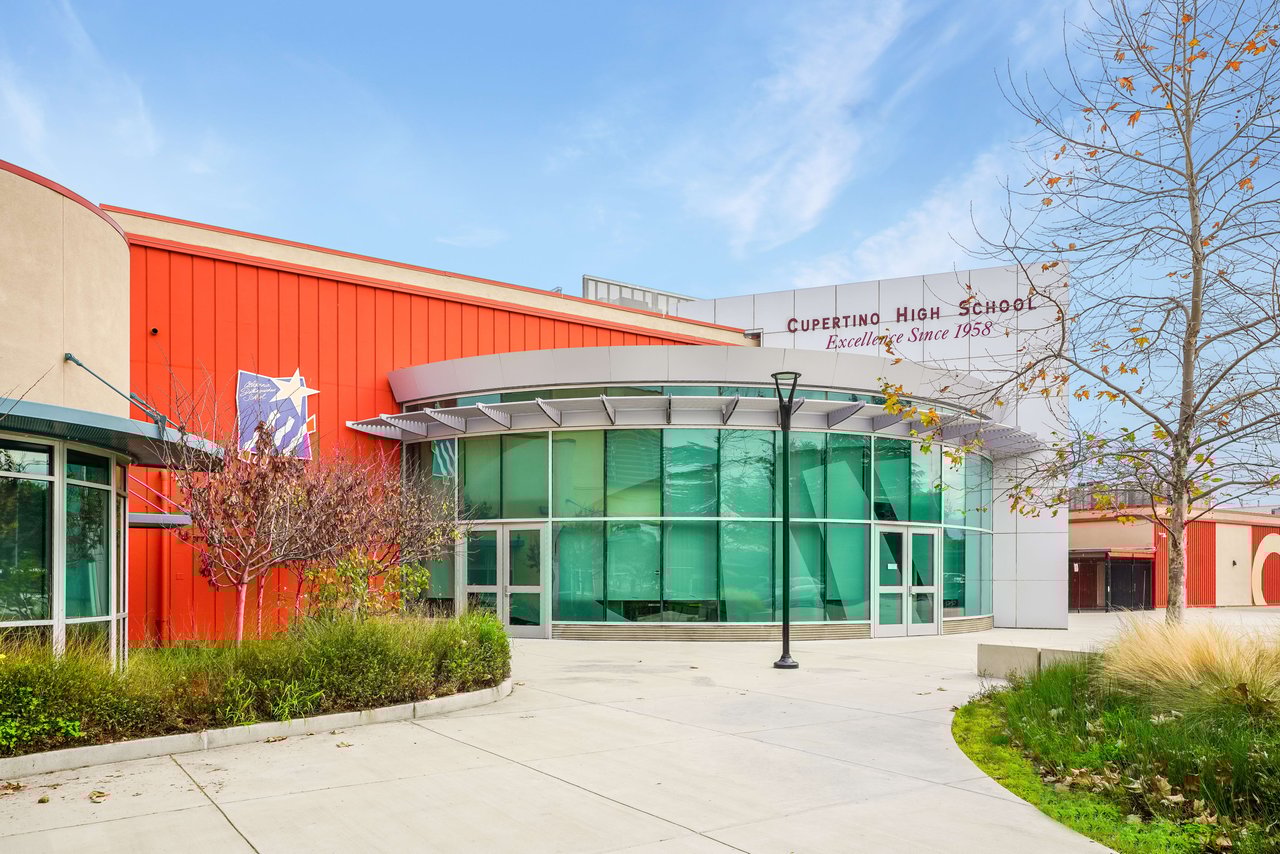
Market Trends
Tim Proschold | September 11, 2025
Prices and Market Action for the Cupertino Real Estate Market Past 3 Years
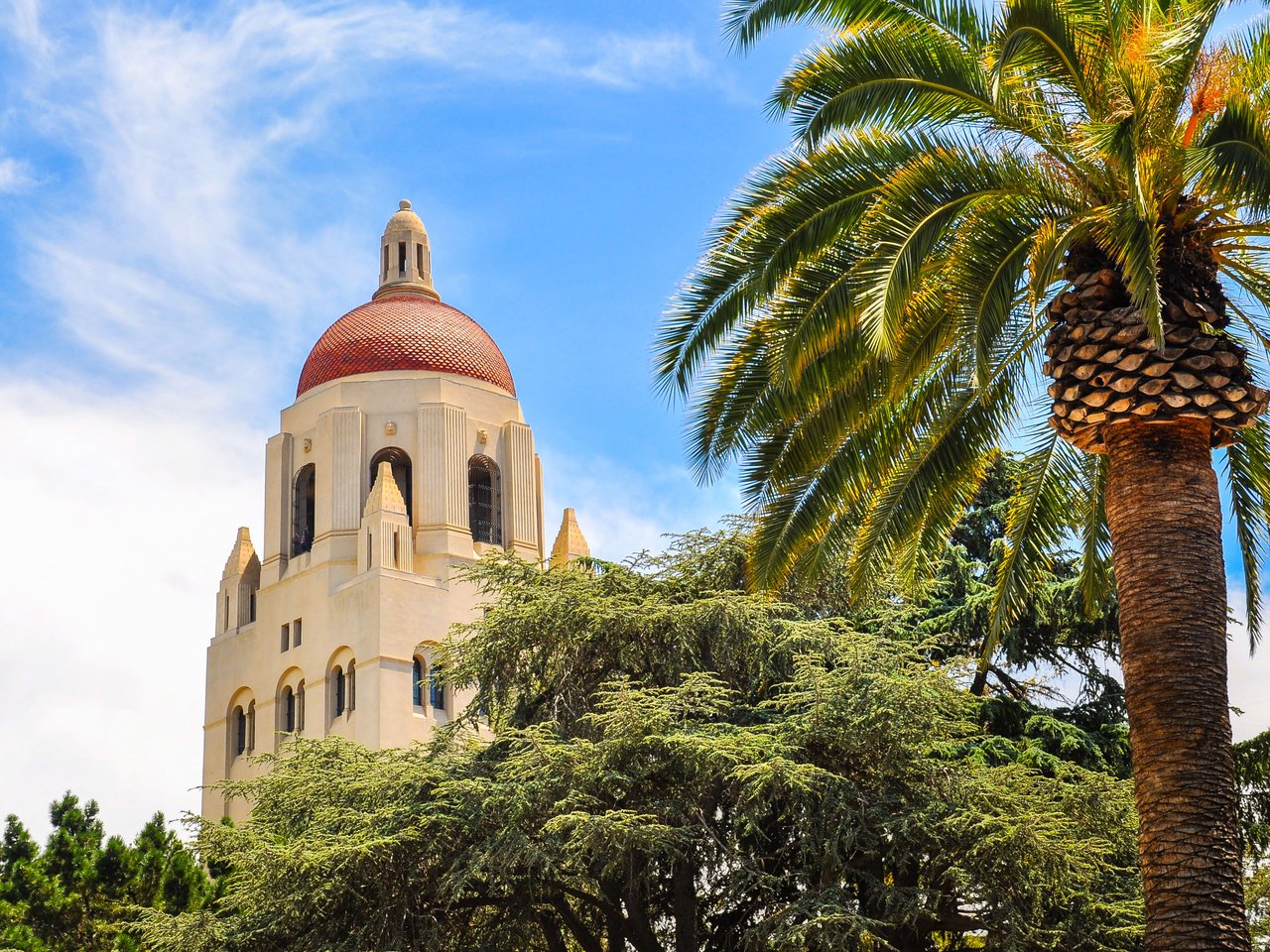
Market Trends
Tim Proschold | September 4, 2025
Prices and Market Action for the Palo Alto Real Estate Market Past 3 Years
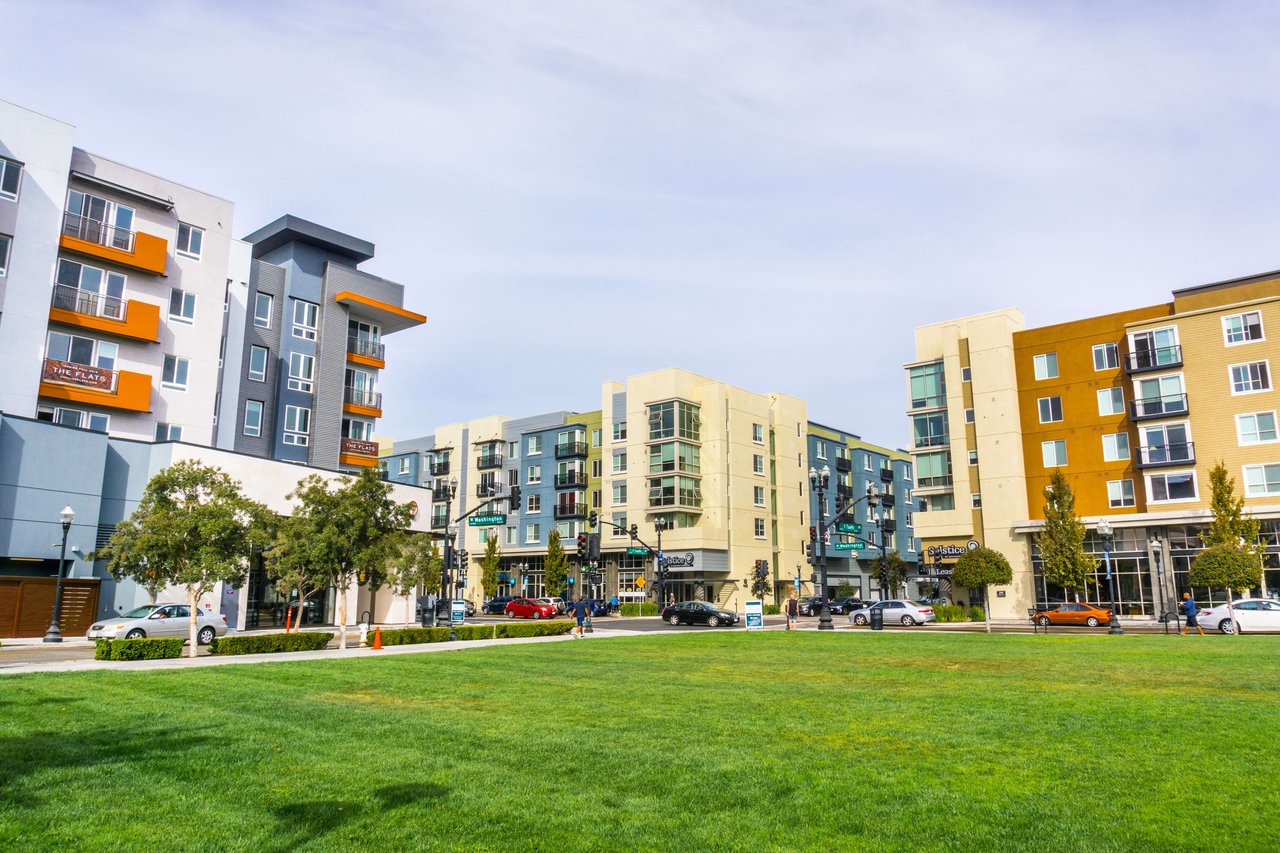
Market Trends
Tim Proschold | July 9, 2024
Prices and Market Action for the Sunnyvale Real Estate Market Past 3 Years
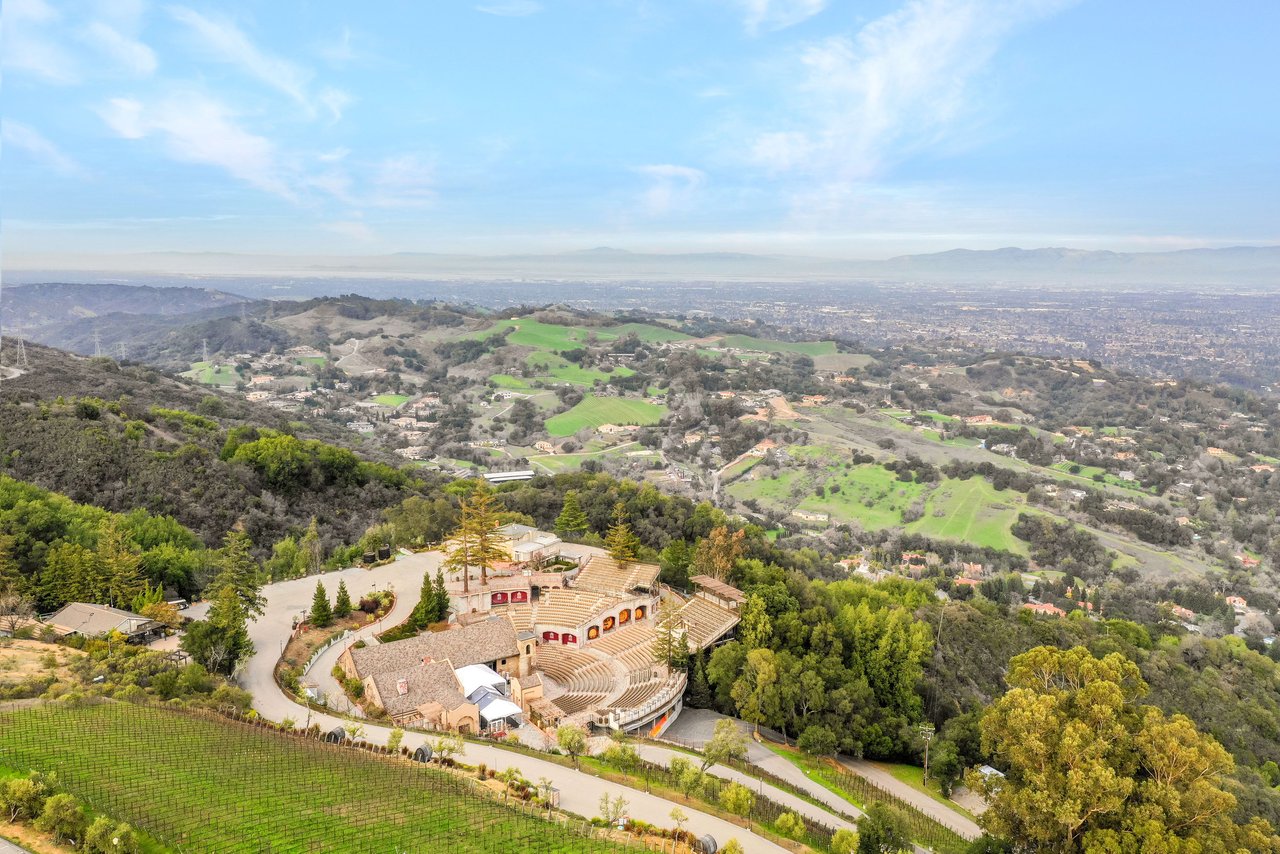
Market Trends
Tim Proschold | July 9, 2024
Prices and Market Action for the Saratoga Real Estate Market Past 3 Years
Market Trends
Tim Proschold | July 9, 2024
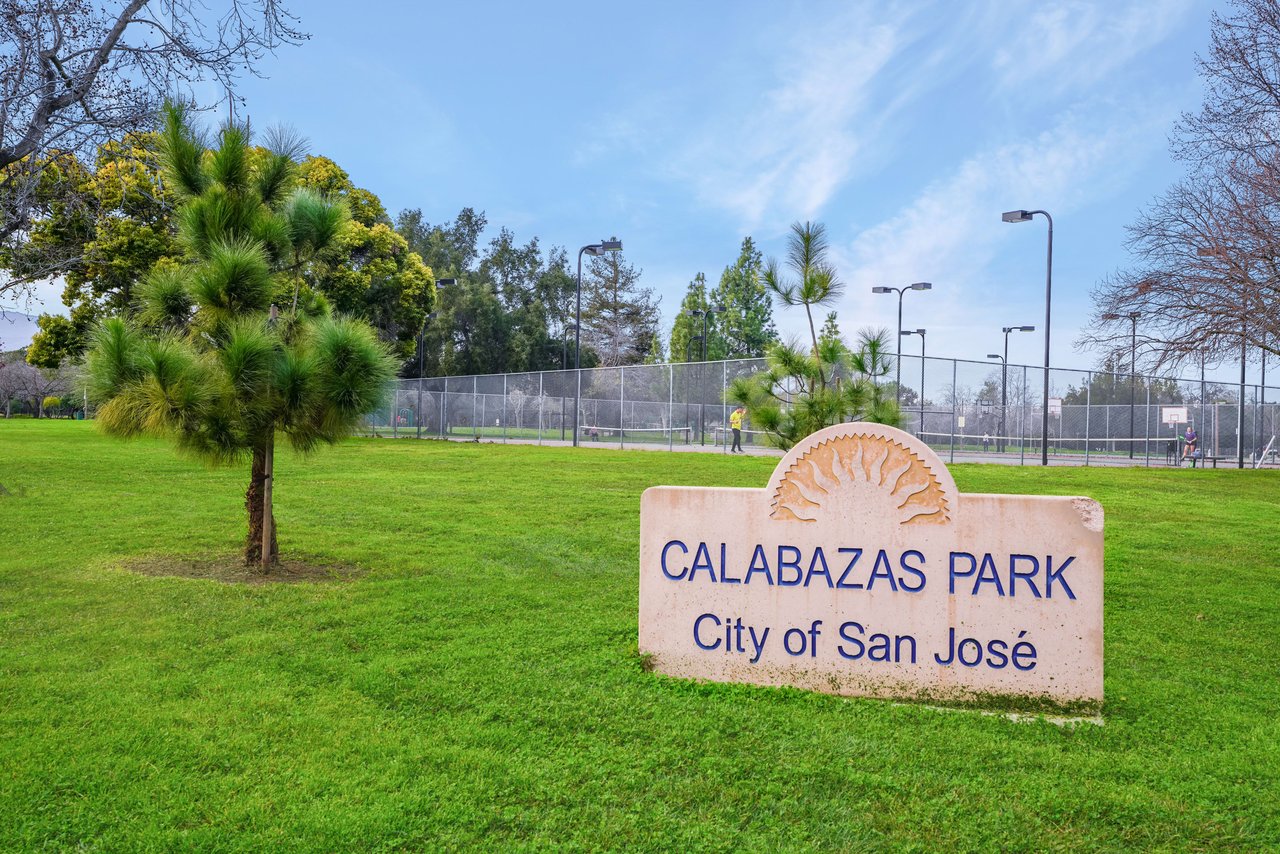
Prices and Market Action for the San Jose Real Estate Market Past 3 Years
Market Trends
Tim Proschold | July 9, 2024
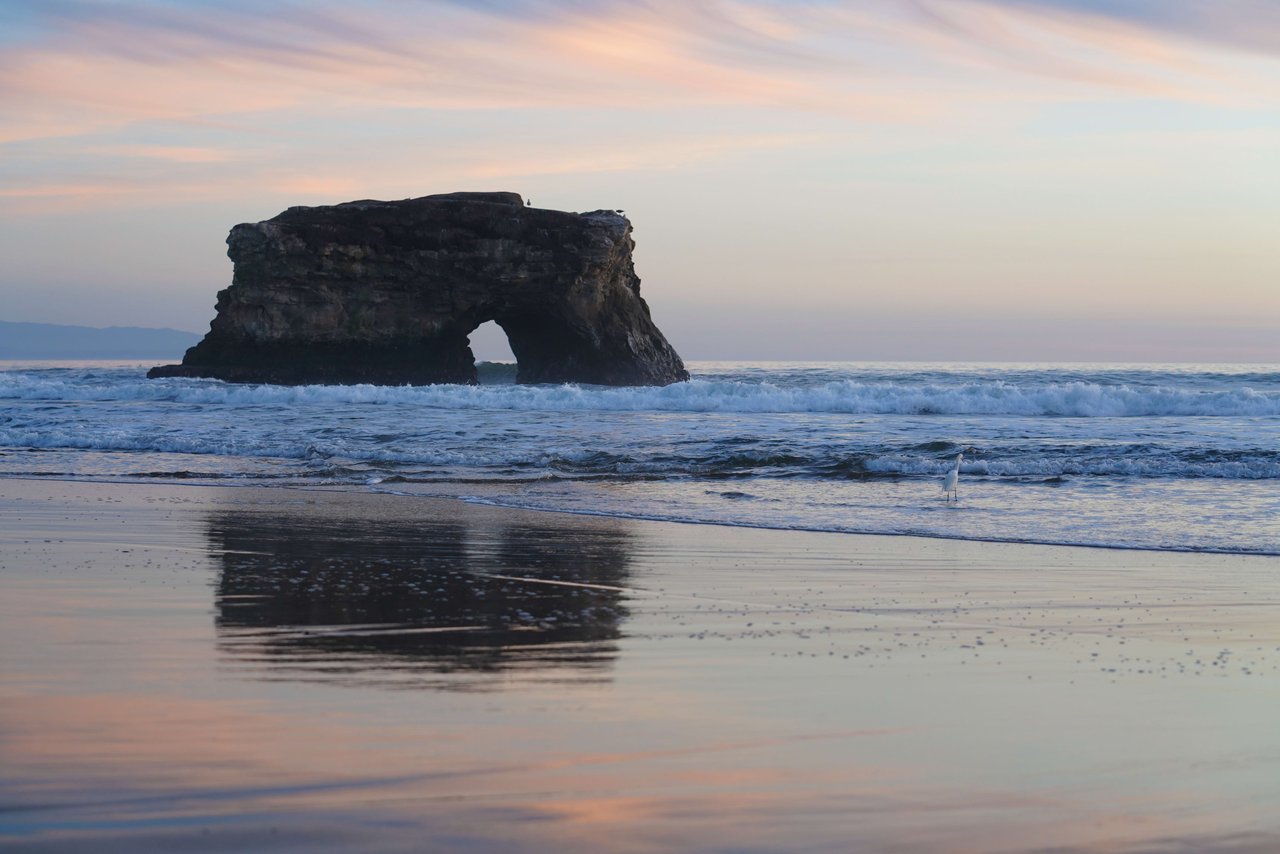
Prices and Market Action for the Santa Cruz County Real Estate Market Past 3 Years
Market Trends
Tim Proschold | July 9, 2024
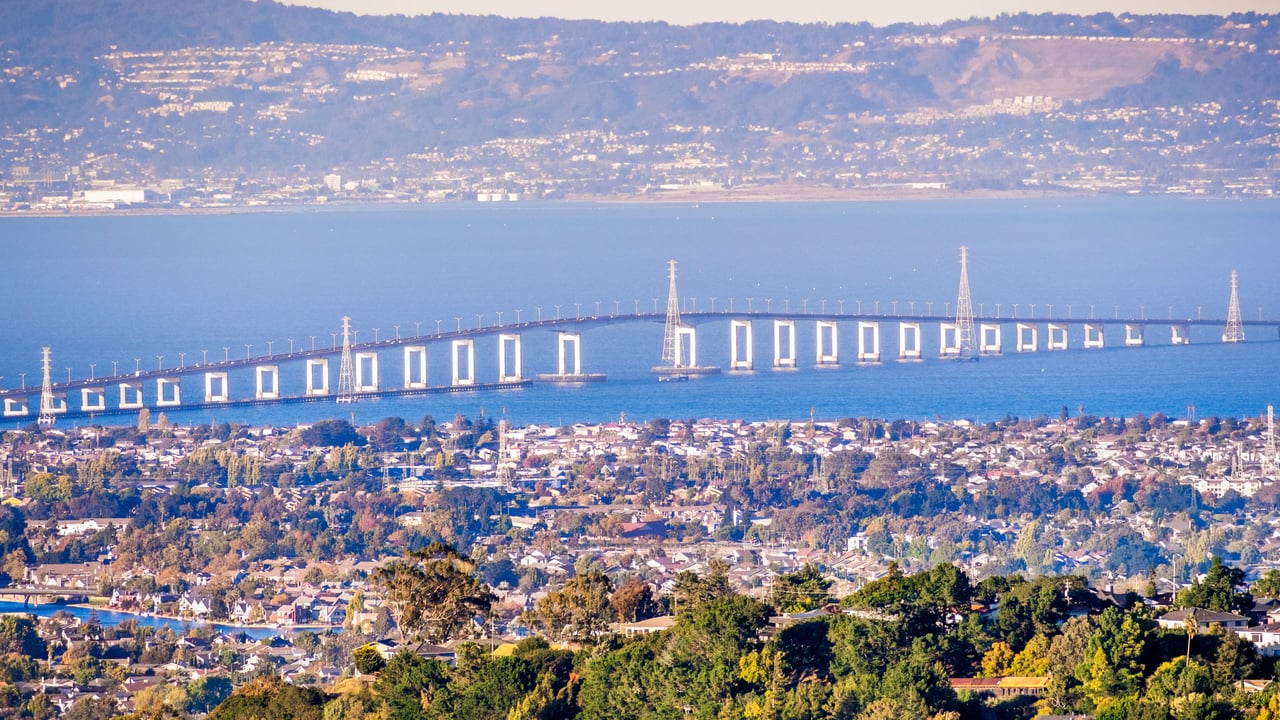
Prices and Market Action for the San Mateo County Real Estate Market Past 3 Years
Market Trends
Tim Proschold | July 9, 2024
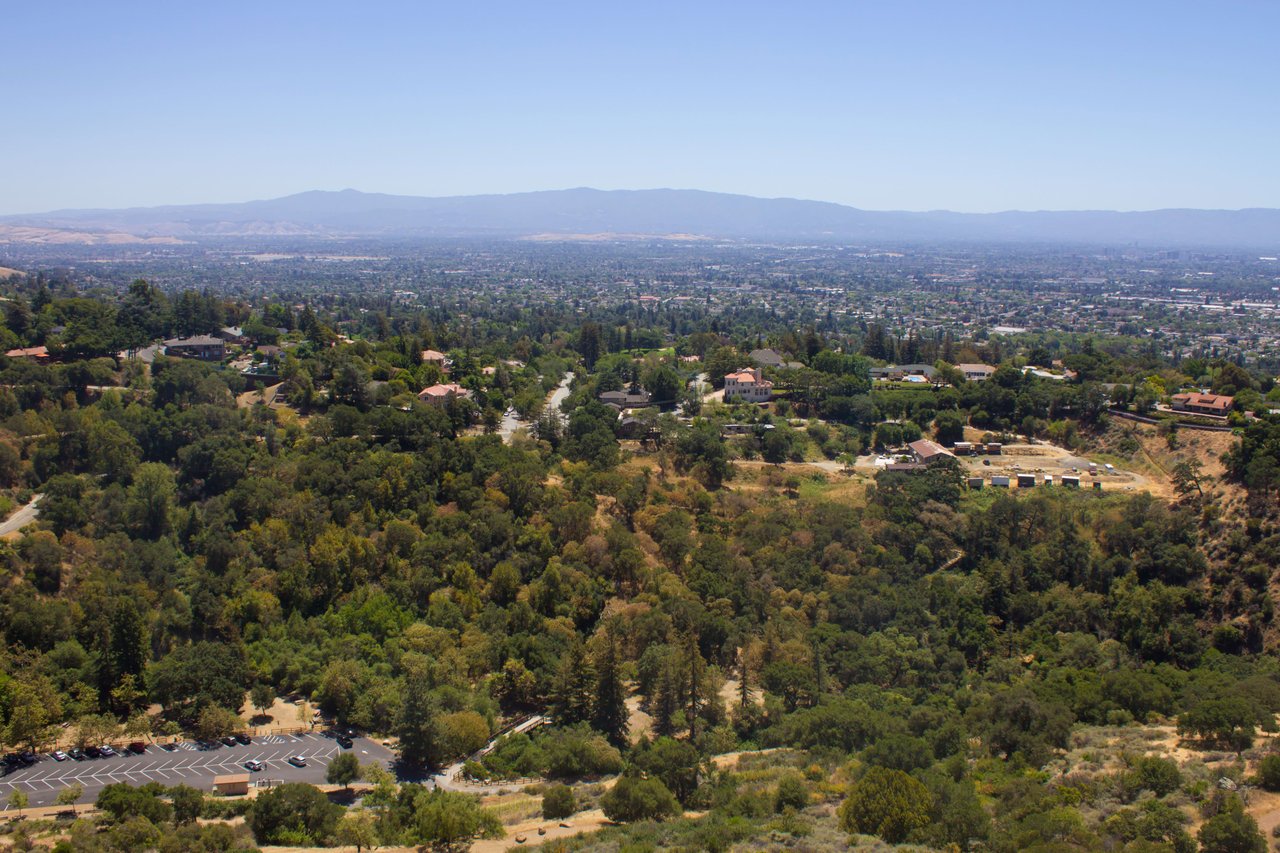
Prices and Market Action for the Santa Clara County Real Estate Market Past 3 Years
Market Trends
Tim Proschold | June 13, 2024
Prices and Market Action for the San Carlos Real Estate Market through May 2024
Market Trends
Tim Proschold | June 13, 2024
Prices and Market Action for the Redwood City Real Estate Market through May 2024
Market Trends
Tim Proschold | June 12, 2024
Prices and Market Action for the Palo Alto Real Estate Market through May 2024
Market Trends
Tim Proschold | June 12, 2024
Prices and Market Action for the Los Gatos Real Estate Market through May 2024
Market Trends
Tim Proschold | June 12, 2024
Prices and Market Action for the Cupertino Real Estate Market through May 2024
Market Trends
Tim Proschold | June 12, 2024
Prices and Market Action for the Los Altos Real Estate Market through May 2024
Market Trends
Tim Proschold | June 12, 2024
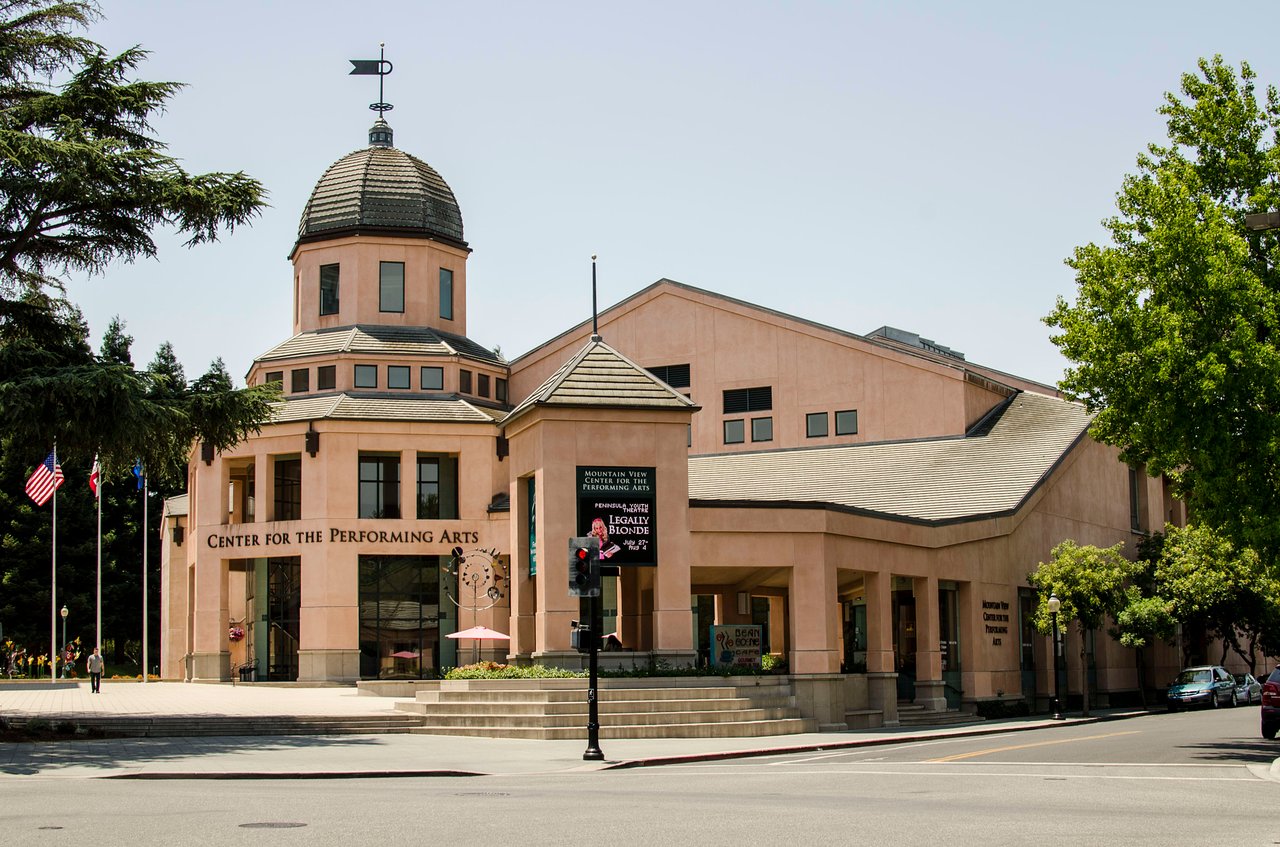
Prices and Market Action for the Mountain View Real Estate Market through May 2024
Market Trends
Tim Proschold | June 12, 2024
Prices and Market Action for the Saratoga Real Estate Market through May 2024
Market Trends
Tim Proschold | June 12, 2024
Prices and Market Action for the San Jose Real Estate Market through May 2024
Market Trends
Tim Proschold | June 12, 2024
Prices and Market Action for the Santa Clara Real Estate Market through May 2024
Market Trends
Tim Proschold | June 12, 2024
Prices and Market Action for the Sunnyvale Real Estate Market through May 2024
Experience the pinnacle of real estate excellence with Luxuriant Realty. Their dedicated team ensures a seamless and stress-free journey whether you're buying, selling, or managing properties, allowing you to elevate your lifestyle effortlessly.
LUXURIANT REALTY
885 OAK GROVE AVE, STE 302, MENLO PARK, CA 94025 CA DRE# 02190360 | NMLS# 2464074