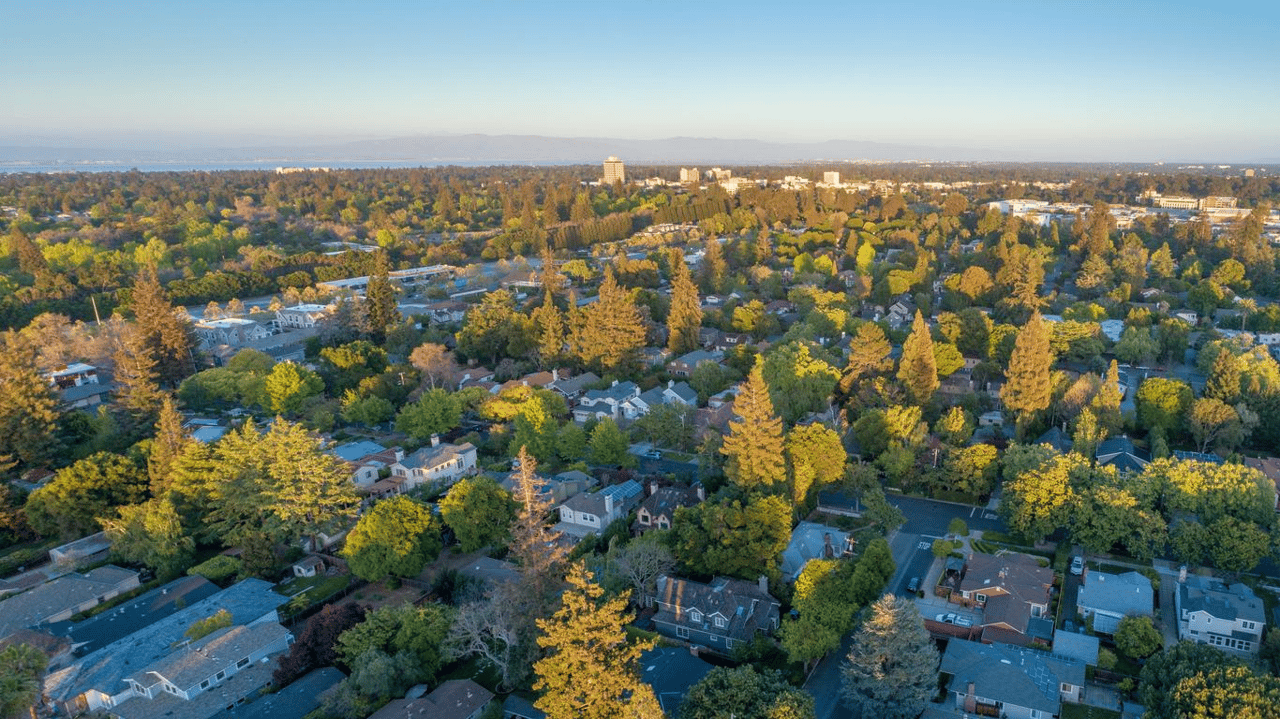
32,775 people live in Menlo Park, where the median age is 38.5 and the average individual income is $123,422. Data provided by the U.S. Census Bureau.
Total Population
Median Age
Population Density Population Density This is the number of people per square mile in a neighborhood.
Average individual Income
Menlo Park occupies a rare position on the San Francisco Peninsula — a city that feels genuinely residential while sitting at the epicenter of global innovation. Tucked between Palo Alto to the south and Redwood City to the north, it carries the quiet confidence of a community that doesn't need to advertise itself. Tree-lined streets, respected schools, and a strong sense of neighborhood identity define the day-to-day experience here.
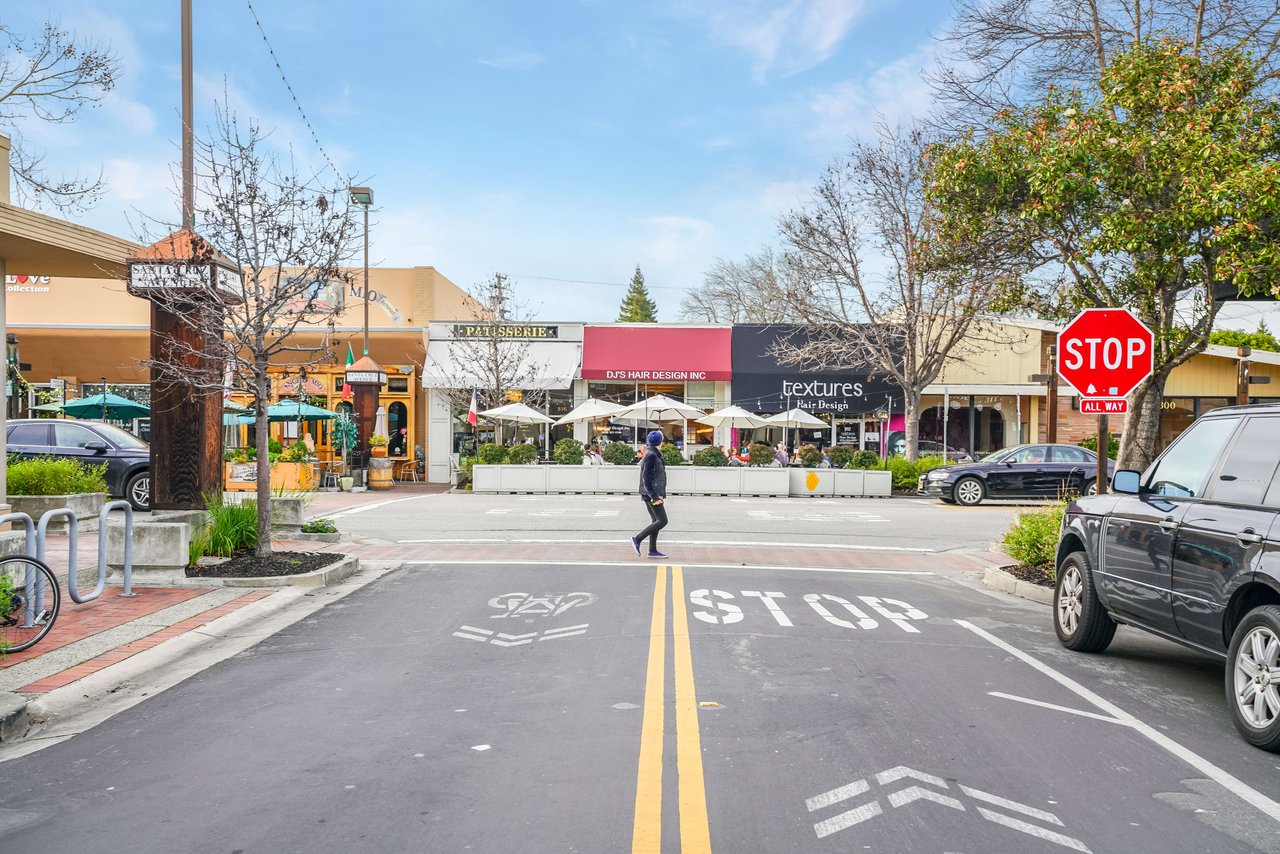
The people who choose Menlo Park are a compelling mix: venture capitalists who walk to their Sand Hill Road offices, senior technologists at Meta and nearby startups, multigenerational families who have lived in the same neighborhoods for decades, and a growing cohort of young professionals drawn by the new walkable energy of the Springline district downtown. The lifestyle leans active and educated — weekend farmers markets, Saturday bike rides along the bayfront, evenings at Kepler's Books listening to author talks.
What makes Menlo Park distinctly appealing is the way it balances prestige with livability. It is one of the most expensive real estate markets in the country, yet it doesn't feel ostentatious. The neighborhoods are modest in presentation and extraordinary in value. For buyers and sellers alike, understanding this dynamic — the gap between what Menlo Park looks like and what it is worth — is the essential starting point.
Menlo Park's origin story is quietly fascinating. In 1854, two Irish immigrants — Dennis J. Oliver and D.C. McGlynn — purchased land on the Peninsula and erected a gate inscribed "Menlo Park," named after their hometown of Menlough in County Galway, Ireland. That gate became a landmark, and the name endured long after the structure itself was gone.
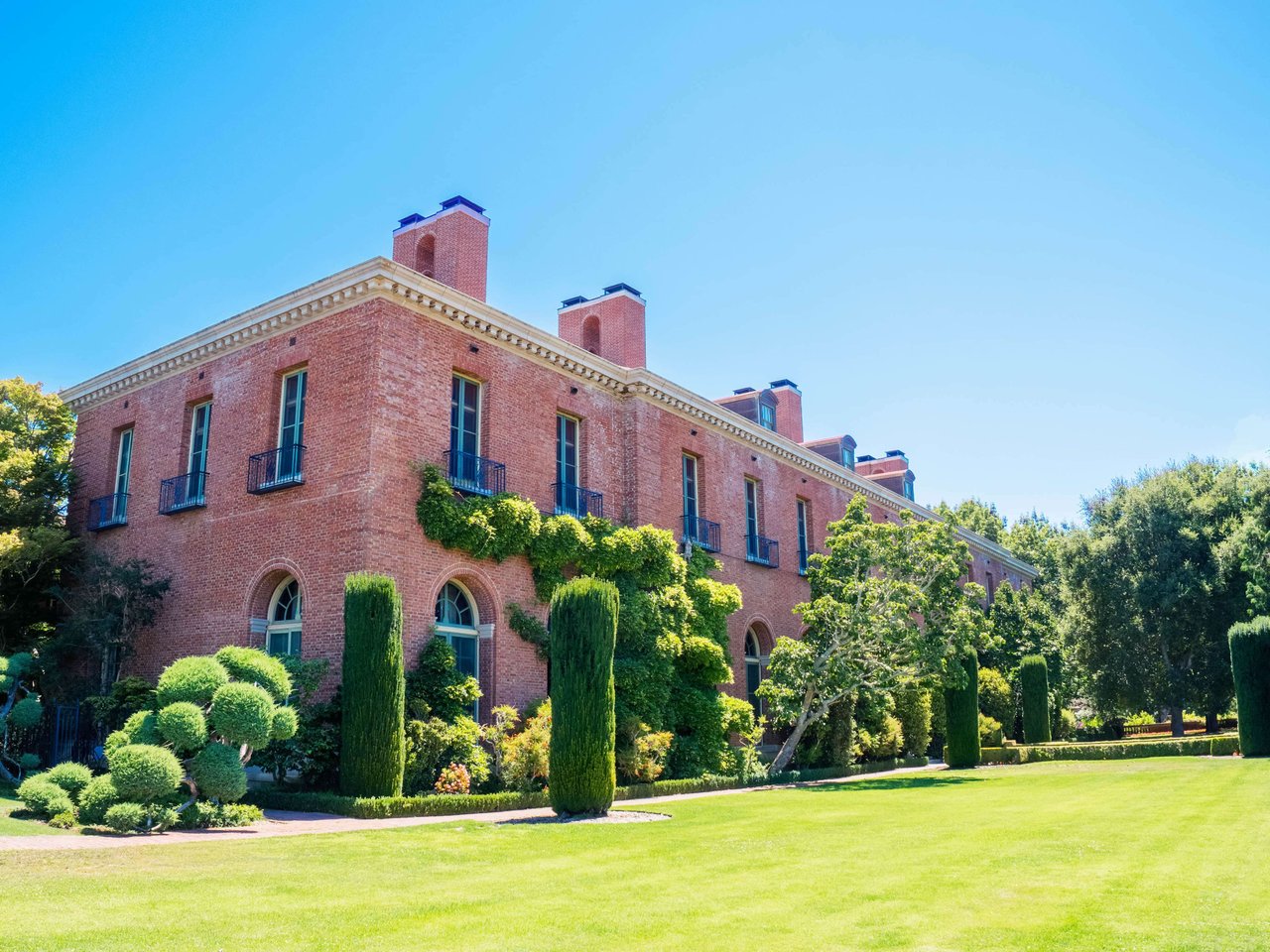
Through the late 19th century, the area developed as a summer retreat for San Francisco's wealthy elite — the so-called "Bonanza Kings" whose fortunes flowed from Nevada silver mines. Massive estates shaped the landscape during this period, and their imprint is still visible in the wide lots and mature tree canopy that define neighborhoods like West Menlo and Felton Gables today.
The 20th century brought transformative change. World War II introduced Camp Fremont, which flooded the area with soldiers and infrastructure. After the war, the Allied Arts Guild — a Depression-era artisan community housed in a historic Spanish colonial complex — helped cement a civic identity that valued culture alongside commerce. The establishment of SRI International (Stanford Research Institute) signaled the city's transition from quiet suburb to innovation corridor.
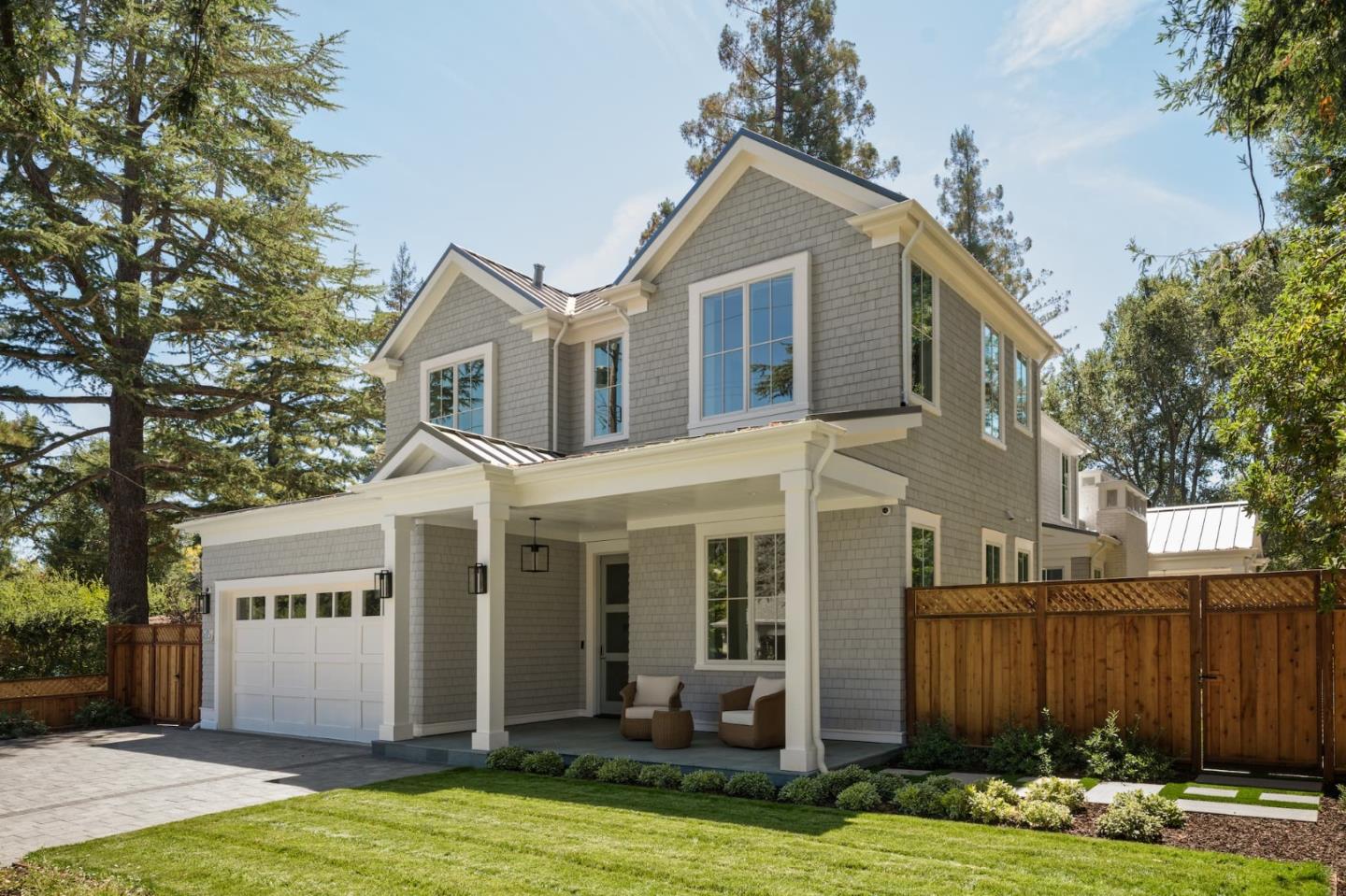
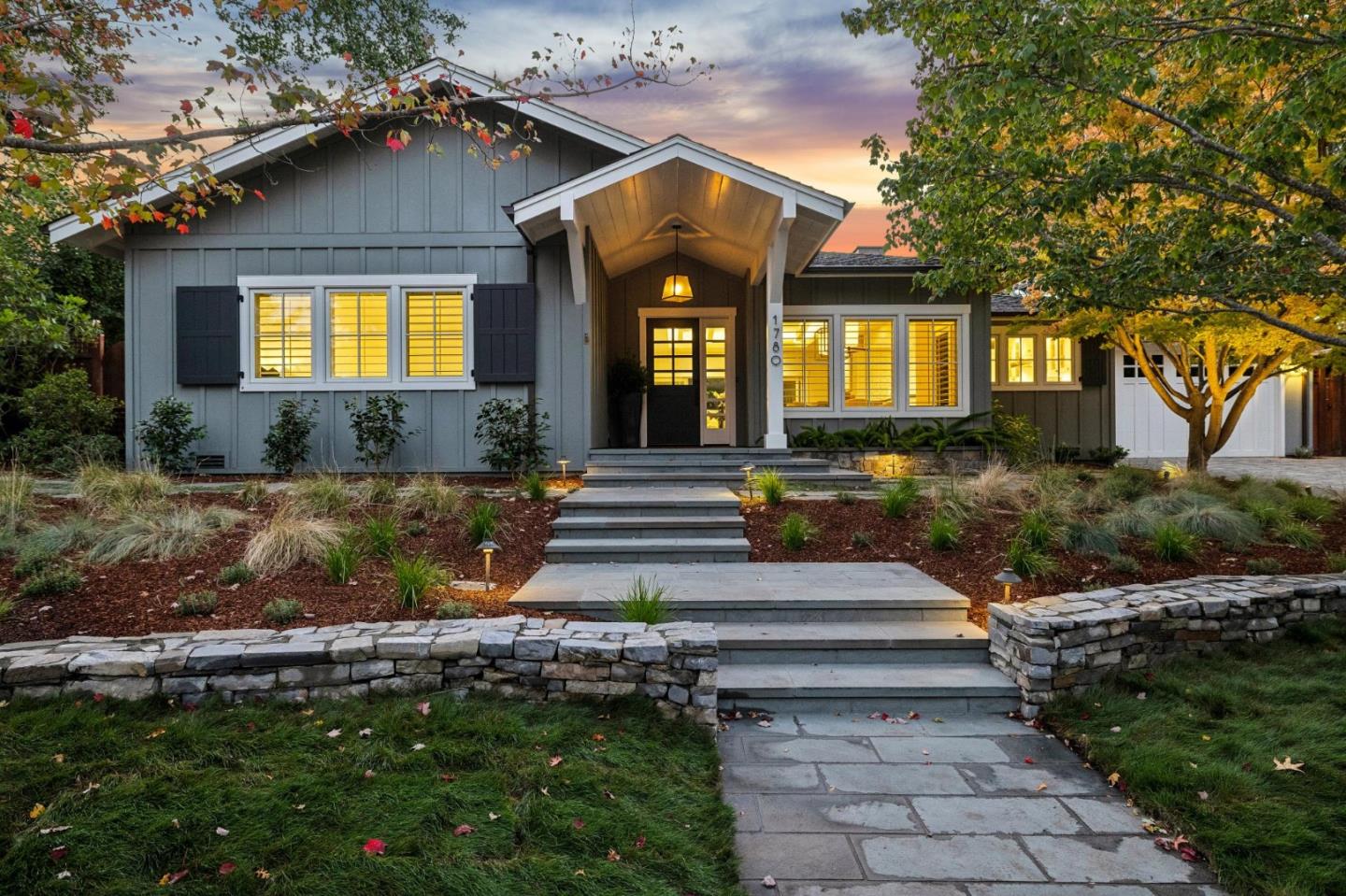
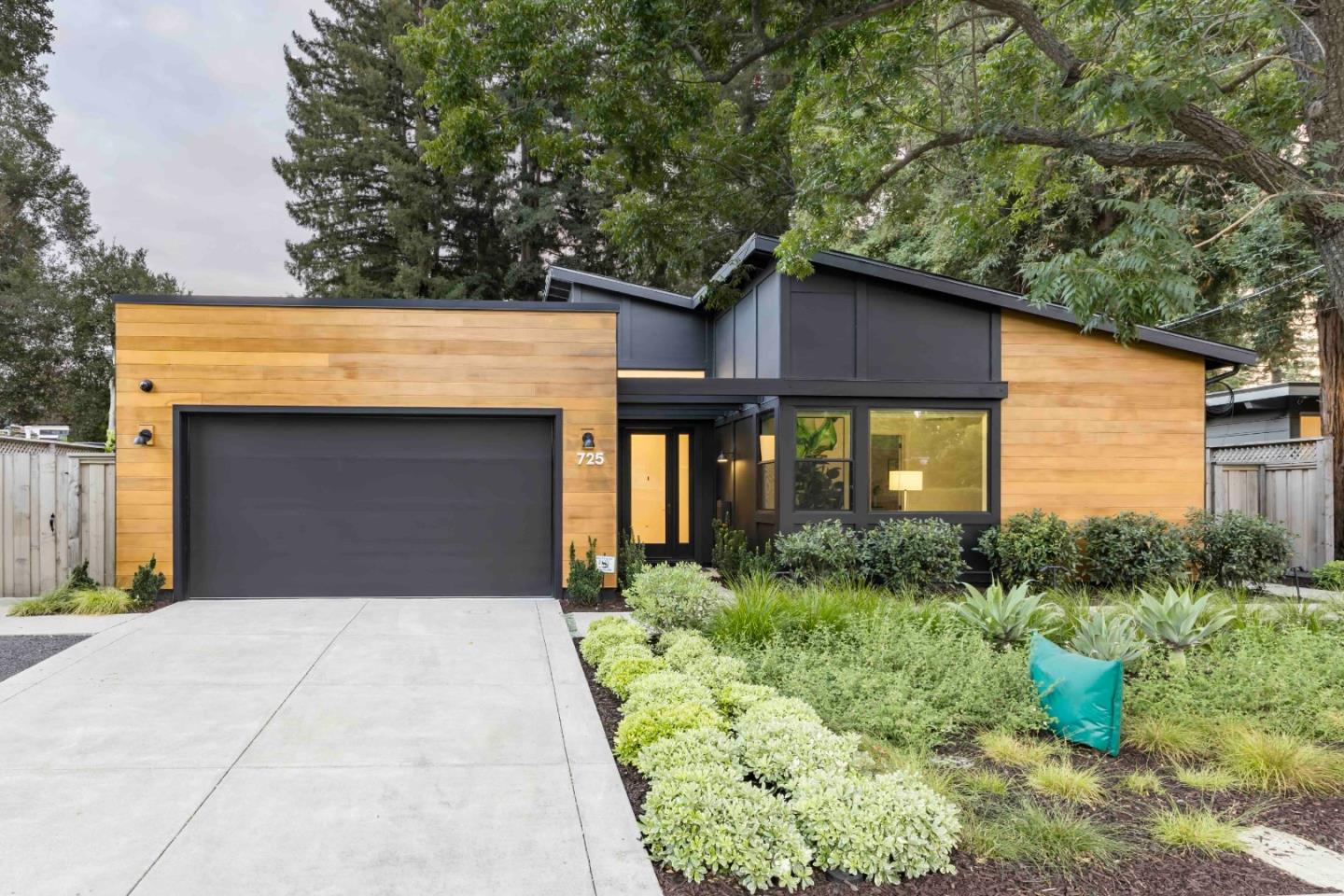
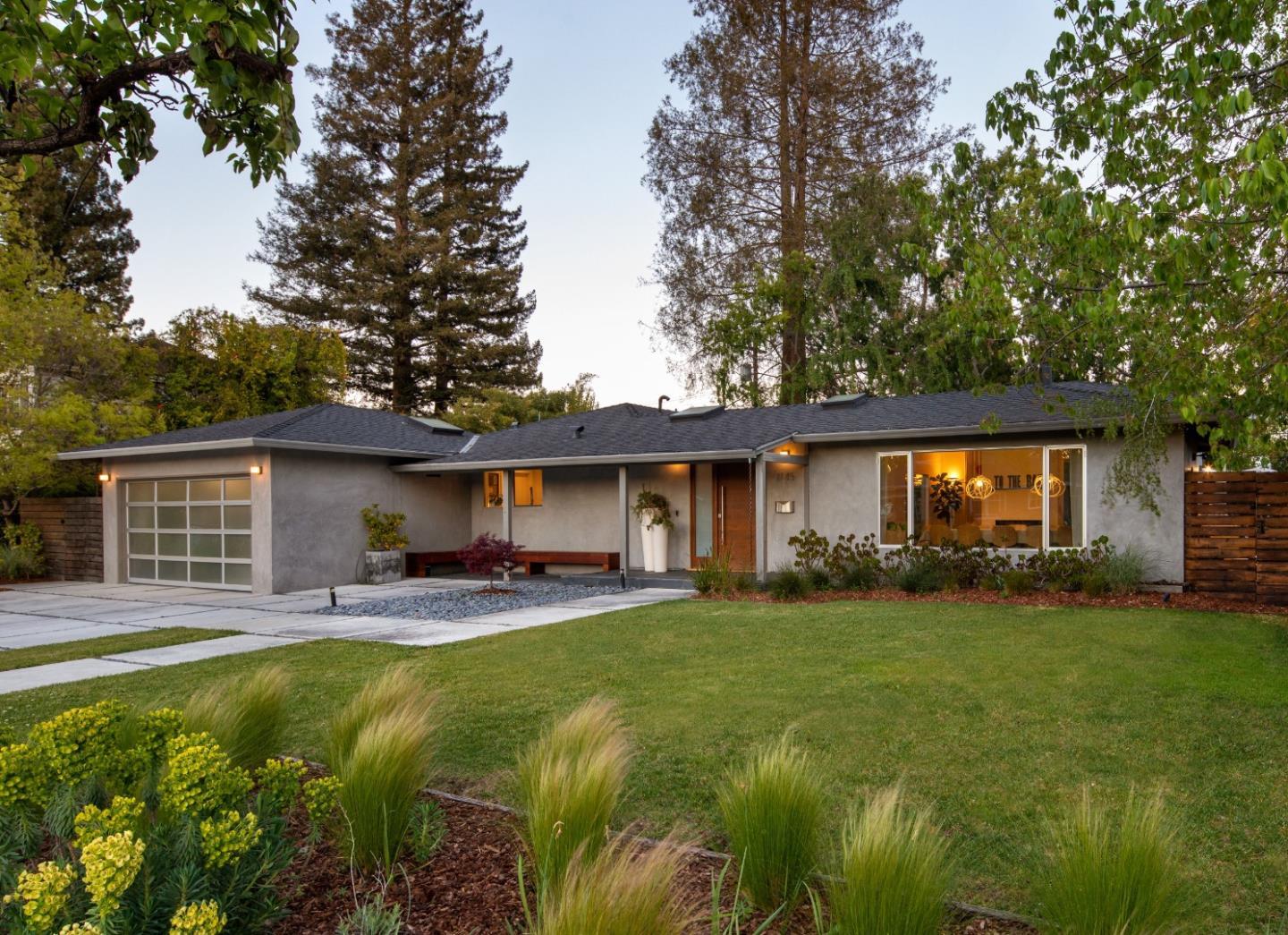
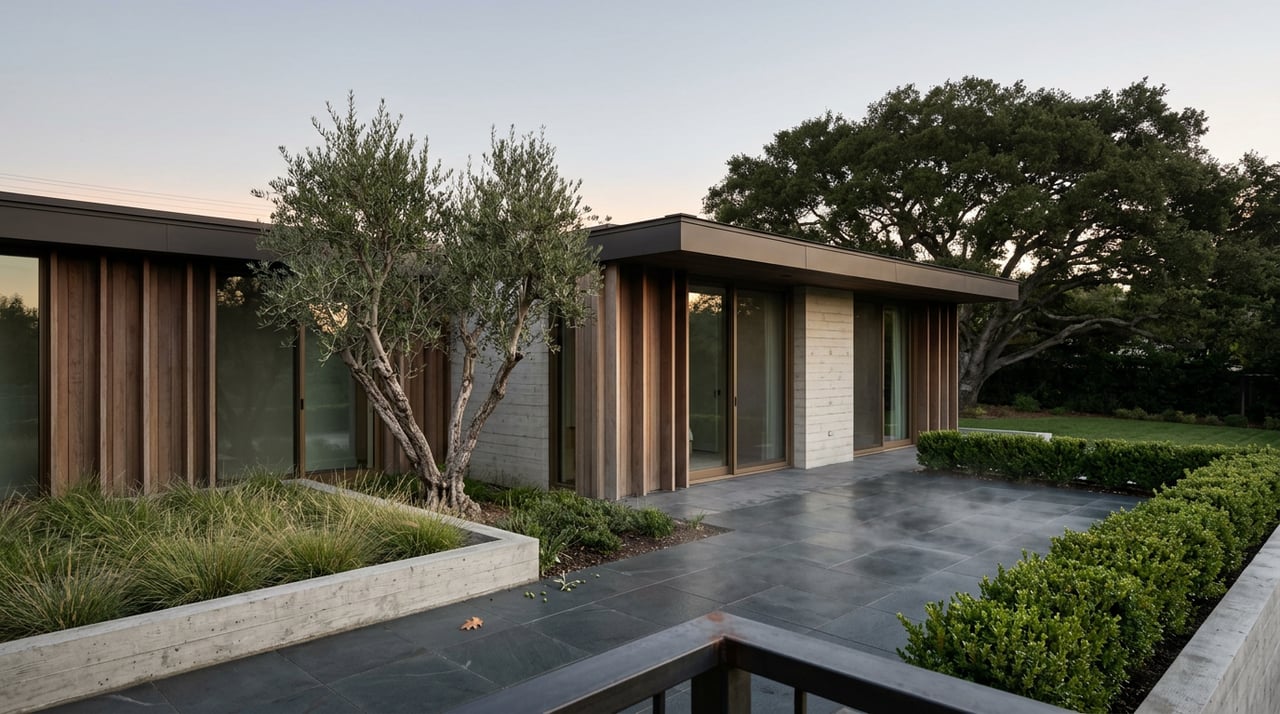
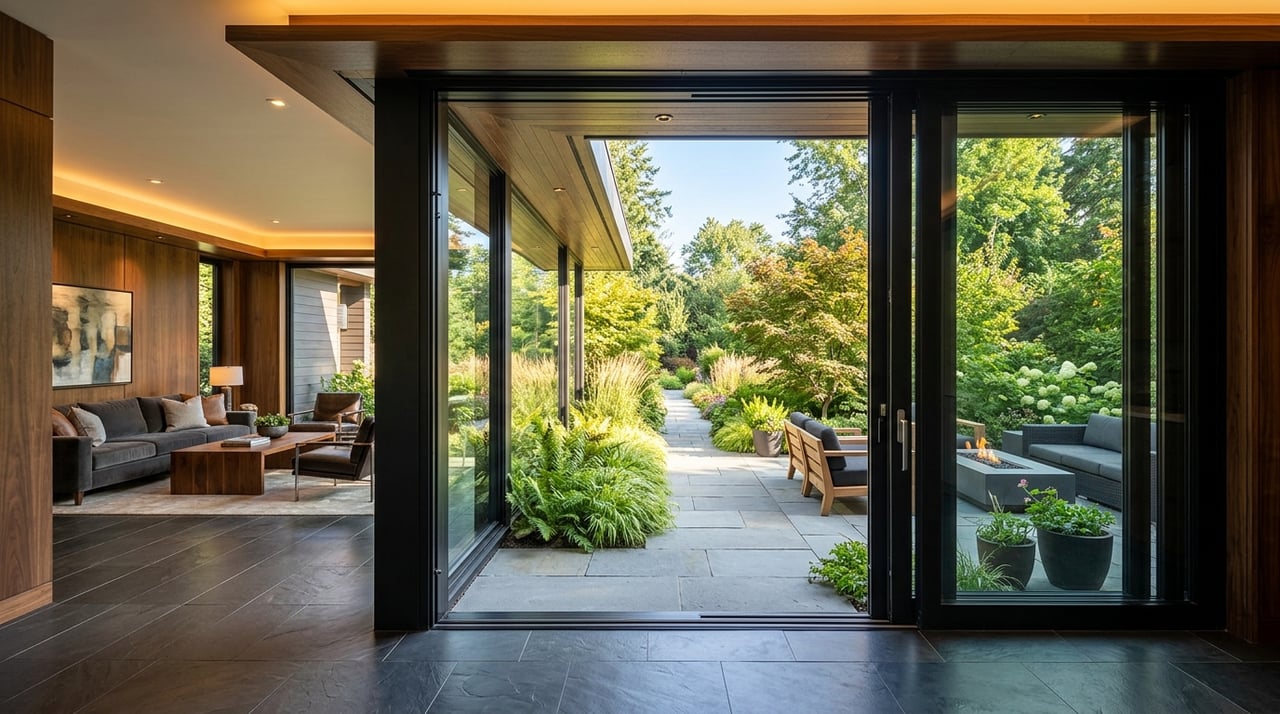
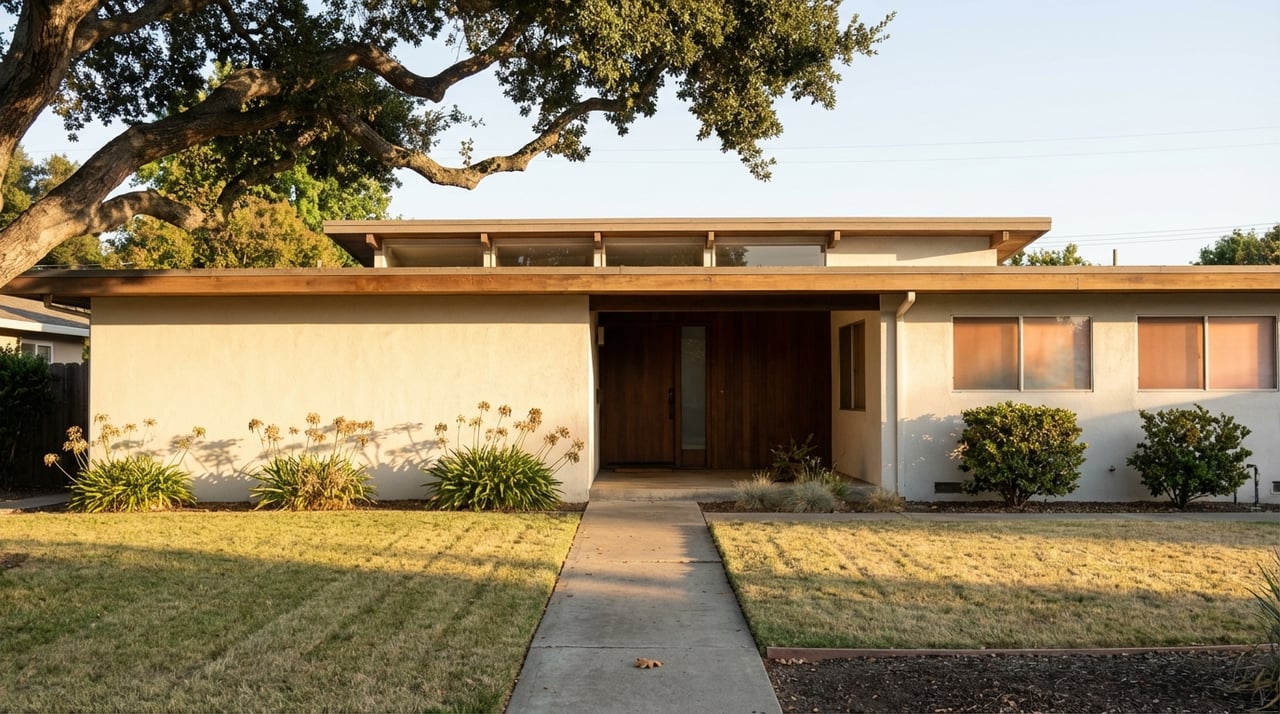
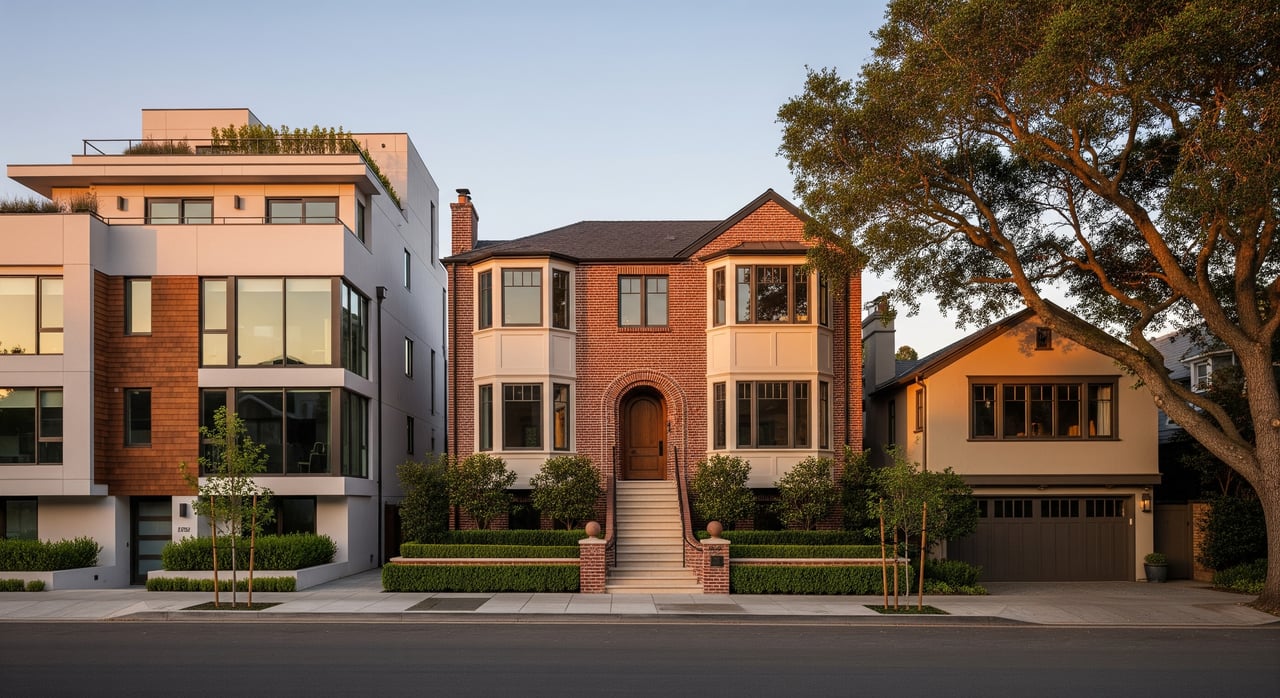
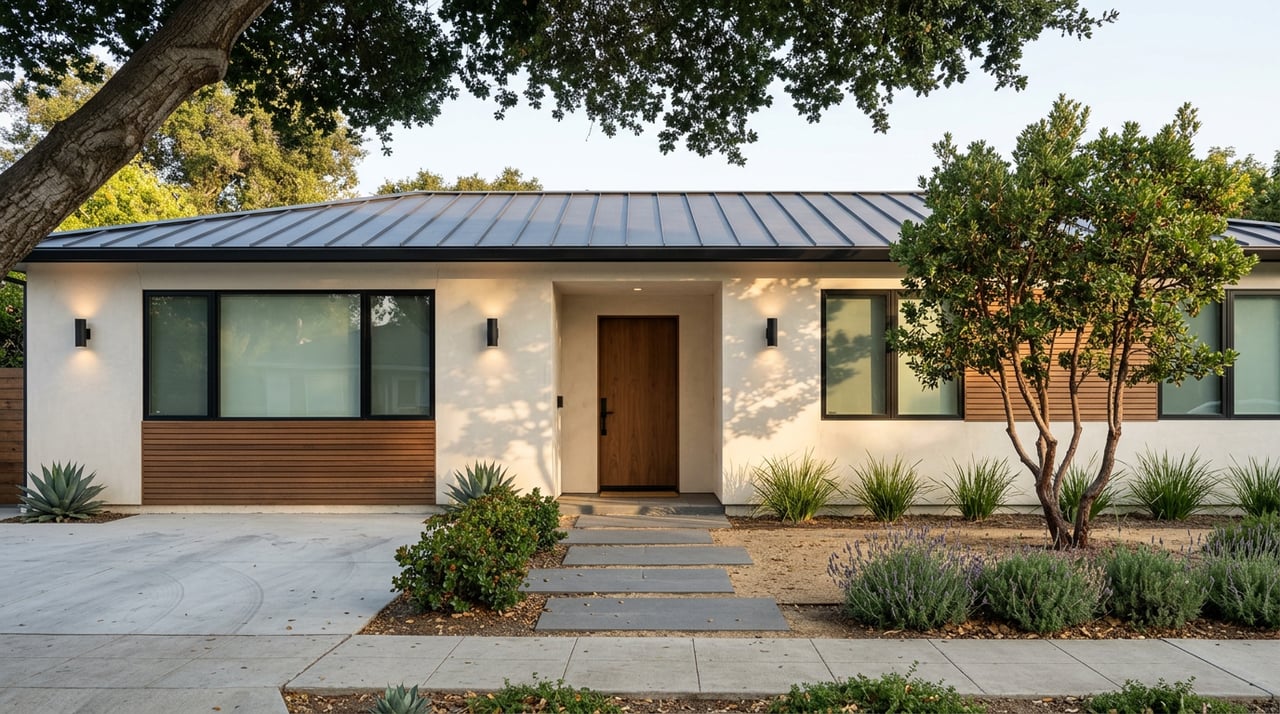
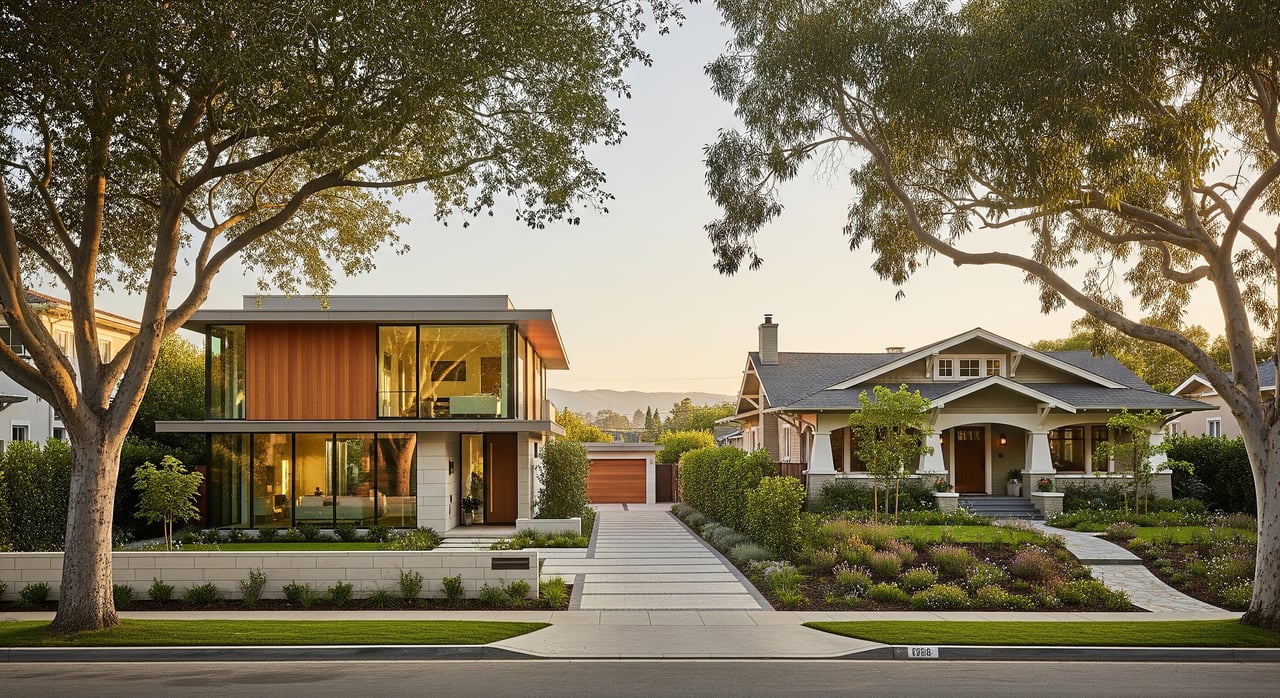
Architecturally, Menlo Park tells its own story. California Bungalows and Craftsman homes from the early 1900s share streets with mid-century ranch houses inspired by the nationally influential work of Cliff May, whose Sunset Magazine headquarters in Menlo Park helped popularize the "California Ranch" style — a design philosophy centered on indoor-outdoor living that continues to shape the region's aesthetic today. More recent decades have added contemporary new construction and thoughtfully designed infill developments.
The modern era brought Meta (originally Facebook) and the venture capital ecosystem of Sand Hill Road, cementing Menlo Park's place on the world stage. Today, the city is simultaneously preserving its architectural heritage and embracing large-scale urban redevelopment projects that will reshape its downtown and surrounding corridors for decades.
Menlo Park sits at the heart of the Mid-Peninsula, approximately 30 miles south of San Francisco and 20 miles north of San Jose — a location that makes it one of the most strategically positioned communities in the Bay Area for both commuting and quality of life.
Its boundaries are defined by notable neighbors: Palo Alto and Stanford University to the south, Redwood City to the north, East Palo Alto to the east, and the Santa Cruz Mountain foothills to the west. This positioning places it at the crossroads of two major commuting corridors — Highway 101 along the bayshore and I-280 through the western hills.
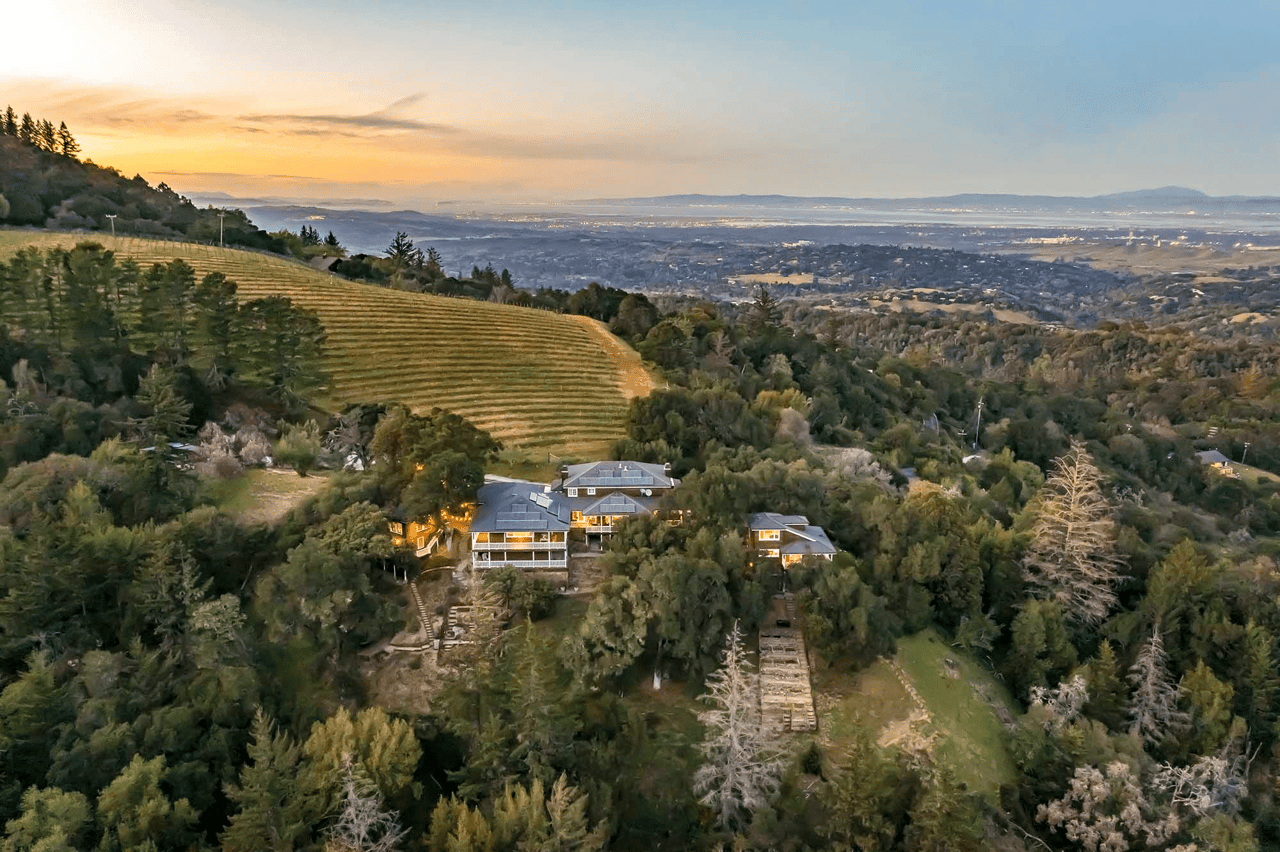
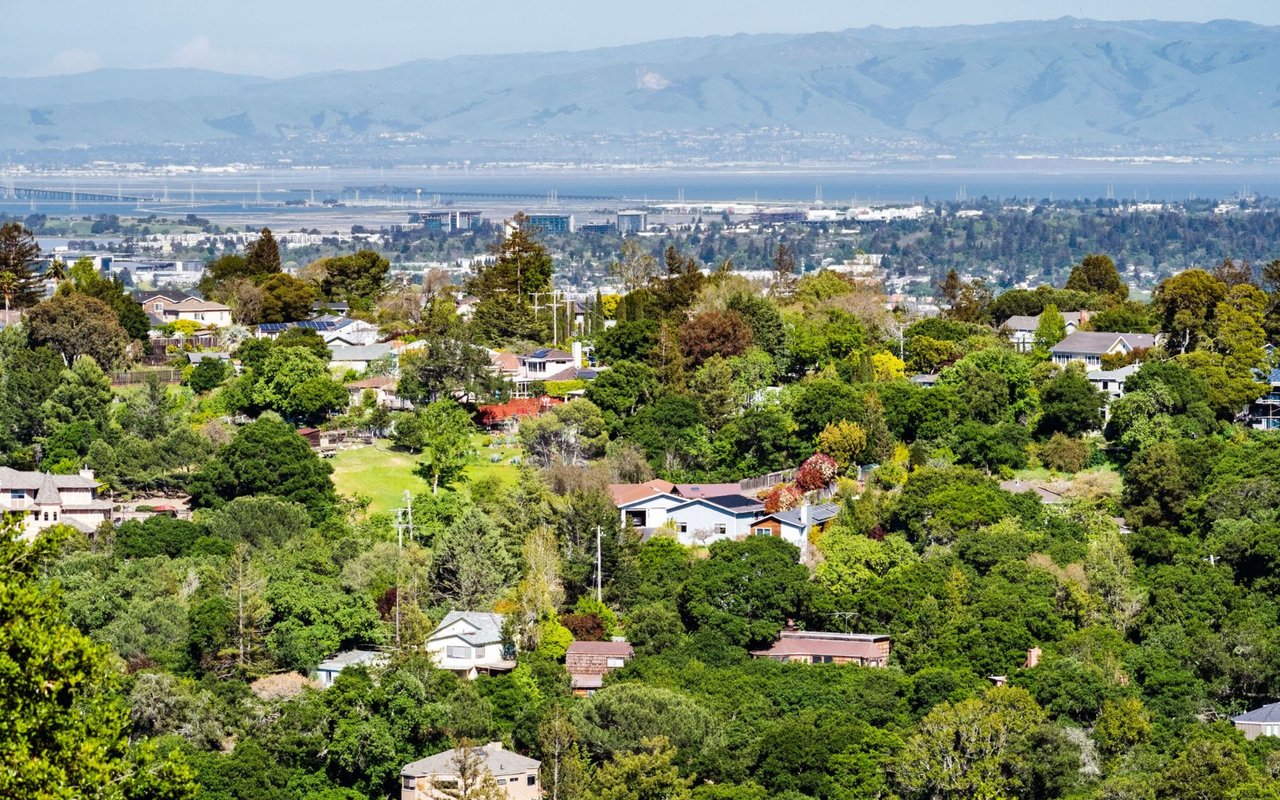
Geographically, the city sits on a flat alluvial plain that gently slopes eastward toward the marshes of the San Francisco Bay. The terrain is mild and accessible, which contributes to its reputation as one of the most bike-friendly communities on the Peninsula. To the west, the foothills rise gradually and provide a natural buffer that shapes both the climate and the character of neighborhoods like Sharon Heights.
The climate is a genuine asset. Menlo Park enjoys a Mediterranean pattern — warm, dry summers and mild, wet winters — with over 260 sunny days per year. The Bay Breeze keeps summer temperatures more comfortable than the inland East Bay, while the Santa Cruz Mountains deflect much of the heavy coastal fog that blankets communities to the west. The result is a climate that supports outdoor living year-round, which is reflected in the architecture, the culture, and the real estate values.
Bedwell Bayfront Park, a 160-acre open space preserve on the edge of the San Francisco Bay, sits within city reach and offers direct access to the Don Edwards San Francisco Bay National Wildlife Refuge — a remarkable amenity for a city of its density and price point.
Menlo Park in early 2026 is unambiguously a seller's market, and has been for the better part of the last decade. The fundamental driver remains unchanged: a constrained supply of homes in a city where demand is consistently replenished by the wealth generated along the nearby tech corridor.
The median sale price has climbed to approximately $2.8 million, representing year-over-year appreciation of more than 30% as of January 2026. This surge has been fueled in significant part by what market analysts are calling the "NVIDIA effect" — the explosion of equity wealth among semiconductor and AI employees — as well as rebounding stock values at Meta and Google, which have enabled a new wave of buyers to enter with substantial cash down payments or all-cash offers.
Inventory remains critically tight, with only 40 to 50 active listings across the city at any given time. The median days on market sits around 26 days, but the most desirable properties — particularly in West Menlo and The Willows — routinely go into contract within 7 to 12 days of listing. The sale-to-list ratio hovers around 101%, meaning most homes sell at or above asking price, and multiple-offer scenarios are the norm rather than the exception.
Premium neighborhoods like West Menlo and Felton Gables consistently see transactions in the $4 million to $7 million range, while properties near the Atherton border or in the Menlo Oaks enclave can reach $8 million to $12 million or more. Even the most "accessible" entry points in Belle Haven and the condo market near downtown tend to start around $1.2 million.
For those tracking long-term value, Menlo Park has consistently outperformed broader Bay Area appreciation trends. While national real estate markets undergo rebalancing, Menlo Park continues its upward trajectory, supported by a near-permanent imbalance between housing supply and the density of high-income demand.
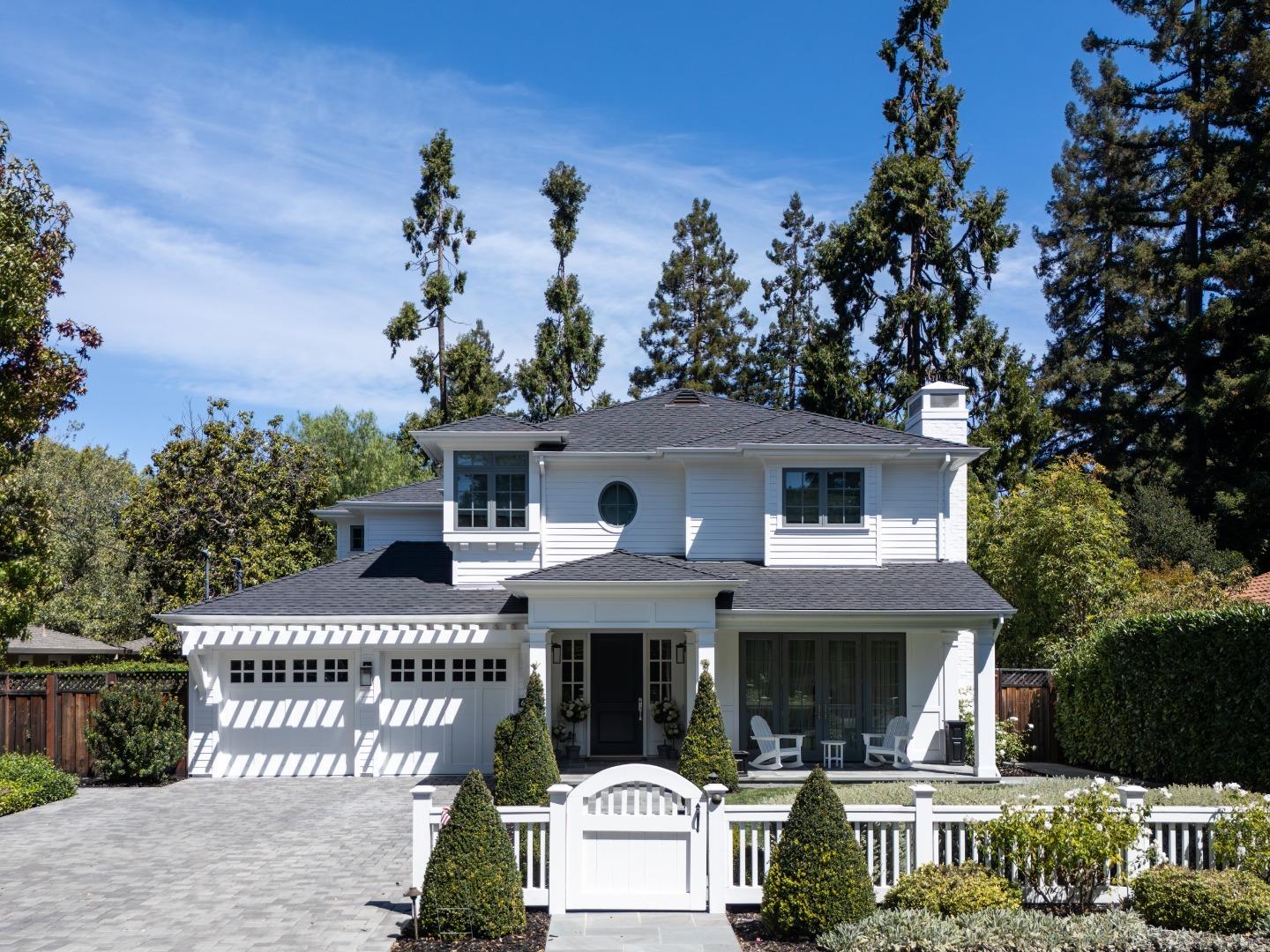
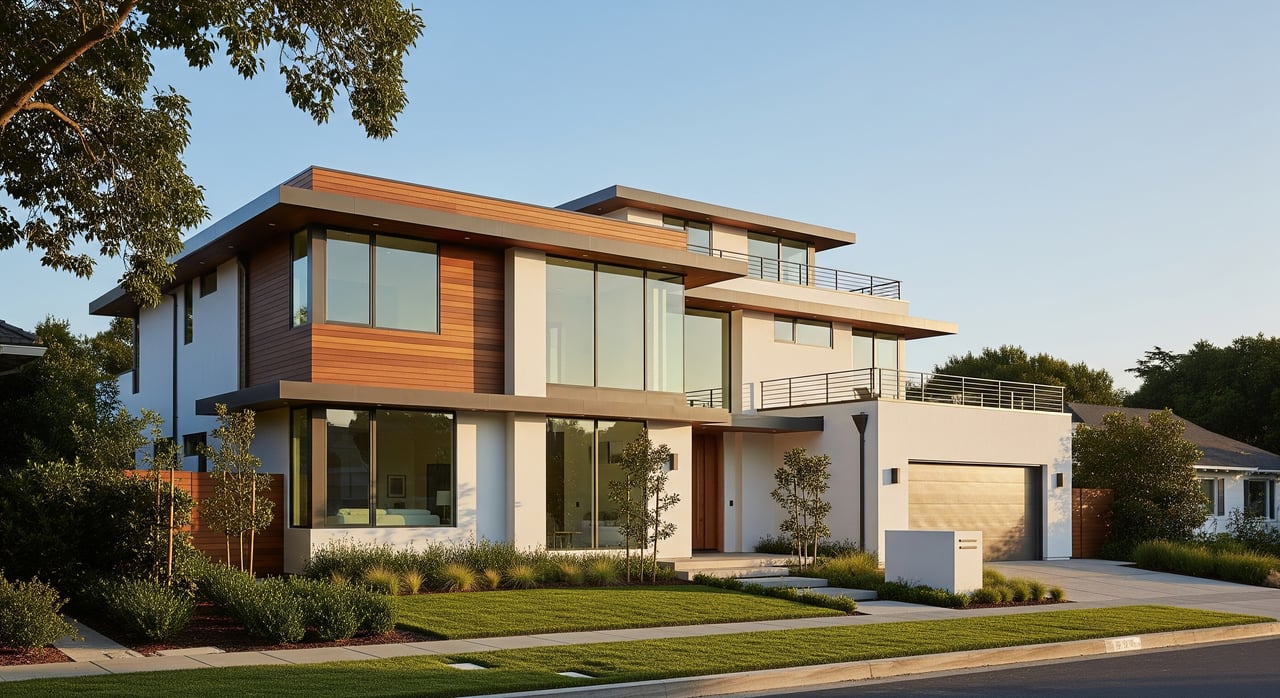
Single-Family Homes form the backbone of Menlo Park's residential landscape. The architectural variety is notable: California Ranch and Mid-Century Modern homes dominate neighborhoods like The Willows and Allied Arts, offering the low-slung rooflines, open floor plans, and garden-integrated layouts that define the postwar Bay Area aesthetic. West Menlo and areas approaching the Atherton border feature larger parcels with newer luxury construction — often complete rebuilds on generational lots — targeting buyers in the $4 million to $7 million range.
Condos and Townhomes are concentrated near the downtown Santa Cruz Avenue corridor and the Sharon Heights area. These properties attract young professionals entering the market and empty nesters looking to simplify without leaving the city. Two-bedroom units generally start between $1.2 million and $1.6 million, making them the most accessible ownership option Menlo Park offers.
Luxury Estates occupy a distinct tier, located in enclave neighborhoods like Menlo Oaks or along the Atherton border. These properties feature half-acre lots or larger, mature landscaping, and extensive square footage — often custom-built or extensively renovated — with prices regularly exceeding $8 million and reaching well above $12 million for exceptional properties.
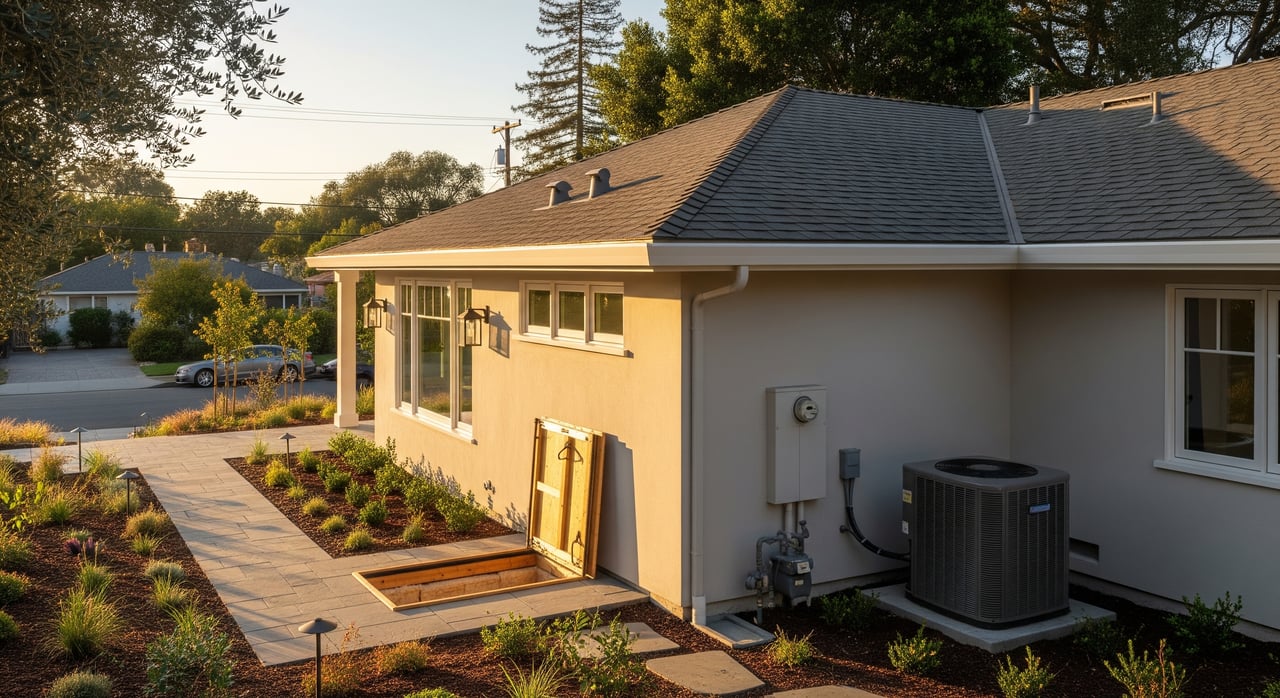
ADUs (Accessory Dwelling Units) have become a defining feature of the Menlo Park market. Given the high land value and the region's ongoing housing shortage, granny flats and backyard cottages are now a standard consideration in any home purchase or renovation. Whether used as home offices, rental income suites, or multigenerational living spaces, ADU potential is increasingly built into listing valuations.
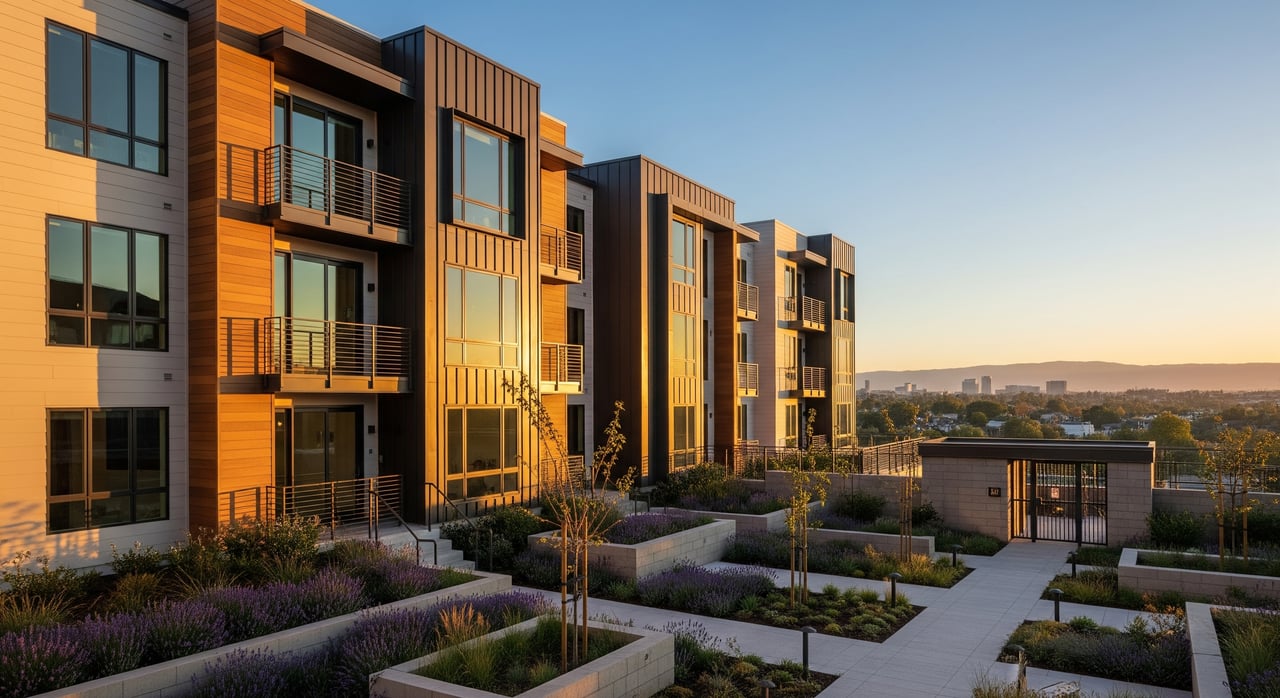
Apartments and Multi-Family housing has expanded in recent years along the El Camino Real corridor and near the Meta campus in Belle Haven, catering to the tech workforce with high-end amenities and modern finishes. These developments represent the city's attempt to accommodate a growing population without fundamentally altering its low-density residential character.
Moving to Menlo Park requires more strategic preparation than a typical Bay Area relocation, largely due to its regulatory environment and the hypercompetitive housing market.
Timing your move matters. Highway 101 and I-280 are heavily congested during standard commute windows. Schedule your moving truck for a mid-week arrival between 10 AM and 2 PM. Weekend moves, while popular, tend to be more expensive and may encounter parking restrictions in narrower residential neighborhoods like The Willows.
Know your school district before you sign. Menlo Park is served by two distinct public school systems — the highly regarded Menlo Park City School District and the Ravenswood City School District — and the boundaries do not neatly follow neighborhood lines. Properties on the same street can fall in different districts, and the price premium for MPCSD homes is significant (often 10% to 20% above comparable properties in Ravenswood boundaries). Verify school assignment before making any offer.
Set up utilities early. Pacific Gas & Electric handles electricity and gas. Water service is provided by either Menlo Park Municipal Water or Cal Water depending on your specific address. Trash and recycling is managed by Recology San Mateo County, which operates a rigorous three-bin composting system — new residents should expect a brief adjustment period.
Understand the Heritage Tree Ordinance. Menlo Park enforces strict regulations around the trimming and removal of heritage trees — including oaks and redwoods — even on private property. If your new home includes significant trees and you're planning immediate landscaping work, budget time for permit applications before any work begins.
Leverage tech commuter benefits. If relocating for a role at Meta or another major employer, check whether your company offers private commuter shuttle service. Menlo Park is a primary hub for these coaches, which can meaningfully reduce commuting stress and driving hours.
Menlo Park is in the midst of one of its most consequential development cycles in decades, with several large-scale projects simultaneously reshaping the city's identity.
Willow Village — informally known as "Meta Village" — is the most ambitious of these projects. Located near the Meta headquarters, the development will eventually deliver over 1,700 housing units alongside a grocery store, pharmacy, and boutique hotel, all within a walkable district designed to reduce residents' dependence on Highway 101 for daily errands. Phase one is expected to be completed sometime after 2027.
The Springline Development, positioned adjacent to the Menlo Park Caltrain station, has already transformed the downtown experience. As of early 2026, it is fully operational, anchoring the new social energy of the city center with high-profile tenants including Causwells, Barebottle Brewing Co., and Andytown Coffee Roasters. Venture capital firms have returned to office space within the development, reinforcing the "live-work-play" vision that guided its design.
The Parkline Project represents the redevelopment of the historic SRI International campus on Ravenswood Avenue. Approved by the City Council in late 2025, the master plan calls for modernized office and R&D space, a publicly accessible park, and a dedicated affordable housing site capable of delivering up to 154 units. Ground is expected to break in 2026.
The Middle Avenue Pedestrian Underpass is an infrastructure project currently under construction that will provide a safe, grade-separated tunnel for pedestrians and cyclists to travel between Burgess Park and El Camino Real without crossing active Caltrain tracks. Completion is expected in mid-to-late 2026.
The Downtown Parking Plaza Ballot Measure, slated for a November 3rd vote, will determine whether the city converts surface parking lots near downtown into affordable housing. The outcome will have significant implications for the character and density of the city's core and is being closely watched by residents and developers alike.
Purchasing in Menlo Park is not simply a financial transaction — it is a market requiring research, speed, and nuanced due diligence that goes well beyond standard practice.
School boundary verification is non-negotiable. The price gap between homes in the Menlo Park City School District and those in the Ravenswood district can reach 10% to 20% on otherwise comparable properties. Never assume district assignment based on neighborhood name alone.
Flood zone exposure is a serious variable. Portions of The Willows and Belle Haven are within FEMA-designated Special Flood Hazard Areas. As of 2026, flood insurance is mandatory for mortgaged properties in these zones — and premiums have risen substantially. Use FEMA's flood maps and tools like "Flood Factor" to assess 30-year risk before committing.
Wildfire risk affects insurance availability. Homes in Sharon Heights and properties backing into the western foothills fall within the Wildland-Urban Interface (WUI) zone. Beyond the landscaping requirements this imposes, it can make obtaining standard homeowners insurance difficult, potentially forcing buyers onto the California FAIR Plan — a last-resort option with limited coverage and elevated premiums.
Be prepared to move fast and compete aggressively. The most desirable homes in Menlo Park go pending within 7 to 12 days. Buyers who are not pre-approved, or who are waiting to schedule independent inspections, will consistently lose to buyers who arrive prepared. Where possible, request pre-sale inspection packages from the listing agent, or bring a trusted contractor to your first showing.
Understand your tax exposure. Under Proposition 13, your property taxes will be reassessed at purchase price. At a blended rate of approximately 1.1% to 1.2%, a $2.8 million purchase translates to roughly $31,000 in annual property taxes — a material line item in any financial analysis.
Selling in Menlo Park in 2026 means operating in a market where buyers are highly sophisticated, extremely well-resourced, and completely intolerant of properties that feel unprepared.
Presentation determines outcome. The "turnkey premium" is real and measurable. Listings that arrive move-in ready — fresh interior paint, refinished hardwood floors, updated lighting, clean landscaping — routinely achieve sale-to-list ratios of 105% or better. In a market where buyers are already stretching financially, the perception of needing immediate work can cost a seller far more than the work itself would have.
Price just below market to trigger competition. The counterintuitive truth in this market is that pricing slightly below assessed market value generates more competing offers and ultimately a higher net sale price than chasing the number from above. Homes that sit for more than 30 days in Menlo Park attract suspicion, and a price reduction rarely recovers the lost momentum.
Seasonal timing matters, but both peaks are viable. The Spring Burst (March through May) remains the strongest selling window, benefiting from longer daylight hours, garden appeal, and family buyers motivated by school-year calendars. However, the September Surge has proven equally powerful in Menlo Park's tech-driven market, as incoming professionals finalize their relocations before the Q4 holiday slowdown.
Stage for the hybrid workforce. The defining buyer demographic in 2026 is the senior tech professional working two to three days per week from home. Staging that designates a dedicated, polished home office — with proper lighting, clean backgrounds, and a sense of purpose — consistently resonates with this buyer. "Flex spaces" that can function as both a guest room and a workspace are highly valued.
Highlight ADU potential. If your lot is eligible for an Accessory Dwelling Unit under current zoning, make that explicit in your marketing materials. In the context of the 2026 housing shortage, the possibility of a rental cottage or multigenerational living unit adds tangible value that informed buyers will price into their offers.
Menlo Park's dining and entertainment scene has undergone a quiet but meaningful renaissance, driven largely by the completion of the Springline development and the sustained energy of its established downtown corridor.
Springline has become the city's most dynamic social destination. Causwells — known for its California diner aesthetic and quality burgers — has expanded here from San Francisco. Barebottle Brewing Co. anchors the craft beer scene with weekly trivia nights and a community-forward atmosphere. Andytown Coffee Roasters brings its beloved San Francisco following to the Peninsula, serving as both a morning ritual and a daytime work hub for the venture capital crowd.
For longer-standing institutions, Cafe Borrone remains the intellectual and social heart of downtown Menlo Park — an outdoor-friendly cafe adjacent to Kepler's Books that has served as the community's living room for decades. It is the kind of place where you overhear conversations about both kindergarten enrollment and Series B rounds at the same time. Madera at the Rosewood Sand Hill offers elevated California cuisine in a resort setting and remains a top choice for client dinners and celebrations. Flea Street continues its farm-to-table legacy with an emphasis on organic, locally sourced ingredients and a loyal neighborhood following.
For more casual registers, Dutch Goose is a rite of passage — a sawdust-floor burger bar that has survived every wave of gentrification by being exactly what it is. Burma Love and Sultana round out the global flavor options that make the city's dining scene more interesting than its suburban appearance might suggest.
Evening options skew toward sophisticated rather than late-night. The British Bankers Club and Menlo Tavern offer craft cocktails, curated wine lists, and live music during summer months — the right setting for winding down after a long week without needing to drive to San Francisco to do it.
Menlo Park punches significantly above its weight in outdoor amenity, offering a range of recreational options that span from manicured urban parks to wild bayfront open space.
Burgess Park functions as the city's civic backyard. It houses the Burgess Pool, a skate park, lighted tennis courts, and a modern playground — and serves as the staging ground for most of the city's annual events, summer camps, and community programming.
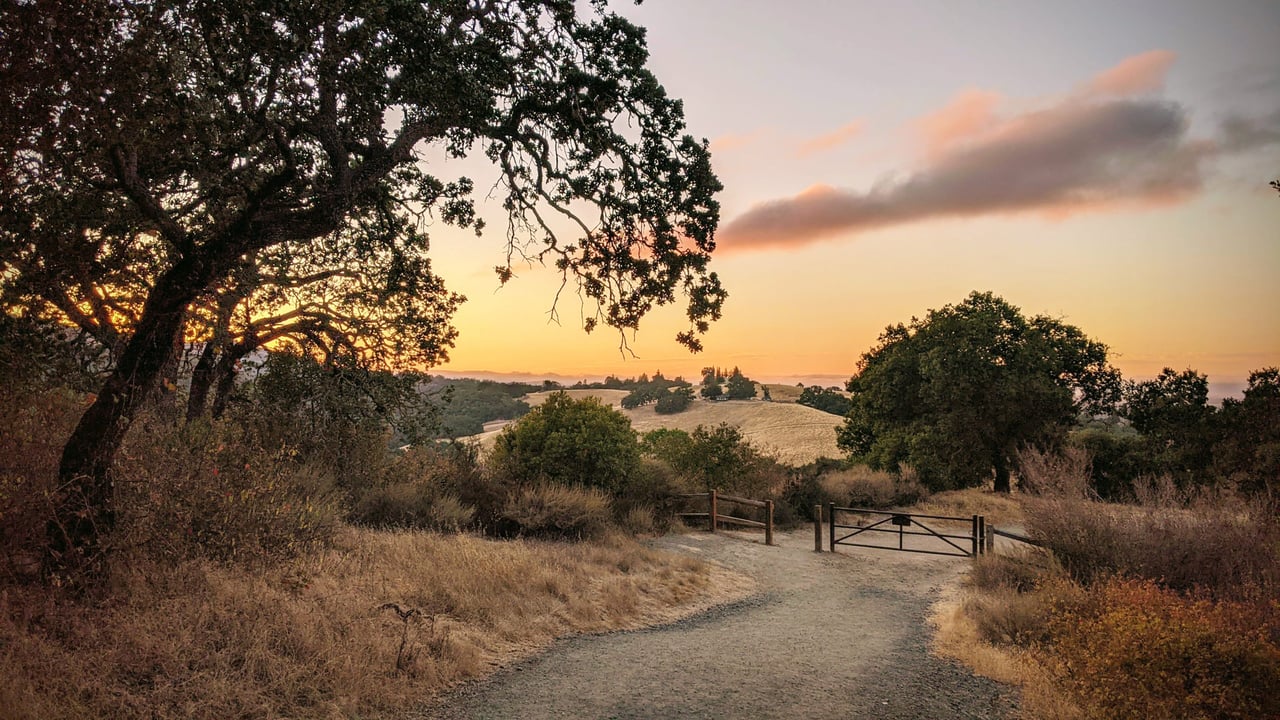
Bedwell Bayfront Park is the crown jewel of Menlo Park's outdoor landscape. At 160 acres on the edge of the San Francisco Bay, it offers miles of hiking and biking trails with panoramic water views, world-class bird watching within the Don Edwards National Wildlife Refuge, and some of the most memorable sunset vistas on the Peninsula. It is the kind of place that surprises newcomers and keeps long-term residents deeply attached to the city.
Sharon Park in the Sharon Heights neighborhood is quieter and more intimate — a tranquil lakeside retreat with walking paths, a fountain, and a gazebo that draws residents looking for a contemplative afternoon away from the busier park facilities.
Nealon Park features lighted tennis courts and a well-maintained dog park with separate areas for small and large breeds, making it a daily destination for a significant portion of the city's pet-owning population.
For cyclists and runners, the Alpine Trail offers a paved multi-use path starting at Santa Cruz Avenue and winding toward the foothills along the edge of the Stanford Golf Course. The San Francisquito Creek Trail and the city's network of designated bike boulevards — including Bryant Street — make car-free commuting and recreation genuinely practical, not merely aspirational.
Golf is served by the private Sharon Heights Golf & Country Club within city limits, with public options at Baylands Golf Links in Palo Alto and Shoreline Golf Links in Mountain View.
Menlo Park's educational profile is one of the primary reasons families pay its real estate premium, and the reputation is well-earned.
The Menlo Park City School District (MPCSD) consistently ranks among the top public districts in California. Elementary schools — Oak Knoll, Encinal, and Laurel — are known for high parent involvement, integrated STEAM programming, and strong academic outcomes. Hillview Middle School serves the district's 6th through 8th graders with an "Academy" model and an outstanding performing arts program. High school students primarily feed into Menlo-Atherton High School, part of the Sequoia Union High School District, which offers a broad range of AP coursework and a distinctive open-campus architecture.
A small pocket of West Menlo Park falls within the Las Lomitas Elementary School District, which includes Las Lomitas Elementary and La Entrada Middle School — both highly rated and among the most sought-after public school assignments on the Peninsula.
Private school options are exceptional. Menlo School (grades 6 through 12), located in adjacent Atherton, is one of the most prestigious college preparatory institutions in the country. Sacred Heart Schools offers a PK-12 Catholic education on a sprawling Atherton campus with a strong academic and service-learning reputation. Peninsula School — a progressive PK-8 program housed in a Victorian mansion — attracts families seeking an alternative educational philosophy without sacrificing academic rigor.
For younger children, preschool options include Phillips Brooks School, University Heights Montessori, and Bing Nursery School on the Stanford campus. At the university level, Stanford University literally borders Menlo Park's southern edge, and Menlo College — a private, business-focused institution — is located just blocks away in Atherton.
Menlo Park is as well-positioned for commuting as any city on the Peninsula, with multiple transit corridors serving different destinations and commuter profiles.
By car, residents have immediate access to both Highway 101 (the primary bayshore artery connecting San Francisco to San Jose) and I-280 (the Junipero Serra Freeway through the western hills, widely considered one of the most scenic commuting routes in the country and often faster than 101 during peak hours). The Dumbarton Bridge on Highway 84 provides direct access to the East Bay, connecting to Fremont and Union City without requiring a detour through San Jose or San Francisco.
By rail, the Menlo Park Caltrain Station is a historic anchor of the downtown corridor and a major service stop. The 2025–2026 electrification of the Caltrain fleet has meaningfully improved service frequency and speed — San Francisco is now reachable in approximately 45 minutes on an express "Baby Bullet" run, making the train a genuinely competitive alternative to driving for many commuters.
By bus, SamTrans provides countywide connectivity, including service to the Stanford Shopping Center and Redwood City.
By shuttle, Menlo Park serves as a primary hub for private employer commuter coaches, with Marsh Road and Willow Road shuttles bridging the distance between the Caltrain station and large employers like Meta. For qualifying employees, these services represent a significant quality-of-life advantage.
By bike, Menlo Park's infrastructure is among the best in the Bay Area. Dedicated bike boulevards, the San Francisquito Creek Trail, and the city's Safe Routes to School program have normalized cycling as a daily transportation mode — not just a recreational activity. Morning "bike trains" of school-age children are a common sight and a reliable indicator of how genuinely livable the streets are.
Within Menlo Park's already desirable geography, certain micro-locations command consistent premiums and appear with regularity on buyers' short lists.
West Menlo Park — loosely bounded by Encinal Avenue, Valparaiso Avenue, and the Atherton border — is the city's most prestigious residential address. Lots here tend to be larger, trees are older and more dramatic, and new construction projects routinely exceed $5 million. Proximity to both Menlo School and the Las Lomitas school district amplifies the demand.
Felton Gables, tucked in the southwestern corner of the city, is a quiet, heavily wooded neighborhood of estate-scale properties that rarely come to market. When they do, they attract buyers looking for privacy and lot size that is increasingly difficult to find anywhere on the Mid-Peninsula.
The Willows is the neighborhood most often described by longtime residents as the heart of Menlo Park — tree-lined, family-oriented, and architecturally charming. Properties here tend to be mid-century ranches and bungalows on 6,000 to 8,000 square foot lots, with prices in the $2.5 million to $3.5 million range. Streets like Oakdell Drive, Felton Drive, and Avy Avenue are perennially popular.
Allied Arts sits adjacent to the historic Allied Arts Guild and reflects its creative heritage in its housing stock — a mix of craftsman bungalows, Spanish Revival cottages, and thoughtfully updated mid-century ranches. It is one of the most walkable neighborhoods in the city and retains a sense of architectural character that new construction cannot replicate.
Sharon Heights offers a more elevated setting, literally and figuratively. Hillside lots, mature landscaping, and a mix of condominiums and larger family homes make it attractive to both downsizers and buyers seeking a quieter perch above the flat valley floor. The Sharon Heights Golf & Country Club anchors the neighborhood's identity and its price floor.
Ask long-term residents why they stay, and the answers converge on the same themes: the feeling of being in the right place without having to prove it.
Menlo Park does not try to be San Francisco — it is content being itself. The neighborhoods feel lived-in rather than curated. The schools are genuinely excellent rather than merely credentialed. The outdoor spaces are accessible and varied. The commuting infrastructure, for a suburban city, is surprisingly robust. And the social fabric — shaped by decades of community events, neighborhood schools, and a shared civic investment in what the city looks like and how it functions — holds together in ways that newer developments simply cannot manufacture.
There is also the practical reality that Menlo Park sits at the intersection of the Bay Area's two most powerful economic corridors. The career optionality available to residents — between Sand Hill Road, the South Bay tech campuses, and San Francisco — is extraordinary. For dual-income households in particular, the geographic positioning of Menlo Park often represents the optimal midpoint.
And then there is the light. The Mediterranean climate, the mature tree canopy, the wide lots, the indoor-outdoor architecture — they combine to create a physical environment that is, genuinely and measurably, beautiful. It is the kind of place where daily life feels like it should. That is not a small thing, and residents know it.
Navigating Menlo Park's real estate market — whether you're buying your first home in The Willows, selling an estate in West Menlo, or managing an investment property portfolio across the Mid-Peninsula — requires a level of local knowledge and transactional precision that only comes from deep experience in the market itself.
Tim Proschold brings that expertise. With a primary focus on Menlo Park and an active presence across Palo Alto, Redwood City, Los Altos, Mountain View, San Carlos, and Belmont, Tim works with both buyers and sellers across the full spectrum of property types — single-family homes, luxury estates, condos, townhomes, and investment properties. His approach is grounded in data, guided by strategy, and built on a genuine understanding of what makes each neighborhood within this market function the way it does.
If you are considering a move to or from Menlo Park — or simply want a professional perspective on where the market is headed — Tim is the right conversation to start. Reach out directly to begin.
There's plenty to do around Menlo Park, including shopping, dining, nightlife, parks, and more. Data provided by Walk Score and Yelp.
Explore popular things to do in the area, including Chavez Markets Distribution, Markstyle Book Store, and Prostuff.
| Name | Category | Distance | Reviews |
Ratings by
Yelp
|
|---|---|---|---|---|
| Dining | 0.24 miles | 0 reviews | 0/5 stars | |
| Shopping | 1.1 miles | 0 reviews | 0/5 stars | |
| Shopping | 1.17 miles | 0 reviews | 0/5 stars | |
| Active | 0.73 miles | 0 reviews | 0/5 stars | |
| Active | 1.12 miles | 0 reviews | 0/5 stars | |
| Active | 1.43 miles | 0 reviews | 0/5 stars | |
| Active | 1.71 miles | 0 reviews | 0/5 stars | |
| Active | 1.71 miles | 0 reviews | 0/5 stars | |
| Beauty | 1.1 miles | 1 review | 5/5 stars | |
| Beauty | 1.38 miles | 4 reviews | 5/5 stars | |
| Beauty | 1.48 miles | 3 reviews | 3.7/5 stars | |
|
|
||||
|
|
||||
|
|
||||
|
|
||||
|
|
||||
|
|
Menlo Park has 11,624 households, with an average household size of 2.71. Data provided by the U.S. Census Bureau. Here’s what the people living in Menlo Park do for work — and how long it takes them to get there. Data provided by the U.S. Census Bureau. 32,775 people call Menlo Park home. The population density is 3,281 and the largest age group is Data provided by the U.S. Census Bureau.
Total Population
Population Density Population Density This is the number of people per square mile in a neighborhood.
Median Age
Men vs Women
Population by Age Group
0-9 Years
10-17 Years
18-24 Years
25-64 Years
65-74 Years
75+ Years
Education Level
Total Households
Average Household Size
Average individual Income
Households with Children
With Children:
Without Children:
Marital Status
Blue vs White Collar Workers
Blue Collar:
White Collar:
September 24, 2026
July 23, 2026
September 17, 2026
September 17, 2026
September 10, 2026
September 10, 2026
September 10, 2026
September 3, 2026
May 21, 2026
December 4, 2025
August 27, 2026
August 27, 2026
August 20, 2026
July 16, 2026
Property Management
June 23, 2026
A Palo Alto landlord's guide to AB 1482 rent caps, just-cause eviction, security deposit limits
March 26, 2026
January 1, 2026
January 22, 2026
Tim Proschold | October 6, 2025
August 13, 2026
August 13, 2026
July 16, 2026
August 6, 2026
July 16, 2026
June 25, 2026
July 23, 2026
July 16, 2026
Property Management
June 23, 2026
Menlo Park property management guide for owners
July 9, 2026
July 2, 2026
April 2, 2026
June 18, 2026
June 11, 2026
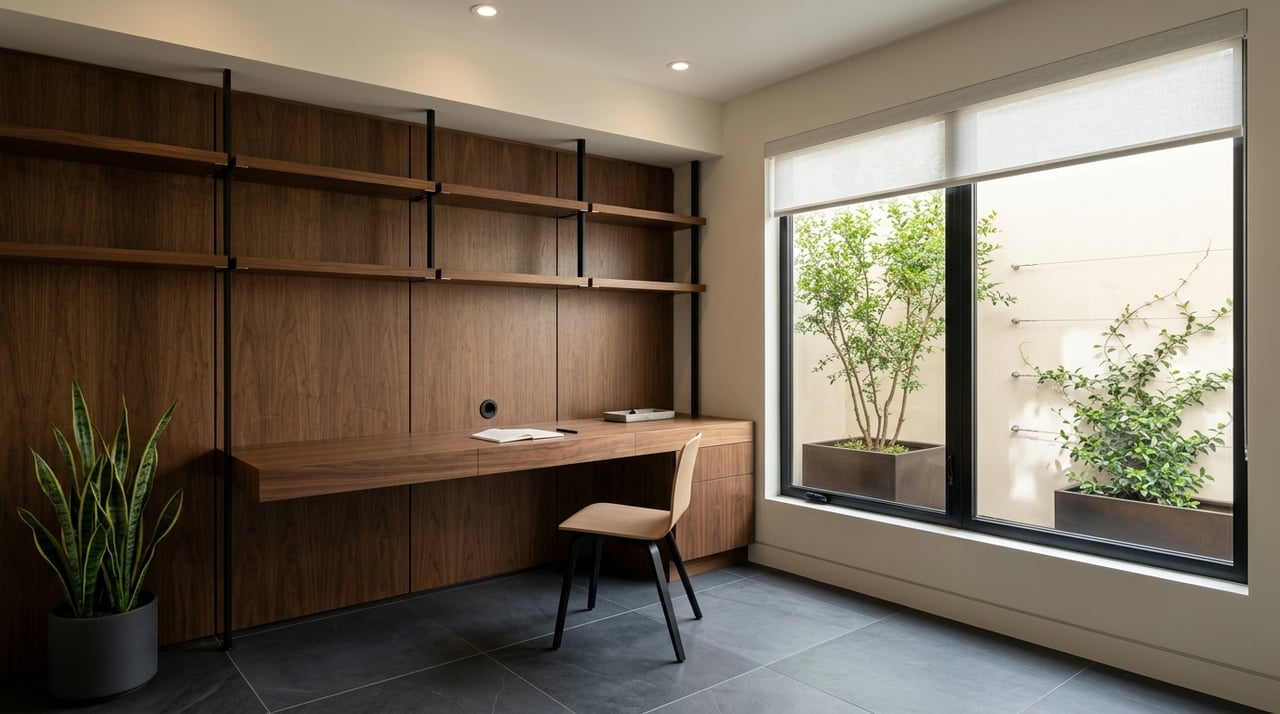
June 4, 2026
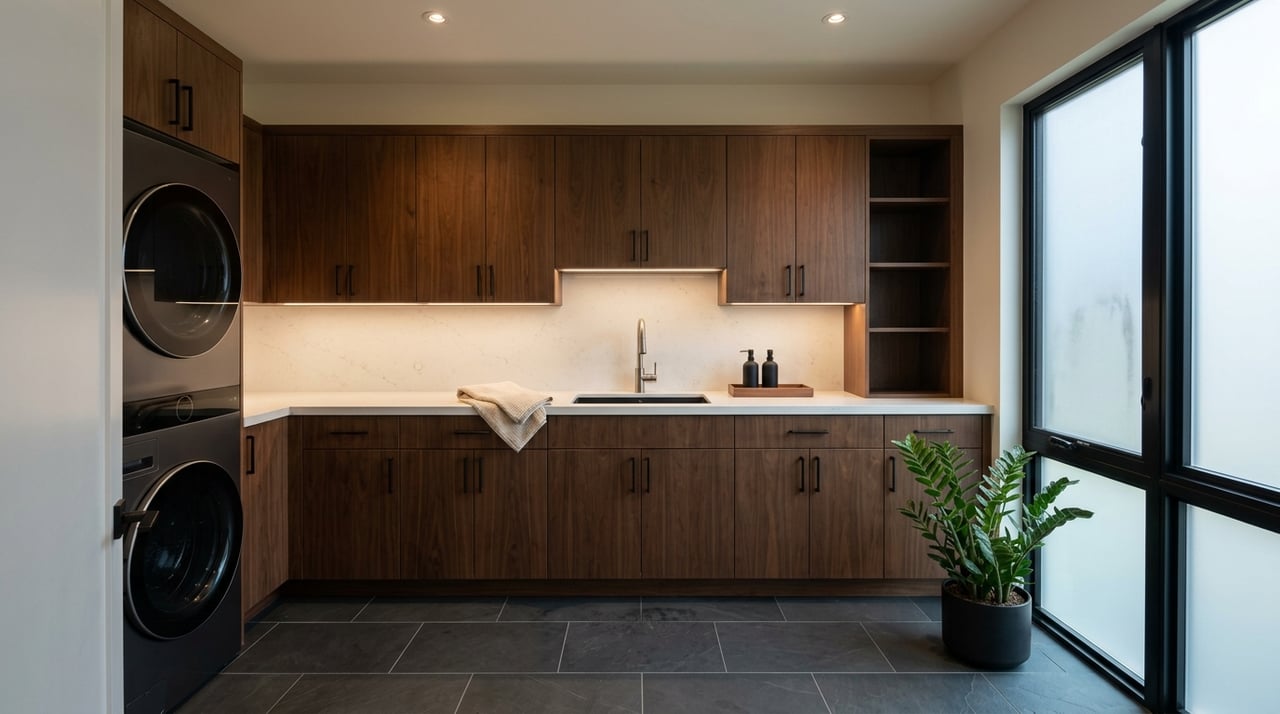
April 16, 2026
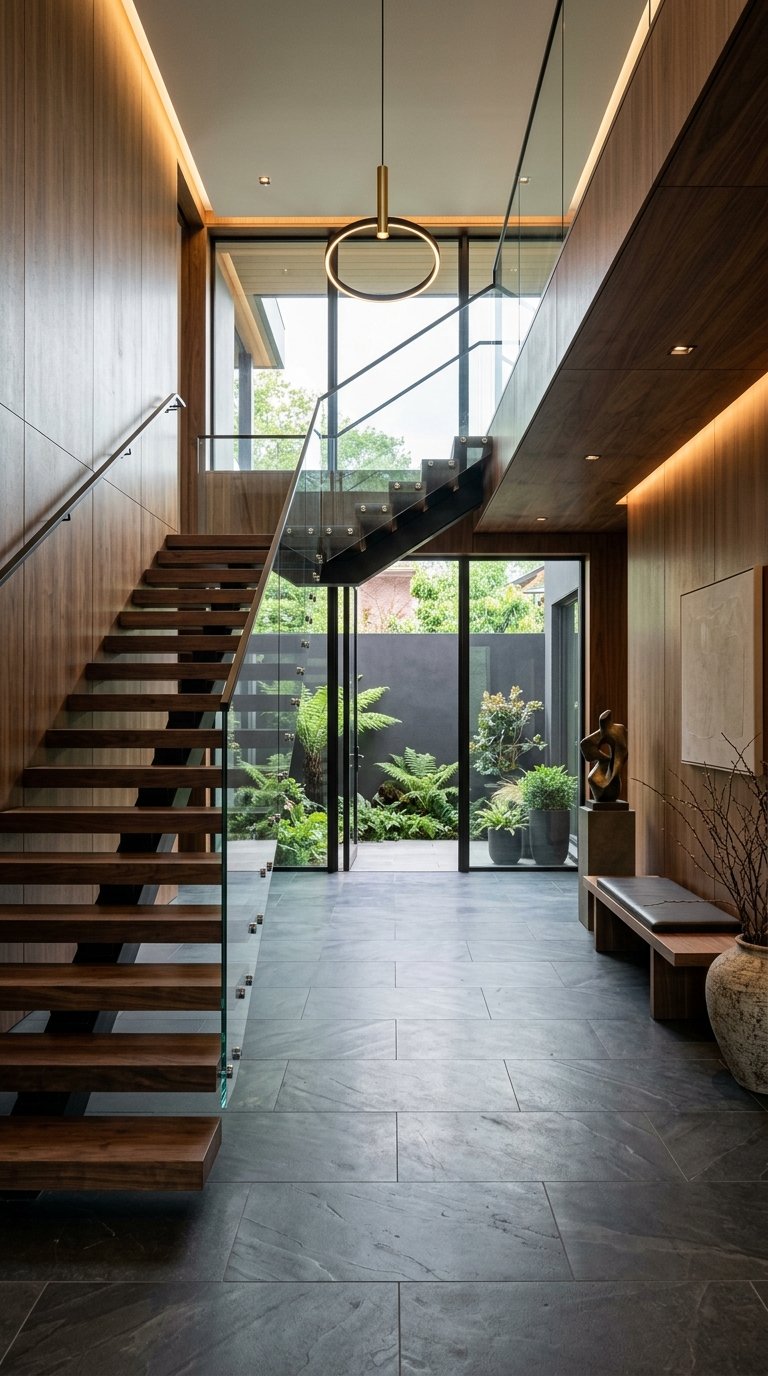
May 28, 2026
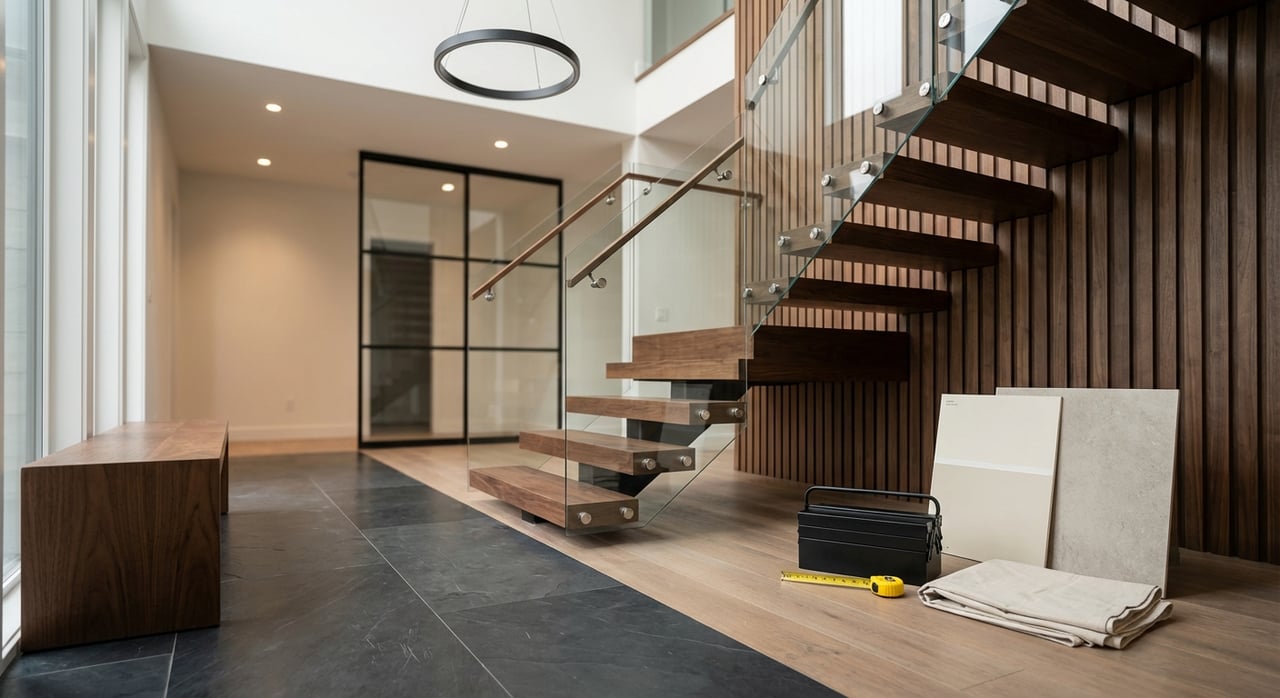
February 19, 2026
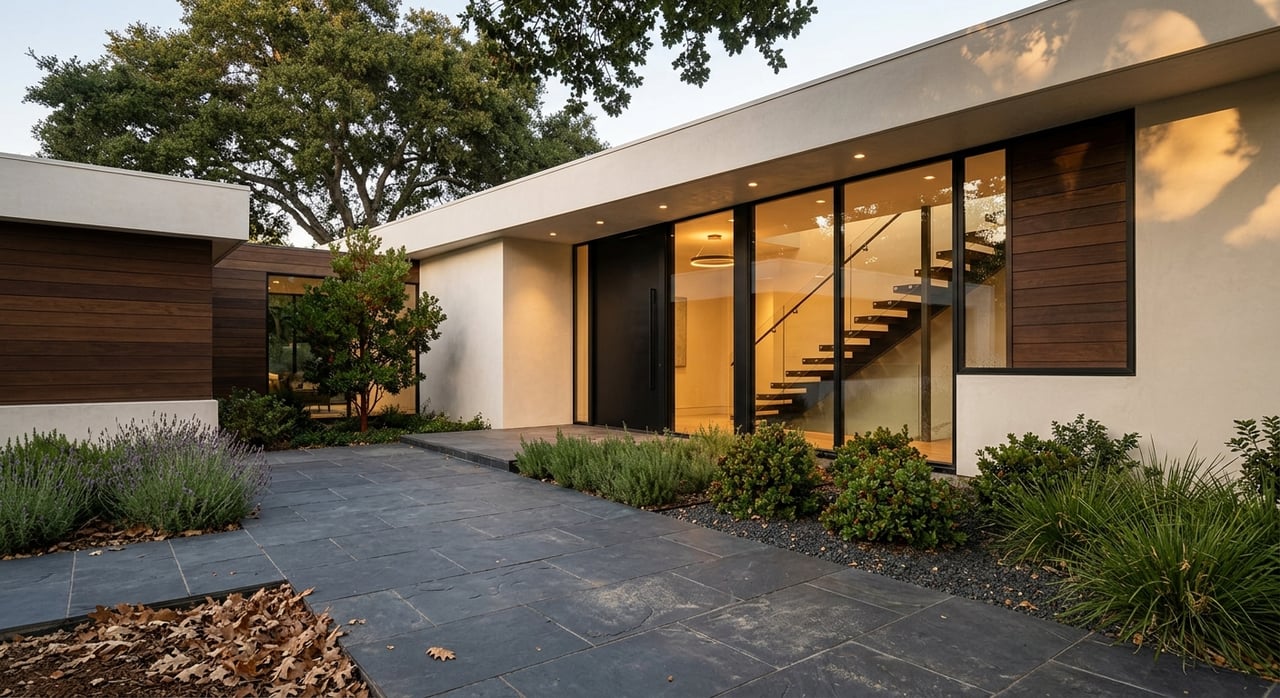
May 14, 2026
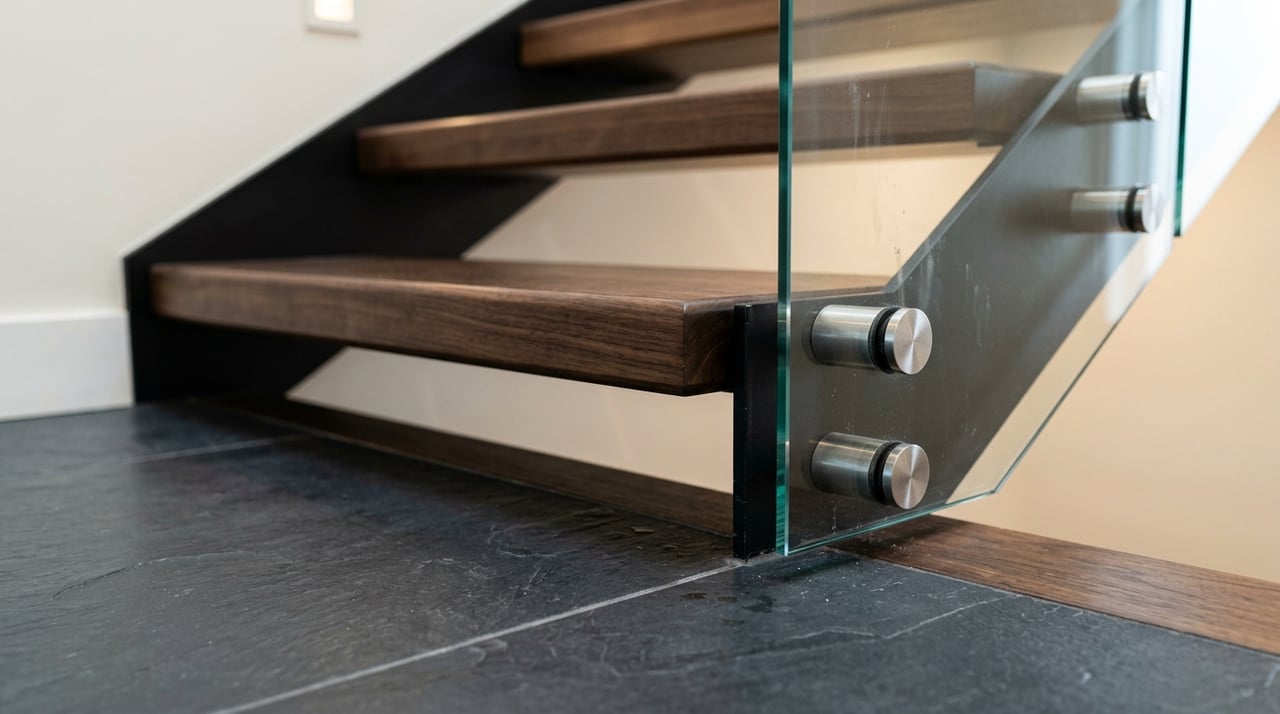
May 7, 2026
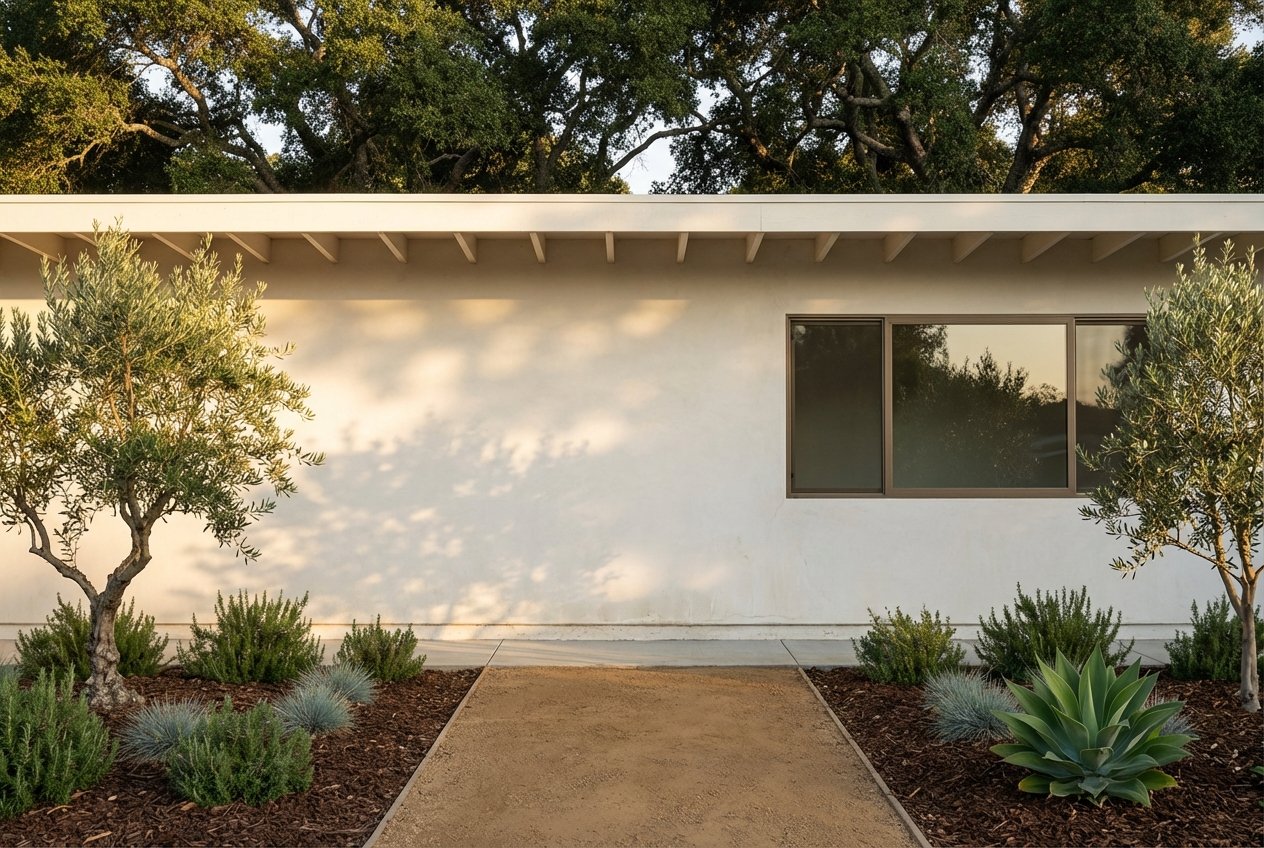
March 26, 2026
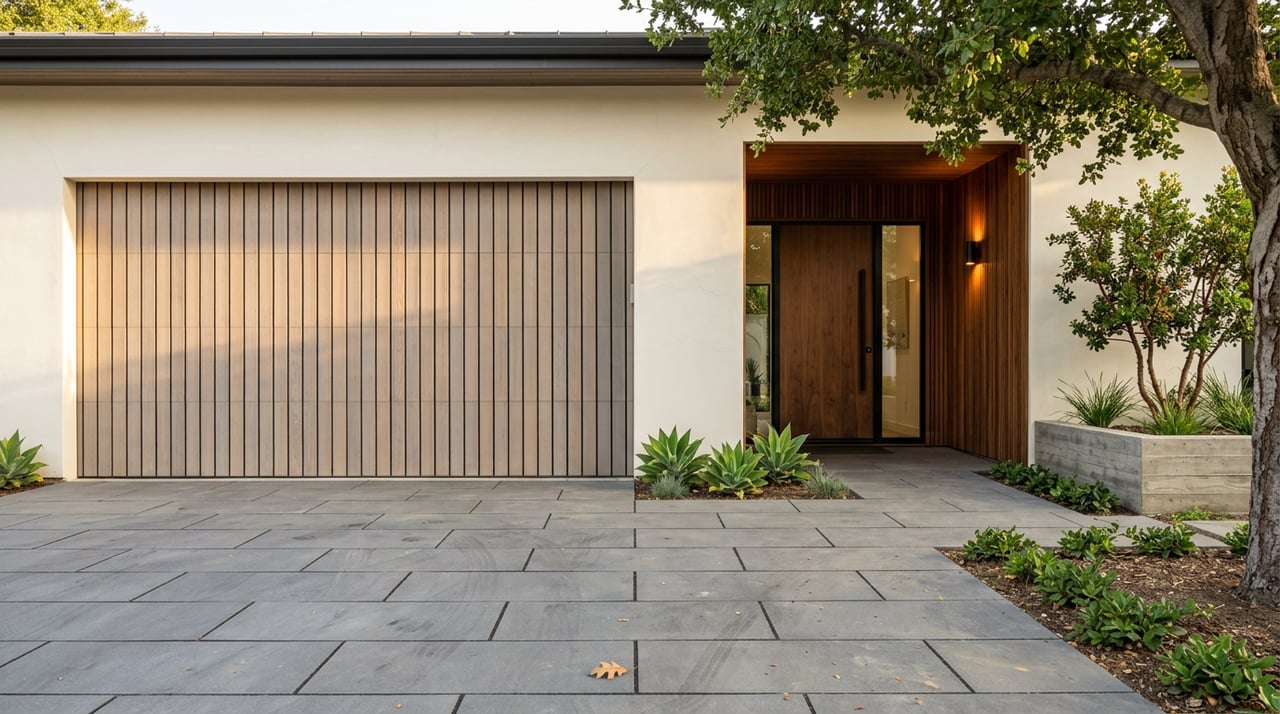
March 24, 2026
April 23, 2026
March 5, 2026
April 9, 2026
Market Trends
Tim Proschold | July 9, 2024
Prices and Market Action for the Santa Clara Real Estate Market Past 3 Years
January 8, 2026
March 26, 2026
January 15, 2026
March 12, 2026
February 26, 2026
February 5, 2026
February 12, 2026
December 4, 2025
November 27, 2025
December 25, 2025
Market Trends
Tim Proschold | July 10, 2024
Prices and Market Action for the Los Altos Real Estate Market Past 3 Years
December 18, 2025
Lifestyle
September 25, 2025
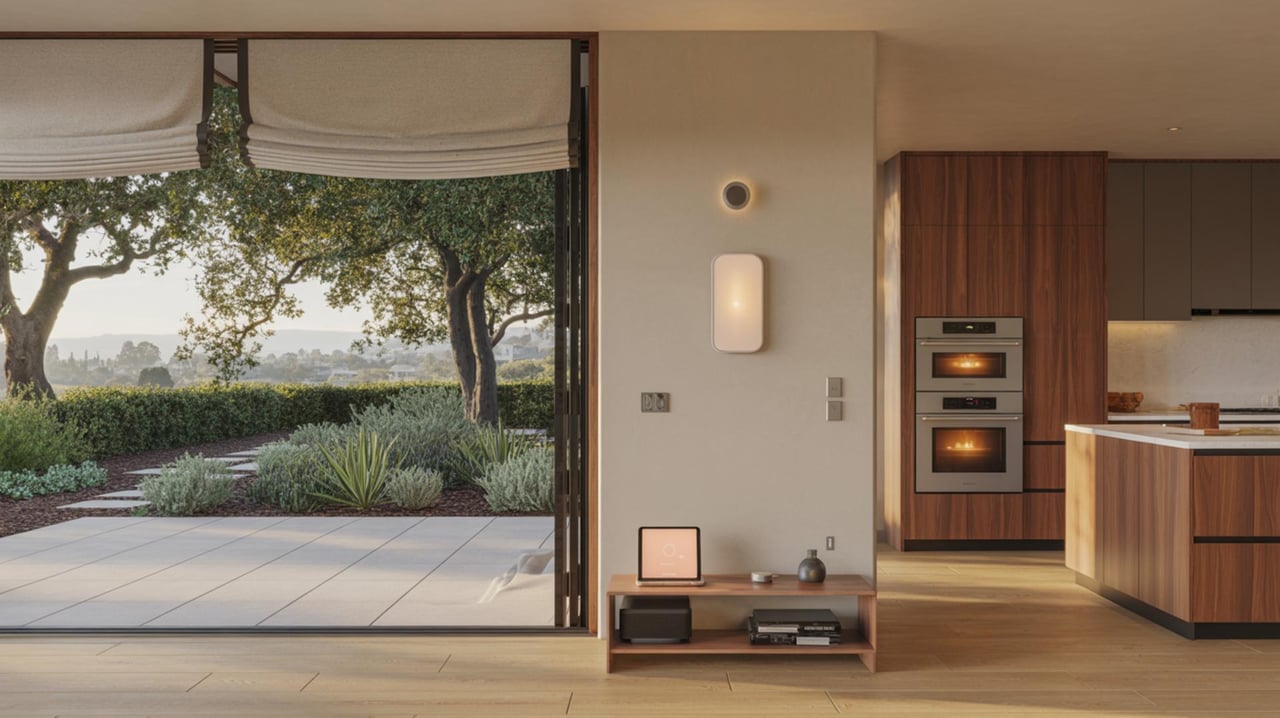
Essential Smart Home Gadgets for Los Altos Living

December 11, 2025
November 14, 2025
November 21, 2025
Market Trends
Tim Proschold | June 13, 2024
Prices and Market Action for the Menlo Park Real Estate Market through May 2024
Market Trends
Tim Proschold | October 2, 2025
Prices and Market Action for the Menlo Park Real Estate Market Past 3 Years
November 27, 2025

October 30, 2025

Tim Proschold | October 30, 2025

November 5, 2025
May 5, 2023
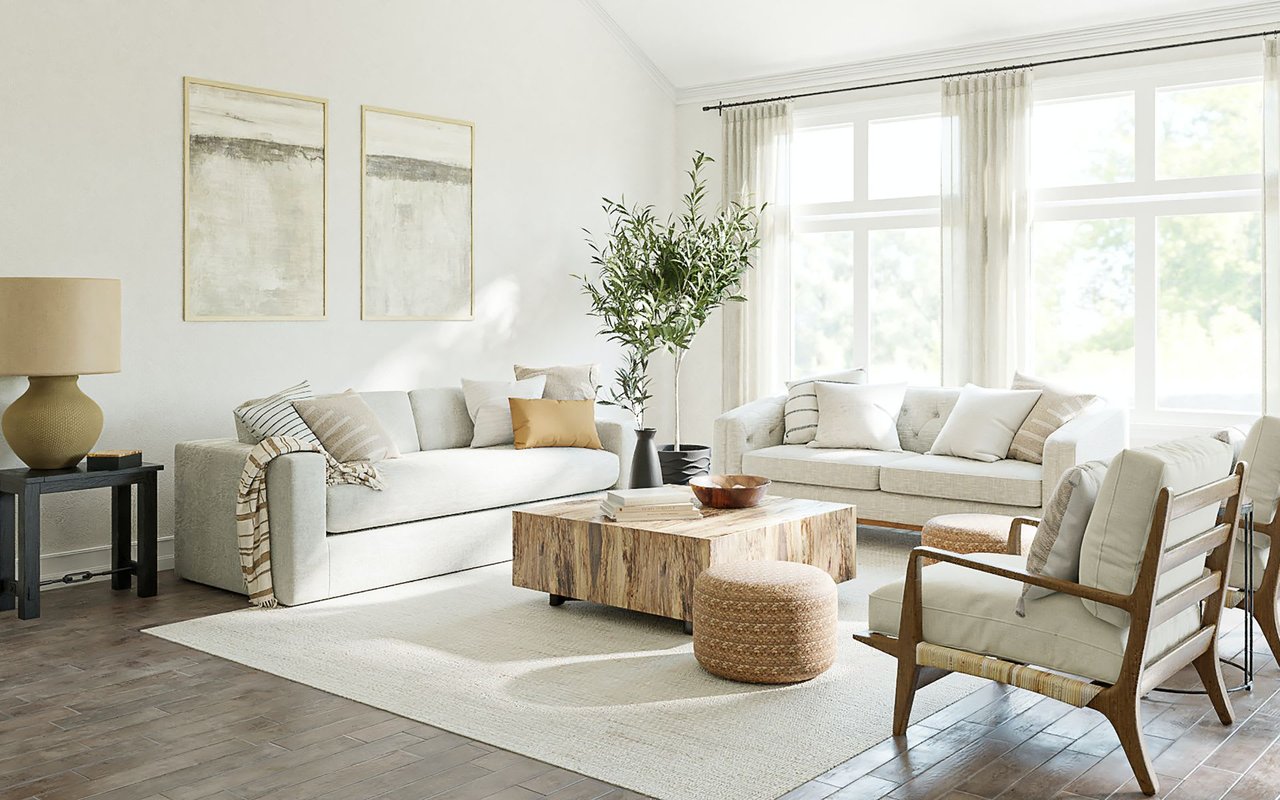
Real estate has long been considered a reliable and lucrative investment for wealth preservation.
February 2, 2023
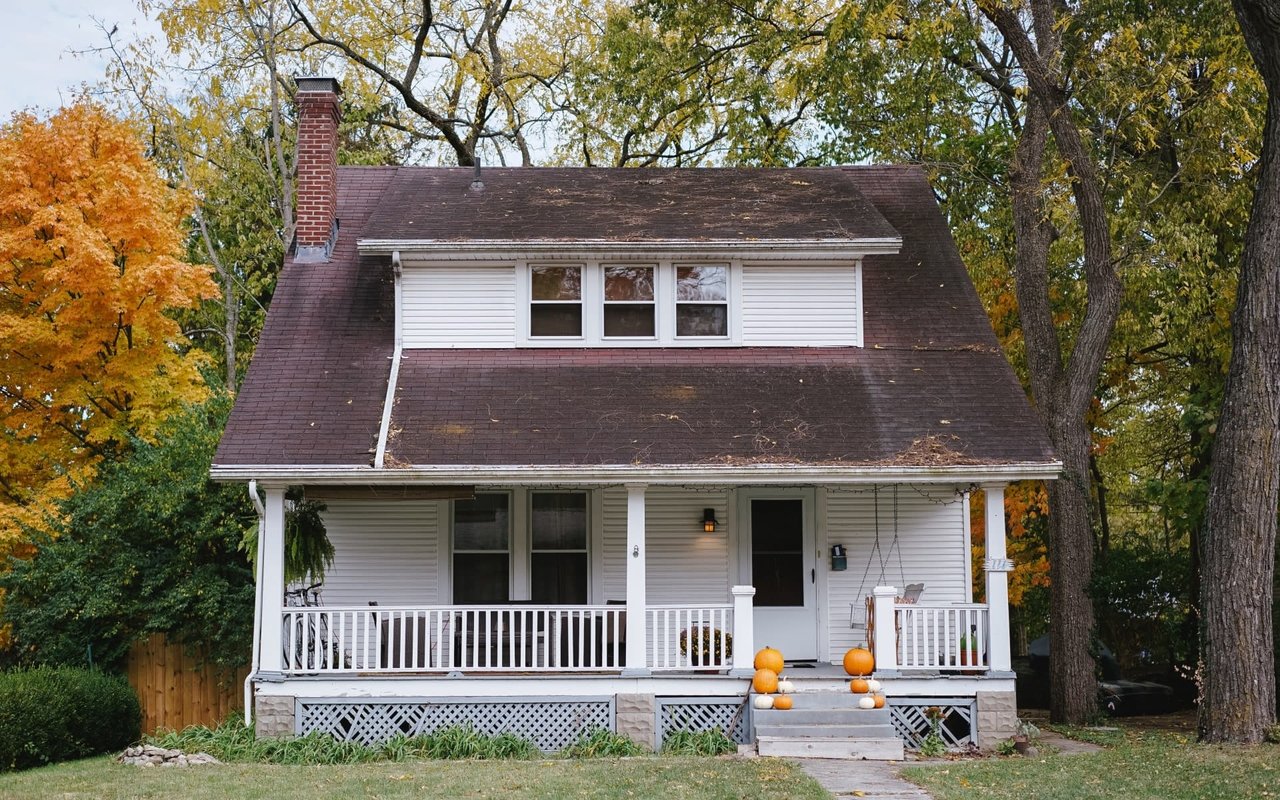
You need to work with a knowledgeable and experienced real estate professional who can guide you through the process.
May 22, 2023
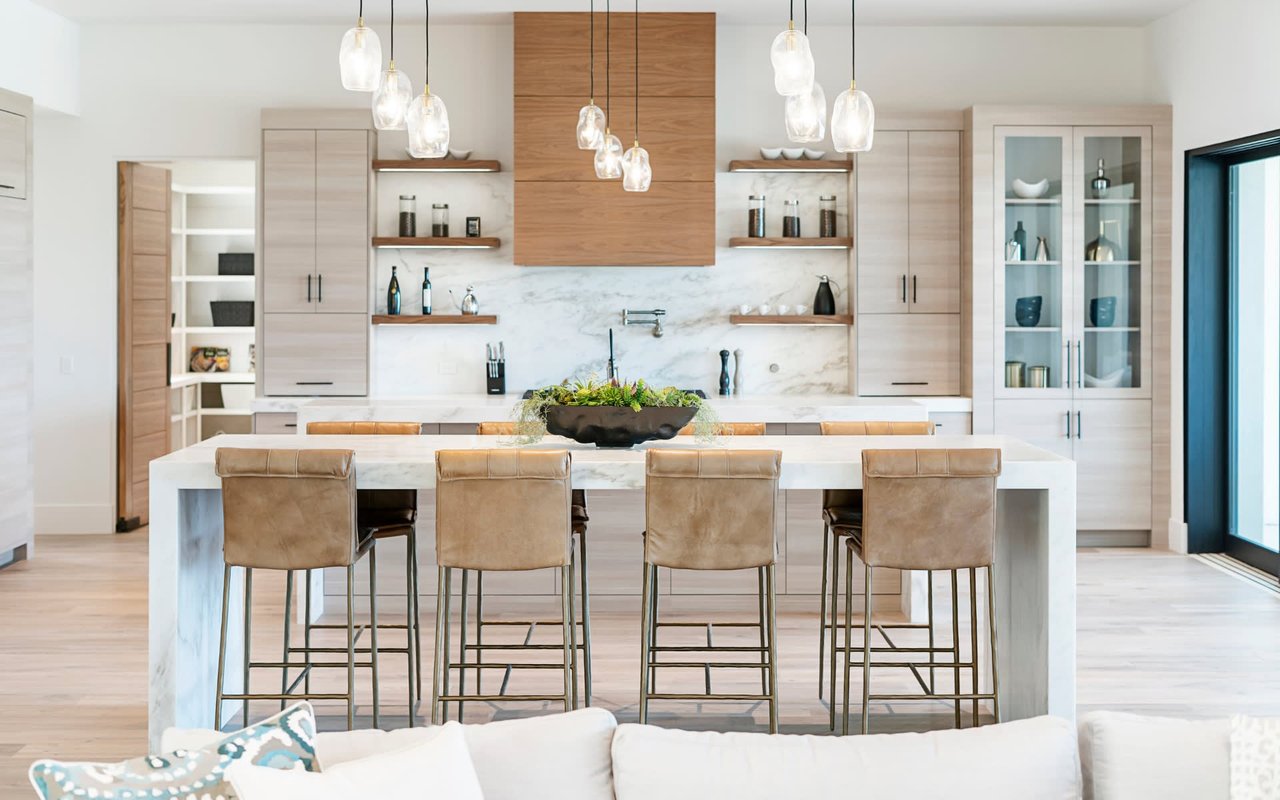
While it is improbable that the United States government would ever default on its debt.

April 17, 2023
As we grow older, the importance of financial security and well-being takes on greater significance.

November 6, 2025
October 23, 2025
Market Trends
Tim Proschold | October 23, 2025
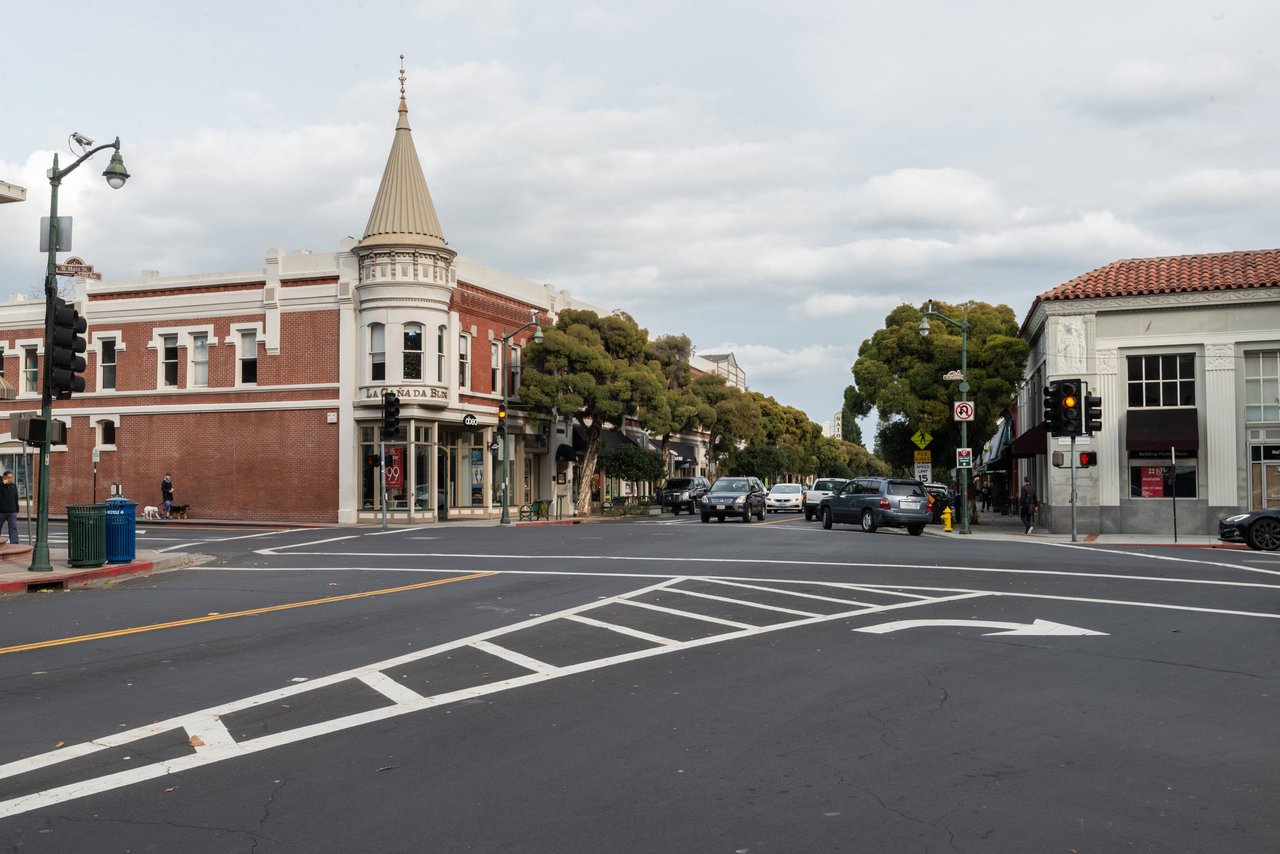
Prices and Market Action for the Los Gatos Real Estate Market Past 3 Years
Market Trends
Tim Proschold | October 16, 2025
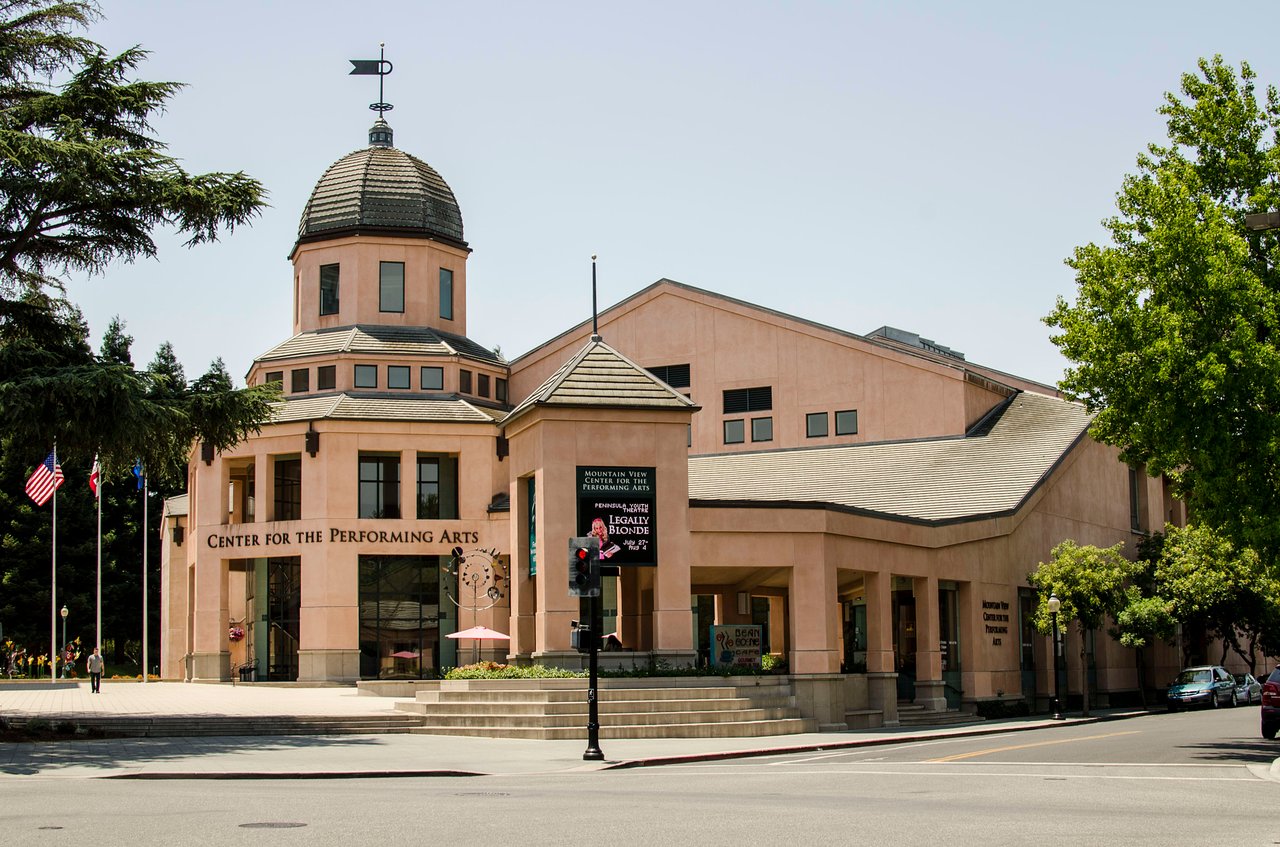
Prices and Market Action for the Mountain View Real Estate Market Past 3 Years
October 16, 2025
Market Trends
Tim Proschold | September 25, 2025
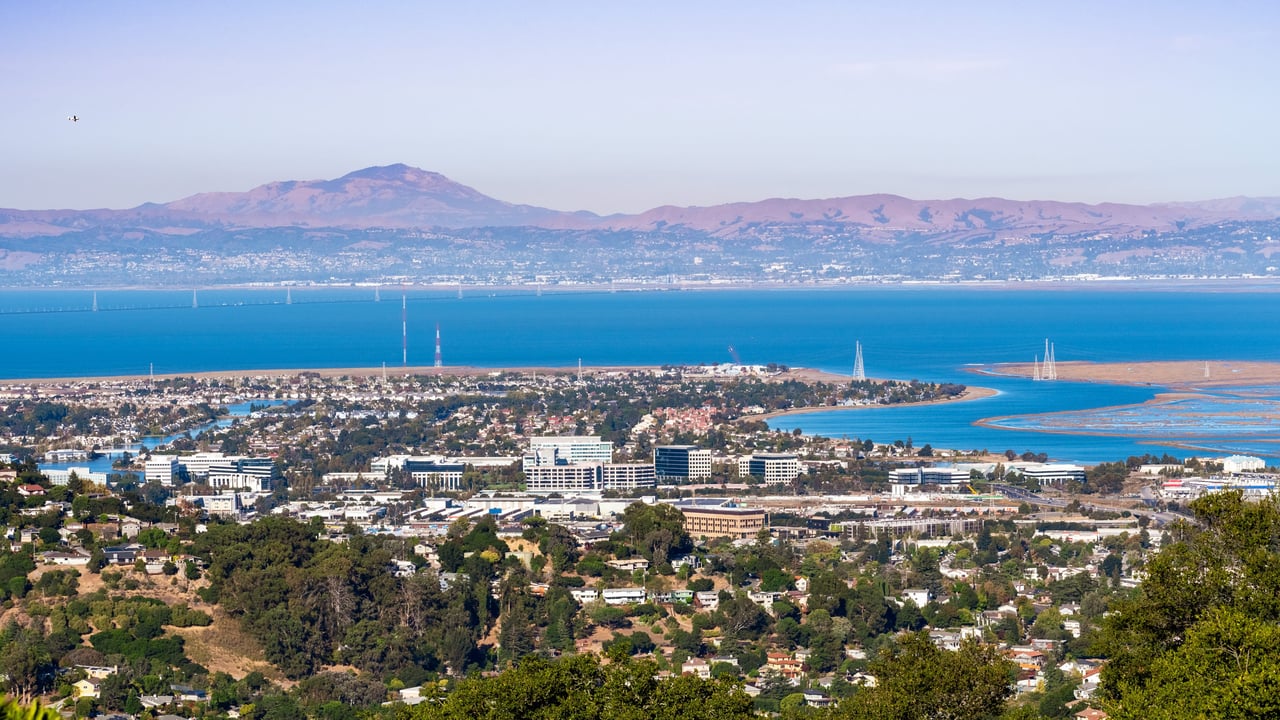
Prices and Market Action for the San Carlos Real Estate Market Past 3 Years
Real Estate
September 25, 2025
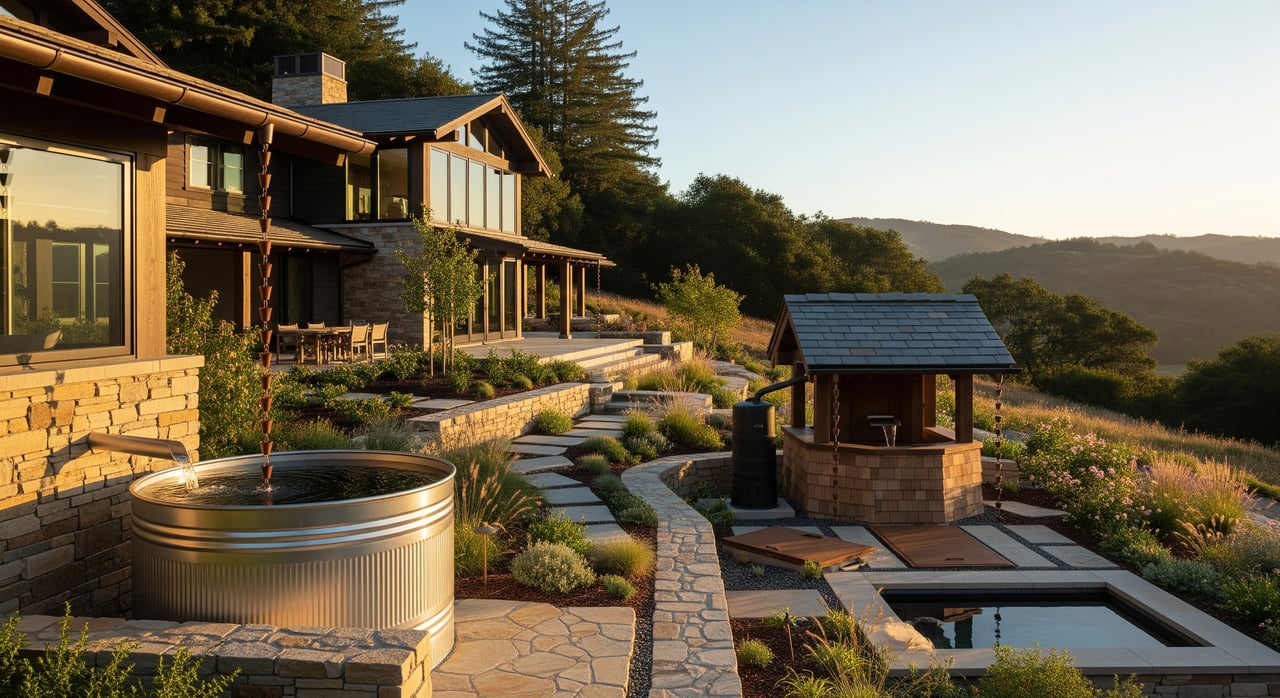
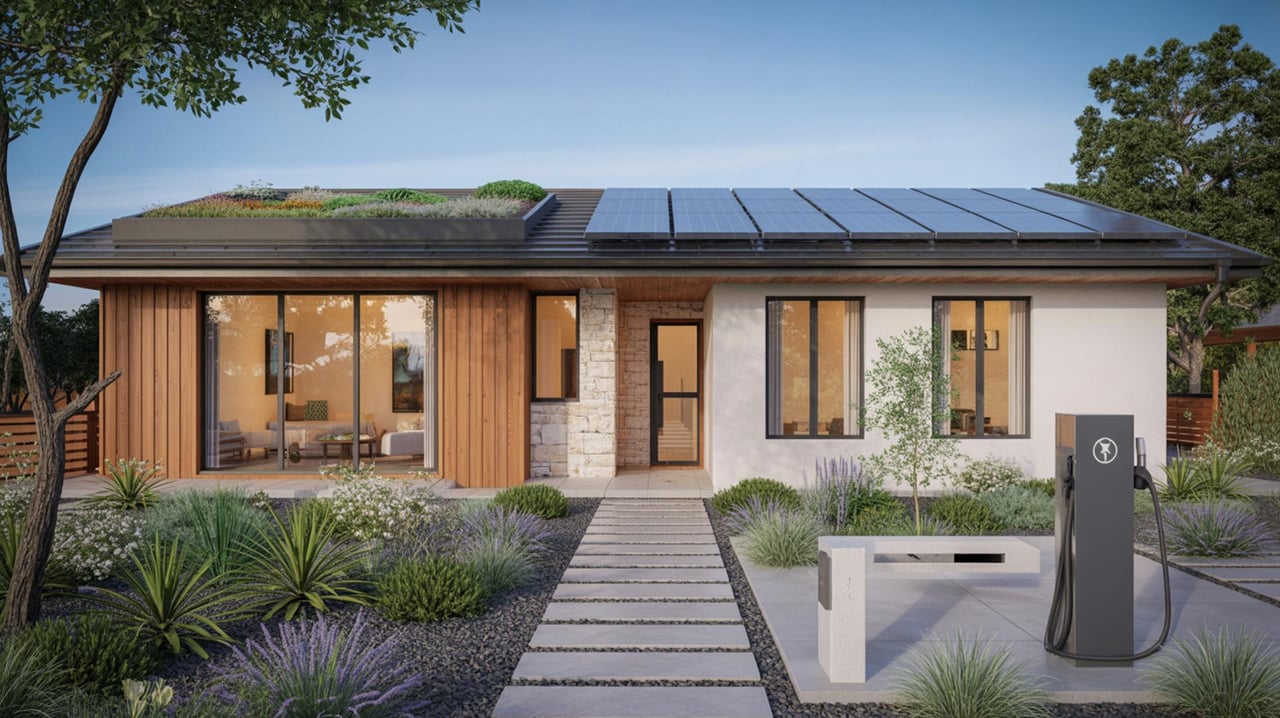
Enhance Your Home's Worth with Sustainable Solutions in Los Altos
October 27, 2023
Real estate statistics are often touted as a reliable indicator of the health and growth of a local market.
November 7, 2023
It's essential to consider your financial objectives, tax implications, and personal circumstances when making a decision.
Market Trends
Tim Proschold | September 18, 2025
Prices and Market Action for the Redwood City Real Estate Market Past 3 Years
Market Trends
Tim Proschold | September 11, 2025
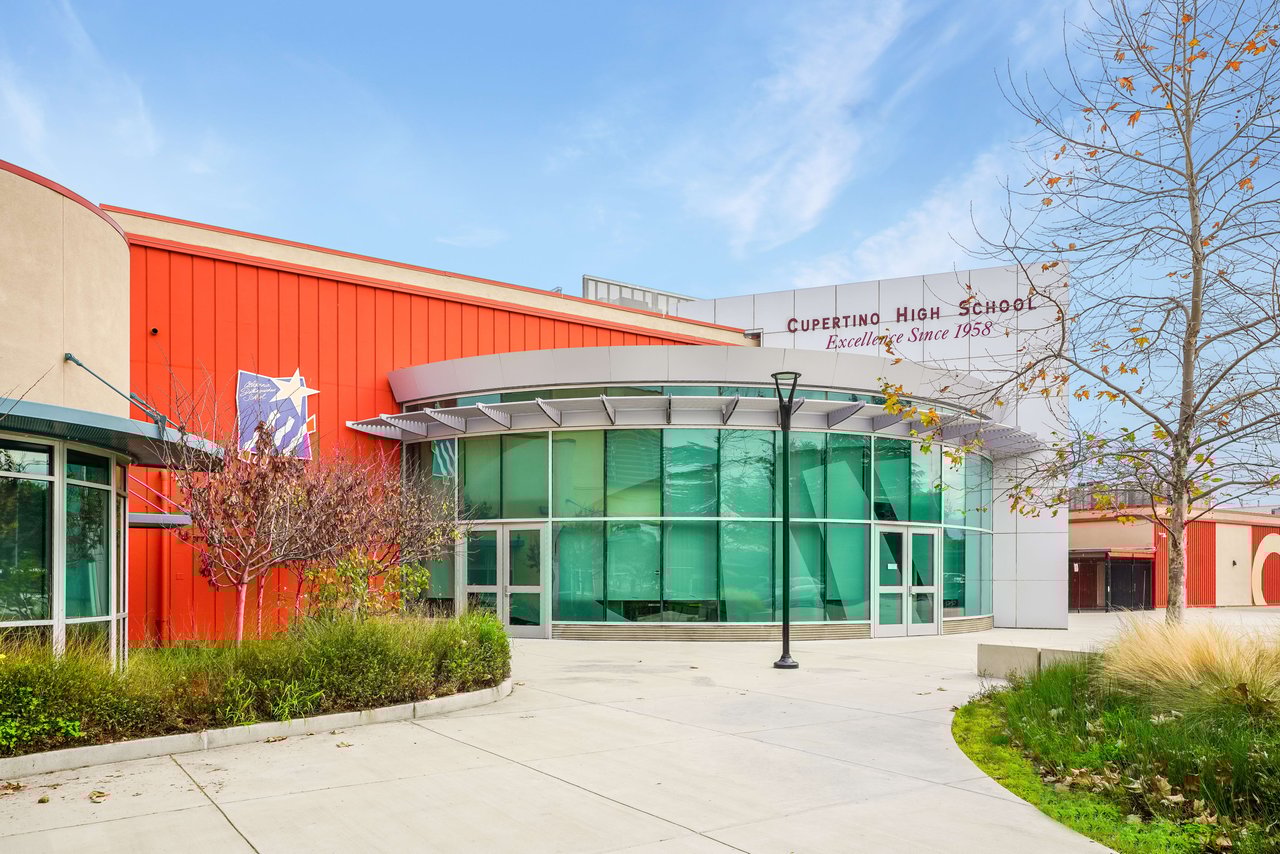
Prices and Market Action for the Cupertino Real Estate Market Past 3 Years
Market Trends
Tim Proschold | September 4, 2025
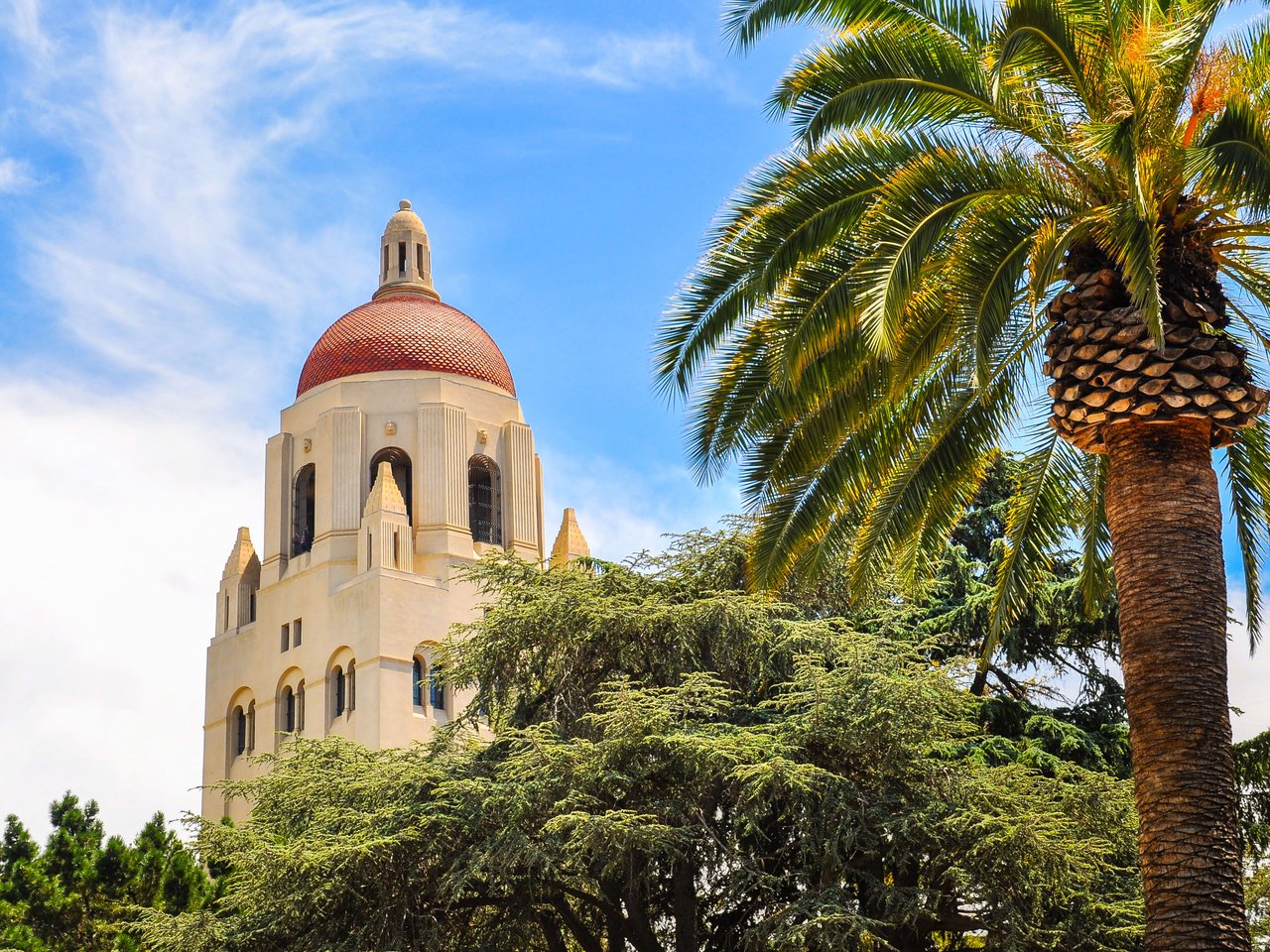
Prices and Market Action for the Palo Alto Real Estate Market Past 3 Years
Market Trends
Tim Proschold | July 9, 2024
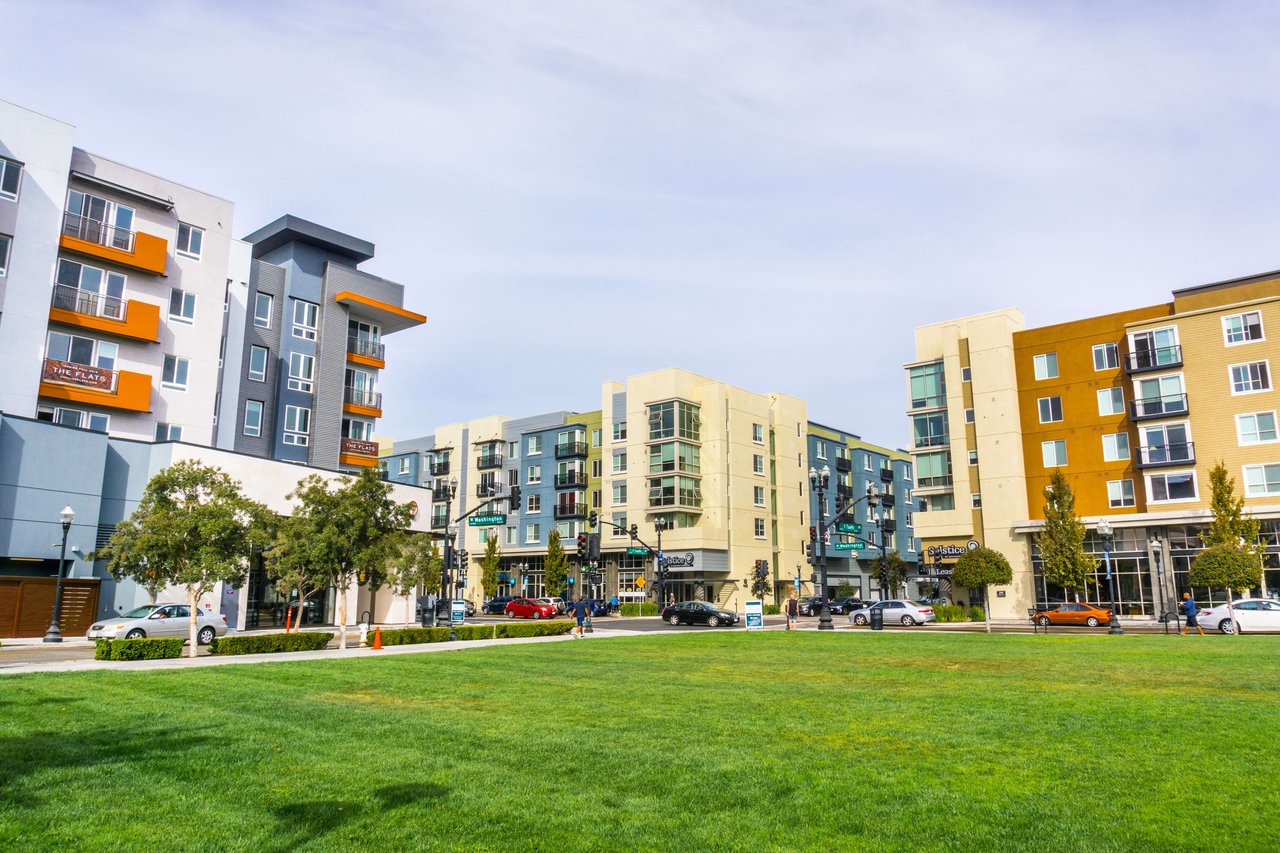
Prices and Market Action for the Sunnyvale Real Estate Market Past 3 Years
Market Trends
Tim Proschold | July 9, 2024
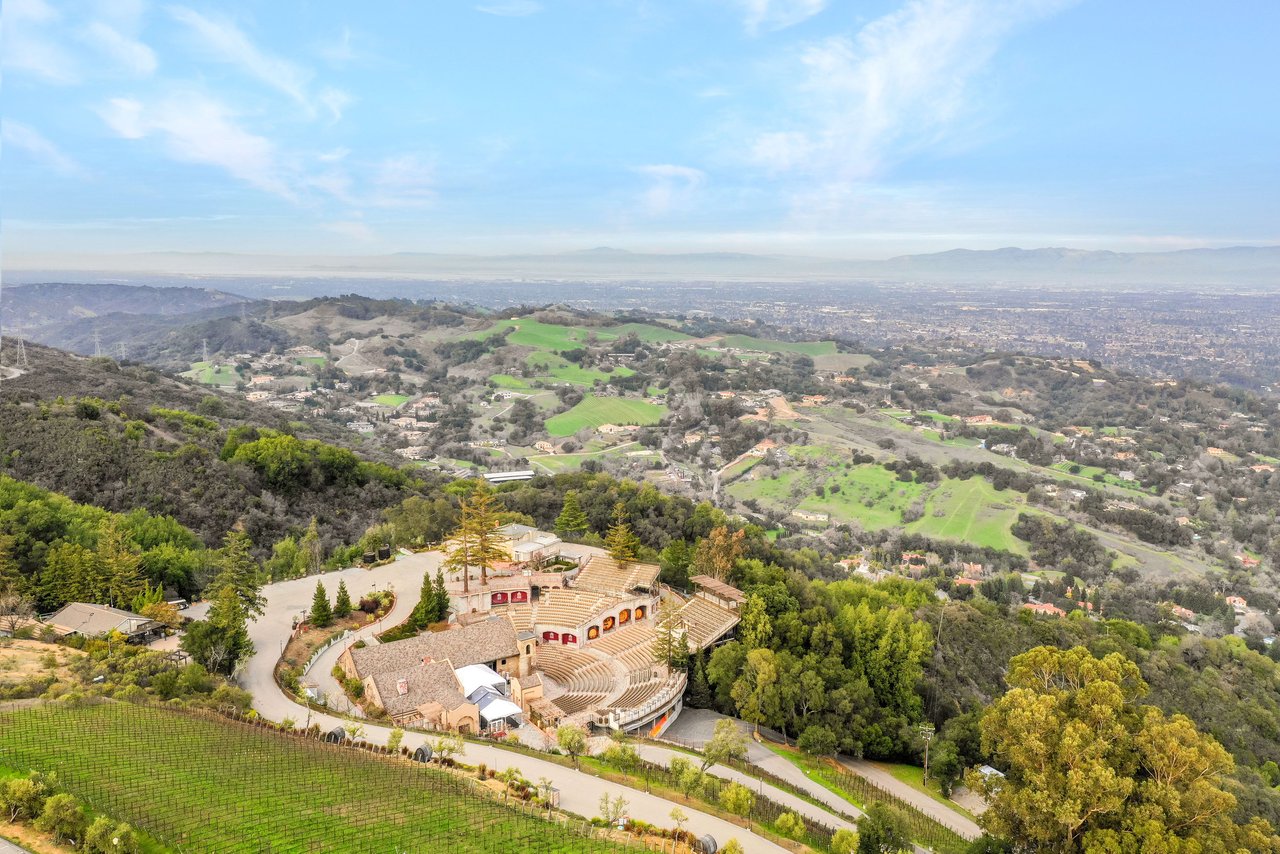
Prices and Market Action for the Saratoga Real Estate Market Past 3 Years
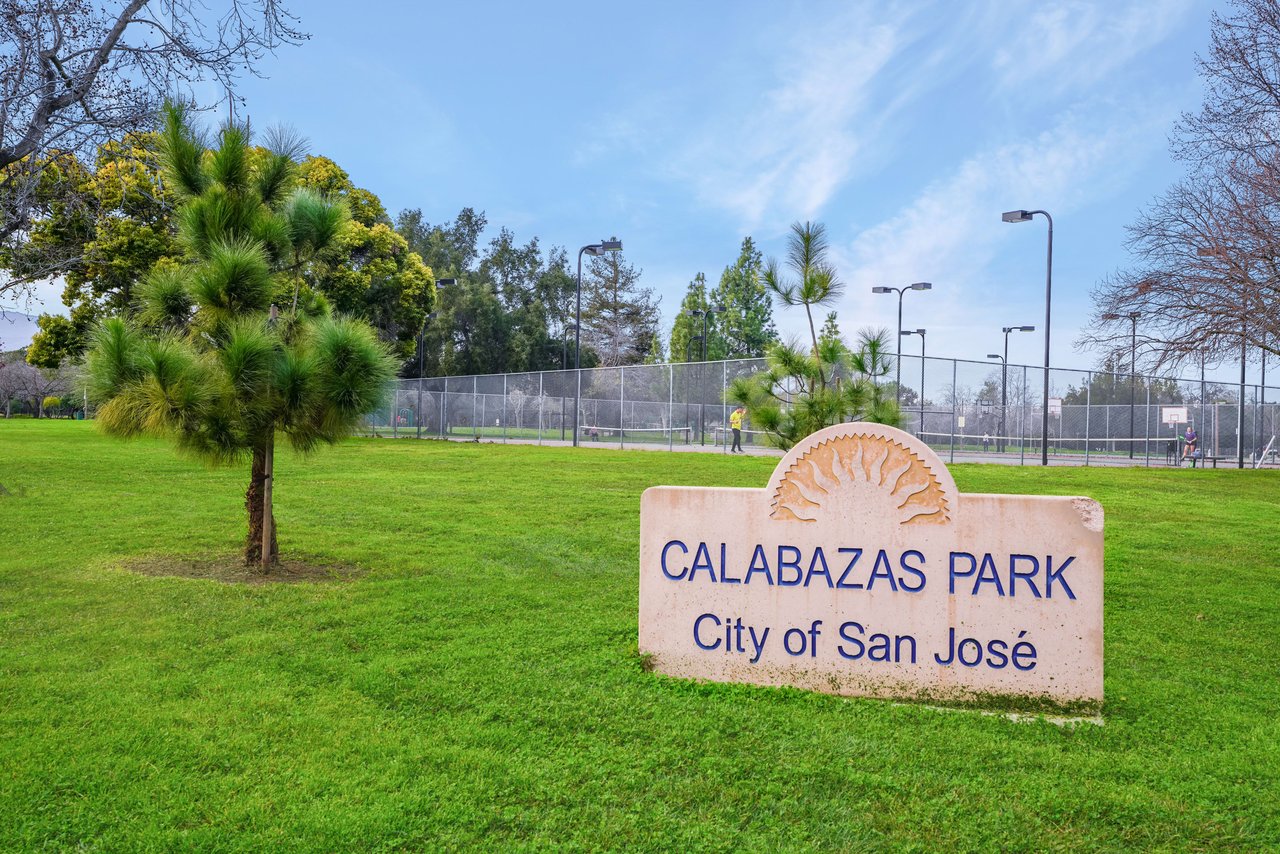
Market Trends
Tim Proschold | July 9, 2024
Prices and Market Action for the San Jose Real Estate Market Past 3 Years
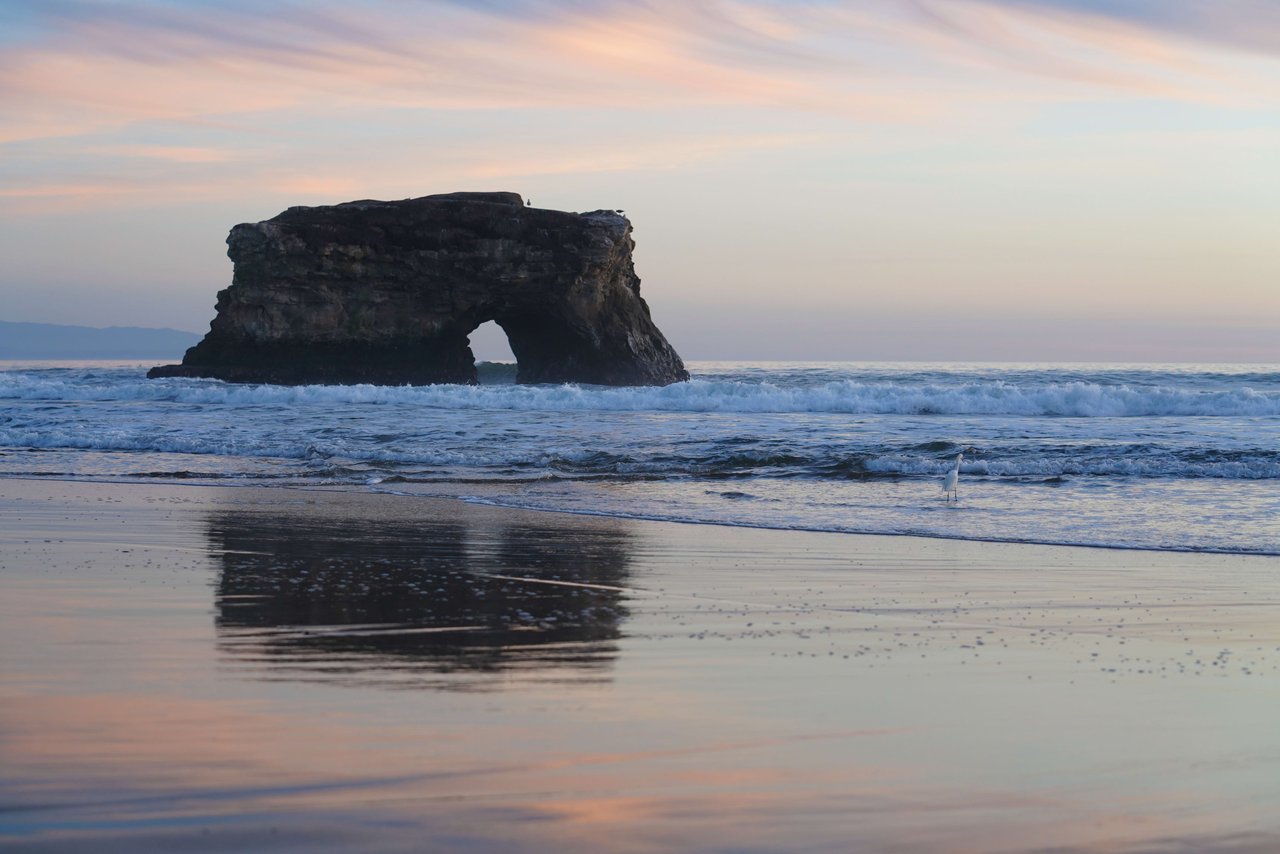
Market Trends
Tim Proschold | July 9, 2024
Prices and Market Action for the Santa Cruz County Real Estate Market Past 3 Years
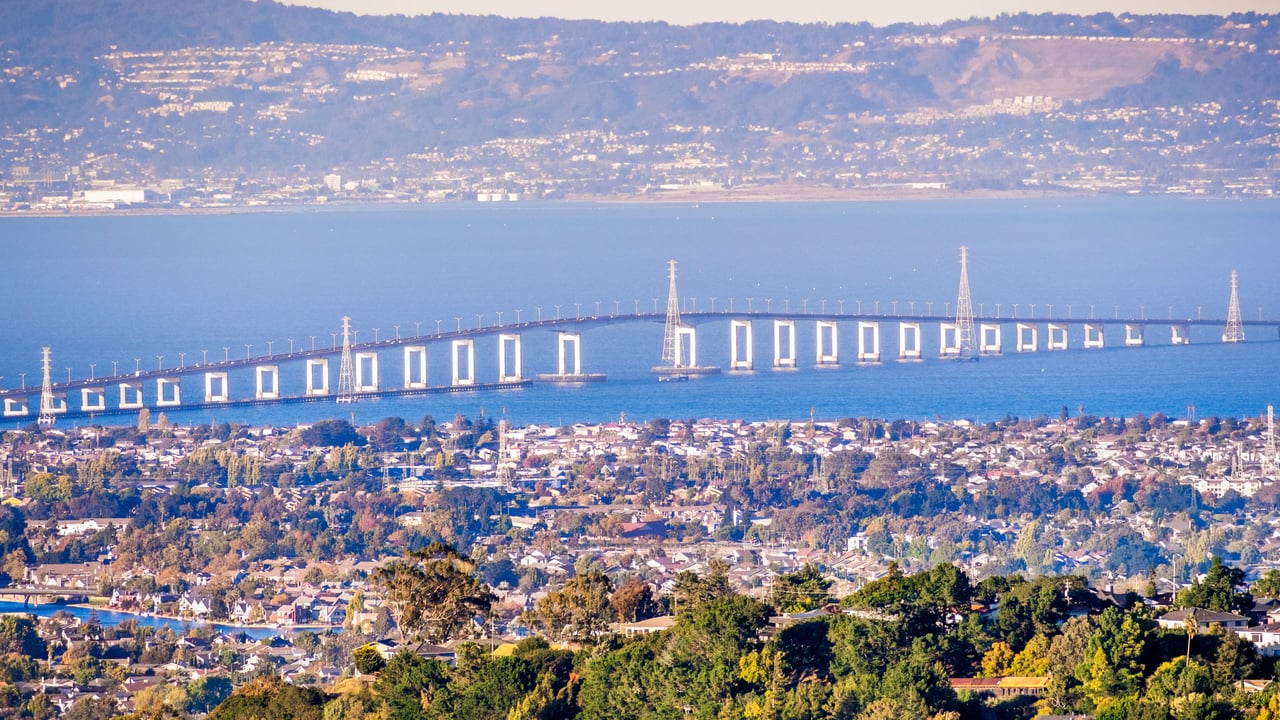
Market Trends
Tim Proschold | July 9, 2024
Prices and Market Action for the San Mateo County Real Estate Market Past 3 Years
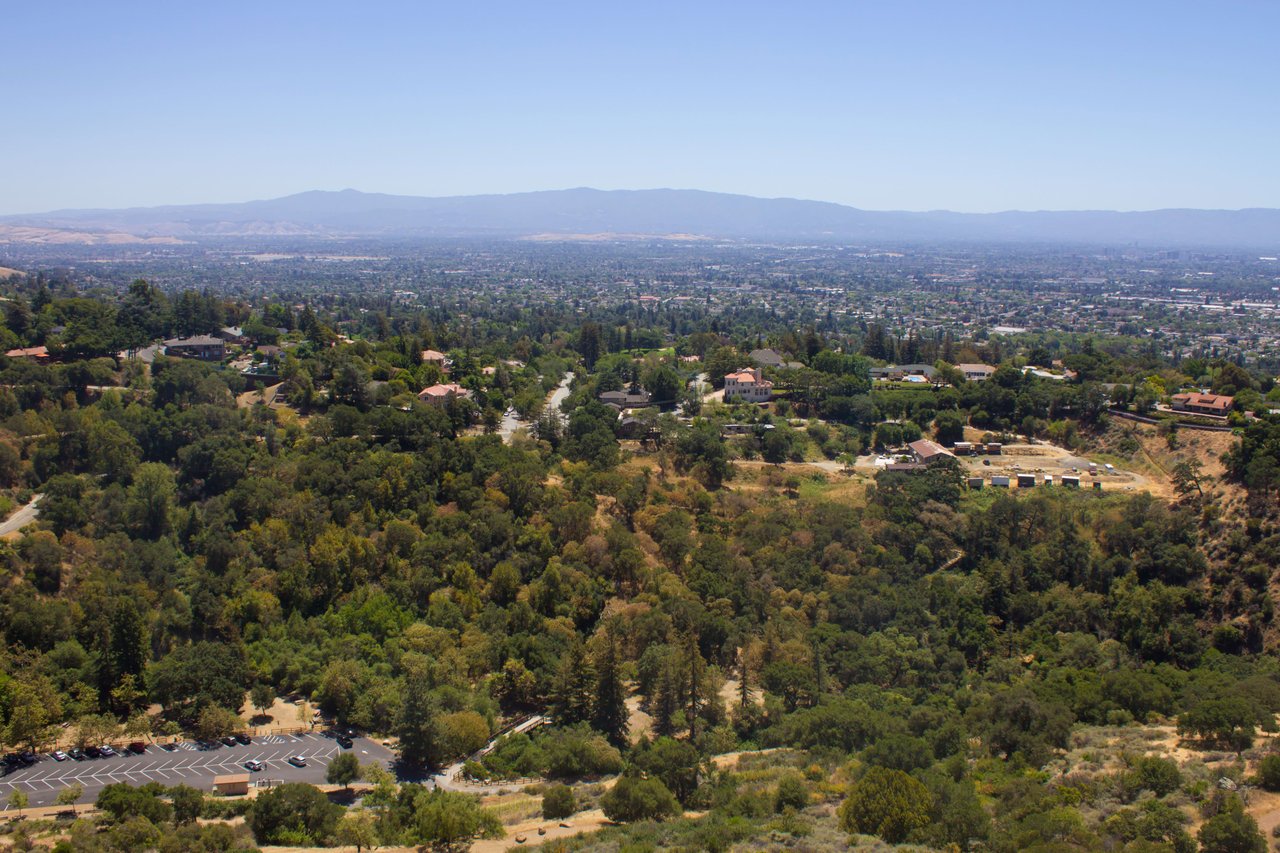
Market Trends
Tim Proschold | July 9, 2024
Prices and Market Action for the Santa Clara County Real Estate Market Past 3 Years
Market Trends
Tim Proschold | June 13, 2024
Prices and Market Action for the San Carlos Real Estate Market through May 2024
Market Trends
Tim Proschold | June 13, 2024
Prices and Market Action for the Redwood City Real Estate Market through May 2024
Market Trends
Tim Proschold | June 12, 2024
Prices and Market Action for the Palo Alto Real Estate Market through May 2024
Market Trends
Tim Proschold | June 12, 2024
Prices and Market Action for the Los Gatos Real Estate Market through May 2024
Market Trends
Tim Proschold | June 12, 2024
Prices and Market Action for the Cupertino Real Estate Market through May 2024
Market Trends
Tim Proschold | June 12, 2024
Prices and Market Action for the Los Altos Real Estate Market through May 2024
Market Trends
Tim Proschold | June 12, 2024
Prices and Market Action for the Mountain View Real Estate Market through May 2024
Market Trends
Tim Proschold | June 12, 2024
Prices and Market Action for the Saratoga Real Estate Market through May 2024
Market Trends
Tim Proschold | June 12, 2024
Prices and Market Action for the San Jose Real Estate Market through May 2024
Market Trends
Tim Proschold | June 12, 2024
Prices and Market Action for the Santa Clara Real Estate Market through May 2024
Market Trends
Tim Proschold | June 12, 2024
Prices and Market Action for the Sunnyvale Real Estate Market through May 2024
Experience the pinnacle of real estate excellence with Luxuriant Realty. Their dedicated team ensures a seamless and stress-free journey whether you're buying, selling, or managing properties, allowing you to elevate your lifestyle effortlessly.
LUXURIANT REALTY
885 OAK GROVE AVE, STE 302, MENLO PARK, CA 94025 CA DRE# 02190360 | NMLS# 2464074