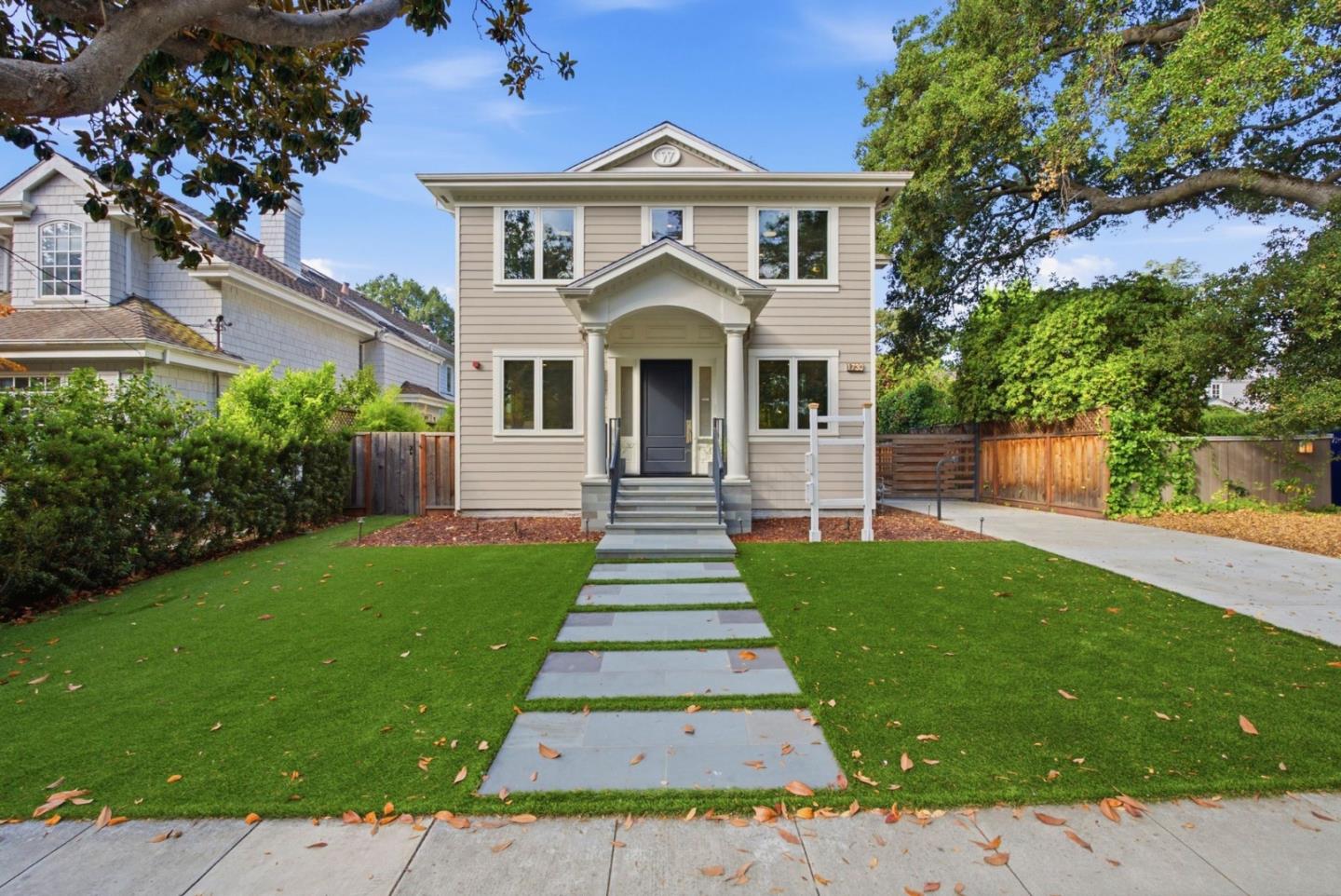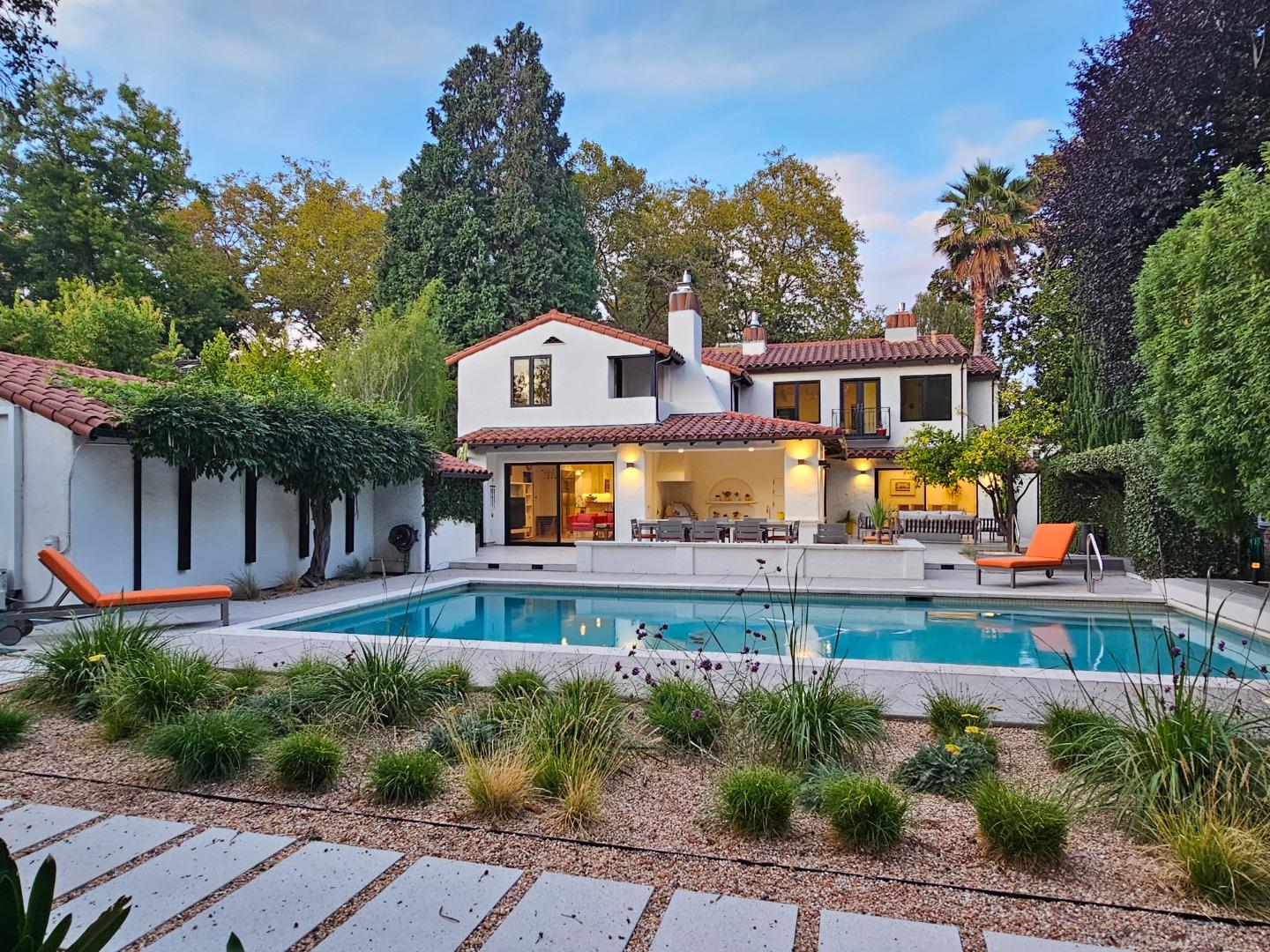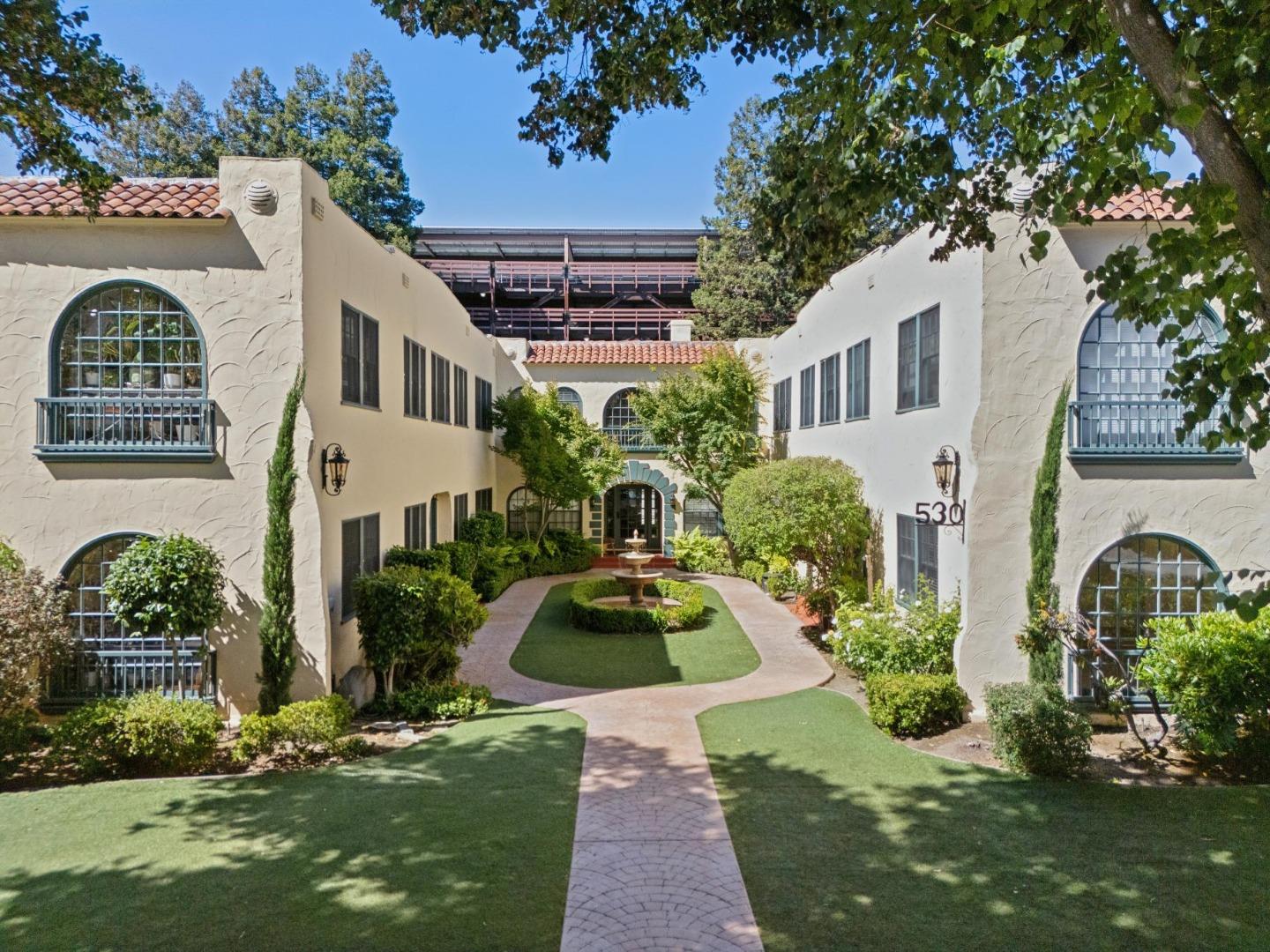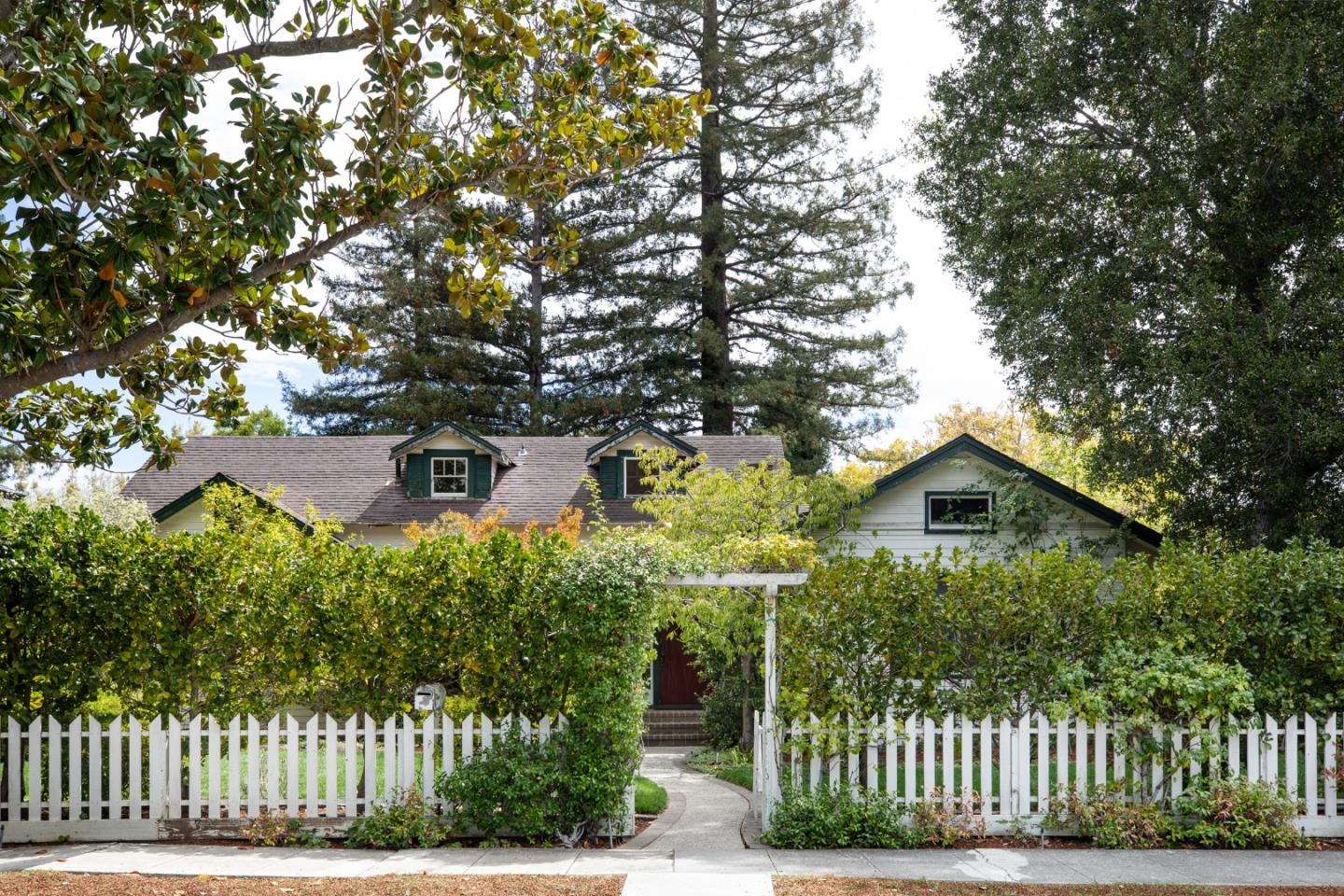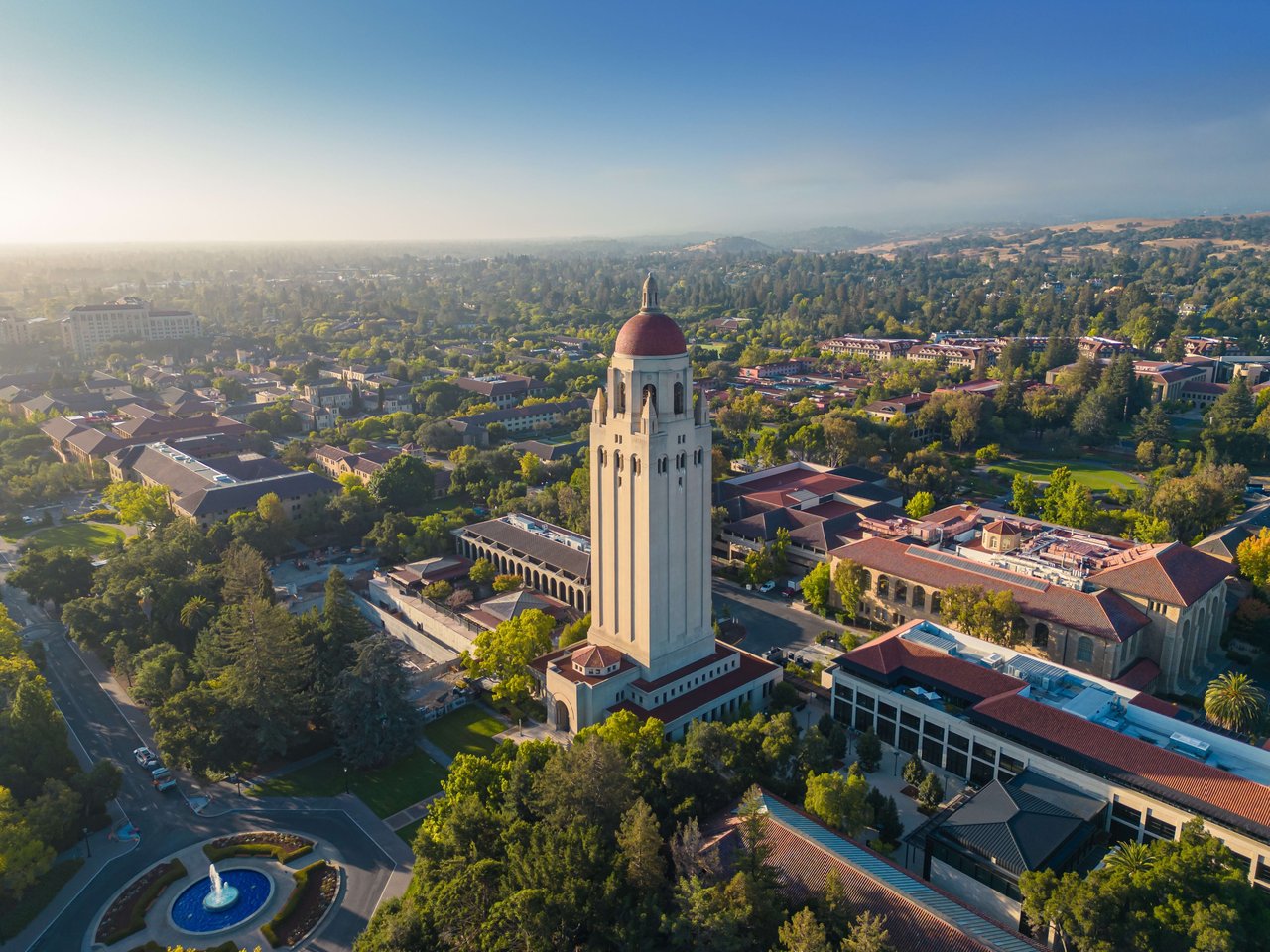
Explore the Palo Alto, CA Neighborhood
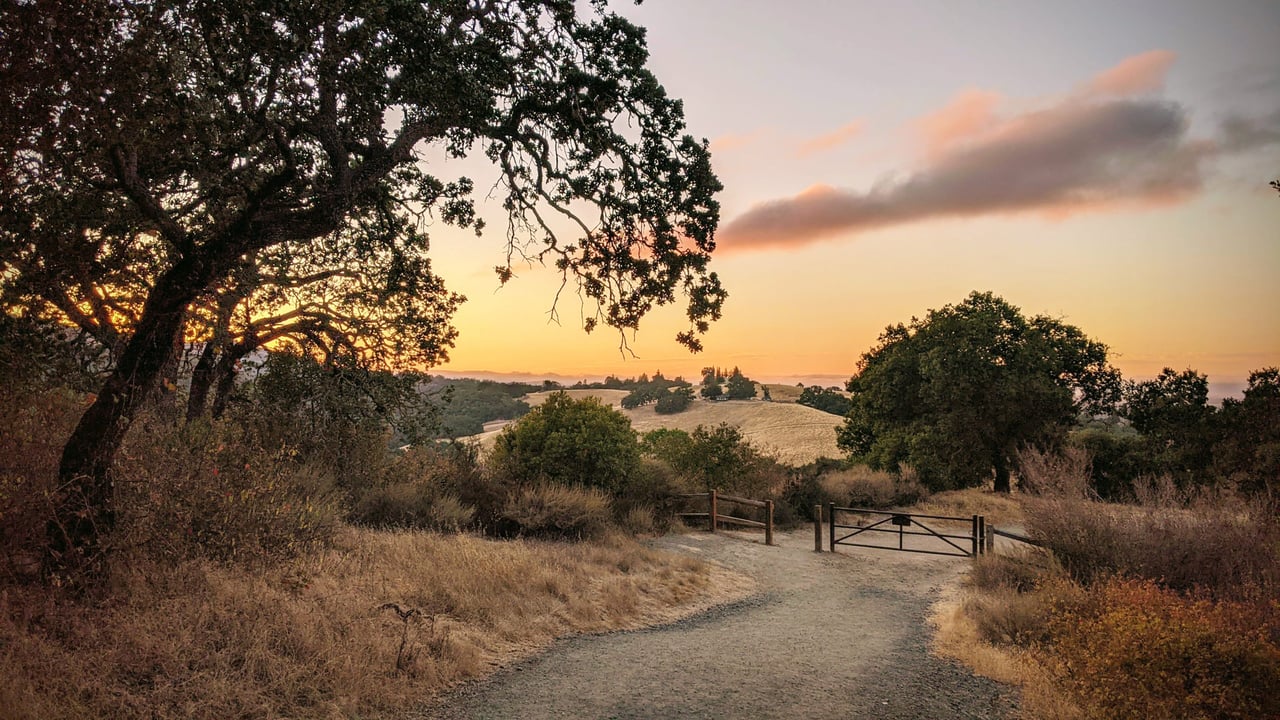
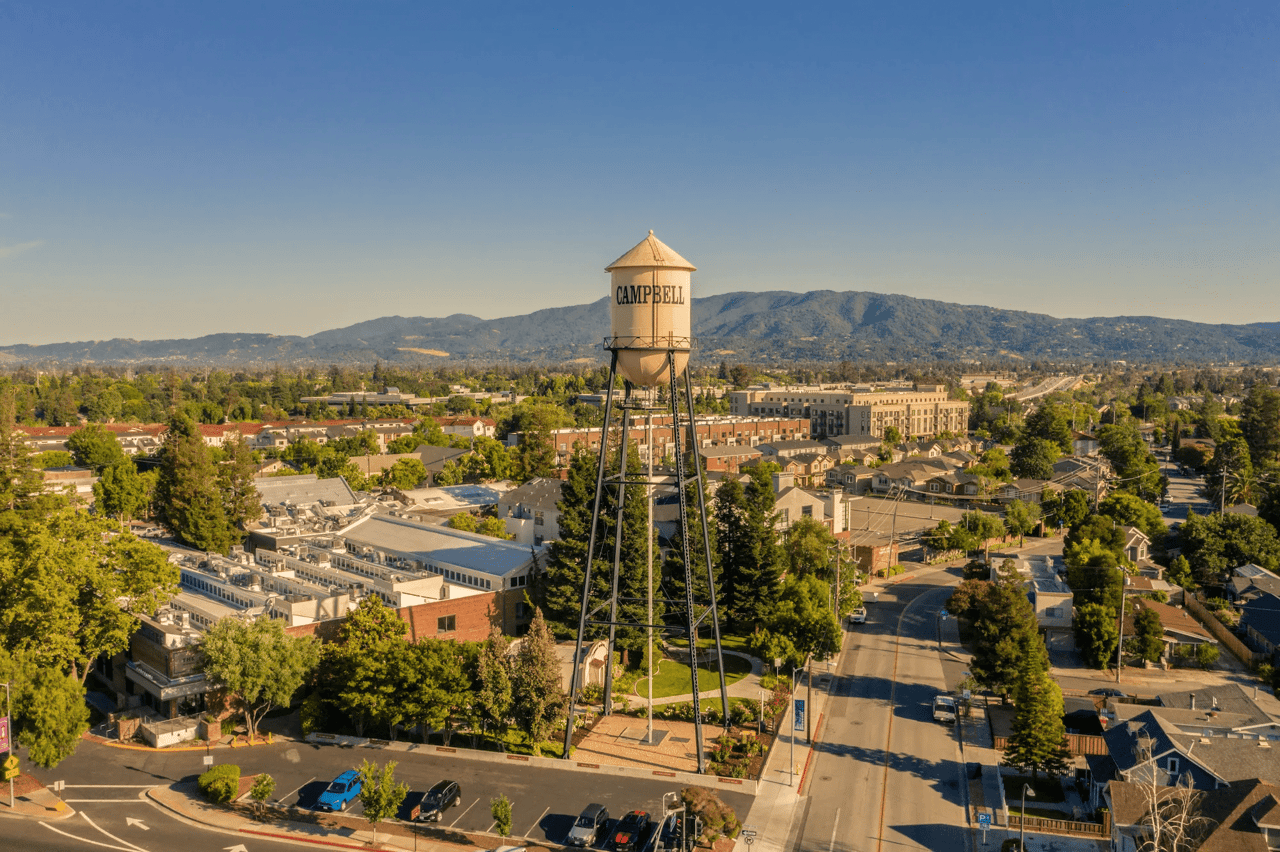
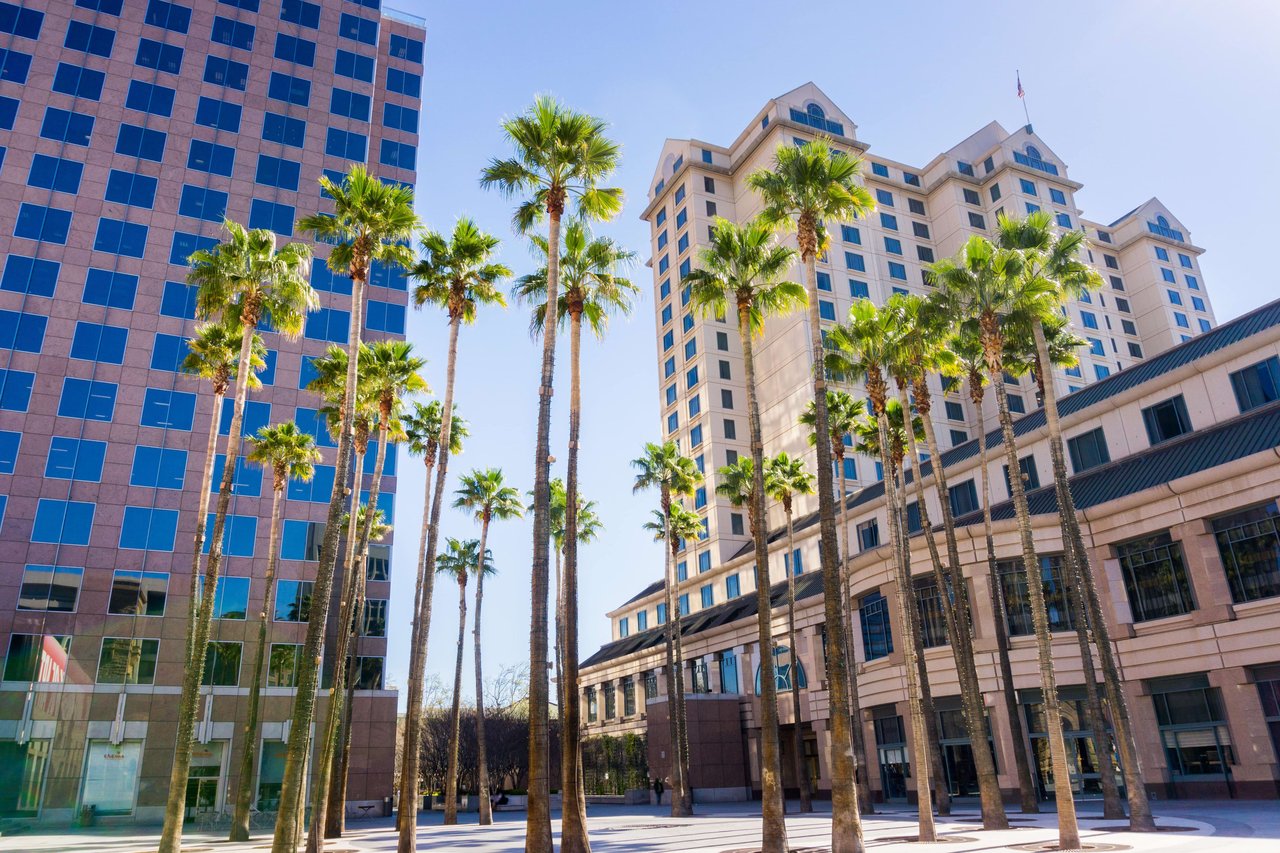
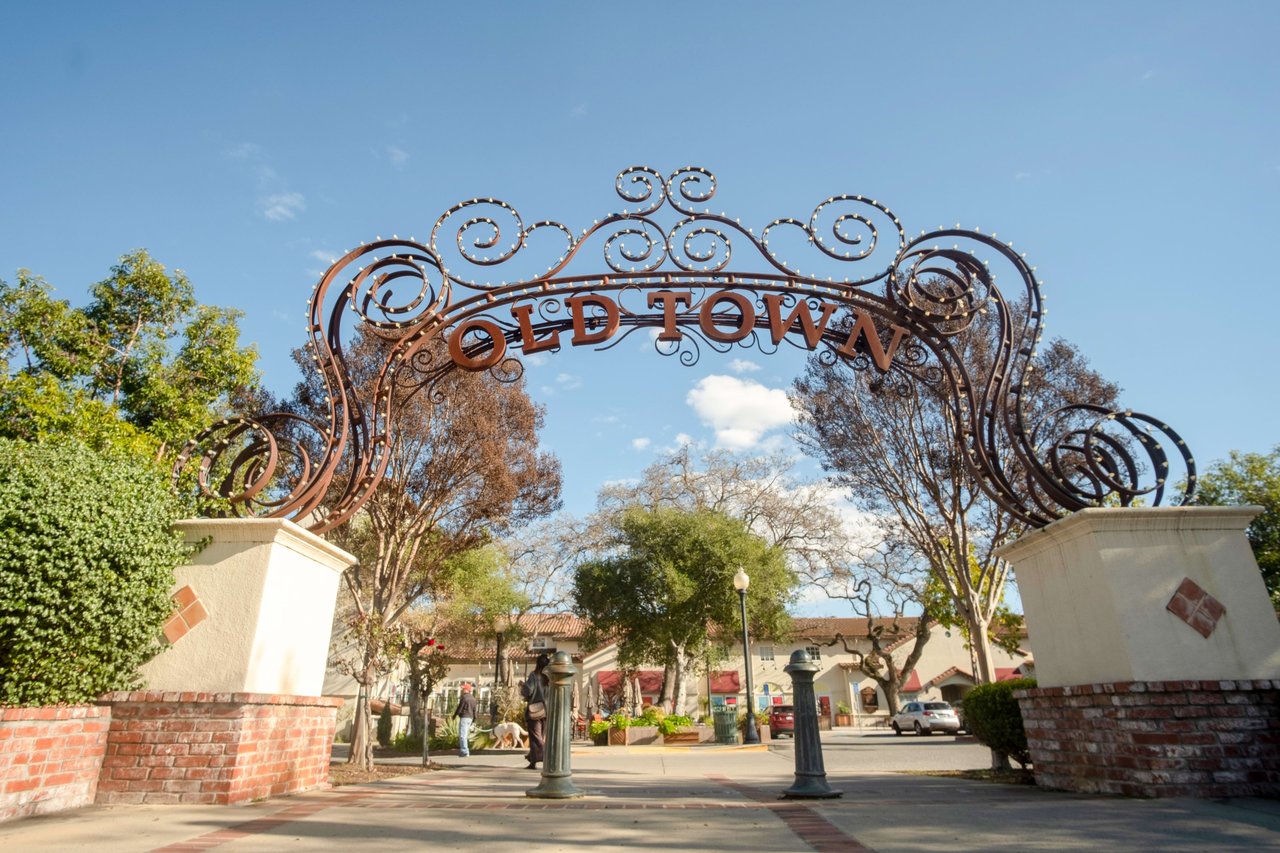
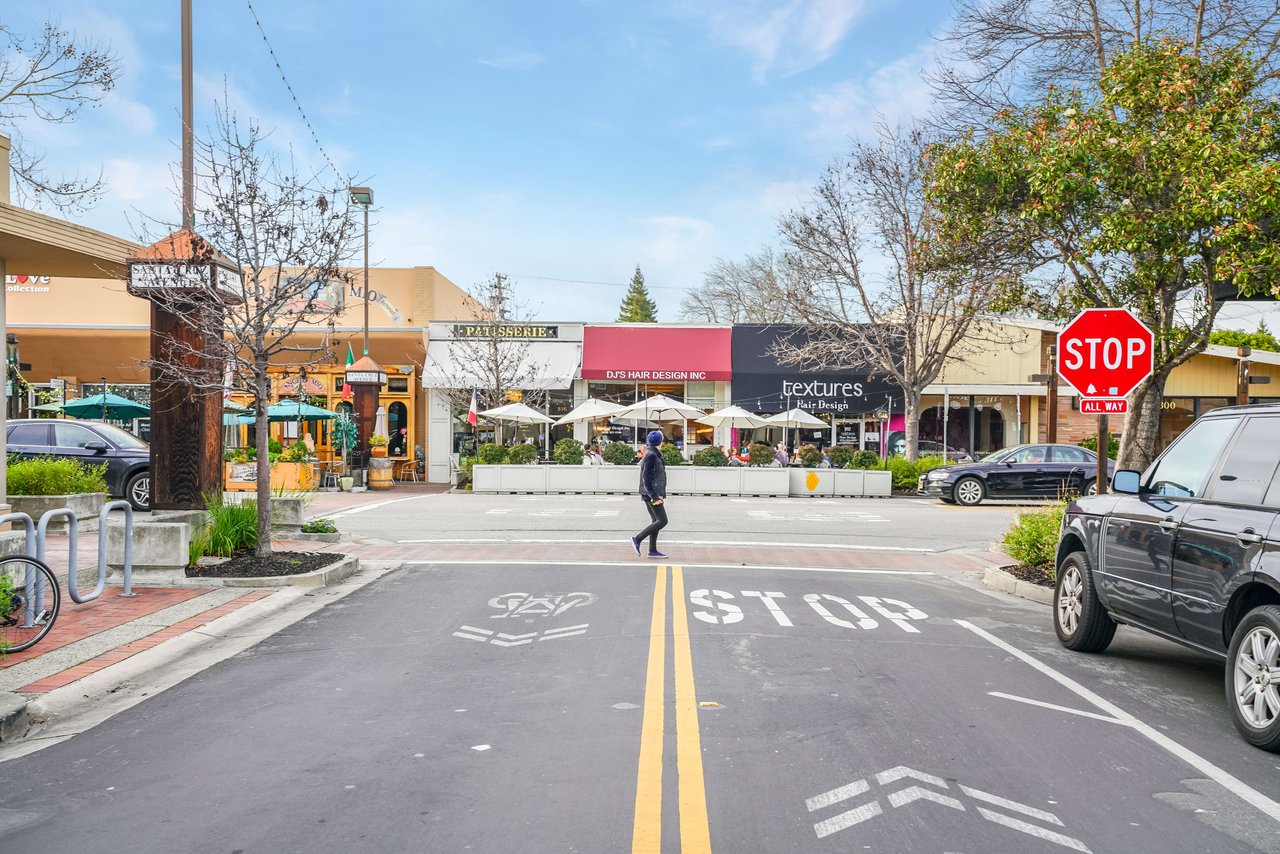
The bustling downtown area features a variety of upscale shops, diverse eateries, and lively entertainment options that cater to every taste.
The bustling downtown area features a variety of upscale shops, diverse eateries, and lively entertainment options that cater to every taste.
67,231 people live in Palo Alto, where the median age is 42.5 and the average individual income is $121,565. Data provided by the U.S. Census Bureau.
Total Population
Median Age
Population Density Population Density This is the number of people per square mile in a neighborhood.
Average individual Income
Palo Alto is one of the most supply-constrained and highest-value housing markets in Silicon Valley. The city is roughly 26 square miles, wedged between Stanford University, the San Francisco Bay, and the Santa Cruz Mountain foothills, with very little room to build new detached homes. That scarcity is what drives this market. Demand comes from Stanford faculty and medical staff, founders and executives from Stanford Research Park and the nearby Sand Hill Road venture capital corridor, and families who want Palo Alto Unified School District (PAUSD) schools. The number of homes for sale rarely keeps up with that demand.
For sellers, this creates a market with a high price floor, where well-prepared, accurately priced homes draw serious competition. It is also a market that punishes mistakes. Palo Alto buyers are analytical. Many are engineers, physicians, and investors who study comparable sales closely, read every page of the disclosure package, and walk away from homes that look overpriced or poorly documented. Selling successfully here takes more than listing the home. It takes a pricing strategy, full up-front disclosures, and marketing aimed at a buyer pool that knows exactly what it's looking for.
Value also varies a great deal from block to block. An estate lot in Old Palo Alto, a restored Eichler in Greenmeadow, and a two-bedroom condo near California Avenue each have a different buyer, a different pricing basis, and a different prep checklist. The sections below cover each of them.
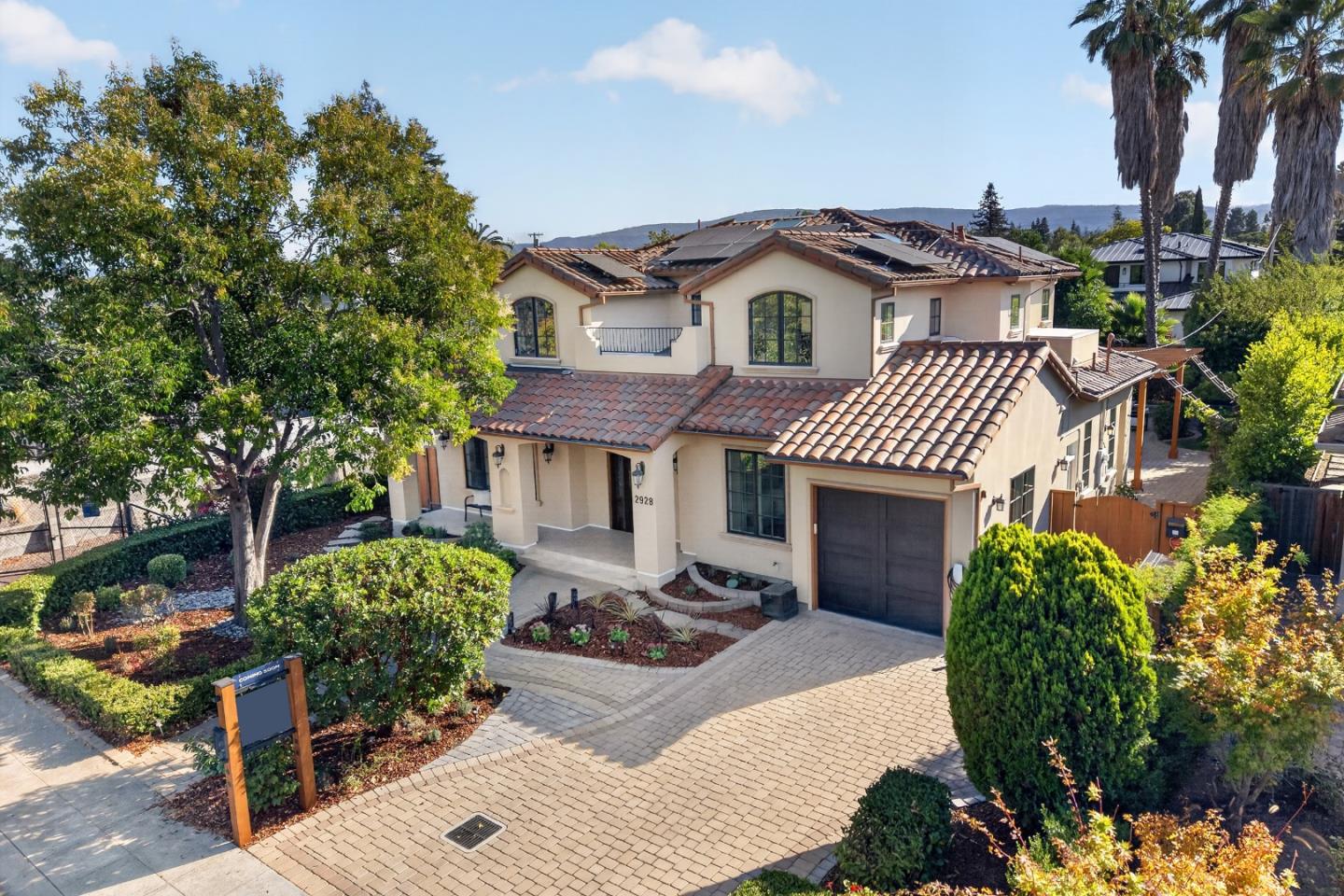
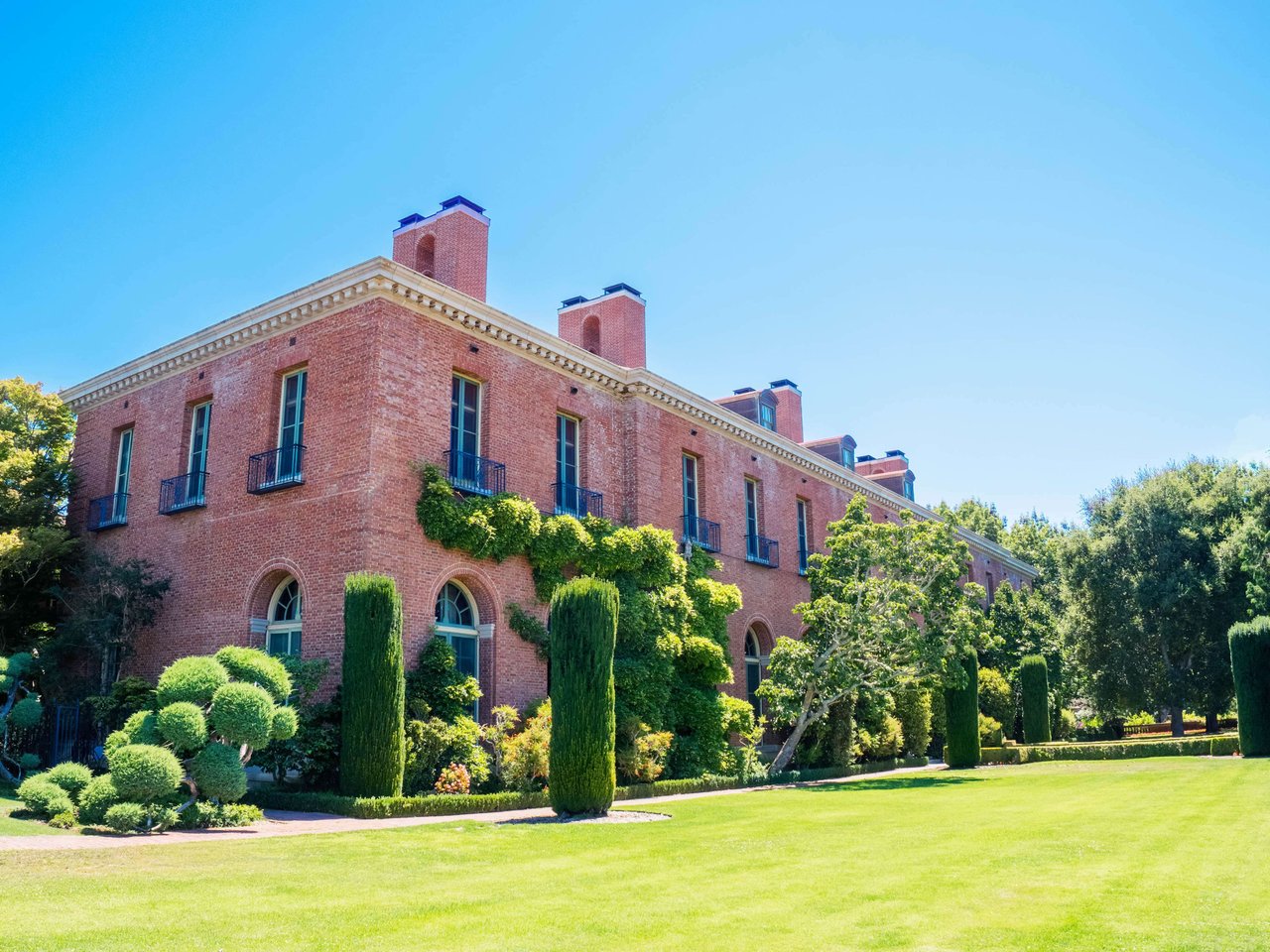
Old Palo Alto is widely considered the city's premier address. Wide streets, deep setbacks, and large lots hold a mix of historic Tudor and Spanish Colonial homes and newer luxury construction. Its central location and privacy have long made it popular with tech executives and venture capitalists. In Old Palo Alto, the land itself is often the main source of value.
Crescent Park, in the northeast corner of the city, has winding streets, a mature tree canopy, and large custom homes on generous lots. It feels quiet and removed while staying close to University Avenue and Highway 101, which makes it attractive to buyers who commute up and down the Peninsula.
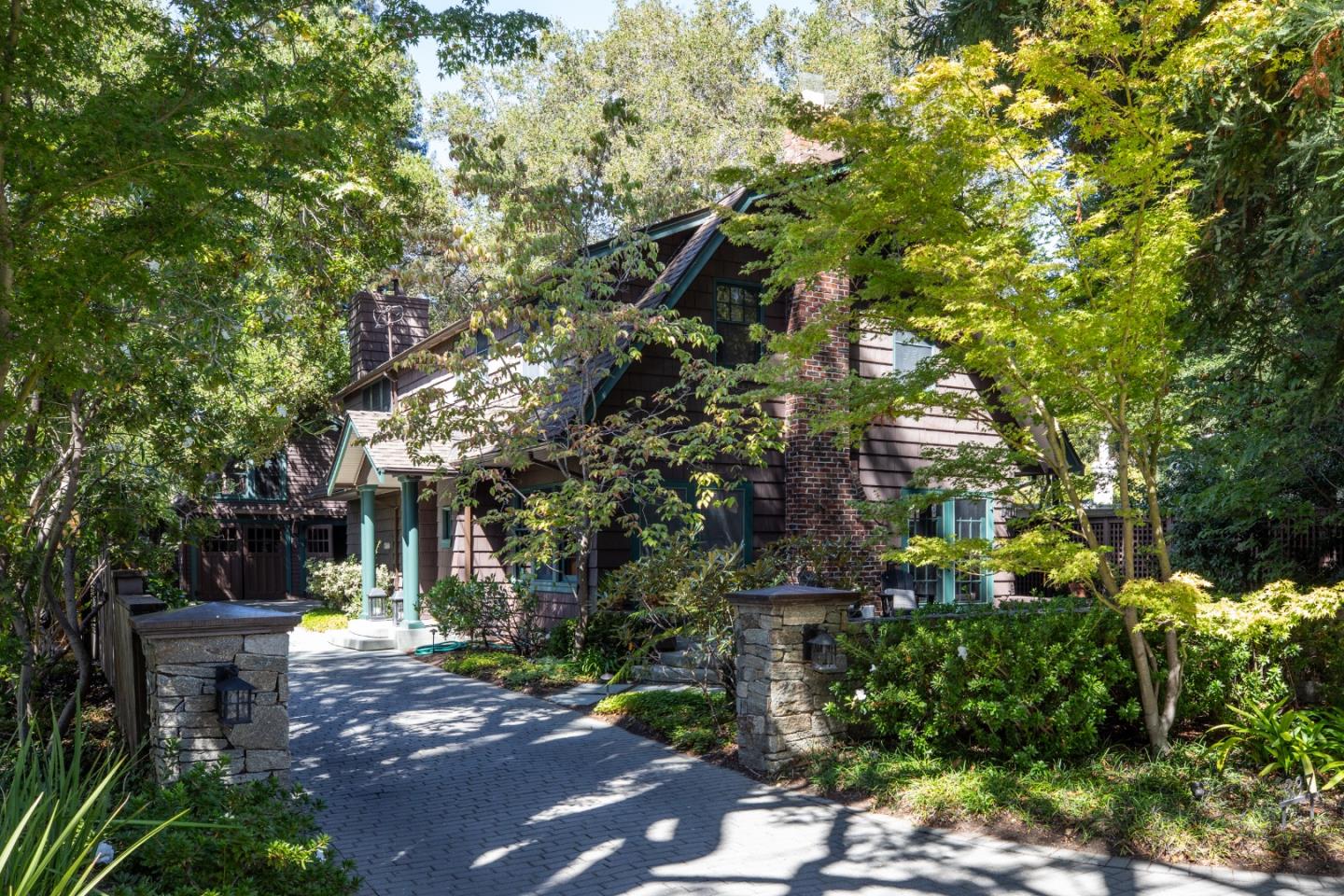
Professorville is a designated historic district that grew up around the Stanford professors who built homes just off campus in the early 1900s. Shingle-style, Craftsman, and Victorian homes sit on garden-lined streets within walking distance of downtown. Homes here don't come up for sale often, and buyers value the architectural character as much as the square footage.
Beyond these three, several neighborhoods have their own loyal buyer pools:
Palo Alto prices sit well above regional and national averages, and they differ significantly between neighborhoods. The benchmarks below reflect recent market ranges and are meant as a starting point. A specific home's value depends on lot size, condition, school assignment, and how recent comparable sales played out.
Neighborhood | Typical Home Value Range | Typical Price per Sq. Ft. | Dominant Architecture |
|---|---|---|---|
Old Palo Alto | $5.3M – $6.1M+ | $2,100 – $2,500+ | Luxury modern, Spanish Revival, Colonial |
Crescent Park | $5.2M – $5.6M+ | $2,000 – $2,300+ | Custom estates, Traditional, Craftsman |
Professorville | $5.4M – $5.7M+ | $2,000 – $2,400+ | Historic Craftsman, Dutch Colonial, Shingle |
Community Center | $4.6M – $5.0M | $1,800 – $2,100 | Mid-century, modern farmhouse, ranch |
College Terrace | $3.0M – $3.5M | $1,600 – $1,900 | Cottage, Craftsman, modern |
Midtown | $2.2M – $3.5M | $1,500 – $1,800 | Eichler, mid-century ranch, new modern |
Three factors do most of the work behind these numbers.
Lot size. In Old Palo Alto and Crescent Park, lots over 10,000 square feet command substantial premiums because land makes up so much of the total value. Two homes of similar size can sell for very different prices depending on the land under them.
School assignment. Every Palo Alto home is in PAUSD, but demand within the city still shifts based on elementary and middle school assignments and whether a home feeds into Palo Alto High or Gunn High.
Low turnover. In Professorville and Crescent Park, few homes come to market each year. When one does and it is priced realistically, it often sells quickly and draws multiple offers.
Most Palo Alto sales are single-family homes, and the sellers who do best follow a clear sequence. A typical well-run sale takes about eight to ten weeks from the start of preparation to closing:
The disclosure package deserves particular attention. Palo Alto buyers expect complete reports before they write an offer. When those reports are available up front, buyers can make cleaner offers with fewer contingencies, and sellers are far less likely to face renegotiation during escrow.
Pricing also has to be precise. Because buyers here analyze comparable sales so closely, a home that is overpriced by even a few percent can sit on the market and lose momentum. A home priced at market value is much more likely to draw competing offers that push the final price up.
Sellers should budget roughly 6% to 8% of the sale price for total selling costs:
Cost Category | Typical Range | Notes |
|---|---|---|
Real estate commissions | Negotiable | Set by agreement with the listing brokerage; buyer-broker compensation is negotiated separately |
Transfer taxes | County: $1.10 per $1,000; City of Palo Alto: $3.30 per $1,000 | Who pays is set by local custom and the purchase contract; confirm with your escrow officer |
Title and escrow | About 0.2% – 0.5% | Split per Santa Clara County custom |
Staging and prep | $15,000 – $50,000+ | Depends on home size and scope of work |
Prorated property taxes | Varies | Calculated to the closing date |
Luxury sellers in Palo Alto are selling to buyers who have plenty of choices and little patience for surprises. In Old Palo Alto and Crescent Park, the most effective marketing presents a home as both a residence and a piece of land. Buyers want to know the lot dimensions, setbacks, tree canopy, and remaining development potential, including whether the lot can accommodate an ADU and how much floor area the zoning still allows. Staging should respect the home's original architecture, whether Shingle, Craftsman, or Spanish Revival, while showing interiors that feel current.
Privacy also matters at this price point. Some high-end homes in these neighborhoods sell off-market through private agent and wealth-advisor networks, particularly when the seller is a public figure or simply wants a quiet sale. An off-market sale offers discretion but may reach fewer buyers. The right choice depends on the property and the seller's priorities, and a broad public launch often produces the strongest price.
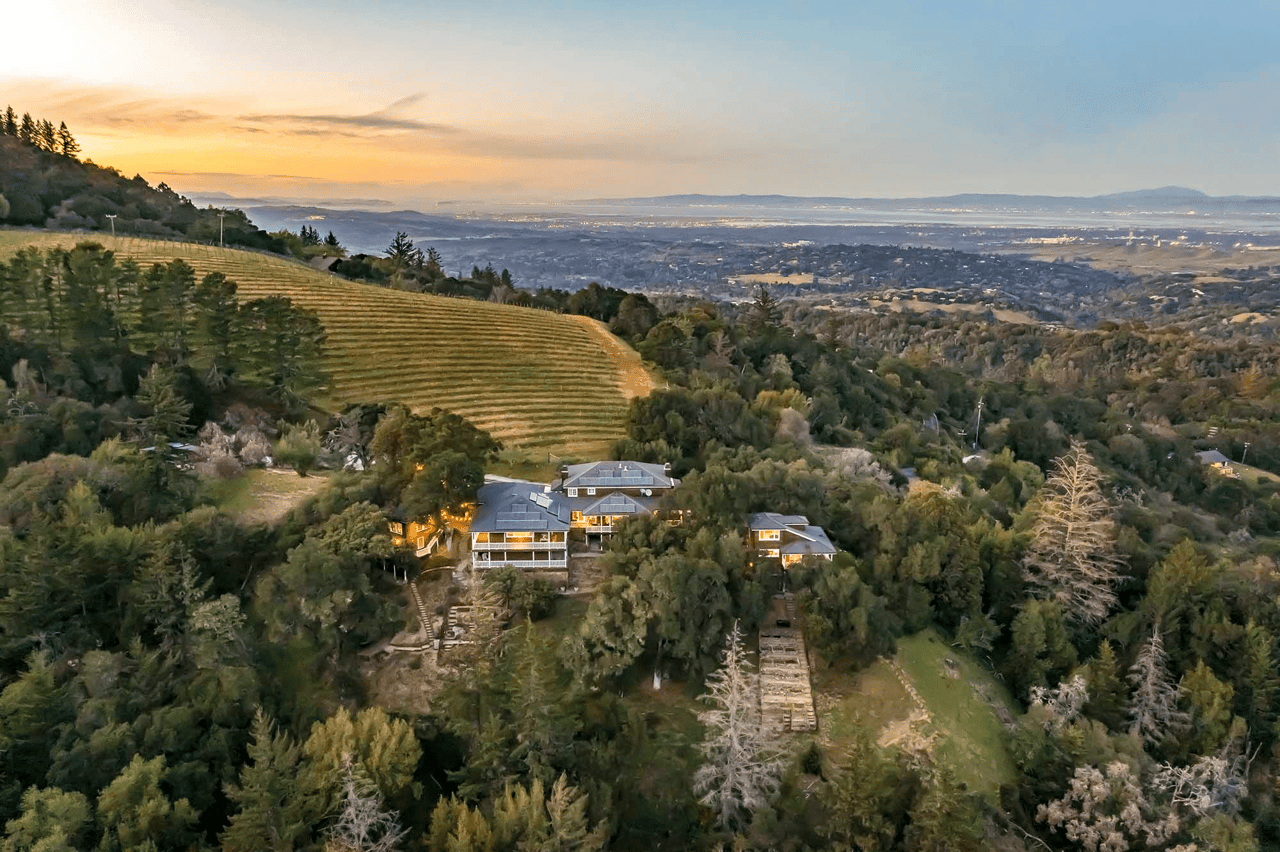
Palo Alto Hills involves a different set of questions. The views of the Bay, the acreage, the privacy, and the outdoor entertaining space are what buyers come for. But buyers here also look closely at practical issues that flatland buyers rarely think about: whether the home is on septic or public sewer, private road access and maintenance agreements, slope stability, drainage, and wildfire defensible-space clearing. Documenting each of these before listing keeps a hillside sale from stalling during escrow. This is also where an engineer's perspective is especially useful to sellers.
Downtown Palo Alto, along the University Avenue corridor, and the California Avenue district make up the city's main condo and townhome markets. Buyers here include downsizers, executives who want low-maintenance living, Stanford affiliates, and commuters who want to walk to Caltrain.
Downtown condos and luxury townhomes typically trade between $1,400 and $1,900+ per square foot. Entry-level one- and two-bedroom units run roughly $1.1M to $1.8M, and penthouse and luxury units reach $3.5M to $5.0M+. Around California Avenue and Evergreen Park, pricing generally falls between $1,200 and $1,600 per square foot, from about $1.2M for a two-bedroom condo to $2.5M+ for a multi-level modern townhome.
For attached homes, the HOA is part of what the buyer is purchasing. Buyers, and their lenders, will review the reserve study, the HOA's reserve funding, and any planned special assessments. Sellers should gather these documents early and understand what they show before listing. It also helps to address livability concerns specific to urban locations directly: document window upgrades that reduce street or train noise, and clearly identify deeded parking, EV charging, and storage.
Property Type | Likely Buyer | What Drives Value | Prep Priorities |
|---|---|---|---|
Downtown luxury condo | Downsizers, executives, investors | Walkability, single-level living, private outdoor space, security | Staging, lighting, paint, HOA document review |
Cal Ave townhome | Stanford faculty, tech professionals, commuters | Caltrain access, pedestrian dining district, multi-level layout | Kitchen refresh, EV charger, patio styling |
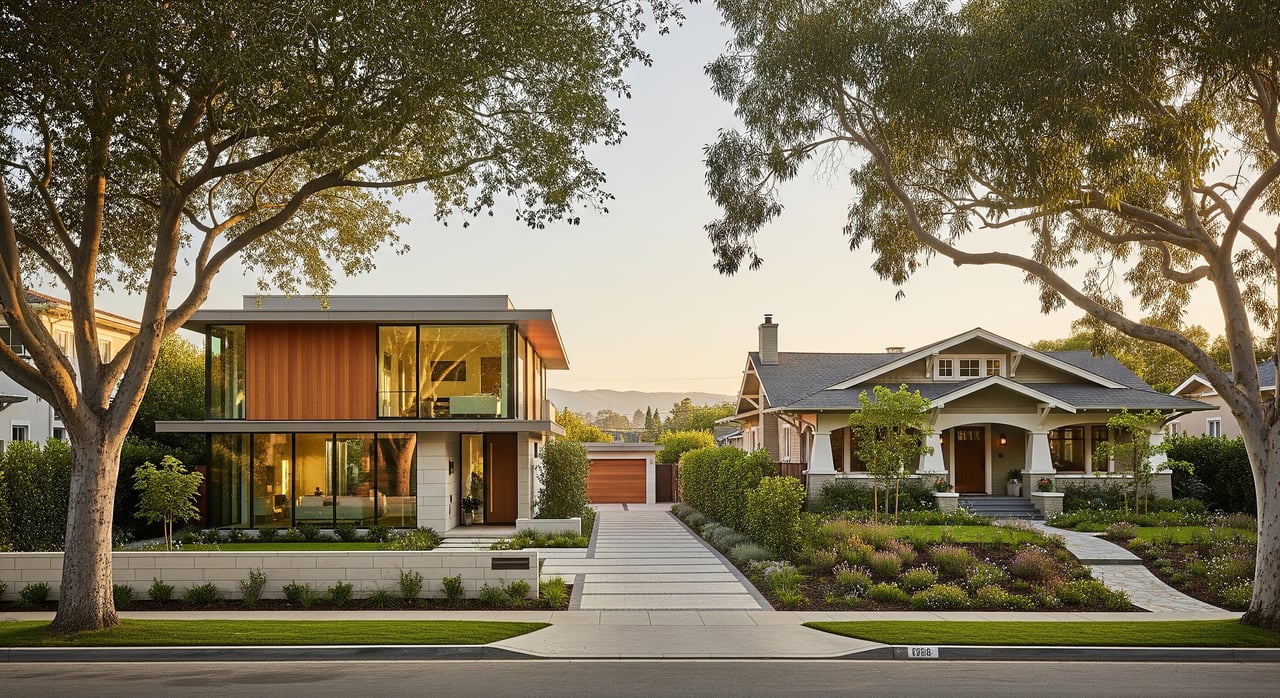
Palo Alto has one of the largest concentrations of Joseph Eichler's mid-century modern homes anywhere. Post-and-beam framing, walls of glass, open-air atriums, and in-slab radiant heating define these homes, and they attract a dedicated buyer pool. Greenmeadow is listed on the National Register of Historic Places. Fairmeadow is known for its distinctive circular street layout. Midtown holds many more Eichler tracts.
Original-condition Eichlers typically sell between about $2.8M and $3.3M. Carefully restored homes, or thoughtful modern renovations in the most sought-after tracts, often reach $3.5M to $4.5M+, or roughly $1,800 to $2,300+ per square foot.
Eichler buyers are knowledgeable, and they will ask specific questions. Sellers should be ready to answer three:
Radiant heating. Is the original in-slab radiant system working, or has it been replaced with a boiler upgrade, mini-splits, or another system? Disclose its status clearly.
Roof condition. Eichlers have low-pitch or flat roofs, so documenting the condition and age of the foam or membrane roof reassures buyers about leaks.
Original features. Mahogany paneling, tongue-and-groove ceilings, and original light fixtures often add value for mid-century buyers.
The biggest mistake Eichler sellers make is over-modernizing before a sale. Renovations that remove the home's original character can shrink the buyer pool instead of growing it.
Palo Alto takes its architectural heritage seriously, especially in Professorville, parts of Old Palo Alto, and the downtown neighborhoods. Properties listed on the city's Historic Inventory are classified into Categories 1 through 4. Categories 1 and 2 cover buildings of exceptional or major significance and face the strictest review by the Historic Resources Board. Changes to visible exteriors must meet historic standards, and demolition is difficult. Categories 3 and 4 cover contributing buildings within neighborhoods. Exterior changes still require design review, but the rules are more flexible.
For sellers, historic status cuts both ways. Buyers looking for a teardown or a major expansion may discount a historic home because of limits on floor area, rooflines, and facade changes. For buyers who value craftsmanship, period detail, and living on a protected, architecturally consistent street, historic status is a reason to buy. The marketing needs to reach that second group.
Three things help a historic sale go smoothly. First, disclose the property's inventory category up front so buyers aren't surprised later. Second, gather records of past approvals, including Historic Resources Board decisions and permits for earlier renovations, so buyers can see that prior work was done properly. Third, find out whether the property has, or could qualify for, a Mills Act contract. Mills Act contracts can substantially reduce property taxes for qualifying historic homes and can be a meaningful selling point.
PAUSD is consistently ranked among the top public school districts in California. That reputation supports Palo Alto home values over the long term, and PAUSD-zoned homes have historically held their value better than surrounding areas during market downturns, selling faster and with smaller price reductions.
The city is served by two high schools. Palo Alto High ("Paly") serves northern neighborhoods including Old Palo Alto, Crescent Park, Professorville, Downtown, and Community Center. Buyers in these areas tend to prioritize historic architecture and walking access to University Avenue and Stanford. Gunn High serves southern neighborhoods including Barron Park, Green Acres, and parts of Midtown. Buyers there often prioritize larger lots, Eichler tracts, and quick access to Stanford Research Park.
Both high schools rank among the strongest in the state, so price differences between the two zones are generally small. Buyers tend to choose based on the kind of neighborhood they want: walkable, historic streets in the north or larger, more suburban lots in the south. For sellers, this means the home's assigned elementary, middle, and high schools belong prominently in the listing. Families filter their searches by school assignment, and a strong assignment can be a primary reason a home sells.
Few cities have a buyer pipeline as steady as Palo Alto's. Stanford University brings in a constant flow of faculty, researchers, physicians, and administrators, many of whom want to live in College Terrace, Professorville, or Old Palo Alto, close enough to walk or bike to campus or Stanford Medical Center. The venture capital activity around Sand Hill Road and downtown Palo Alto adds high-net-worth buyers to that mix.
Stanford Research Park, the roughly 700-acre campus along the Page Mill Road corridor often called the birthplace of Silicon Valley, is the other major driver. It houses around 150 companies across technology, biotech, and research, including Tesla's engineering headquarters, HP Inc., Broadcom, SAP, Rivian, and Guardant Health. Engineers, researchers, and executives from these companies make up much of the buyer demand in nearby Barron Park, Green Acres, College Terrace, and south Midtown.
For sellers, it helps to know who the likely buyer is. A home a short commute from Stanford Research Park should be marketed that way. A home within walking distance of the Main Quad should highlight that. In a market this competitive, knowing exactly who is likely to buy a particular home is one of the best advantages a seller can have.
Palo Alto has three distinct commercial districts, and each one shapes the neighborhoods around it.
University Avenue is the city's busiest, most walkable corridor, with restaurants, retail, startup and venture capital offices, and the Downtown Caltrain station. Being close to it pushes land values higher in Downtown North and University South, where buyers accept smaller lots or multi-story townhomes in exchange for walking to dinner and the train.
California Avenue has a more relaxed, neighborhood feel. Its central blocks are closed to cars, which makes room for outdoor dining, and the street hosts a popular Sunday farmers market. It also has its own Caltrain station. The district anchors daily life for Evergreen Park, Ventura, and College Terrace, and it appeals especially to Stanford researchers and tech professionals who want transit access without the intensity of downtown.
Town & Country Village, at El Camino Real and Embarcadero Road, is an upscale open-air shopping center anchored by Trader Joe's, specialty food shops, fitness studios, and restaurants. It sits directly across from Palo Alto High School and is an everyday stop for families in Old Palo Alto, Crescent Park, and Community Center.
For sellers, walking distance to any of these districts is worth stating specifically. Buyers respond much more to "a seven-minute walk to the Cal Ave farmers market" than to "close to amenities."
Palo Alto has more than 4,000 acres of parks and open space, from Bay marshland to the foothills. Few Peninsula cities can match that range.
Foothills Nature Preserve covers about 1,400 acres in the hills, with Boronda Lake, hiking and equestrian trails, and wide views across Silicon Valley. It was open only to Palo Alto residents until it opened to the public in late 2020, and daily visitor limits help keep it uncrowded. Easy access to the foothills along Page Mill Road adds to the appeal of Palo Alto Hills, Barron Park, and Green Acres.
Baylands Nature Preserve covers about 1,940 acres on the city's eastern edge and is among the largest remaining tracts of undisturbed marshland on San Francisco Bay. It has miles of trails, the Lucy Evans Baylands Nature Interpretive Center, and Byxbee Park, and it is popular with birdwatchers, runners, and kayakers.
Closer to home, several neighborhood parks have a direct effect on buyer interest:
For family buyers especially, being a short walk from a park like Rinconada or Mitchell can be a deciding factor, so sellers should mention it in the listing.
Investors buy in Palo Alto mainly for long-term appreciation, not cash flow. Cap rates on single-family rentals, duplexes, and small multifamily properties generally fall between about 2.0% and 3.5%, because purchase prices are so high relative to rents. Many investors buy with large down payments or pay cash, and they rely on rising rents and land appreciation over time.
Rental demand is steady and comes from high-income tenants. One- and two-bedroom condos and townhomes typically rent for roughly $3,500 to $4,500+ per month. Single-family homes in strong school areas often rent for $7,000 to $12,000+. Tenants fall into a few main groups. Tech executives and founders tend to lease high-end homes in Old Palo Alto, Crescent Park, and Professorville. Visiting faculty and medical staff look for short- and medium-term leases, often furnished, in College Terrace, Downtown North, and Evergreen Park. Commuters and younger tech professionals favor condos and townhomes near downtown and California Avenue.
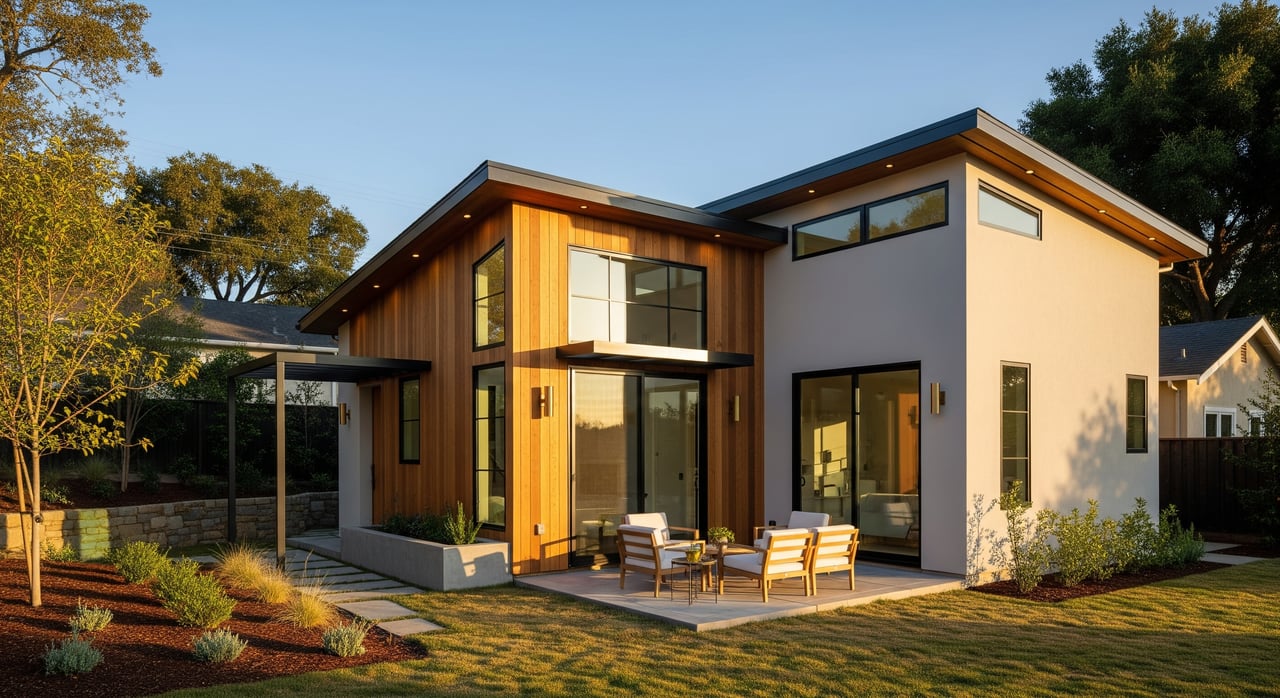
Accessory dwelling units (ADUs) have become one of the most effective ways for owners to increase income. California's ADU laws, combined with the size of many Palo Alto lots, make detached ADUs practical in neighborhoods like Midtown and Barron Park. A 500 to 1,200 square foot ADU can often rent for roughly $3,000 to $5,500 per month. Only the new construction is added to the property's assessed value, so the tax basis on the main house is not reset.
Owners who plan to sell a rental property, or keep one, need to understand California's statewide tenant protections under AB 1482 and any Palo Alto rules that apply. These can affect how and when a home can be vacated for sale, whether it can be sold with the tenant in place, and how it should be marketed. A tenant-occupied home is a different sale than a vacant one, and planning for that early prevents problems later.
Selling in Palo Alto means working through historic inventory rules, Eichler-specific systems, hillside infrastructure, HOA reserve studies, and buyers who look closely at everything. Tim Proschold, CEO and Managing Broker of Luxuriant Realty, brings an unusual combination of experience to those challenges. He is a licensed California Real Estate Broker and a licensed California Civil Engineer, with a background in structural design and construction management in both the private and public sectors. That experience helps him spot issues other agents may miss, from an aging Eichler roof to slope and drainage questions in Palo Alto Hills, and find value that is easy to overlook, such as ADU potential or remaining floor area on a large Crescent Park lot.
For seller clients, Tim manages the full process once the listing agreement is signed: pre-sale preparation, staging, high dynamic range photography, videography, 3D tours, and digital and direct marketing. Through Luxuriant Realty's residential and commercial property management services, he also advises owners deciding whether to sell or keep a Palo Alto property as a rental.
Whether you are thinking about selling this year or just want to know what your home is worth, Tim is available for an honest conversation. You can reach him at [email protected] or (650) 200-5943, or visit Luxuriant Realty at 885 Oak Grove Ave, Suite 302, Menlo Park, CA 94025. (CA DRE #01458118)
There's plenty to do around Palo Alto, including shopping, dining, nightlife, parks, and more. Data provided by Walk Score and Yelp.
Explore popular things to do in the area, including Veterans Administration VA Hospital Cafeteria, Running Of The Bulls 5k Fun Run, and Jim Gorman Tennis.
| Name | Category | Distance | Reviews |
Ratings by
Yelp
|
|---|---|---|---|---|
| Dining · $ | 0.92 miles | 15 reviews | 2.7/5 stars | |
| Active | 0.66 miles | 4 reviews | 2.8/5 stars | |
| Active | 0.66 miles | 2 reviews | 5/5 stars | |
| Active | 1.24 miles | 1 review | 4/5 stars | |
| Active | 1.56 miles | 9 reviews | 5/5 stars | |
|
|
||||
|
|
||||
|
|
||||
|
|
||||
|
|
||||
|
|
Palo Alto has 26,054 households, with an average household size of 2.55. Data provided by the U.S. Census Bureau. Here’s what the people living in Palo Alto do for work — and how long it takes them to get there. Data provided by the U.S. Census Bureau. 67,231 people call Palo Alto home. The population density is 2,795 and the largest age group is Data provided by the U.S. Census Bureau.
Total Population
Population Density Population Density This is the number of people per square mile in a neighborhood.
Median Age
Men vs Women
Population by Age Group
0-9 Years
10-17 Years
18-24 Years
25-64 Years
65-74 Years
75+ Years
Education Level
Total Households
Average Household Size
Average individual Income
Households with Children
With Children:
Without Children:
Marital Status
Blue vs White Collar Workers
Blue Collar:
White Collar:
August 6, 2026
October 1, 2026
October 1, 2026
September 24, 2026
July 23, 2026
September 17, 2026
September 17, 2026
September 10, 2026
September 10, 2026
September 10, 2026
September 3, 2026
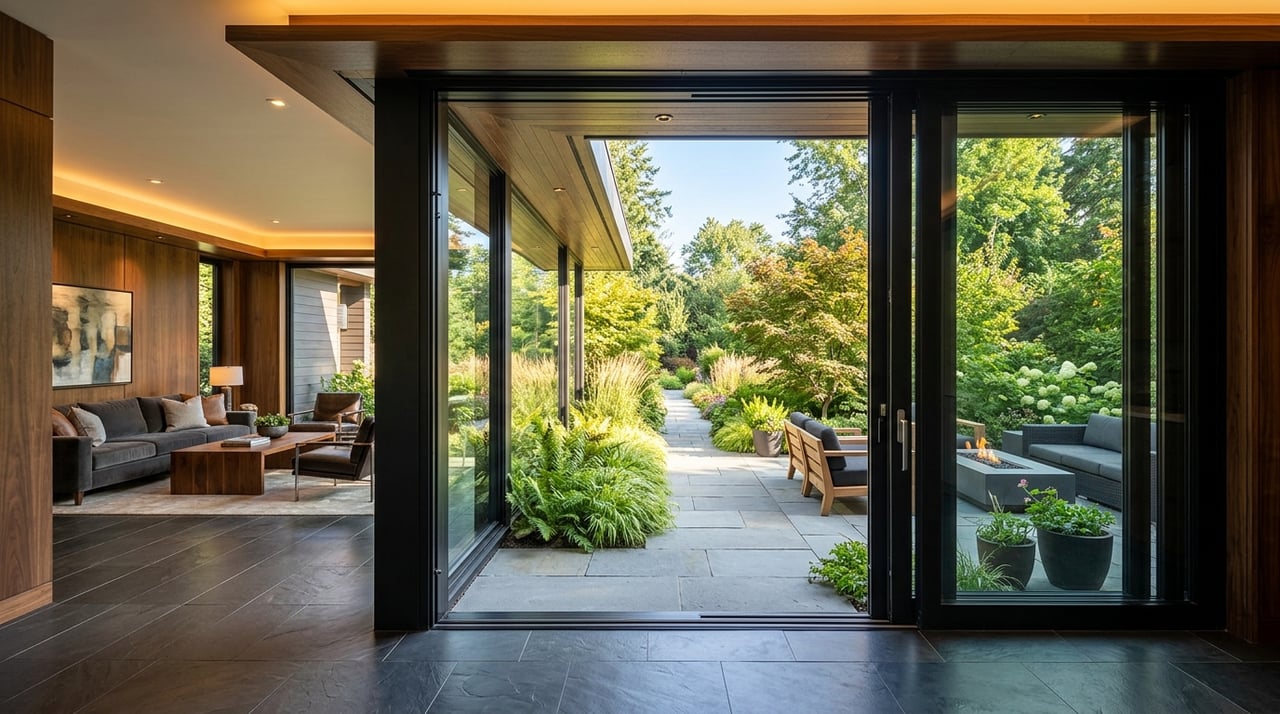
May 21, 2026
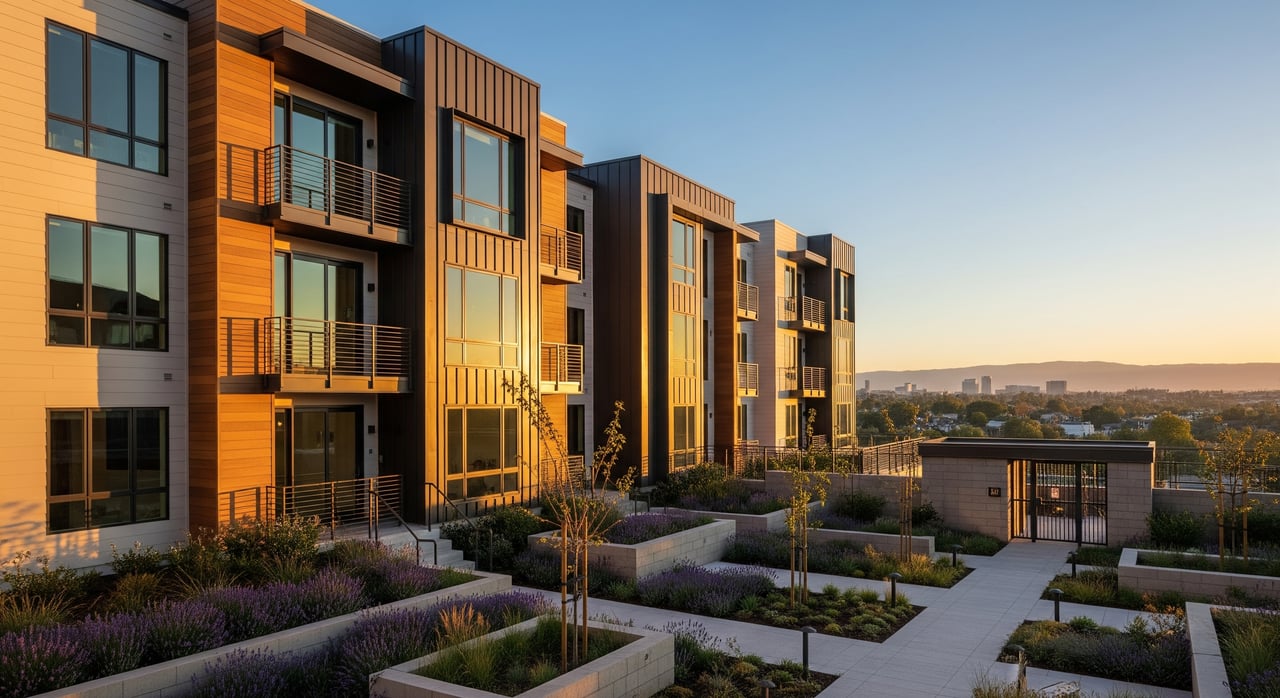
December 4, 2025
August 27, 2026
August 27, 2026
August 20, 2026
July 16, 2026
Property Management
June 23, 2026
A Palo Alto landlord's guide to AB 1482 rent caps, just-cause eviction, security deposit limits
March 26, 2026
January 1, 2026
January 22, 2026
Tim Proschold | October 6, 2025
August 13, 2026
August 13, 2026
July 16, 2026
July 16, 2026
June 25, 2026
July 23, 2026
July 16, 2026
Property Management
June 23, 2026
Menlo Park property management guide for owners
July 9, 2026
July 2, 2026
April 2, 2026
June 18, 2026
June 11, 2026
June 4, 2026
April 16, 2026
May 28, 2026
February 19, 2026
May 14, 2026
May 7, 2026
March 26, 2026
March 24, 2026
April 23, 2026
March 5, 2026
April 9, 2026
Market Trends
Tim Proschold | July 9, 2024
Prices and Market Action for the Santa Clara Real Estate Market Past 3 Years
January 8, 2026
March 26, 2026
January 15, 2026
March 12, 2026
February 26, 2026
February 5, 2026
February 12, 2026
December 4, 2025
November 27, 2025
December 25, 2025
Market Trends
Tim Proschold | July 10, 2024
Prices and Market Action for the Los Altos Real Estate Market Past 3 Years
December 18, 2025
Lifestyle
September 25, 2025
Essential Smart Home Gadgets for Los Altos Living

December 11, 2025
November 14, 2025
November 21, 2025
Market Trends
Tim Proschold | June 13, 2024
Prices and Market Action for the Menlo Park Real Estate Market through May 2024
Market Trends
Tim Proschold | October 2, 2025
Prices and Market Action for the Menlo Park Real Estate Market Past 3 Years
November 27, 2025

October 30, 2025

Tim Proschold | October 30, 2025

November 5, 2025
May 5, 2023
Real estate has long been considered a reliable and lucrative investment for wealth preservation.
February 2, 2023
You need to work with a knowledgeable and experienced real estate professional who can guide you through the process.
May 22, 2023
While it is improbable that the United States government would ever default on its debt.

April 17, 2023
As we grow older, the importance of financial security and well-being takes on greater significance.

November 6, 2025
October 23, 2025
Market Trends
Tim Proschold | October 23, 2025
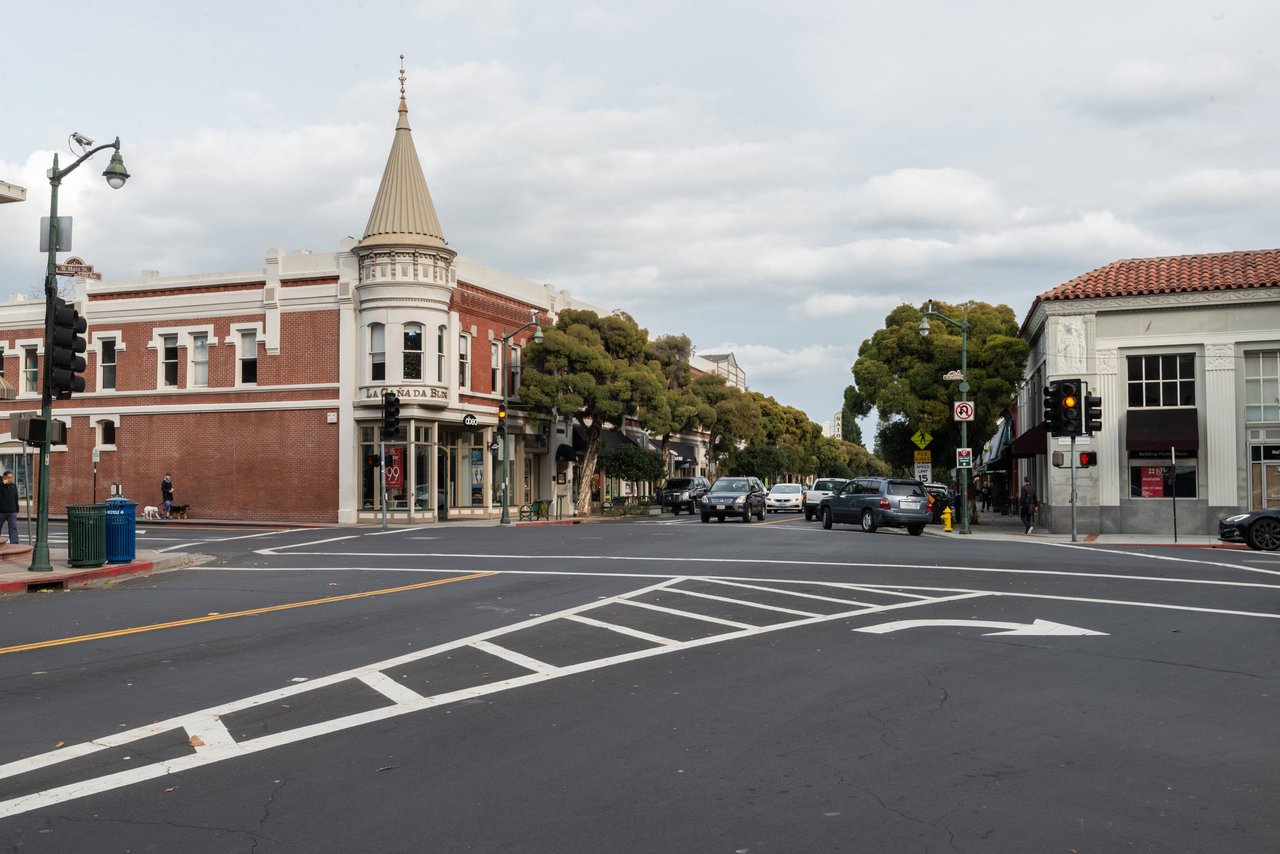
Prices and Market Action for the Los Gatos Real Estate Market Past 3 Years
Market Trends
Tim Proschold | October 16, 2025
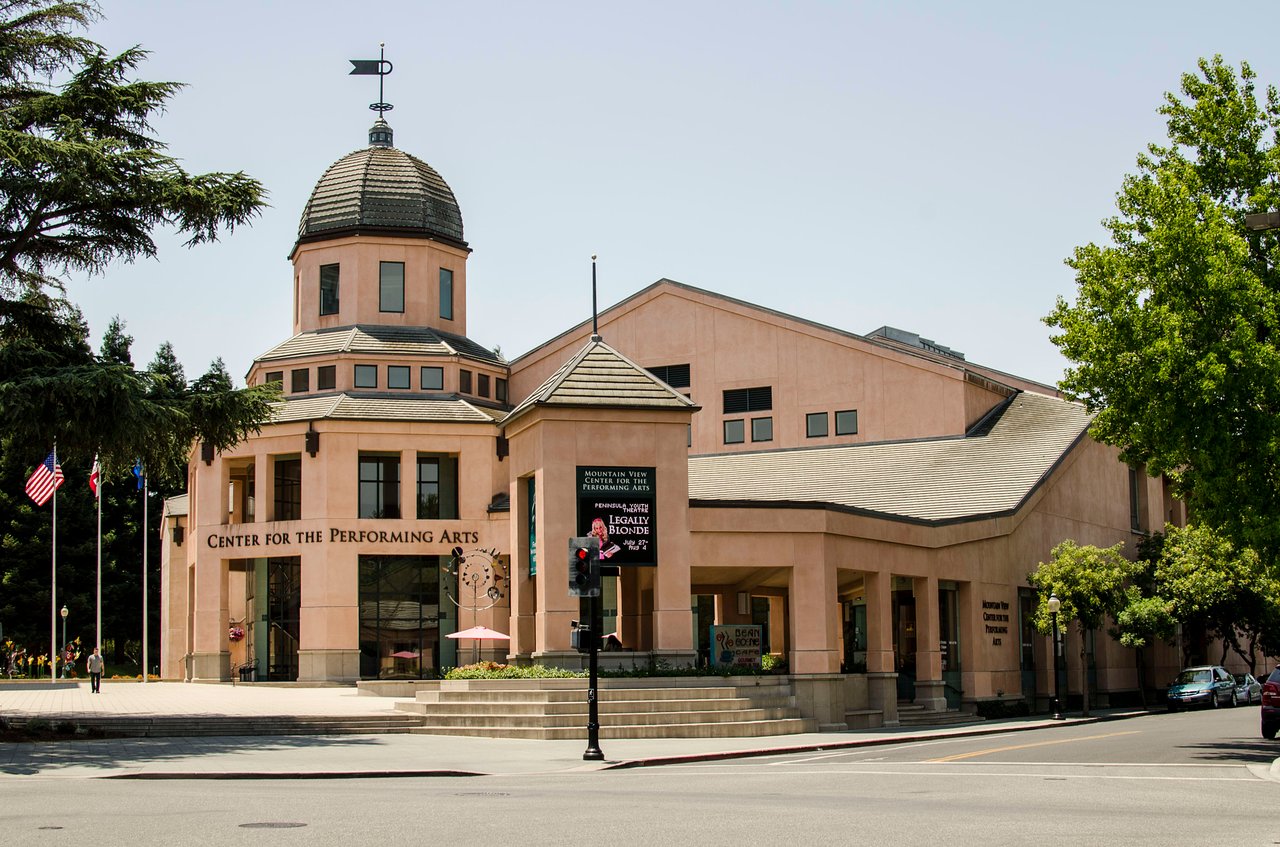
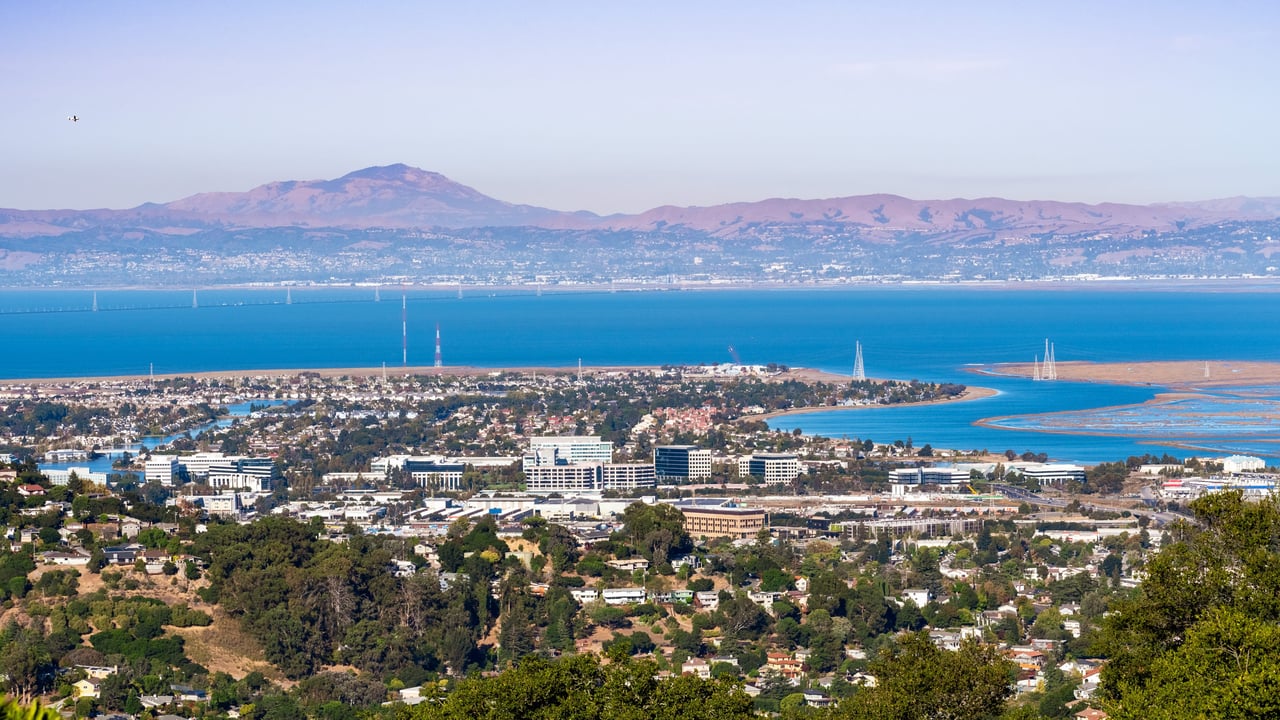
Prices and Market Action for the Mountain View Real Estate Market Past 3 Years
October 16, 2025
Market Trends
Tim Proschold | September 25, 2025
Prices and Market Action for the San Carlos Real Estate Market Past 3 Years
Real Estate
September 25, 2025
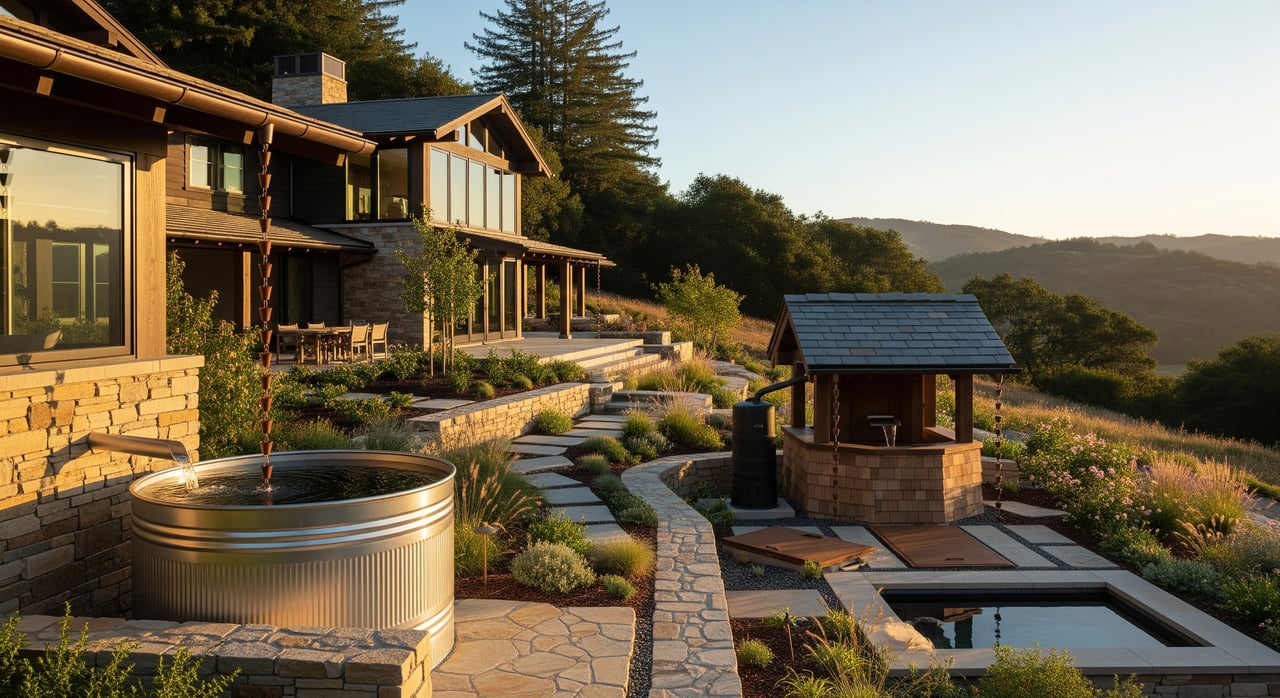
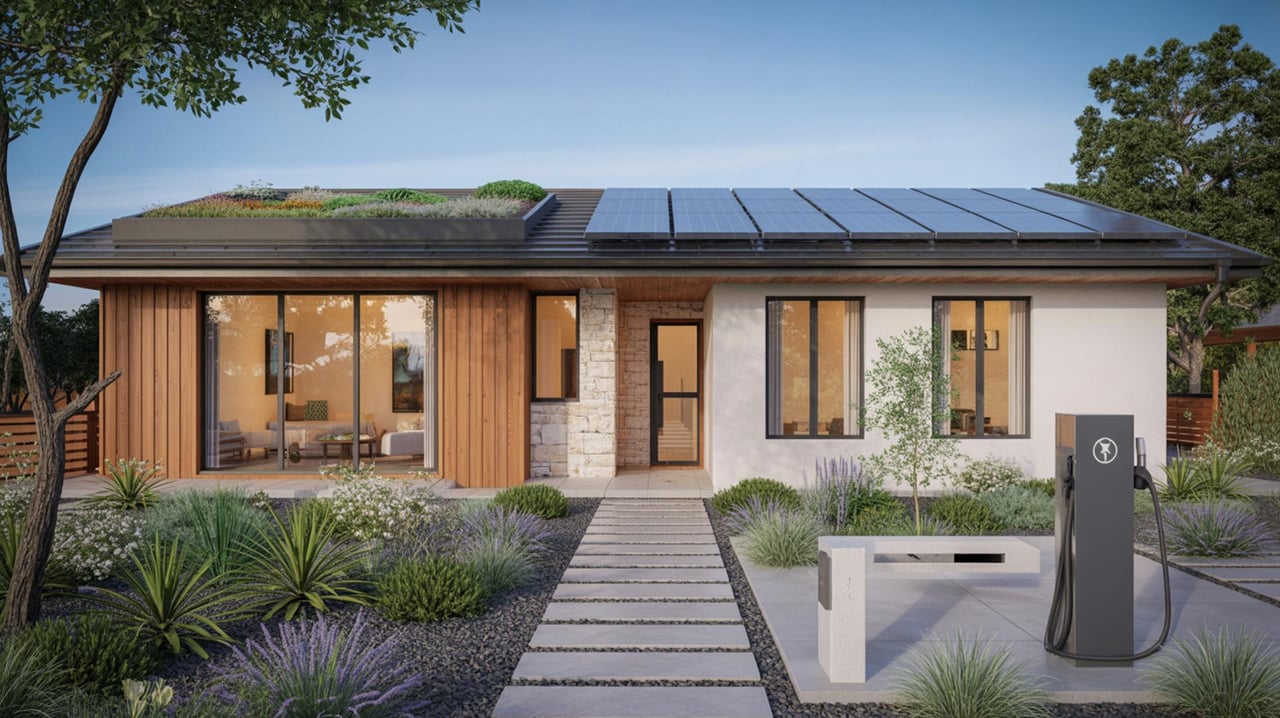
Enhance Your Home's Worth with Sustainable Solutions in Los Altos
October 27, 2023
Real estate statistics are often touted as a reliable indicator of the health and growth of a local market.
November 7, 2023
It's essential to consider your financial objectives, tax implications, and personal circumstances when making a decision.
Market Trends
Tim Proschold | September 18, 2025
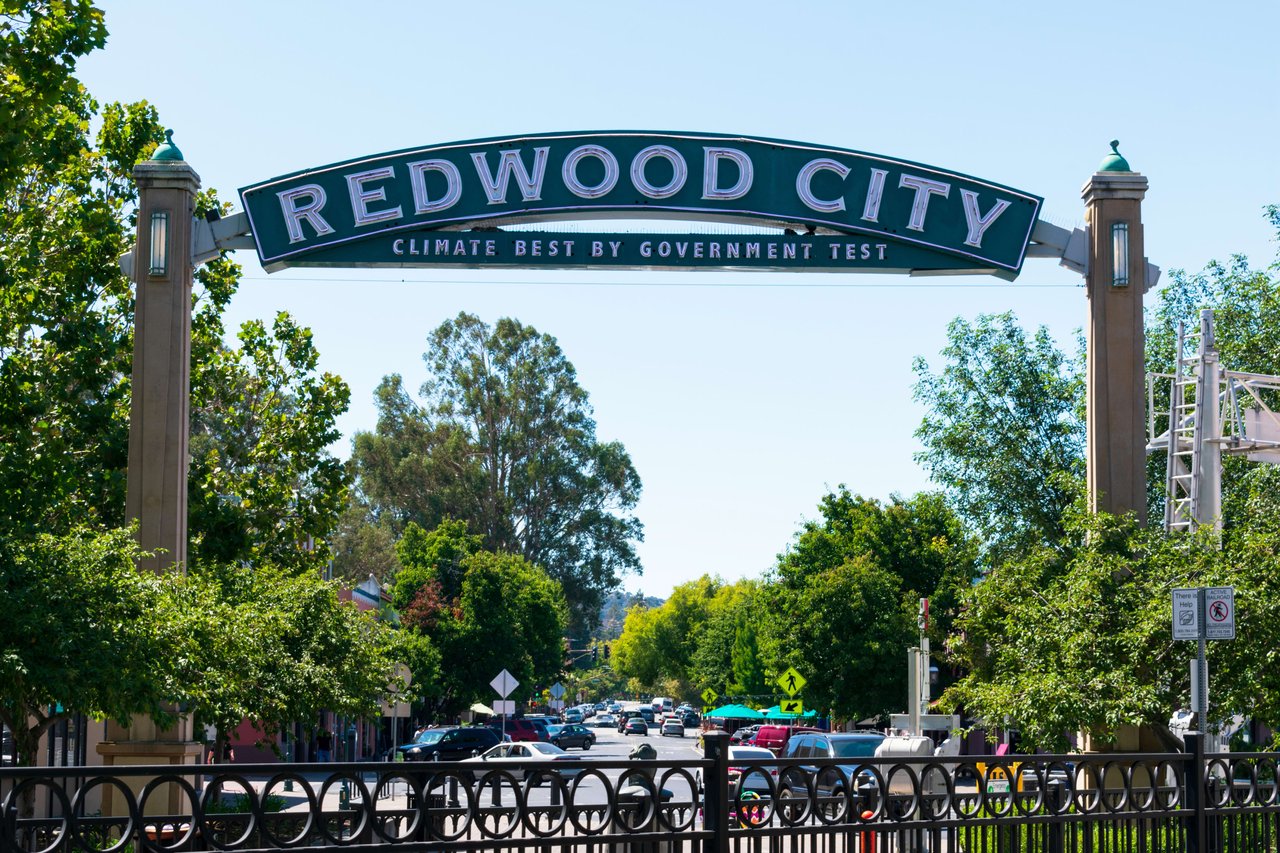
Prices and Market Action for the Redwood City Real Estate Market Past 3 Years
Market Trends
Tim Proschold | September 11, 2025
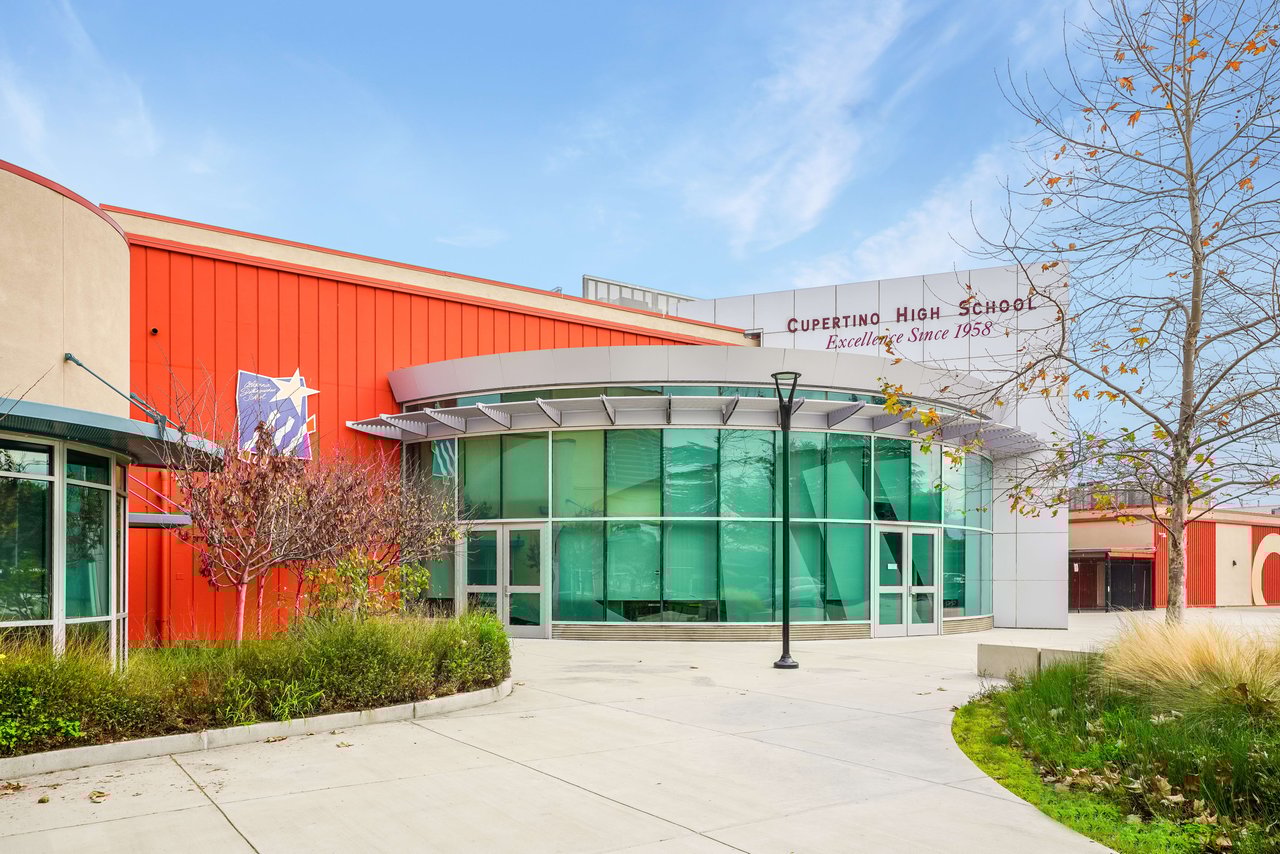
Prices and Market Action for the Cupertino Real Estate Market Past 3 Years
Market Trends
Tim Proschold | September 4, 2025
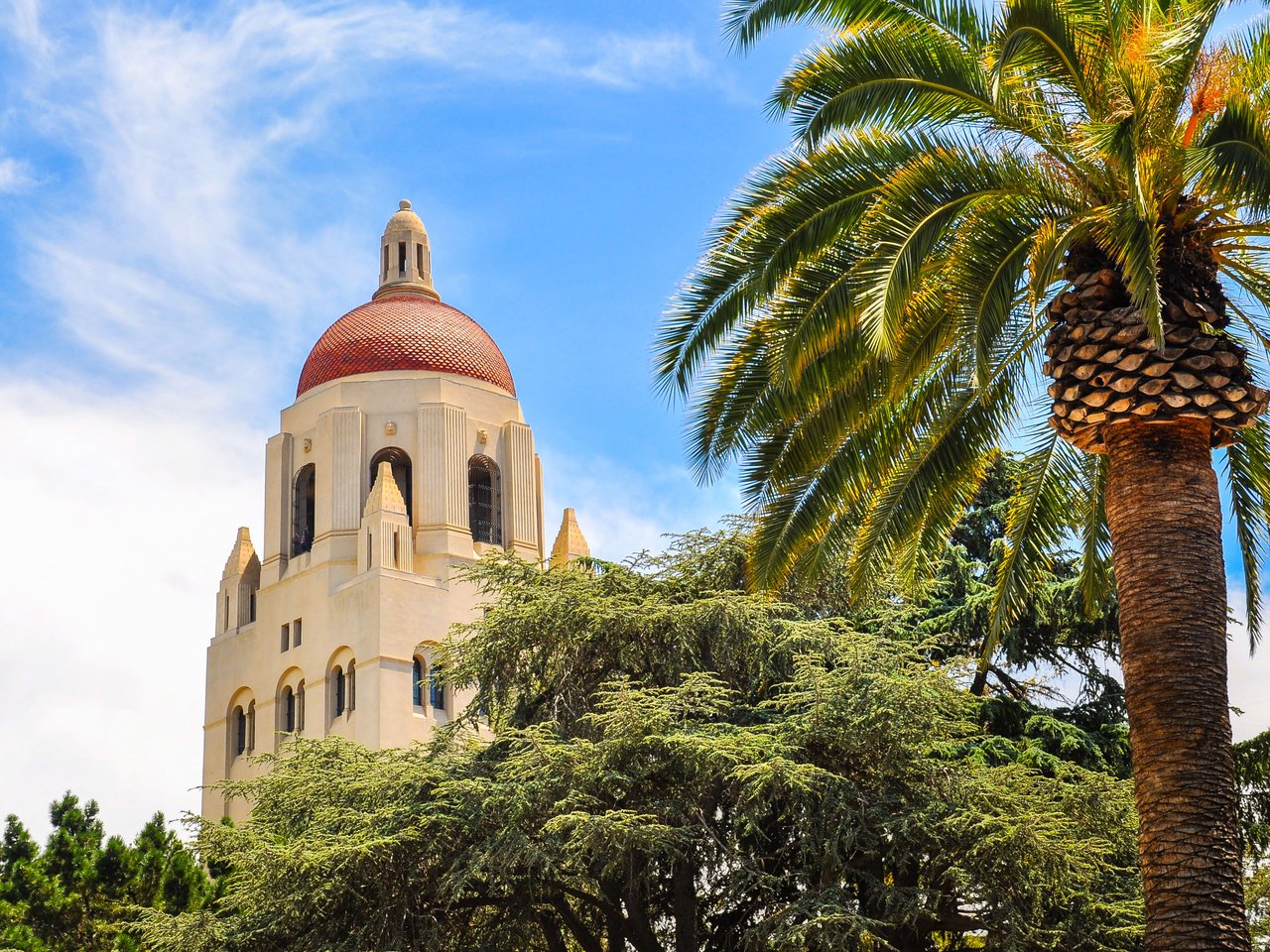
Prices and Market Action for the Palo Alto Real Estate Market Past 3 Years
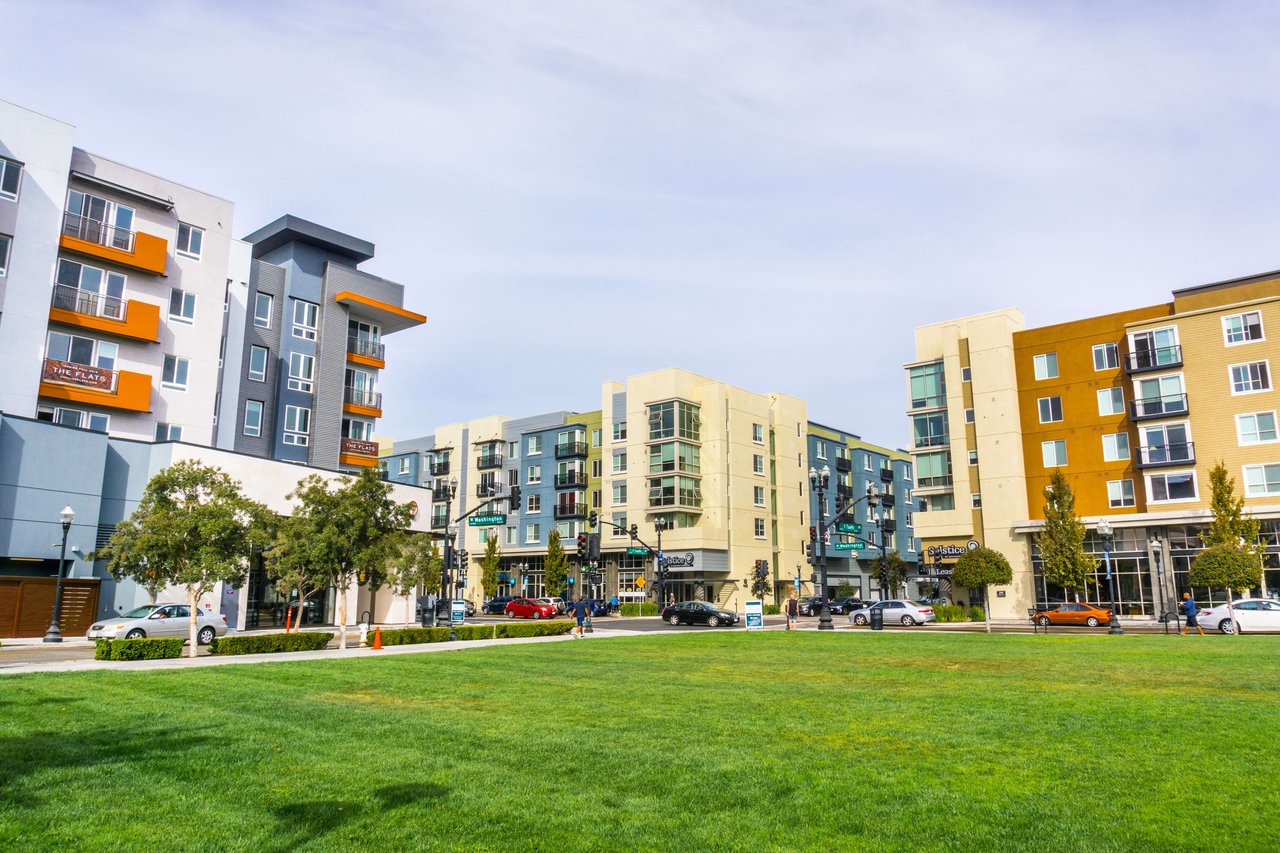
Market Trends
Tim Proschold | July 9, 2024
Prices and Market Action for the Sunnyvale Real Estate Market Past 3 Years
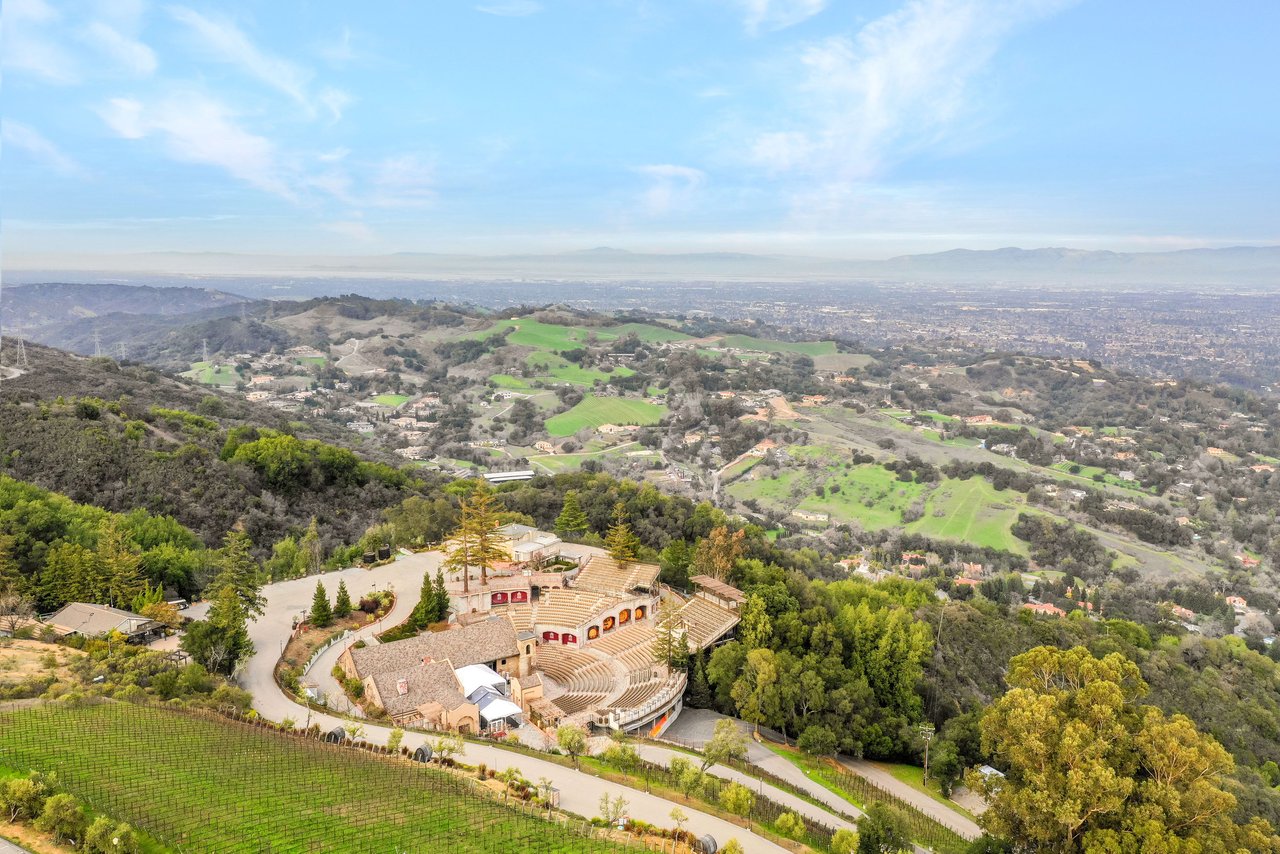
Market Trends
Tim Proschold | July 9, 2024
Prices and Market Action for the Saratoga Real Estate Market Past 3 Years
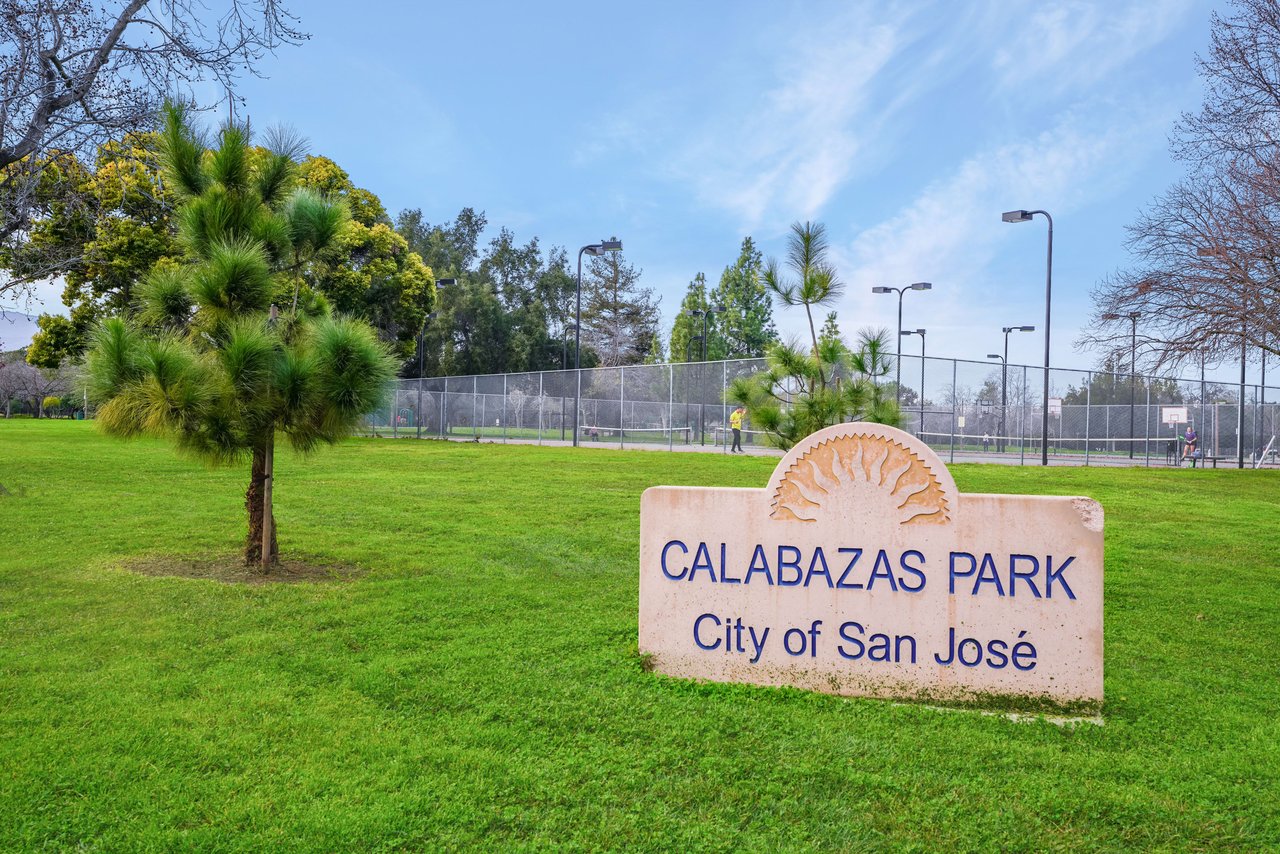
Market Trends
Tim Proschold | July 9, 2024
Prices and Market Action for the San Jose Real Estate Market Past 3 Years
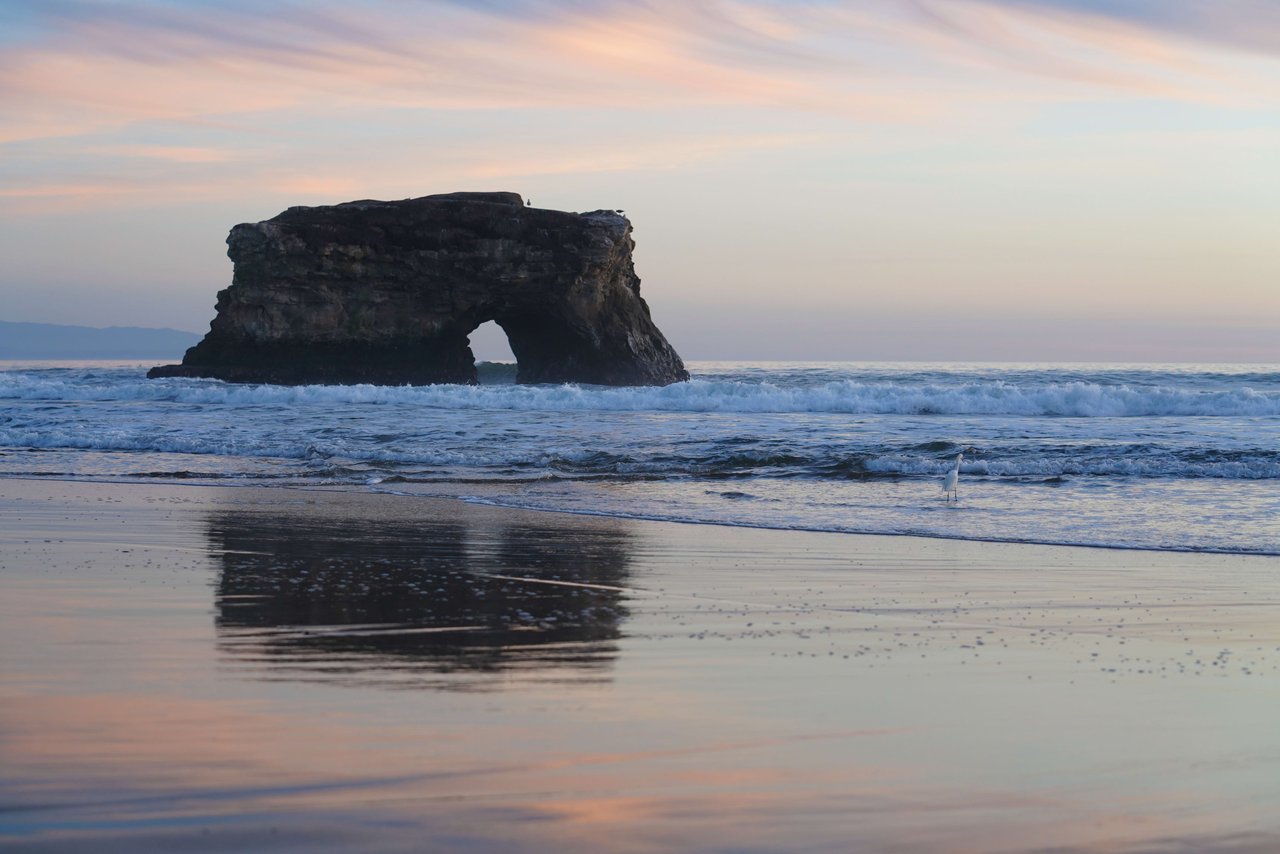
Market Trends
Tim Proschold | July 9, 2024
Prices and Market Action for the Santa Cruz County Real Estate Market Past 3 Years
Market Trends
Tim Proschold | July 9, 2024
Prices and Market Action for the San Mateo County Real Estate Market Past 3 Years
Market Trends
Tim Proschold | July 9, 2024
Prices and Market Action for the Santa Clara County Real Estate Market Past 3 Years
Market Trends
Tim Proschold | June 13, 2024
Prices and Market Action for the San Carlos Real Estate Market through May 2024
Market Trends
Tim Proschold | June 13, 2024
Prices and Market Action for the Redwood City Real Estate Market through May 2024
Market Trends
Tim Proschold | June 12, 2024
Prices and Market Action for the Palo Alto Real Estate Market through May 2024
Market Trends
Tim Proschold | June 12, 2024
Prices and Market Action for the Los Gatos Real Estate Market through May 2024
Market Trends
Tim Proschold | June 12, 2024
Prices and Market Action for the Cupertino Real Estate Market through May 2024
Market Trends
Tim Proschold | June 12, 2024
Prices and Market Action for the Los Altos Real Estate Market through May 2024
Market Trends
Tim Proschold | June 12, 2024
Prices and Market Action for the Mountain View Real Estate Market through May 2024
Market Trends
Tim Proschold | June 12, 2024
Prices and Market Action for the Saratoga Real Estate Market through May 2024
Market Trends
Tim Proschold | June 12, 2024
Prices and Market Action for the San Jose Real Estate Market through May 2024
Experience the pinnacle of real estate excellence with Luxuriant Realty. Their dedicated team ensures a seamless and stress-free journey whether you're buying, selling, or managing properties, allowing you to elevate your lifestyle effortlessly.
LUXURIANT REALTY
885 OAK GROVE AVE, STE 302, MENLO PARK, CA 94025 CA DRE# 02190360 | NMLS# 2464074