27,337 people live in Belmont, where the median age is 39.8 and the average individual income is $101,385. Data provided by the U.S. Census Bureau.
Total Population
Median Age
Population Density Population Density This is the number of people per square mile in a neighborhood.
Average individual Income
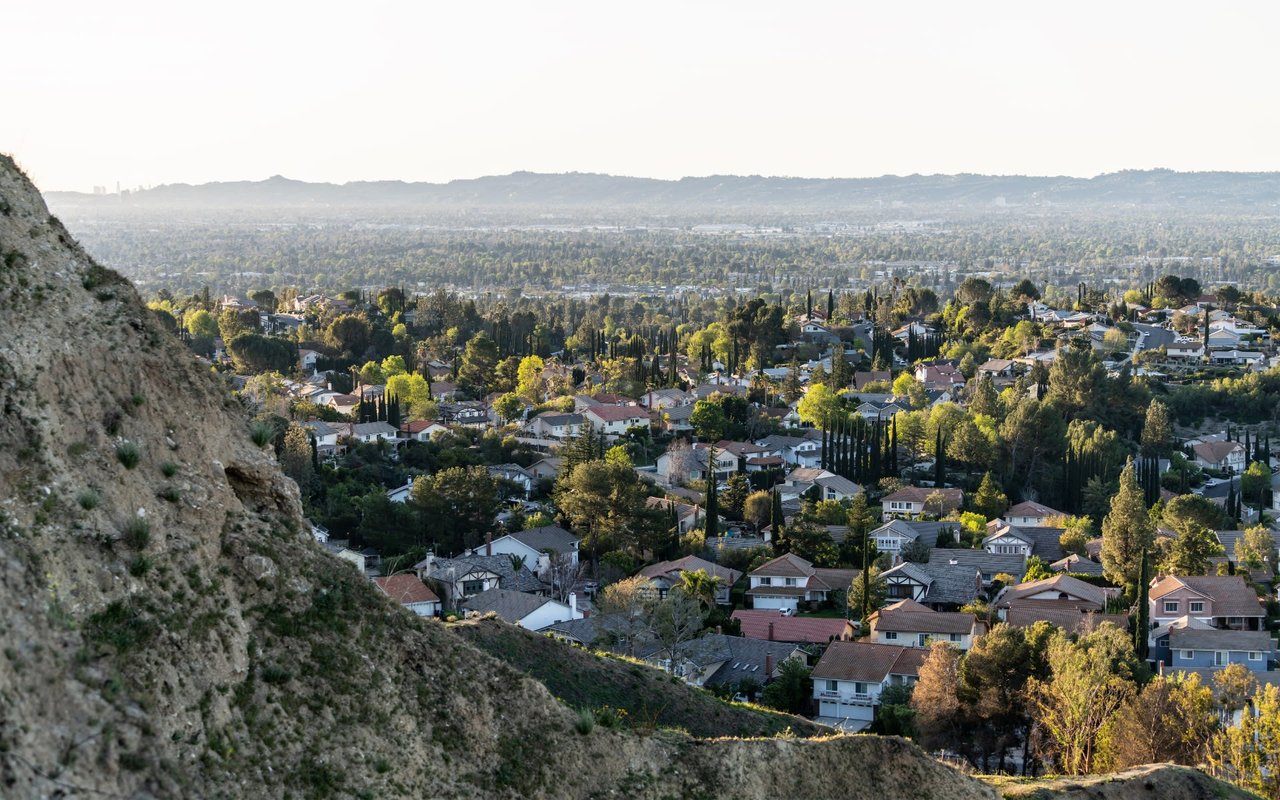
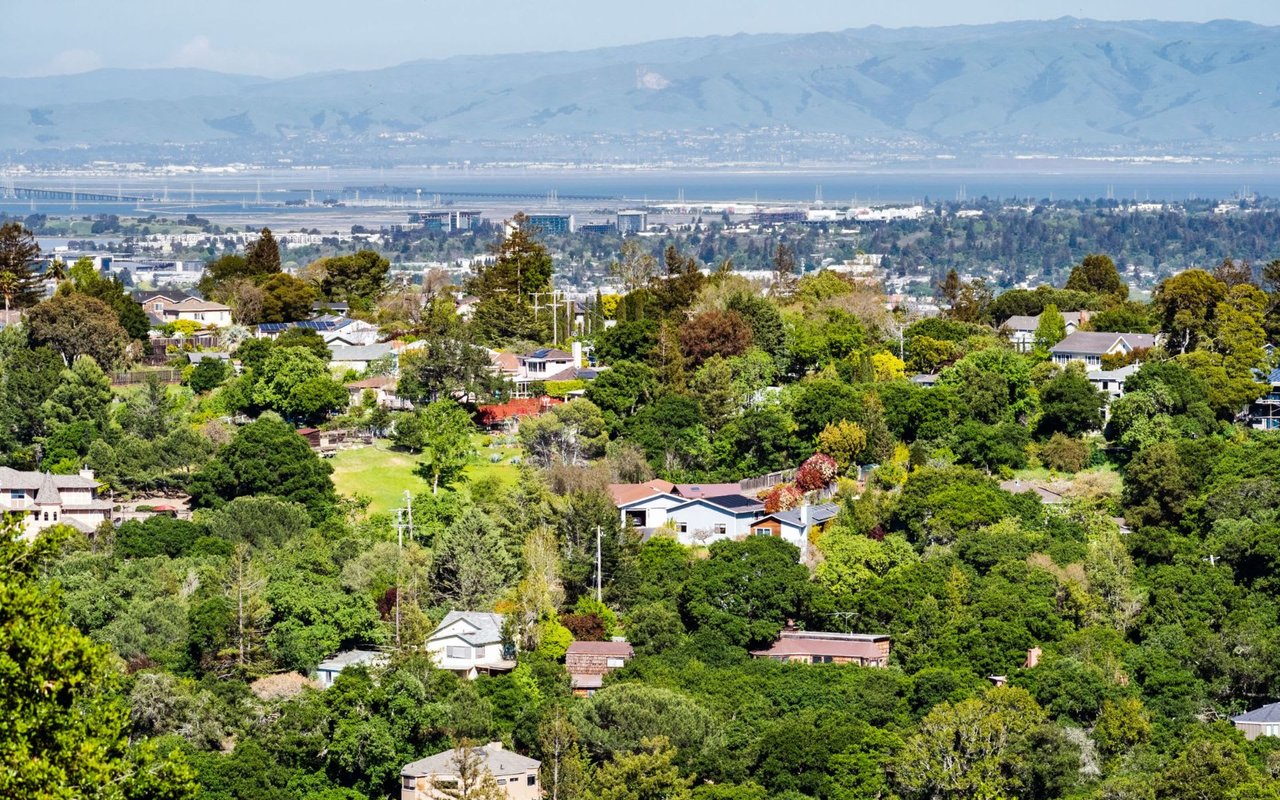
Belmont sits almost exactly halfway between San Francisco and San Jose, tucked between San Carlos to the south and San Mateo to the north. It has earned its reputation as one of San Mateo County's most sought-after residential communities. The city's motto, "The City of Good Living," fits the place. Belmont has no dominant commercial core or high-rise skyline. Instead, residential neighborhoods climb from the flat blocks near Highway 101 up through oak-covered canyons toward the ridgelines near Interstate 280.
That change in elevation shapes almost everything about living and owning property here. A home in the flatlands east of El Camino Real offers walkability, level yards, and quick Caltrain access. A home in the western hills offers privacy, mature trees, and in many cases views across the San Francisco Bay to the San Mateo Bridge and Mount Diablo. Both sit within the same highly regarded public school system, and that school system is the single strongest force keeping Belmont home values resilient.
For homeowners thinking about selling, Belmont's appeal comes from the combination buyers find here. Top-rated schools, a central Peninsula commute, and a quieter, woodsy residential character are hard to find together anywhere else between the city and Silicon Valley.
Belmont's neighborhoods differ more from one another than most buyers expect, and those differences directly affect how a home should be priced and marketed. Topography is the main dividing line. Flat-lot neighborhoods and hillside neighborhoods attract different buyers, sell on different metrics, and call for different preparation before listing.
Neighborhood | Typical Price Range | Terrain | Typical Housing Stock |
|---|---|---|---|
Carlmont | $2.2M – $3.2M+ | Elevated, sloped, wooded | Mid-century ranch, split-levels, contemporary updates, canyon views |
Belmont Hills | $2.1M – $3.5M+ | Steep hillsides and ridgelines | Custom multi-level homes, large glass, view decks, Bay views |
Sterling Downs | $1.7M – $2.2M | Flat and walkable | Post-war single-story ranch homes on uniform lots |
Homeview | $1.6M – $2.1M | Flat, grid-style | Compact 1940s–1950s homes, duplexes, remodeled single-family |
Central Belmont | $1.9M – $2.8M | Terraced lower hills into flatland | Bungalows, updated ranches, custom rebuilds, condos |
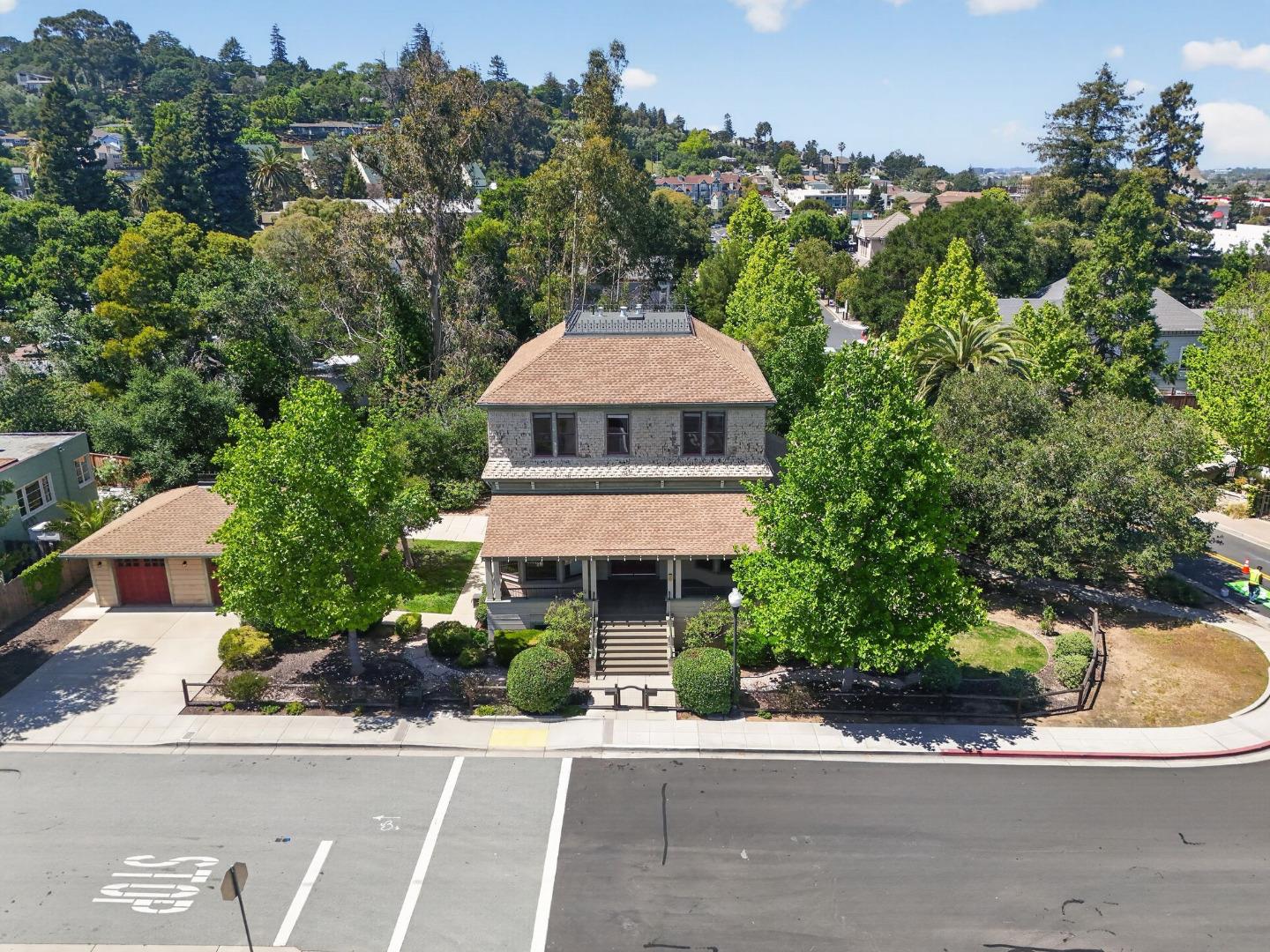
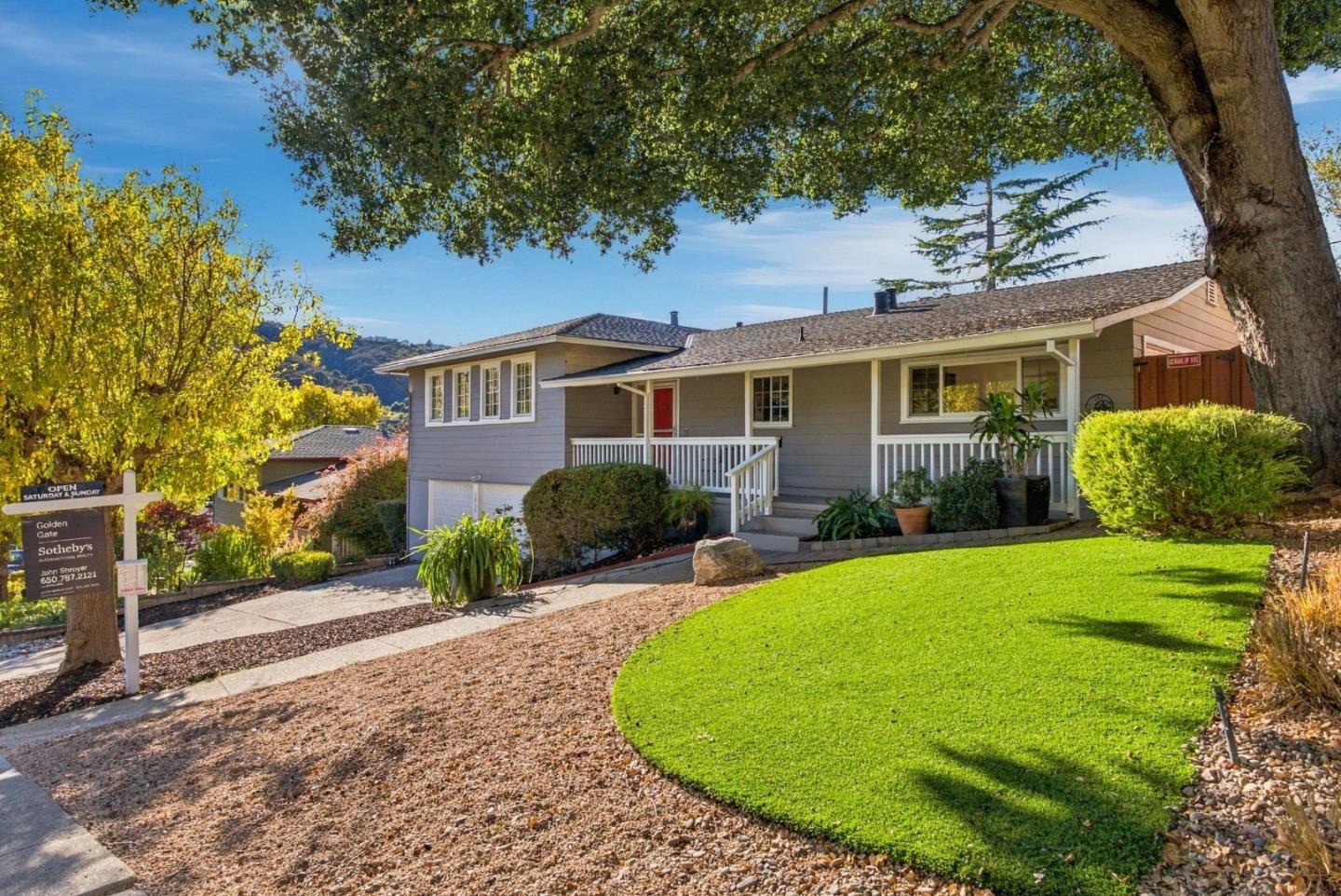
Carlmont covers the western-central part of the city around Alameda de las Pulgas and San Carlos Avenue. It is named for, and organized around, Carlmont High School and the Carlmont Shopping Center. Lots often slope, so yards tend to be terraced, and many homes look out over wooded canyons. Families who want to be close to the high school consistently rank Carlmont near the top of their search list.
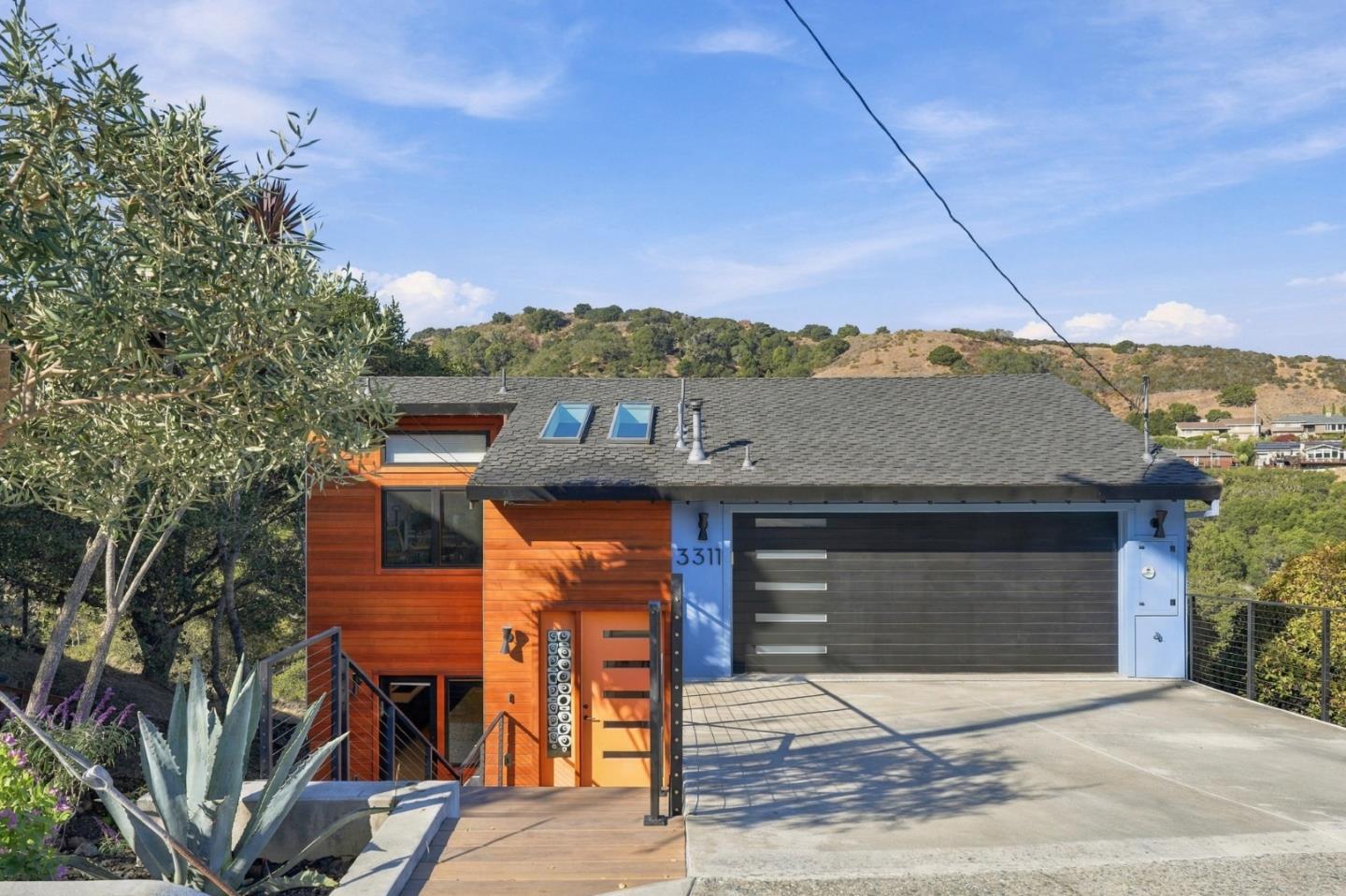
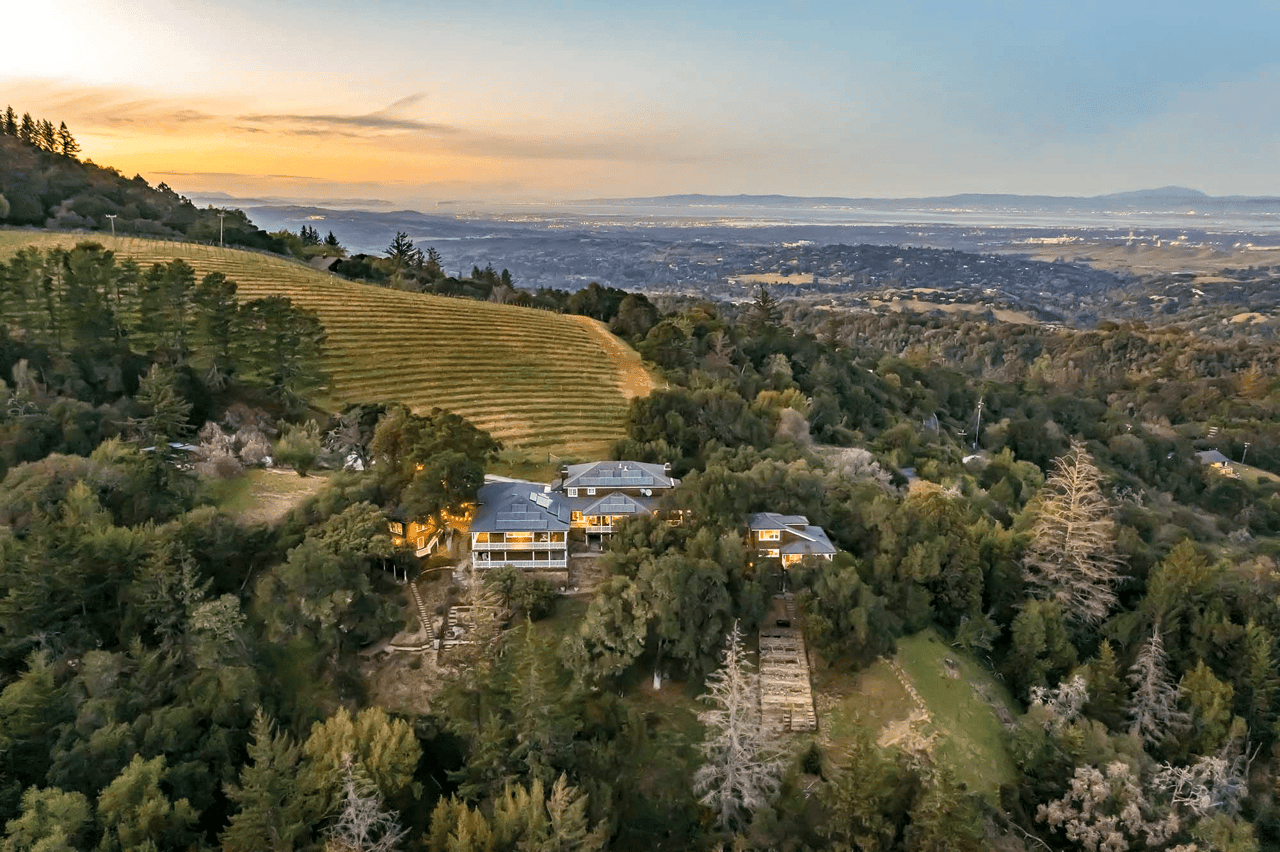
Belmont Hills occupies the high western ridges along upper Ralston Avenue toward Highway 92. This is where Belmont's custom architecture is concentrated: multi-story homes built into the slope, floor-to-ceiling glass, and decks aimed at the Bay or at the forested canyons of Waterdog Lake. Buyers here prioritize privacy and trail access, and the best view lots carry some of the highest price tags in the city.
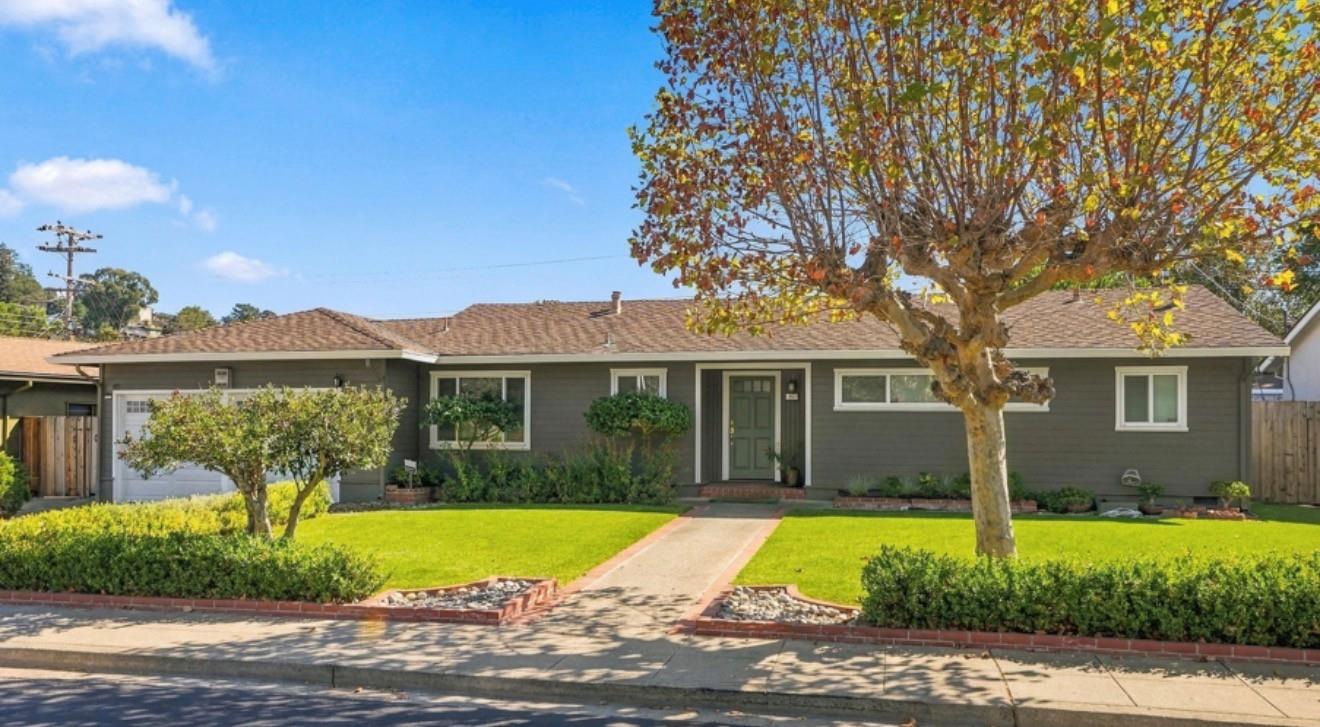
Sterling Downs, east of El Camino Real near the San Carlos border, is Belmont's classic flat-lot neighborhood. Single-story post-WWII ranch homes of roughly 1,000 to 1,600 square feet sit on lots averaging around 5,000 square feet. Sterling Downs is walkable and bikeable and close to Caltrain, so it draws commuters and young families. Its level lots also make it a favorite for second-story additions and ADUs.
Homeview, just north of Sterling Downs and adjacent to Highway 101, offers some of the most accessible single-family price points in Belmont. The housing stock is compact and mid-century, with some duplexes mixed in. The flat parcels give buyers room to add on, which is why Homeview has seen steady remodel and rebuild activity.
Central Belmont surrounds the city center and climbs the gentler lower hills along Ralston Avenue. It has the widest mix of housing in the city, from original bungalows and updated ranches to luxury custom rebuilds, condo complexes, and small multi-family buildings. Its selling point is convenience: residents can walk to Downtown Belmont, Twin Pines Park, the Barrett Community Center, and the Caltrain station.
Belmont also has smaller hillside enclaves such as Hallmark, Skymont, and Plateau. They share many characteristics with Belmont Hills, including elevated lots, view potential, and the structural considerations that come with building on a slope.
Belmont remains a competitive seller's market. Median single-family home values sit at roughly $2.2 million to $2.25 million, with price per square foot generally ranging from about $1,000 to $1,100 or more. More than 60% of properties sell above list price, and well-positioned homes typically go pending within 14 to 20 days.
Several patterns are worth understanding before you list.
Inventory stays tight. Belmont families tend to stay through the K–8 years and on through Carlmont High. Because of that, fewer homes come to market than demand would support. Well-priced single-family homes routinely go pending in under three weeks.
Premium locations draw premium offers. Homes in the most sought-after school-access areas, particularly Carlmont and Central Belmont, frequently attract multiple offers. They often close anywhere from 3% to more than 10% over asking.
Topography changes the math. This is the trend sellers most often misread. Flat-lot neighborhoods like Sterling Downs and Homeview often post higher price-per-square-foot figures for smaller homes, because buyers are paying for a usable yard and room to expand. Hillside homes in Belmont Hills and Carlmont usually offer more total square footage and views but show lower average price-per-square-foot numbers, even when their total sale prices are higher. Pricing a hillside home against flat-lot comps, or the reverse, is one of the most common and costly mistakes in this market.
Older ranches are being transformed. Investors and owner-occupants continue to put significant money into the 1950s ranch inventory in Sterling Downs and Homeview, through second-story additions, ADUs, and full modernizations. Sellers of original-condition homes in these neighborhoods are often selling to buyers who are underwriting the lot as much as the house.
Belmont buyers are well-informed, well-financed, and usually short on time. Many are tech and biotech professionals or move-up families targeting the school district. They have usually toured a lot of homes before they walk into yours, and they know what a well-prepared listing looks like.
Understanding what those buyers want is the starting point for a successful sale. The location drivers are consistent: access to Belmont-Redwood Shores School District and Carlmont High, a central commute via Highway 101, I-280, and Caltrain, and proximity to open space such as Waterdog Lake and Twin Pines Park. Within that framework, buyers are focused on a handful of property features:
The sellers who achieve the strongest results in Belmont tend to use four strategies together. They stage to emphasize natural light, view corridors, and clearly defined rooms (a staged office matters to this buyer pool). They choose high-return cosmetic updates such as fresh neutral paint, refinished hardwood, new fixtures, and cleaned-up landscaping instead of major overhauls right before listing. They provide transparent pre-listing inspections, including structural or geotechnical reports where relevant, which makes it easier for buyers to write non-contingent offers. And they price to launch, using hyper-local comps that account for flat-versus-hillside differences, so the home generates competitive bidding instead of sitting.
Single-family homes make up the vast majority of Belmont's housing, and they fall broadly into two groups. In the lower-elevation eastern neighborhoods like Sterling Downs and Homeview, you'll find level-lot ranch homes, typically 1,000 to 1,800 square feet, with functional layouts and strong expansion potential. In Carlmont and Central Belmont, mid-century modern and contemporary ranch homes are more common, often with split-level designs, open floor plans, terraced yards, and mature landscaping.
Hillside luxury homes are concentrated in Belmont Hills, Hallmark, Skymont, and Plateau. These are typically custom, multi-level architectural homes with glass walls, tiered decks, and outdoor entertaining space designed around the view. They also carry considerations that other property types don't: slope stability, foundation design, drainage, and compliance with the City of Belmont's hillside development standards, including the Western Hills and San Juan Hills Area Plans.
Condos and townhomes provide an entry point into Belmont and are concentrated along Ralston Avenue and El Camino Real. Condominiums range from low-rise complexes built in the 1970s and 1980s to newer boutique buildings, and many offer pools, underground parking, and a short walk to the Caltrain station. Townhomes add multi-story living with attached garages and small private outdoor spaces. They appeal to buyers who want a low-maintenance, lock-and-leave lifestyle close to downtown. For condo sellers, it helps to have the HOA's financial documents and recent balcony and elevated-element inspection records organized ahead of time, since informed buyers will ask for them.
Investment properties, including duplexes, small multi-family buildings, and single-family rentals, are covered in more detail below.
Elevation is one of Belmont's most valuable real estate assets, and one of the most complex to price. Views command real premiums, but sloped terrain introduces trade-offs in usability, construction, and maintenance that buyers and appraisers weigh carefully.
In neighborhoods like Belmont Hills, Hallmark, and parts of Carlmont, view quality creates distinct value tiers. Panoramic, unobstructed views across the San Francisco Bay, the San Mateo Bridge, and toward Mount Diablo can add roughly $200,000 to $500,000 or more to a home's value. Canyon and forest views over Waterdog Lake Open Space or Belmont's wooded canyons typically add around $75,000 to $200,000, especially for buyers who value privacy. Partial or corridor views, glimpsed between neighboring homes or trees, add a more modest $30,000 to $75,000.
Price per square foot works differently on the hillside too. Hillside homes frequently span multiple levels and 2,500 to 4,000 or more square feet, which pulls down their price-per-square-foot averages even when they sell above $3 million. Usable outdoor space is the other variable. A steep, unusable backyard works against value. A property with engineered multi-tier decks, terraced lawns, or an outdoor kitchen closes much of that gap and can capture noticeably stronger offers.
Buyers of hillside homes also look closely at what they can't see from the living room: retaining wall condition, drainage systems, piers and foundations, and overall slope stability. Belmont's hillside rules also govern height limits, floor-area ratios, and tree preservation, which directly affect how much a future owner could expand. Sellers who can answer these questions clearly and with documentation, before a buyer's inspector raises them, protect both their price and their timeline.
Public schools are the foundation of Belmont's property values. They are a major reason the local market has held up comparatively well during regional slowdowns.
The Belmont-Redwood Shores School District (BRSSD) serves grades K through 8 and is consistently ranked among the stronger elementary and middle school districts in California. Elementary campuses such as Cipriani, Fox, Central, and Redwood Shores Elementary are often the reason move-up families start searching in Belmont in the first place. Ralston Middle School, the district's middle school, keeps families rooted in Belmont through the middle-school years instead of moving or switching to private options.
At the high school level, most Belmont students attend Carlmont High School, part of the Sequoia Union High School District. Carlmont is known for its Biotechnology Institute, extensive AP and honors offerings, and a well-regarded performing arts program. It is a large part of why families who buy in Belmont for elementary school often stay for a decade or more.
For sellers, the effect is measurable. Homes within walking distance or easy reach of BRSSD elementary schools consistently see more competition, shorter days on market, and stronger sale-to-list ratios. Belmont homes often command a premium over similar homes in nearby areas assigned to lower-rated schools. That same school demand supports a durable single-family rental market, which matters to investors. Because school boundaries can change, sellers should confirm current assignments with the district and present them accurately in marketing.
Belmont's central Peninsula position is one of its strongest selling points. Residents are roughly equidistant from San Francisco and San Jose and have three major commute options within minutes.
Caltrain stops at Belmont Station on El Camino Real near Ralston Avenue, with direct rail service north to San Francisco and south to Palo Alto, Mountain View, and San Jose. Caltrain's electrified service has brought faster, more frequent trips along the corridor. That is a meaningful advantage for homes in Central Belmont, Sterling Downs, and Homeview, where the station is within walking or biking distance.
Highway 101 runs along Belmont's eastern edge next to Homeview and Sterling Downs. It is the main route to SFO and to tech campuses in Redwood City, Menlo Park, and Mountain View.
Interstate 280 runs along the western edge and is reached via Ralston Avenue or Highway 92. Many commuters prefer it for its scenery and generally lighter peak-hour traffic compared to 101, which benefits the hillside neighborhoods.
Ralston Avenue connects all of it. As Belmont's main east-west artery, it links Highway 101, El Camino Real, the Caltrain station, Carlmont Village, and I-280. Hillside residents in Belmont Hills, Hallmark, and Carlmont use it to reach shopping, transit, and freeways quickly. That means even the more secluded parts of Belmont are well connected, which is worth highlighting when you market a hillside home.
Belmont pairs its transit corridors with a large network of protected canyons and parks, and that access is part of what buyers are paying for.
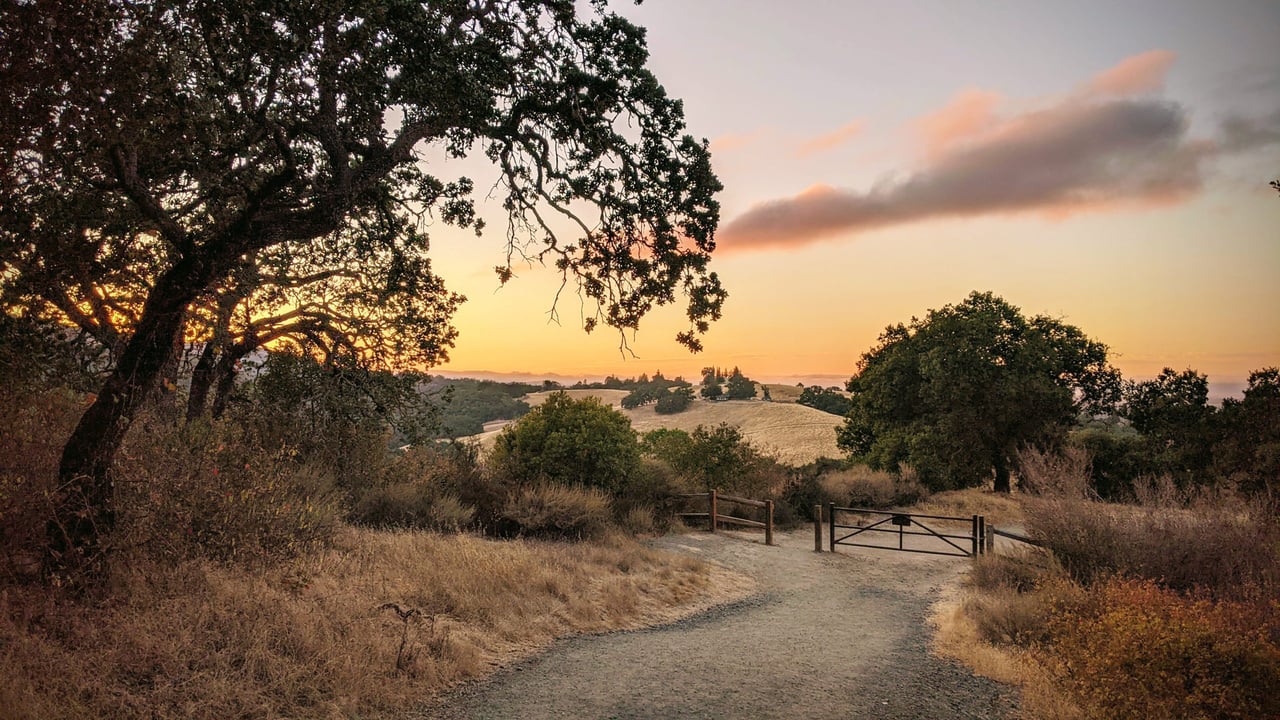
Waterdog Lake Park and the surrounding open space is Belmont's largest natural area. It centers on a small reservoir and winds through oak woodland on single-track trails and fire roads that are popular with mountain bikers, trail runners, and dog owners. Homes near Waterdog trailheads in Belmont Hills, Carlmont, and Hallmark tend to command premium valuations for that direct outdoor access. When selling one of these homes, the trail connection deserves prominent placement in your listing.
Twin Pines Park, along Ralston Avenue near downtown, is the city's civic and cultural park. Its roughly 19 acres follow Belmont Creek beneath tall redwoods, with picnic areas, playgrounds, and the Belmont Historical Society Museum. It hosts community events and summer concerts, and its walking paths connect Central Belmont residents directly to downtown shops and transit.
The San Juan Hills area covers the high ridgelines and steep canyons above Ralston and San Juan avenues. Dense oak and bay tree canopy, wildlife corridors, and high vistas define the area, and trails link hillside streets to the broader regional network, including Sugarloaf Open Space. The San Juan Hills Area Plan protects the area's character with strict environmental zoning, tree preservation rules, and limits on hillside construction. Buyers value that protection, but sellers of homes in the area should understand how it limits expansion.
Belmont has two main commercial centers, and which one a home is closer to shapes how residents live day to day.
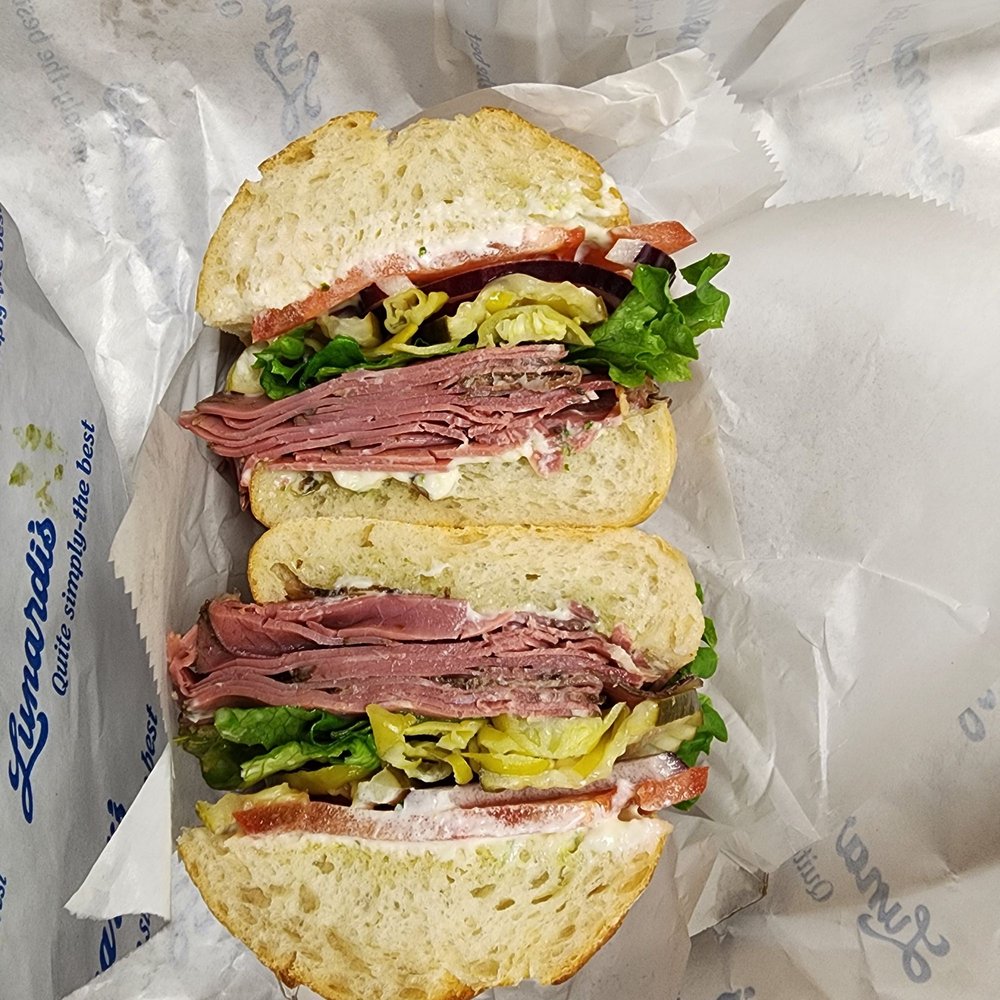
Carlmont Shopping Center, at Ralston Avenue and Alameda de las Pulgas, is the everyday hub for hillside and central Belmont residents. It is anchored by Lunardi's Market, a family-owned Bay Area grocer known for its meat counter and produce, along with banking, a pharmacy, dry cleaning, and other daily errands. Casual dining fills out the center: cafes, a bakery, sushi, Mediterranean, and family pizza spots. Because it sits near Carlmont High, it stays busy with students and families on weekday afternoons and weekends. Being able to walk or take a short drive to Carlmont Village is a real draw for homes in the surrounding neighborhoods.
Downtown Belmont, along El Camino Real and Ralston Avenue around the Caltrain station, is the more transit-oriented district. It has a growing collection of independent restaurants, coffee bars, and brewpubs serving Asian, Italian, and Mexican food, among others, and paths connect it to Twin Pines Park. The Belmont Village Specific Plan guides the area's ongoing evolution toward walkable, mixed-use buildings with ground-floor retail and housing above. For owners in Central Belmont, that continued investment in the downtown core supports long-term desirability.
Belmont has kept a small-town feel even as the Peninsula around it has grown denser. Much of that comes from its preserved canyons and a handful of historic properties.
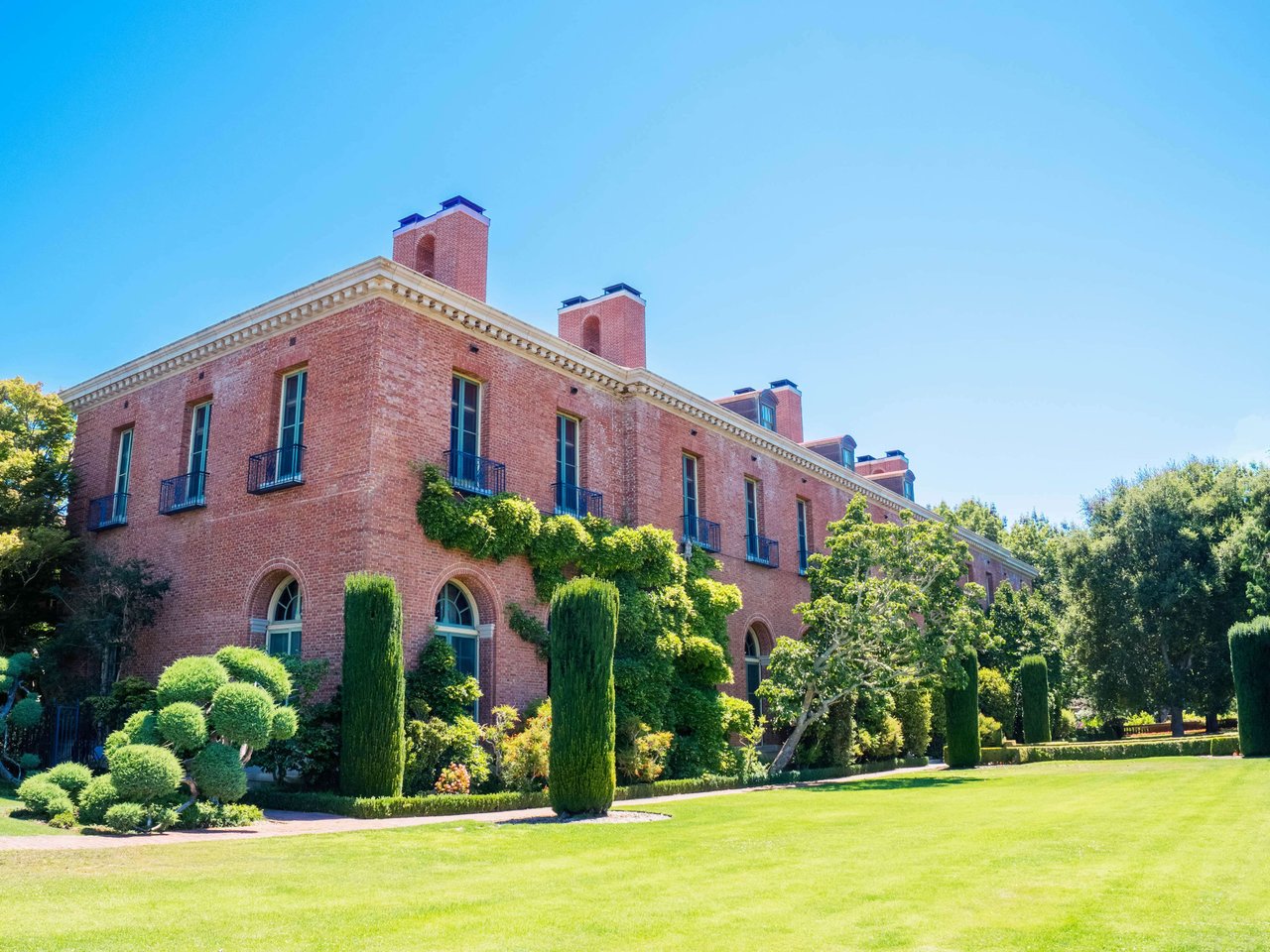
The most prominent is Ralston Hall, the Italianate mansion expanded in the 1860s by William Chapman Ralston, founder of the Bank of California. It is known for its grand ballroom, ornate Victorian interiors, and "Steamboat Gothic" details, and it is recognized as a National Historic Landmark and a California Historical Landmark. It stands as a visible reminder of the Peninsula's estate-era past.
Ralston Hall sits on the campus of Notre Dame de Namur University (NDNU). The Sisters of Notre Dame de Namur founded the school in 1851 and moved it to Belmont in 1922. Today it focuses on graduate, degree-completion, and professional programs. Its oak-shaded grounds and historic buildings host cultural events, tours, and community gatherings, and they add to the historic character that sets Belmont apart from newer suburban communities.
Taken together with the canyon greenbelts and the relatively low-key downtown, these landmarks help explain why Belmont draws buyers who want a settled, established community, and why many residents stay for the long term.
Belmont's rental market draws on the same strengths as its sales market: Peninsula tech and biotech employment, direct commute corridors, and access to BRSSD schools. The tenant pool is heavily made up of high-income professionals and families renting specifically to get into the school district. That profile tends to support stable occupancy and strong rents.
Unit Type | Typical Monthly Rent |
|---|---|
Citywide average (all types) | $3,100 – $3,550 |
1-bedroom | $2,700 – $3,250 |
2-bedroom | $3,800 – $4,800 |
3+ bedroom single-family | $5,500 – $7,500+ |
ADUs are the clearest value-add opportunity, particularly in Sterling Downs and Homeview. The flat lots in these neighborhoods allow attached or detached ADUs, garage conversions, or rear-yard units of up to 1,000 square feet, without the engineering complexity of building on a hillside. For owners considering a sale, a permitted ADU can broaden the buyer pool to include investors and multigenerational households. An unpermitted one can become a problem during escrow.
Small multi-family properties along El Camino Real and Ralston Avenue have historically delivered steady returns. Owners need to stay current on California's exterior elevated element requirements. SB 721 requires periodic structural inspections of balconies, decks, and stairways on qualifying apartment buildings, and SB 326 applies similar requirements to condominium associations. Having those inspections completed and documented is both a compliance matter and a selling point when the property goes to market.
For owners who want to hold rather than sell, professional property management helps protect both the asset and the owner's time. That includes tenant screening, rent positioning, maintenance, and compliance tracking.
Preparation in Belmont goes beyond fresh paint. It depends heavily on where your home sits, and hillside homes in particular need more groundwork before they go on the market.
Start with structure and site, especially on a slope. For homes in Belmont Hills, Hallmark, Carlmont, and other hillside areas, buyers will focus on retaining walls, piers or caissons, drainage, and any sign of slope movement. A clean pre-listing geotechnical or structural evaluation removes that uncertainty before it can turn into a renegotiation. Drainage deserves specific attention in Belmont's canyon terrain. Properly working French drains, sump pumps, and surface water routing should be confirmed and documented.
Confirm your permit history. Past remodels, wall removals, deck additions, and electrical panel upgrades should all have finalized permits with the City of Belmont. On hillside properties, confirm that earlier additions complied with the floor-area ratio, height, and tree preservation rules in effect at the time. Surprises here are among the most common causes of late-stage delays.
Complete the standard inspection package. A property inspection, pest and termite report, and roof certification give buyers the confidence to write clean offers. Pest reports carry extra weight in Belmont, where heavily wooded lots can mean dry rot or wood-destroying organisms that sellers are better off identifying early. Chimney condition and seismic bracing are also worth checking before launch. For multi-family properties, have SB 721 documentation ready.
Invest where the return is highest. Neutral interior and exterior paint, refinished hardwood floors, updated light fixtures and hardware, and tidied landscaping typically return far more than major structural projects started just before listing.
Stage for how Belmont buyers live. On view homes, trim foliage, clean every window, and arrange furniture to direct the eye toward the Bay or canyon. Stage a dedicated home office for hybrid workers. On flat lots, present the backyard as the usable, livable space buyers are paying for.
Selling a home in Belmont, especially a hillside property, calls for more than market knowledge. It helps to understand what sits beneath the floorboards and behind the retaining walls. Tim Proschold, CEO and Managing Broker of Luxuriant Realty, brings a rare combination to that process. He is both a licensed California Real Estate Broker and a licensed California Civil Engineer, with a background in structural design and construction management. That perspective lets him spot potential issues other agents may miss and identify opportunities, such as expansion potential or the value of a well-engineered deck, before they are left on the table. Tim handles every stage for his seller clients, from pre-sale preparation and staging to marketing with high dynamic range photography, video, 3D tours, and targeted digital outreach. Luxuriant Realty also offers residential and commercial property management for owners who would rather hold and lease. If you're considering selling your Belmont home or simply want a clear read on its value, reach out to Tim at [email protected] or (650) 200-5943, or visit the Luxuriant Realty office at 885 Oak Grove Ave, Ste 302, Menlo Park, CA 94025. (DRE #01458118)
There's plenty to do around Belmont, including shopping, dining, nightlife, parks, and more. Data provided by Walk Score and Yelp.
Explore popular things to do in the area, including Safeway, Lunardi's Markets, and San Mateo Supper Club.
| Name | Category | Distance | Reviews |
Ratings by
Yelp
|
|---|---|---|---|---|
| Dining · $$ | 0.21 miles | 136 reviews | 2.6/5 stars | |
| Dining · $$ | 0.35 miles | 216 reviews | 3.3/5 stars | |
| Dining | 0.51 miles | 0 reviews | 0/5 stars | |
| Dining | 0.97 miles | 1 review | 3/5 stars | |
| Dining · $ | 1.05 miles | 140 reviews | 3/5 stars | |
| Dining | 1.08 miles | 124 reviews | 4.7/5 stars | |
| Active | 0.25 miles | 1 review | 5/5 stars | |
| Active | 0.26 miles | 3 reviews | 4.3/5 stars | |
| Active | 0.44 miles | 40 reviews | 4.9/5 stars | |
| Active | 0.66 miles | 0 reviews | 0/5 stars | |
| Active | 0.66 miles | 0 reviews | 0/5 stars | |
| Active | 0.68 miles | 0 reviews | 0/5 stars | |
| Active | 1.02 miles | 1 review | 5/5 stars | |
| Active | 1.06 miles | 6 reviews | 5/5 stars | |
| Active | 1.07 miles | 16 reviews | 5/5 stars | |
| Beauty | 0.37 miles | 7 reviews | 5/5 stars | |
| Beauty | 0.66 miles | 0 reviews | 0/5 stars | |
| Beauty | 0.97 miles | 10 reviews | 5/5 stars | |
| Beauty | 1.07 miles | 53 reviews | 4.7/5 stars | |
| Beauty | 1.07 miles | 2 reviews | 5/5 stars | |
|
|
||||
|
|
||||
|
|
||||
|
|
||||
|
|
||||
|
|
Belmont has 10,500 households, with an average household size of 2.53. Data provided by the U.S. Census Bureau. Here’s what the people living in Belmont do for work — and how long it takes them to get there. Data provided by the U.S. Census Bureau. 27,337 people call Belmont home. The population density is 5,905 and the largest age group is Data provided by the U.S. Census Bureau.
Total Population
Population Density Population Density This is the number of people per square mile in a neighborhood.
Median Age
Men vs Women
Population by Age Group
0-9 Years
10-17 Years
18-24 Years
25-64 Years
65-74 Years
75+ Years
Education Level
Total Households
Average Household Size
Average individual Income
Households with Children
With Children:
Without Children:
Marital Status
Blue vs White Collar Workers
Blue Collar:
White Collar:
February 2, 2023
You need to work with a knowledgeable and experienced real estate professional who can guide you through the process.
May 22, 2023
While it is improbable that the United States government would ever default on its debt.

April 17, 2023
As we grow older, the importance of financial security and well-being takes on greater significance.
November 12, 2026
November 12, 2026
November 12, 2026
September 10, 2026
November 5, 2026
October 8, 2026
October 29, 2026
March 26, 2026
March 12, 2026
December 25, 2025
May 28, 2026
Tim Proschold | October 6, 2025
October 1, 2026
October 22, 2026
October 22, 2026
September 17, 2026
August 27, 2026
August 27, 2026
September 24, 2026
August 13, 2026
September 10, 2026
September 17, 2026
August 13, 2026
October 1, 2026
September 3, 2026
October 15, 2026
August 20, 2026
September 10, 2026
August 6, 2026
July 23, 2026
May 21, 2026
December 4, 2025
July 16, 2026
Property Management
June 23, 2026
A Palo Alto landlord's guide to AB 1482 rent caps, just-cause eviction, security deposit limits
March 26, 2026
January 1, 2026
January 22, 2026
July 16, 2026
July 16, 2026
June 25, 2026
July 23, 2026
July 16, 2026
Property Management
June 23, 2026
Menlo Park property management guide for owners
July 9, 2026
July 2, 2026
April 2, 2026
June 18, 2026
June 11, 2026
June 4, 2026
April 16, 2026
February 19, 2026
May 14, 2026
May 7, 2026
March 26, 2026
March 24, 2026
April 23, 2026
March 5, 2026
April 9, 2026
Market Trends
Tim Proschold | July 9, 2024
Prices and Market Action for the Santa Clara Real Estate Market Past 3 Years
January 8, 2026
January 15, 2026
February 26, 2026
February 5, 2026
February 12, 2026
December 4, 2025
November 27, 2025
Market Trends
Tim Proschold | July 10, 2024
Prices and Market Action for the Los Altos Real Estate Market Past 3 Years
December 18, 2025
Lifestyle
September 25, 2025
Essential Smart Home Gadgets for Los Altos Living

December 11, 2025
November 14, 2025
November 21, 2025
Market Trends
Tim Proschold | June 13, 2024
Prices and Market Action for the Menlo Park Real Estate Market through May 2024
Market Trends
Tim Proschold | October 2, 2025
Prices and Market Action for the Menlo Park Real Estate Market Past 3 Years
November 27, 2025

October 30, 2025

Tim Proschold | October 30, 2025

November 5, 2025
May 5, 2023
Real estate has long been considered a reliable and lucrative investment for wealth preservation.

November 6, 2025
October 23, 2025
Market Trends
Tim Proschold | October 23, 2025
Prices and Market Action for the Los Gatos Real Estate Market Past 3 Years
Market Trends
Tim Proschold | October 16, 2025
Prices and Market Action for the Mountain View Real Estate Market Past 3 Years
October 16, 2025
Market Trends
Tim Proschold | September 25, 2025
Prices and Market Action for the San Carlos Real Estate Market Past 3 Years
Real Estate
September 25, 2025
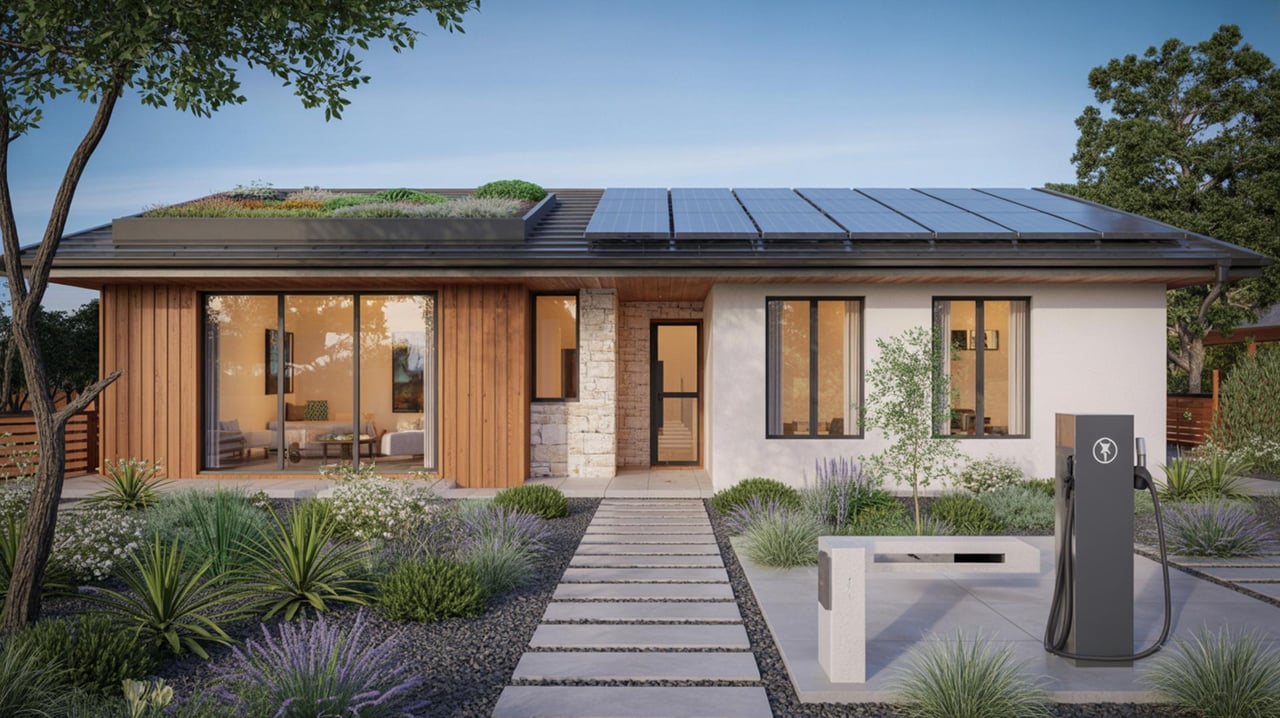
Enhance Your Home's Worth with Sustainable Solutions in Los Altos
October 27, 2023
Real estate statistics are often touted as a reliable indicator of the health and growth of a local market.
November 7, 2023
It's essential to consider your financial objectives, tax implications, and personal circumstances when making a decision.
Market Trends
Tim Proschold | September 18, 2025
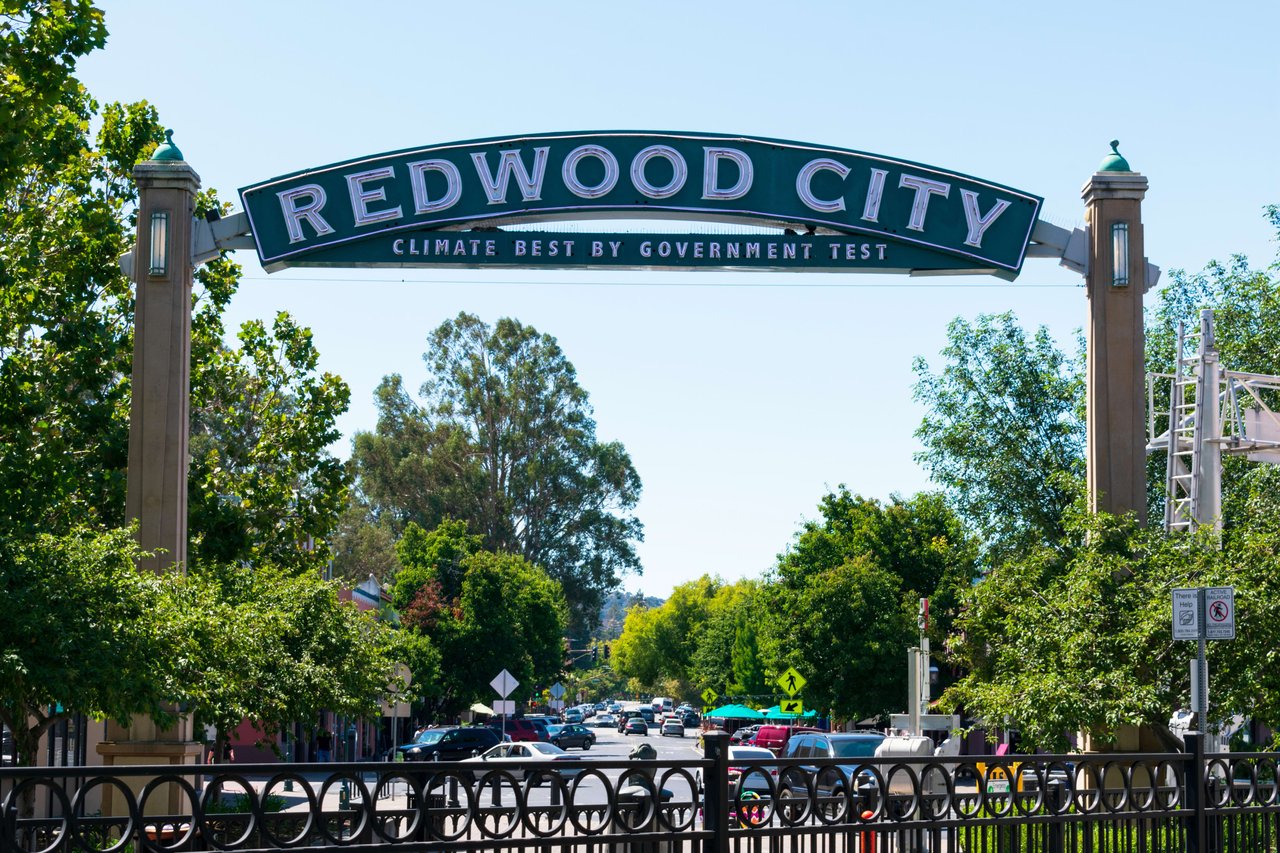
Prices and Market Action for the Redwood City Real Estate Market Past 3 Years
Market Trends
Tim Proschold | September 11, 2025
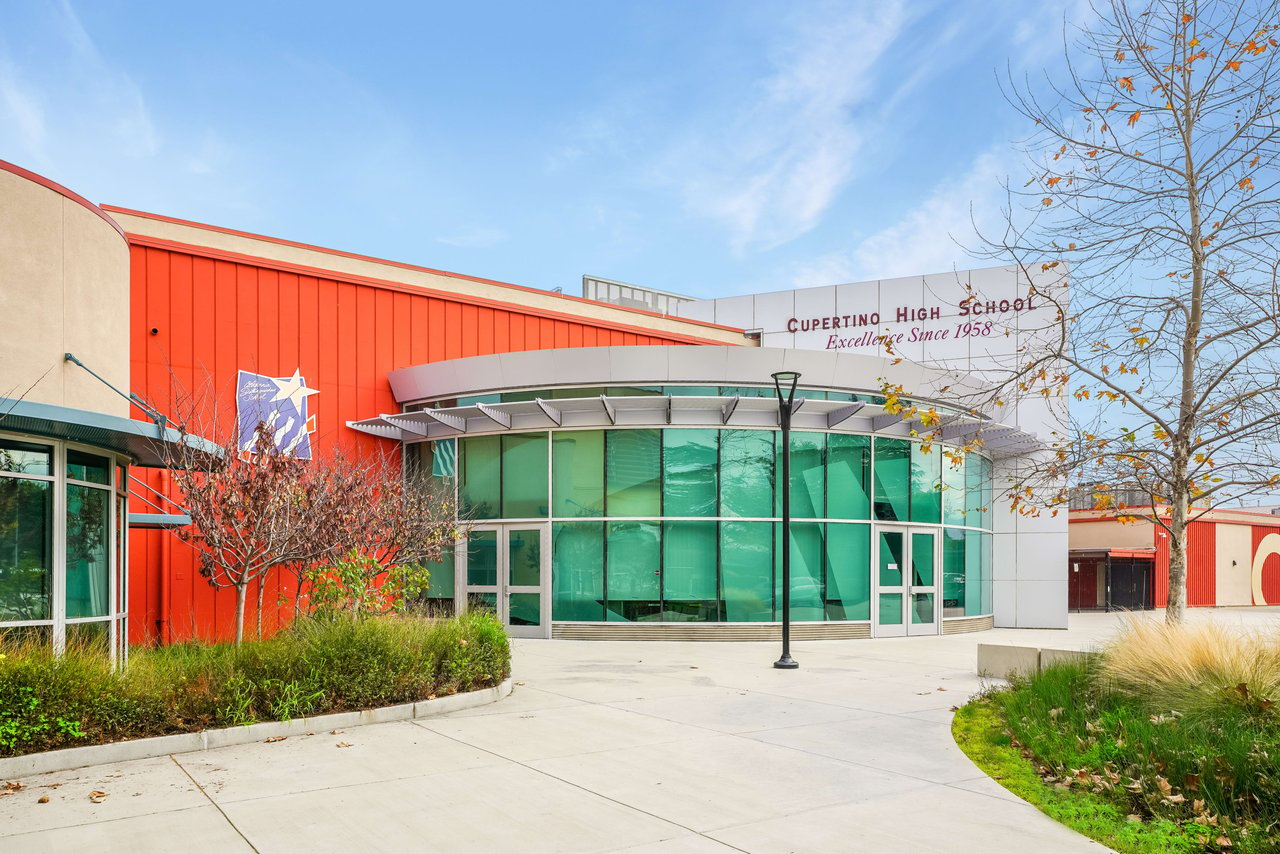
Prices and Market Action for the Cupertino Real Estate Market Past 3 Years

Market Trends
Tim Proschold | September 4, 2025
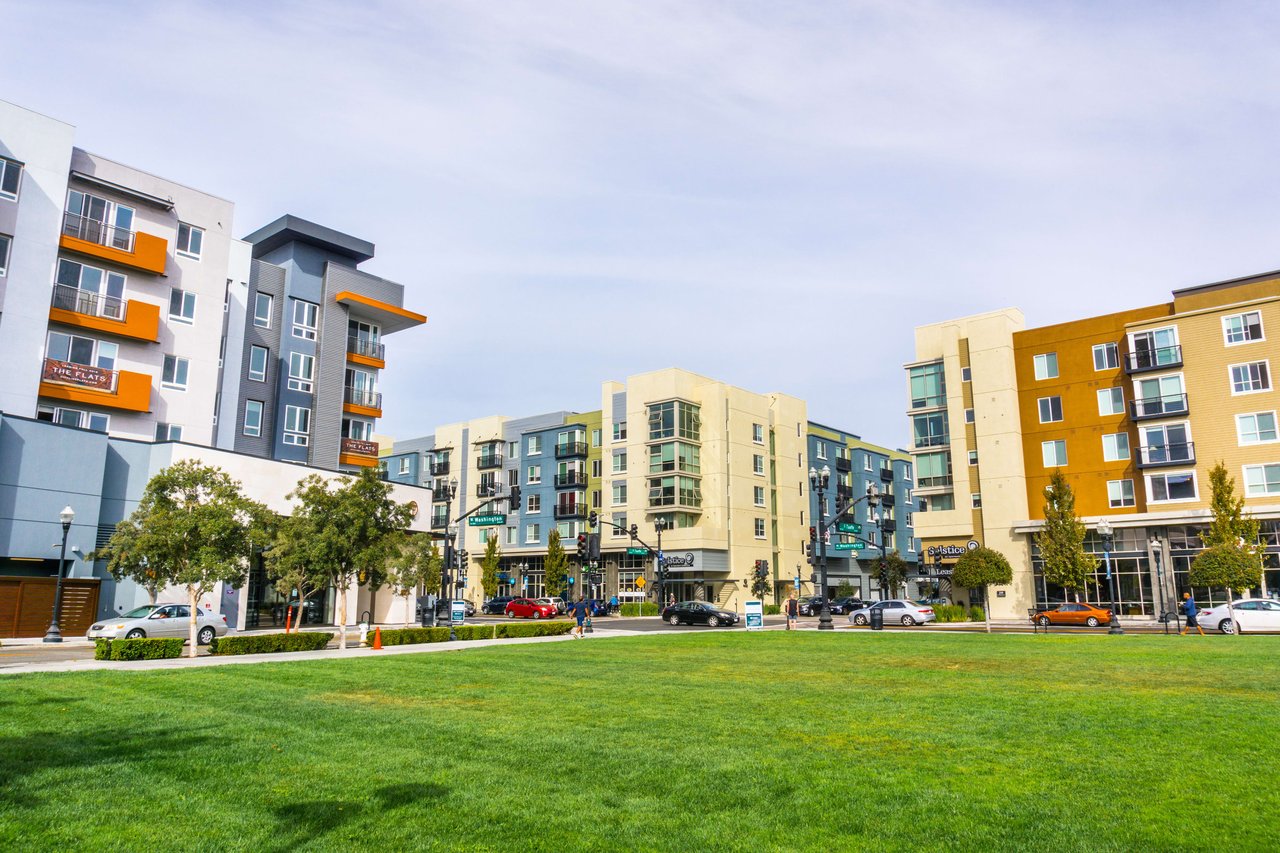
Prices and Market Action for the Palo Alto Real Estate Market Past 3 Years
Market Trends
Tim Proschold | July 9, 2024
Prices and Market Action for the Sunnyvale Real Estate Market Past 3 Years
Market Trends
Tim Proschold | July 9, 2024
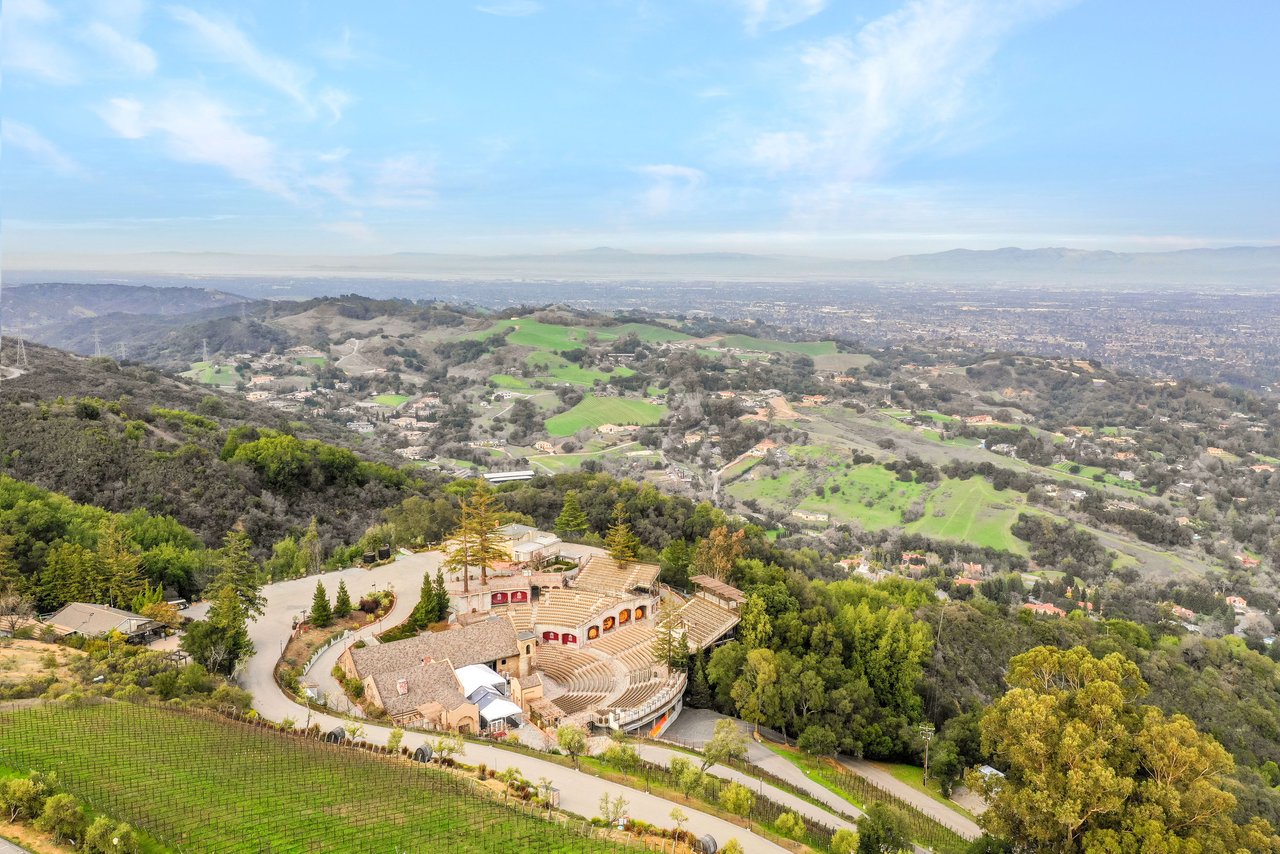
Prices and Market Action for the Saratoga Real Estate Market Past 3 Years
Market Trends
Tim Proschold | July 9, 2024
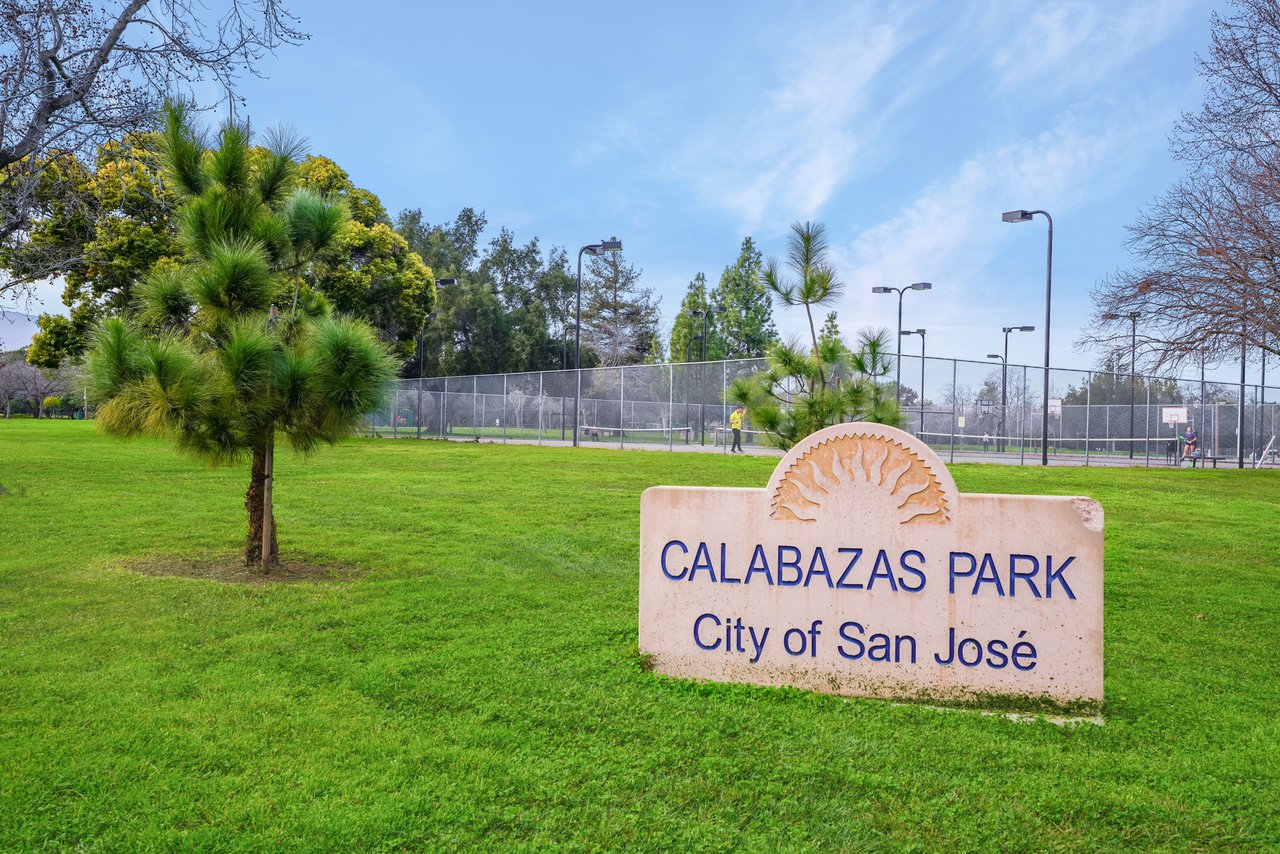
Prices and Market Action for the San Jose Real Estate Market Past 3 Years
Market Trends
Tim Proschold | July 9, 2024
Prices and Market Action for the Santa Cruz County Real Estate Market Past 3 Years
Market Trends
Tim Proschold | July 9, 2024
Prices and Market Action for the San Mateo County Real Estate Market Past 3 Years
Market Trends
Tim Proschold | July 9, 2024
Prices and Market Action for the Santa Clara County Real Estate Market Past 3 Years
Experience the pinnacle of real estate excellence with Luxuriant Realty. Their dedicated team ensures a seamless and stress-free journey whether you're buying, selling, or managing properties, allowing you to elevate your lifestyle effortlessly.
LUXURIANT REALTY
885 OAK GROVE AVE, STE 302, MENLO PARK, CA 94025 CA DRE# 02190360 | NMLS# 2464074