Saratoga
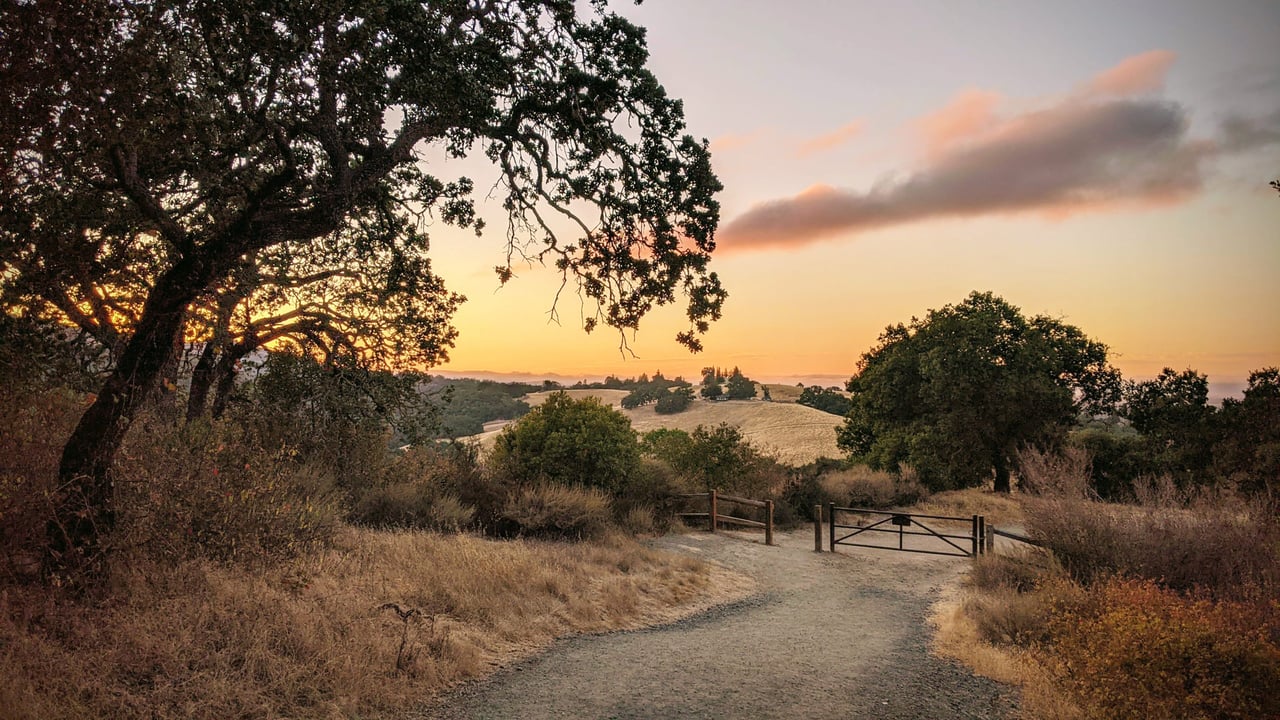
Offers a luxurious and peaceful living experience characterized by its charming small-town ambiance.
Offers a luxurious and peaceful living experience characterized by its charming small-town ambiance.
30,335 people live in Saratoga, where the median age is 51.3 and the average individual income is $123,743. Data provided by the U.S. Census Bureau.
Total Population
Median Age
Population Density Population Density This is the number of people per square mile in a neighborhood.
Average individual Income
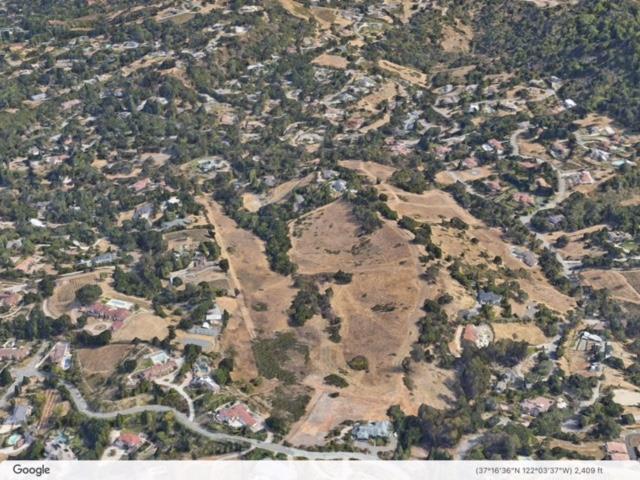
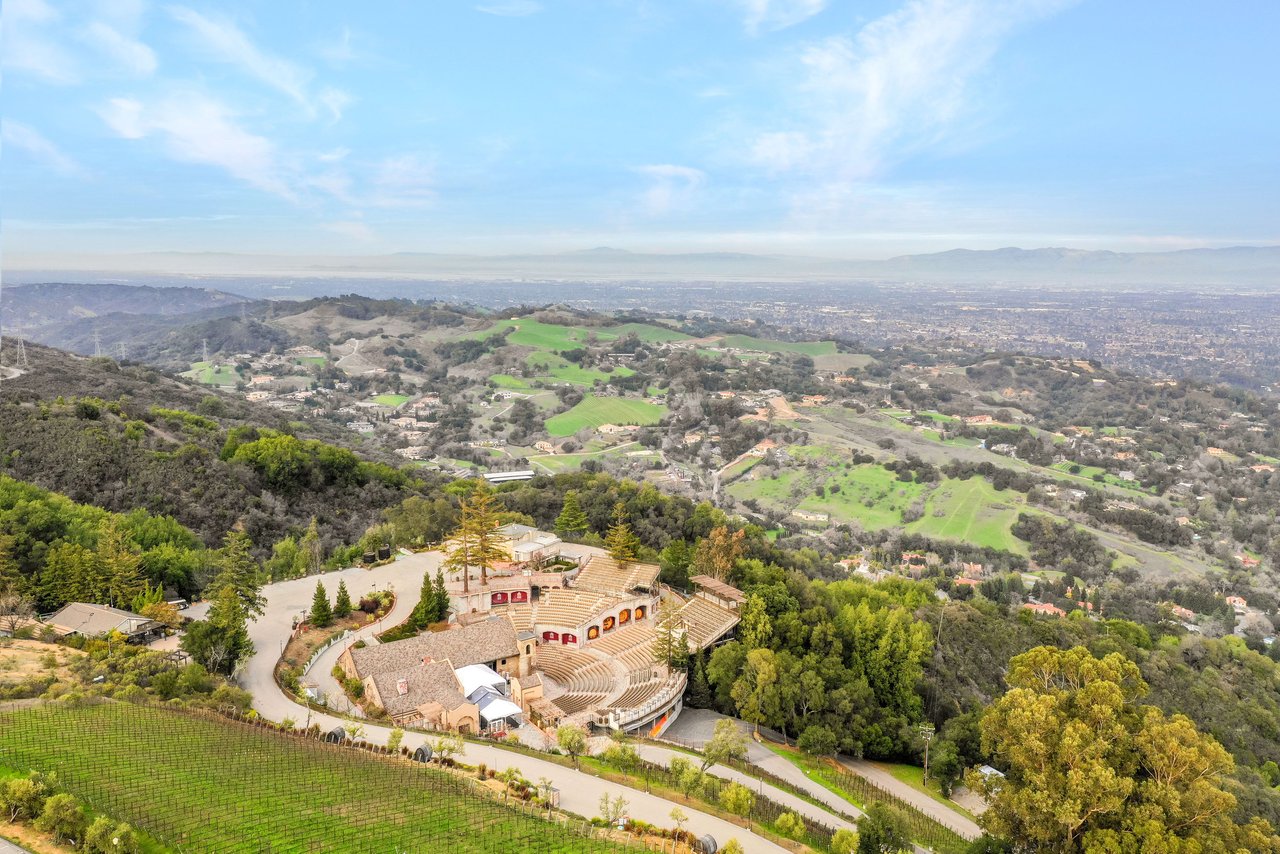
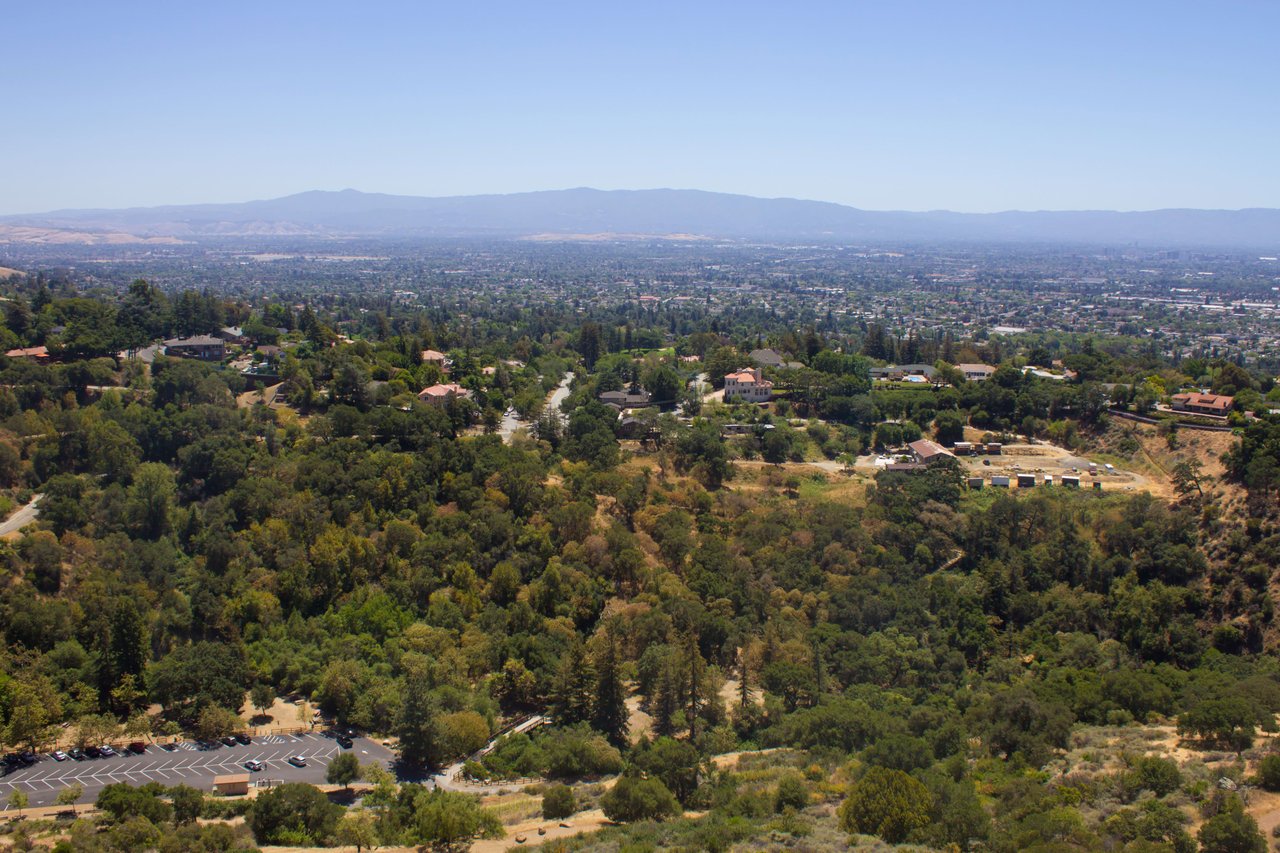
Saratoga sits at the base of the Santa Cruz Mountains on the western edge of Silicon Valley. Heading west from the valley floor, the flat, tree-lined grid of Cupertino and West San Jose gives way to oak-covered hills and wider lots, and then to a small historic downtown along Big Basin Way. Saratoga has no big-box retail corridor and no downtown towers. What it has is a real village core, a Japanese garden more than a century old, a hilltop winery amphitheater, a Mediterranean Revival estate turned arts center, and some of the most sought-after public schools in California.
That mix keeps demand high. Buyers who could live anywhere in the valley choose Saratoga for privacy, space, and a quieter pace, while staying within a short drive of Apple Park, Santa Clara, and Mountain View. Most residents are established professionals, tech executives, and families who plan to stay for years, often decades. Low turnover is a big reason inventory stays tight and well-prepared homes sell quickly.
Saratoga also varies a great deal from one part of town to another. A 1960s ranch in Saratoga Woods, a custom estate in the Golden Triangle, and a multi-acre hillside property off Pierce Road can all carry a Saratoga address, yet they sell to different buyers, at different prices, under different rules. The rest of this guide covers those differences, especially the ones that affect sellers.
Saratoga remains one of the most expensive housing markets in Santa Clara County. The price premium comes from three things working together: limited inventory, lot sizes that are rare in the valley, and school assignments that buyers will pay extra for.
Market Indicator | Current Range |
|---|---|
Median sale price | $3.6M to $3.9M |
Average sale price | $3.78M to $4.2M |
Average price per square foot | $1,170+ |
Sale-to-list ratio (well-prepared homes) | 100% to 102%+ |
Days on market (turnkey single-family) | 13 to 30 days |
Days on market (larger estates or homes needing updates) | 35 to 50 days |
The gap between the median and the average matters. Large foothill estates regularly sell well above $4.5M, and those sales pull the average upward. A seller with a 2,400-square-foot ranch near Congress Springs should not measure their home against citywide averages. The useful comparison is recent sales in the same micro-market, the same school assignment, and similar lot usability.
Days on market show a similar split. Move-in-ready homes in the core neighborhoods often draw multiple offers within the first two weeks. Homes that need work, or foothill properties with complicated sites, take longer. That is usually because the buyer pool is smaller and those buyers do more due diligence, not because demand is weak.
Micro-market differences are real. Northwestern Saratoga and the Saratoga Oaks area have stayed especially tight, with steady appreciation. Homes assigned to Saratoga High School hold a consistent premium over homes nearby that feed into other high school districts, and in this city, which side of a school boundary a street falls on can move a price as much as a remodeled kitchen.
Saratoga buyers are paying top-tier prices, and they expect a home they can move into and live in without starting a project. Most are high-earning professionals and growing families who have done their research. Many have toured homes in Los Gatos, Cupertino, and Los Altos before settling on Saratoga. They know what price per square foot looks like and can spot a dated kitchen in the listing photos.
Here is what consistently earns premiums in Saratoga today.
Updated kitchens and primary suites. Open-concept kitchens with stone or quartz counters, large islands, custom cabinetry, and professional-grade appliances such as Sub-Zero, Wolf, or Thermador are close to expected at upper price points. Primary suites with dual vanities, walk-in closets, frameless glass showers, and soaking tubs carry similar weight.
Space that works for remote and hybrid work. A quiet, dedicated office with reliable fiber or gigabit internet is now a baseline requirement for many Saratoga buyers.
ADUs and guest suites. A permitted Accessory Dwelling Unit or a main-level guest suite appeals to multi-generational households, which make up a significant share of Saratoga buyers. Permits matter here. An unpermitted conversion can become a problem during negotiations instead of an asset.
Usable, flat outdoor space. In a town known for hills, a flat, private yard with covered patios, outdoor dining, and low-maintenance landscaping often counts for more than extra acreage on a steep slope.
Energy and systems documentation. Owned solar, battery backup, Level 2 EV charging, modern HVAC, a newer roof, and documented seismic or structural work all reduce what buyers see as ownership risk. Owned solar also transfers much more cleanly than leased systems.
For sellers, the lesson is that buyers here pay for certainty. Every question a buyer has to answer on their own, such as whether the ADU was permitted, how old the roof is, or which school district the parcel is in, becomes a reason to offer less or ask for a concession.
Saratoga's neighborhoods differ from one another in terrain, age, and lot size. Knowing which one a home sits in is the first step toward pricing it correctly.
Neighborhood | What Draws Buyers | Typical Home Styles | Typical Lot Size |
|---|---|---|---|
Saratoga Village | Walkability to Big Basin Way, historic character | Historic cottages, Craftsman, updated bungalows | 0.20 to 0.50 acres |
The Golden Triangle | Flat, central land and access to top Saratoga schools | Contemporary custom estates, expanded ranches | 0.50 to 1.0+ acre |
Saratoga Woods | Family-oriented pocket with wide, tree-lined streets | Mid-century ranches, two-story remodels | 0.25 to 0.40 acres |
Congress Springs | Close to Saratoga High, foothill views, established feel | Mid-century ranches, traditional split-levels | 0.25 to 0.50 acres |
Saratoga Hills and Foothills | Privacy, valley views, large grounds | Mediterranean estates, modern hillside homes | 1.0 to 5.0+ acres |
Saratoga Village attracts buyers who want to walk to dinner, which is uncommon on the west side of the valley. The homes are generally older and smaller, and much of their value comes from character and location.
The Golden Triangle is often considered Saratoga's premier flat-land address. Its combination of generous, level lots and strong school assignments makes it a favorite of both families and custom builders. Many original ranches here have been replaced with new estates, which means a dated home on a good lot is often priced on land value as much as on the house itself.
Saratoga Woods is one of the city's most family-focused areas. Its mid-century ranches on quarter-acre lots are popular with buyers who plan to renovate or add a second story over time.
Congress Springs offers an established suburban setting close to Saratoga High School, with some foothill views. Homes here mainly compete on condition and floor plan, since lot sizes are fairly uniform.
The Saratoga Hills and Foothills, including properties along Pierce Road, Mount Eden Road, Saratoga Heights, and Wildcat Ridge, are the city's top price tier. That market is covered in more detail below because it works differently from the rest of Saratoga.
Saratoga's housing ranges from late-19th-century cottages to brand-new hillside modern homes, and each style has its own set of buyers.
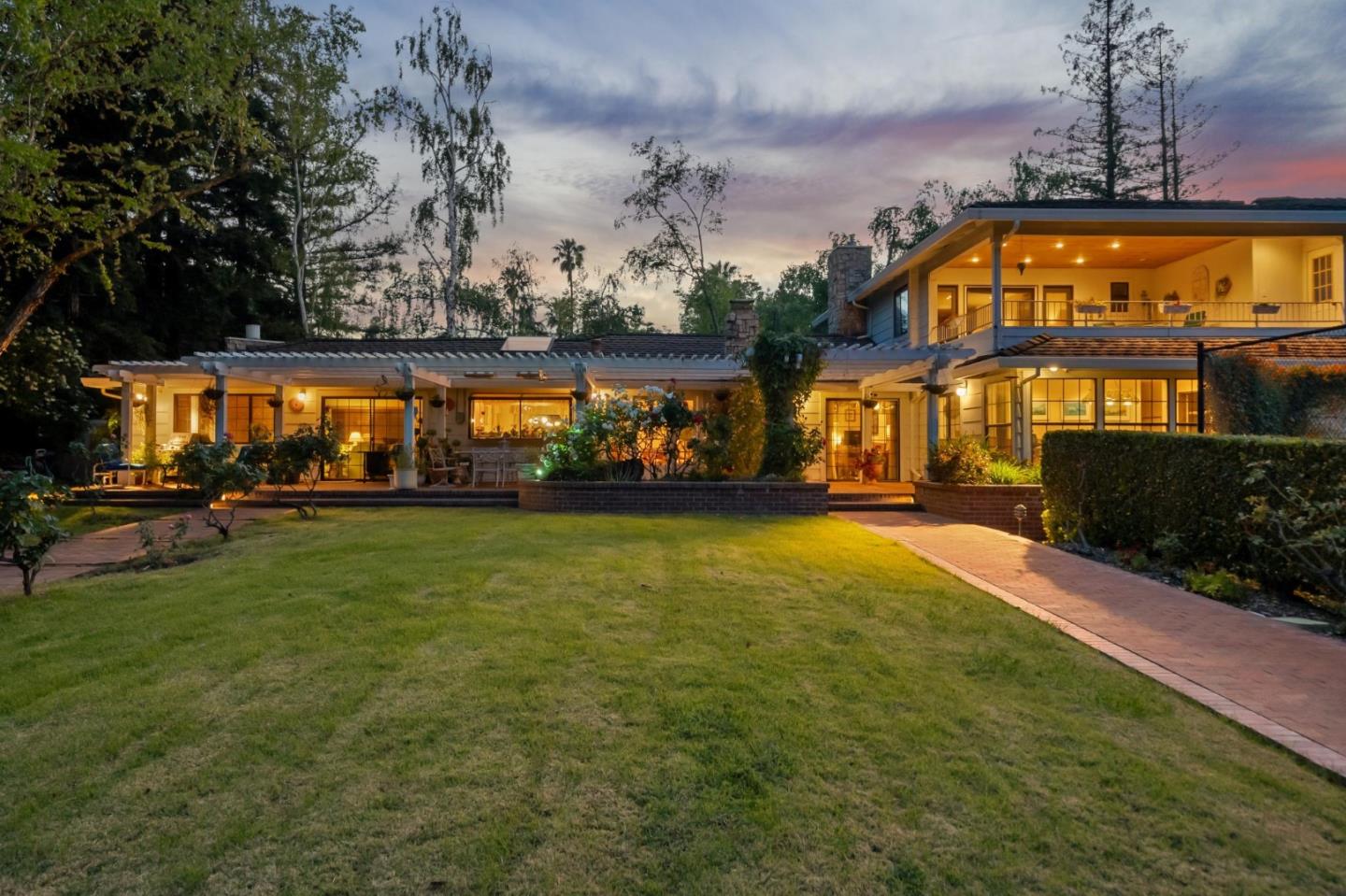
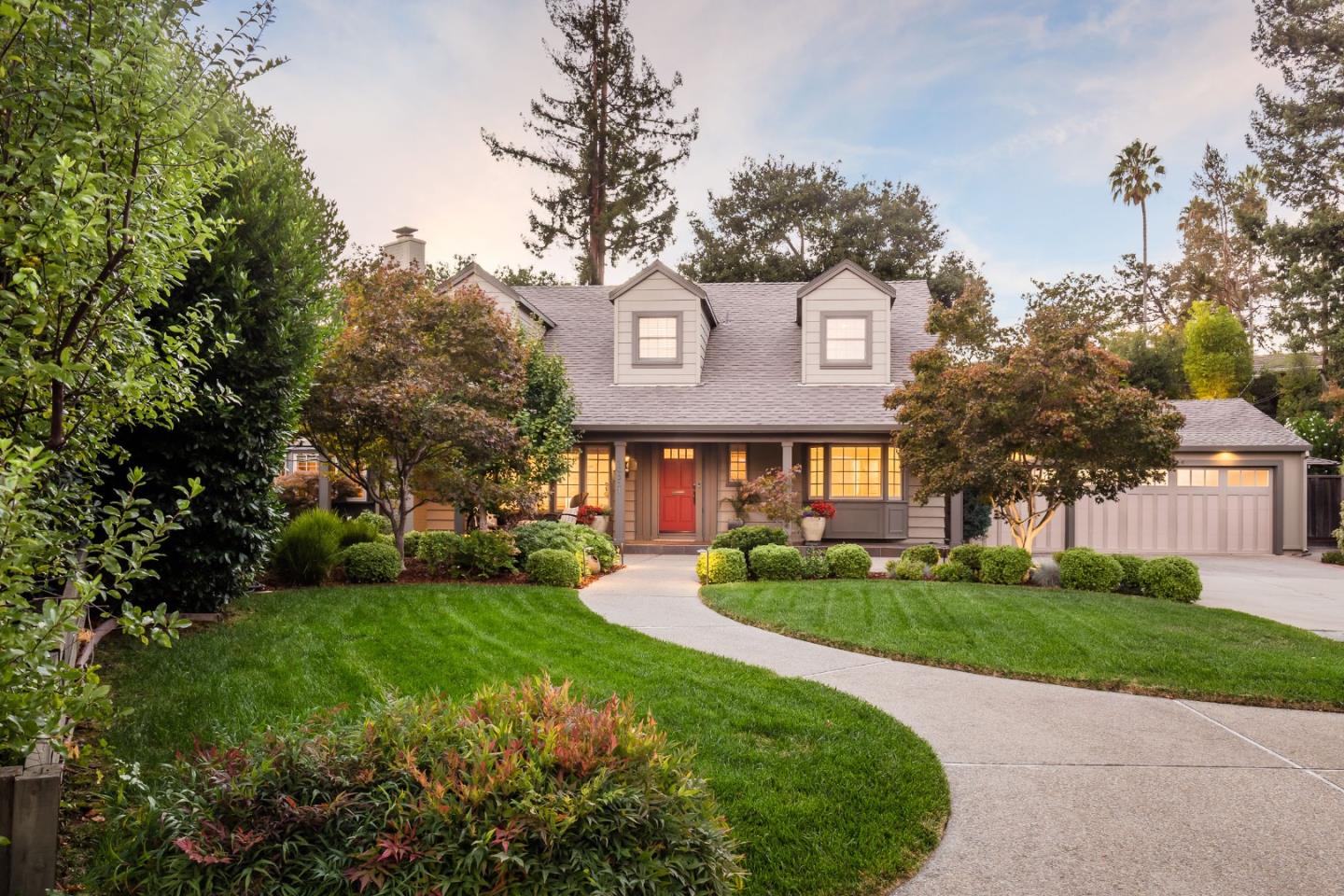
Mid-century and California ranch homes make up much of the housing in Saratoga Woods and Congress Springs. Most were built between the 1950s and 1970s and feature low-pitched gabled roofs, long horizontal lines, wide frontages, and sliding glass doors that open onto private backyards. Buyers often see them as a starting point for a remodel, a rear addition, or a second story. When selling one of these homes, it helps to show buyers what the lot and floor plan could support, not only what the house is today.
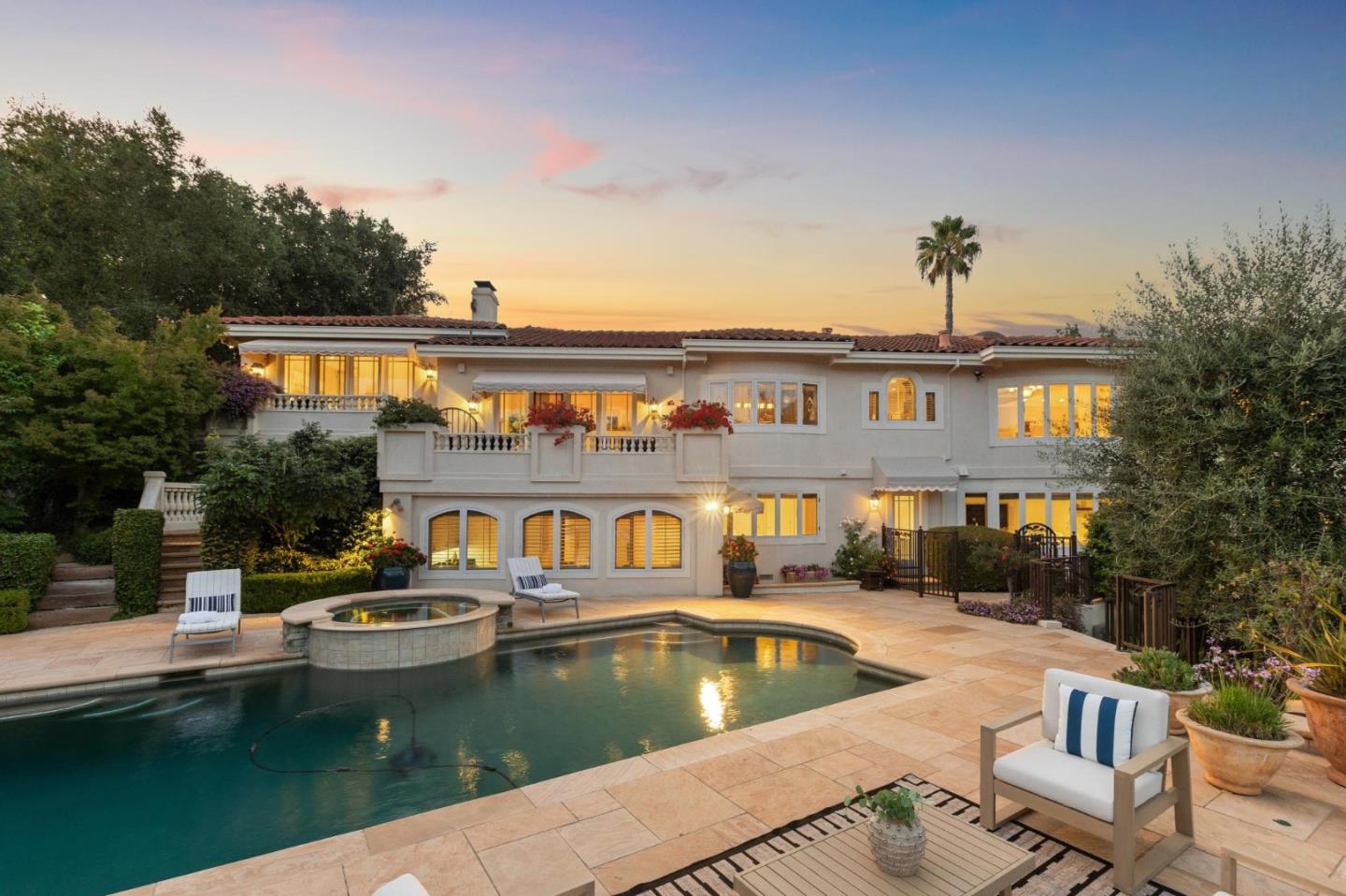
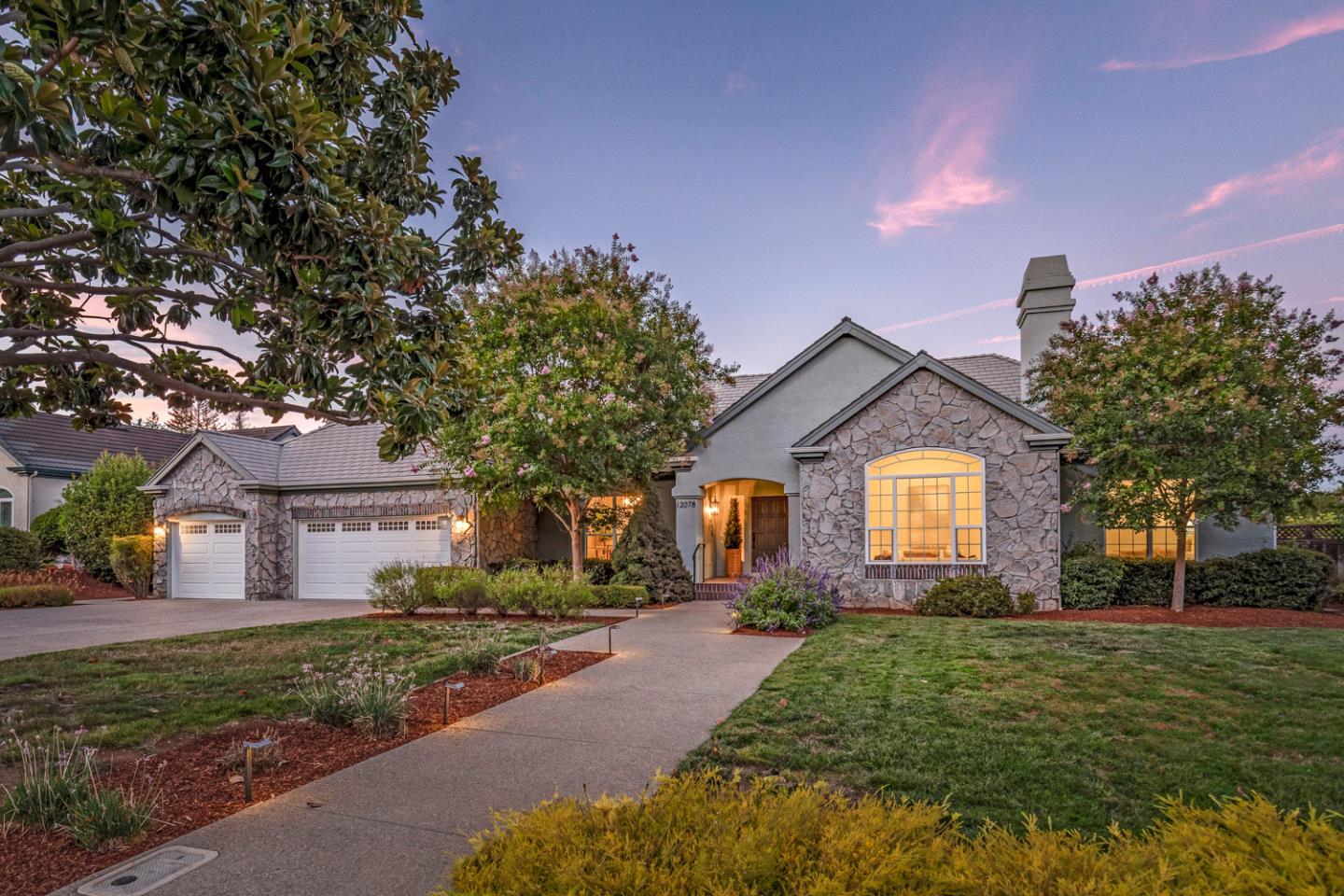
Modern and Mediterranean custom estates are common in the Golden Triangle and the lower foothills. Typical features include double-height entries, tile or standing-seam metal roofs, open floor plans, chef's kitchens, and resort-style backyards with pools and outdoor pavilions. Many of these homes replaced original ranches, since builders in Saratoga tend to build as much floor area as the lot allows.
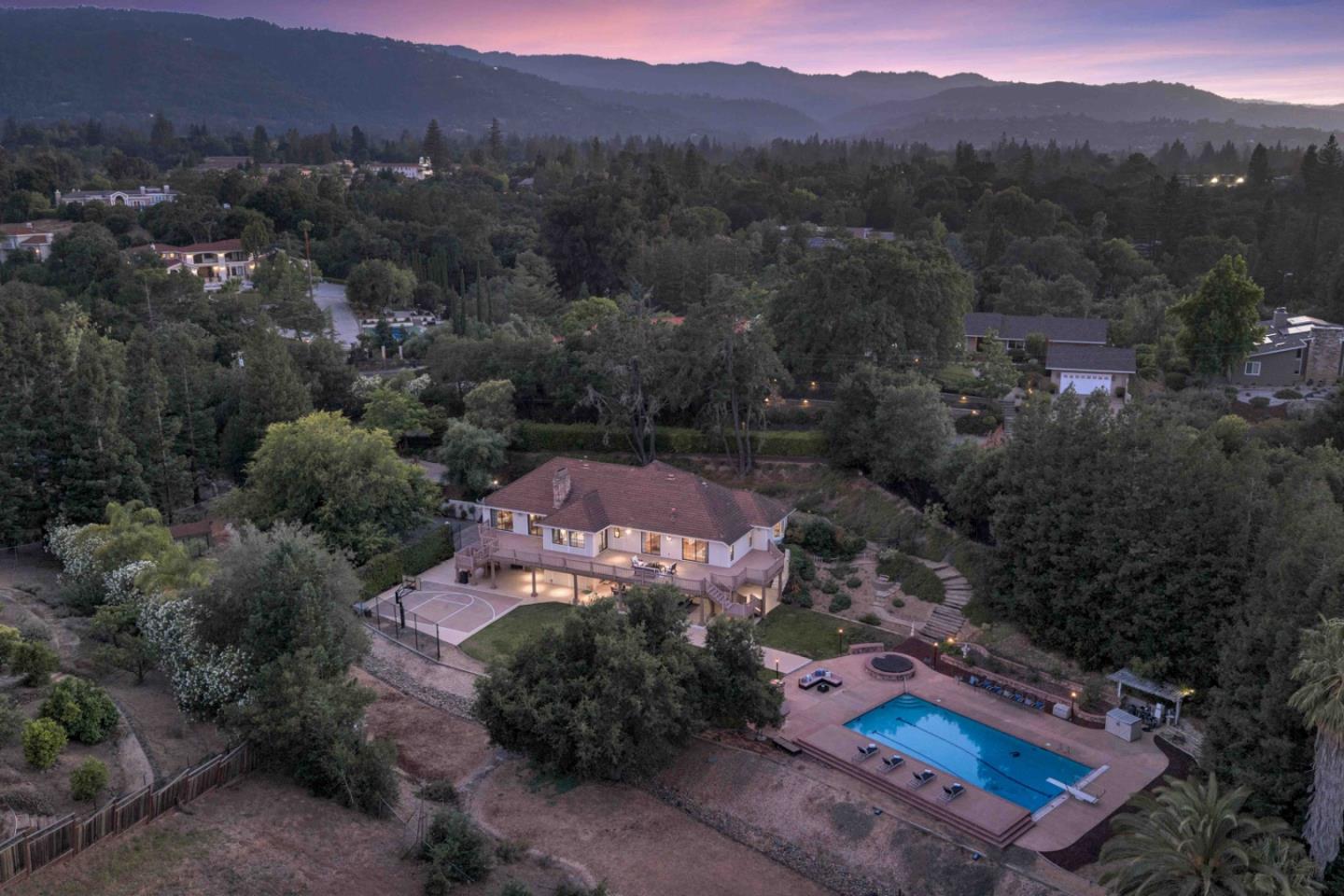
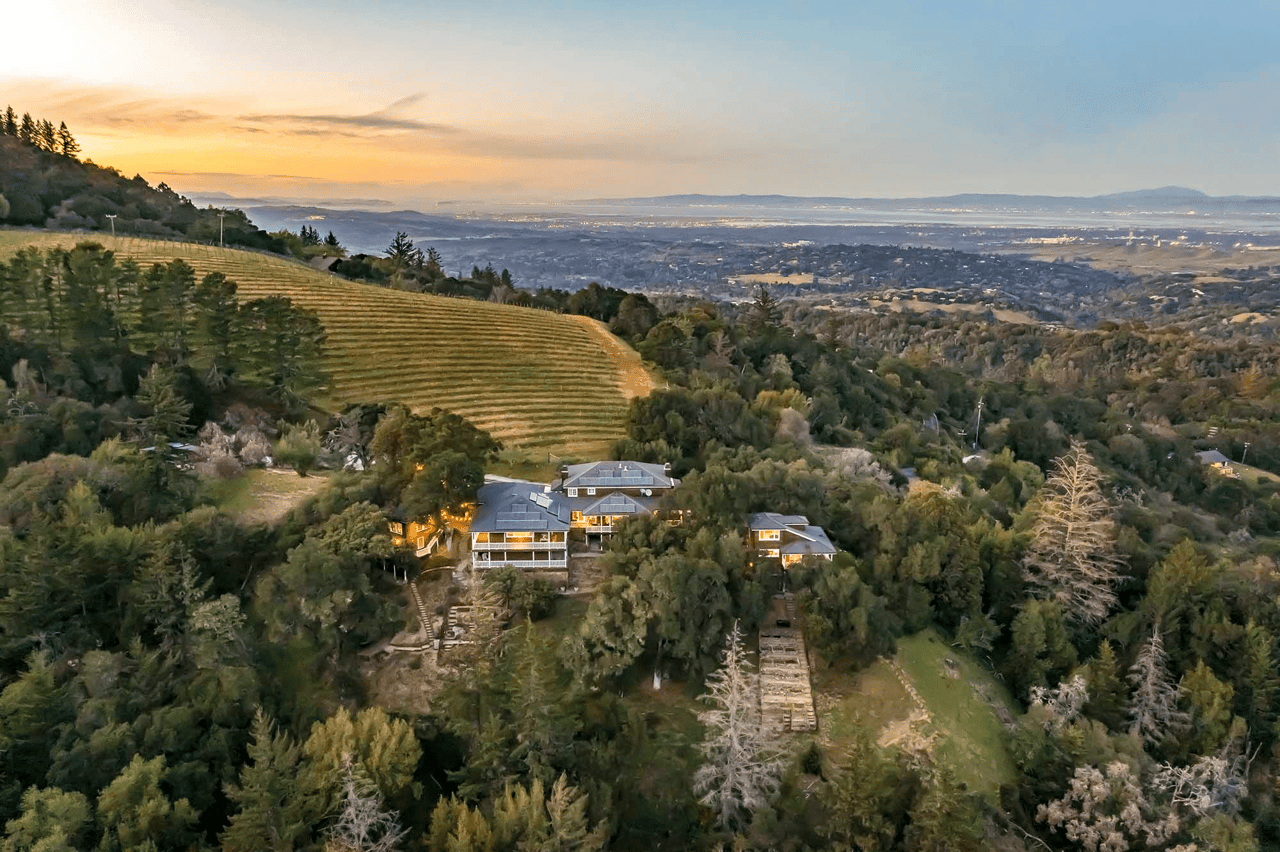
Hillside and foothill homes along the Santa Cruz Mountain slopes, off Big Basin Way, Pierce Road, and Highway 9, are designed around the terrain. They often have multiple levels, extensive decks, and large windows facing the valley. Newer homes in this group emphasize fire-resistant materials, solar integration, and defensible landscaping, which buyers and insurers increasingly expect.
Historic Craftsman and storybook cottages are concentrated in and around Saratoga Village. Exposed woodwork, covered porches, and stone details give these homes a charm that new construction can't match. The most successful sales in this group keep the original exterior character while fully updating the plumbing, electrical, and mechanical systems.
The foothills are the high end of the Saratoga market. Buyers here are high-net-worth executives, custom builders, and people who want privacy and views more than neighbors and walkability.
Property Type | Typical Lot Size | Price Range | What Drives Value |
|---|---|---|---|
Existing hillside estates | 1.0 to 5.0+ acres | $4.5M to $12M+ | Size of usable pad, valley and city-light views, architectural quality, wildfire hardening |
Foothill land and parcels | 1.0 to 30.0+ acres | $1.5M to $5M+ | Approved building envelope, existing utilities, gentle versus steep topography |
Foothill properties are unusual because two estates on similar acreage can sell millions of dollars apart. The difference usually comes from factors that don't show up in photos: how much of the lot is actually buildable, whether the site has sewer or septic, how productive the well is, how the driveway handles the grade, and how the property fits within fire and geotechnical requirements.
Buyers at this level usually bring their own architects, contractors, and engineers into escrow. They will study the site closely. A seller who has already had that same analysis done, and can share it, keeps control of how the property is valued.
Many Saratoga sellers are surprised by how the city regulates development on hillside land. It is also where many foothill transactions stall.
Gross Acreage Versus Net Site Area
A five-acre hillside parcel does not mean five acres' worth of building potential. Saratoga calculates allowable floor area from Net Site Area, which applies a slope-based reduction to the gross lot size. Parcels with an average slope of 10% or more are reduced before the maximum house size is calculated. Private driveway easements, steep sections, and protected drainage areas also count against the usable development area. A buyer who assumes they can build a 10,000-square-foot home may find the city allows much less, and that realization tends to come out during escrow.
Hillside Residential Zoning
Parcels with an average slope above 10% fall under Hillside Residential standards. Structures cannot break the natural ridgeline as seen from the valley floor, so height, roof pitch, and placement are all controlled. Grading limits restrict how much earth can be moved, which pushes designs toward stepped, multi-level layouts and underground garages instead of one large, flat pad.
Protected Trees
Saratoga's tree ordinance protects trees above set trunk-diameter thresholds, commonly cited as 10 inches or more measured 4.5 feet above the ground, and includes native oaks, redwoods, and bay laurels. Construction within about five feet of a protected tree's dripline requires an arborist report and mitigation. Sellers should confirm current thresholds with the city, since buyers' plans often depend on which trees can be removed.
Geotechnical and Fire Requirements
Hillside properties usually need slope stability studies, ground movement analysis, and engineered retaining plans for any new construction. Most foothill parcels also fall within High or Very High Fire Hazard Severity Zones under Wildland-Urban Interface standards, which require Class A roofing, non-combustible siding, ember-resistant vents, and maintained defensible space.
For sellers, these rules affect value directly. A parcel with a clear building envelope, completed geotechnical work, and documented utilities sells more easily and for more money than one that leaves buyers to guess.
Schools are one of the biggest drivers of Saratoga home values, and they are also one of the most commonly misunderstood. Saratoga is not served by a single school district. Depending on the parcel, a home may fall into one of three elementary and middle school districts, and those districts feed into different high schools.
District | Grades | Area of Saratoga Served | Key Schools |
|---|---|---|---|
Saratoga Union School District | TK–8 | Core Saratoga, including the Golden Triangle, Saratoga Village, Congress Springs, and the foothills | Argonaut, Foothill, and Saratoga Elementary; Redwood Middle School |
Cupertino Union School District | TK–8 | Northern Saratoga bordering Cupertino and West San Jose | Blue Hills Elementary, Christa McAuliffe School |
Moreland School District | TK–8 | Small eastern pockets near the San Jose and Campbell borders | Moreland Middle School |
Saratoga Union School District covers most of the city and carries the strongest premium. Its elementary schools feed Redwood Middle School and then Saratoga High School, and that direct path is a major reason homes in the district command higher prices.
At the high school level, most of Saratoga is served by the Los Gatos-Saratoga Joint Union High School District. Its flagship, Saratoga High School, is consistently ranked among the top public high schools in the country, especially for STEM and music. Homes near the Los Gatos border may be assigned to Los Gatos High School. Some northern and eastern areas feed into schools in neighboring districts instead, such as Lynbrook High or Prospect High, depending on exact boundaries.
Because these lines can run through a single neighborhood, sellers should never assume a home's school assignment. Verify it with the parcel's property tax bill and the districts' own boundary tools, then include that confirmation in the disclosure package. It is one of the easiest ways to build buyer confidence, and one of the most costly things to get wrong.
Saratoga Village runs along Big Basin Way, where Highway 9 begins climbing into the Santa Cruz Mountains. It is the city's historic downtown and one of the few truly walkable village centers in the West Valley.
The Village has a reputation for dining. The Plumed Horse has long been a Michelin-recognized destination, and nearby spots such as Bella Saratoga, The Basin, and Cinnabar draw diners from across the region. Between the restaurants are independent galleries, jewelry studios, wine shops, and cafés, with no chain retail in sight. Saratoga Historical Park and Wildwood Park are a short walk away, and Montalvo Arts Center is just up the hill.
This walkability affects home values. Homes within walking distance of Big Basin Way, whether a restored Craftsman bungalow on a quiet side street or a newer hillside home above the Village, attract buyers who want a small-town feel with the privacy of suburban living. Being able to walk to dinner is a selling point in its own right, and listings should present it that way.
Much of Saratoga's appeal comes from how much land the city has preserved. Residents are minutes from gardens, redwood forest, and trail systems that reach into the Santa Cruz Mountains.
Hakone Estate and Gardens is often recognized as one of the oldest authentic Japanese residential gardens in the Western Hemisphere. Its koi pond, moon bridge, tea houses, and hillside bamboo groves host seasonal cherry blossom viewing and traditional tea ceremonies. It is one of Saratoga's most distinctive landmarks.
Sanborn County Park covers more than 3,400 acres of redwood and Douglas fir forest between Saratoga and Skyline Boulevard. It offers shaded hiking, picnic areas, camping, and connections to the backcountry trail network along the ridge.
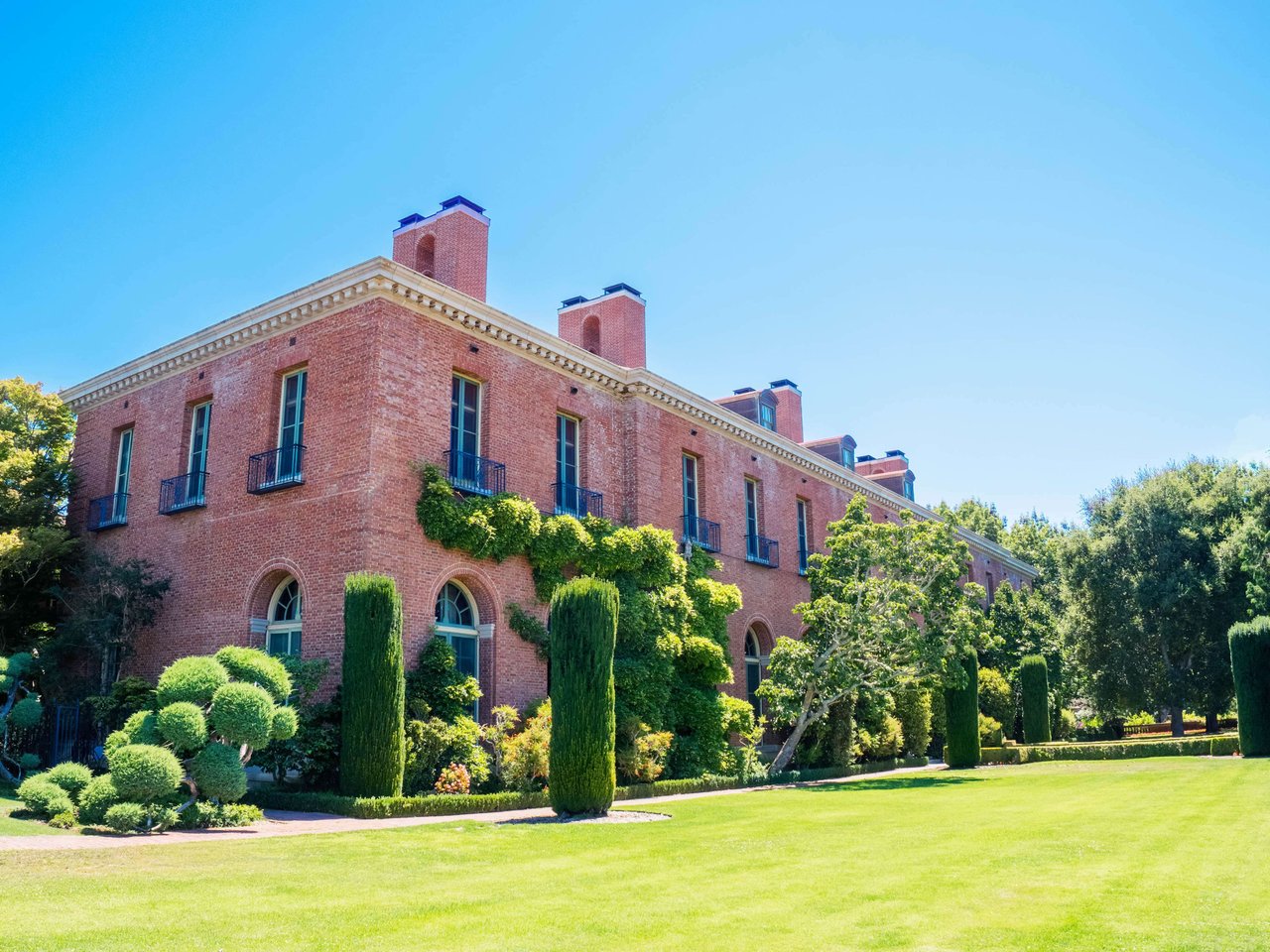
Villa Montalvo is the 175-acre estate built by former U.S. Senator James Duval Phelan. Its public trails climb through hillside forest to a lookout point, and the grounds combine Mediterranean Revival architecture with formal Italianate gardens and outdoor sculpture.
This open space supports property values directly. Homes that back up to or look out over Villa Montalvo, the Sanborn foothills, or the vineyards near the Mountain Winery command noticeable premiums, and much of that preserved land is protected from future development.
Saratoga feels quiet and residential, but it is home to some of the best-known cultural venues in the South Bay.
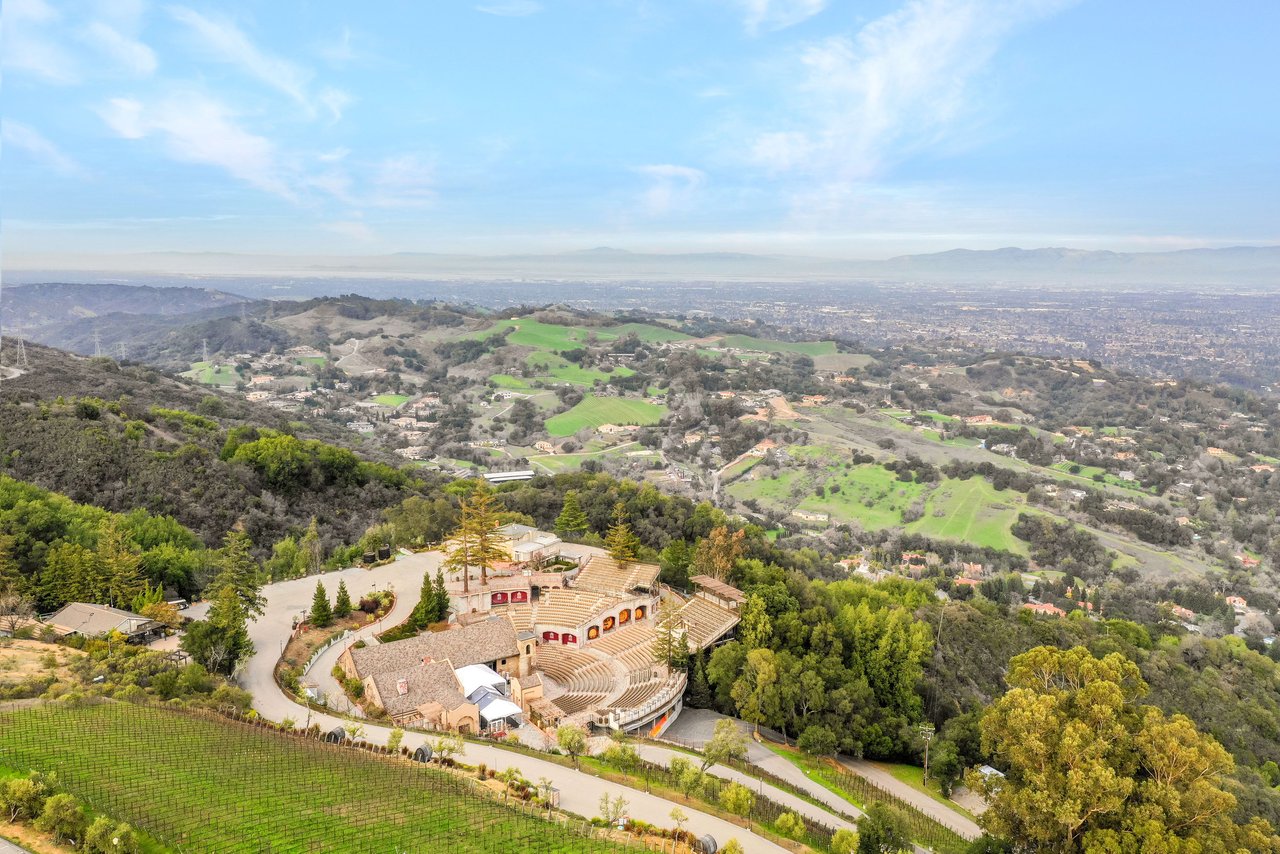
The Mountain Winery, the historic vineyard estate founded by Paul Masson, hosts a summer concert series in an intimate outdoor amphitheater of about 2,500 seats. National acts perform against views of the valley below, and the venue also offers wine tasting and dinner shows.
Montalvo Arts Center runs a nationally known artist-in-residence program on the Villa Montalvo estate, along with gallery exhibitions, chamber music, theater, and outdoor performances throughout the year.
Community traditions add to the local calendar. The Saratoga Rotary Art Show, held at West Valley College each May, brings together hundreds of fine artists and craftspeople along with live music and local food. Village events, including wine strolls along Big Basin Way, holiday tree lightings, and classic car shows, reflect the town's small-community character and its agricultural roots, which include the historic Blossom Festival.
For buyers deciding between Saratoga and busier parts of Silicon Valley, having world-class concerts and gardens close to home is often what makes the decision.
Saratoga has no interstate running through its borders, so commutes depend on state routes and expressways. Even so, the major tech campuses are well within reach.
State Route 85 runs along Saratoga's northern edge and is the main commute route, connecting to Cupertino, Mountain View, Sunnyvale, and San Jose. Interstate 280, reached via Route 85 north or Saratoga Avenue, is the standard route to the Peninsula and San Francisco. Highway 9 passes through the Village, heading east to Los Gatos and west into the Santa Cruz Mountains, while Saratoga-Sunnyvale Road provides a direct surface route north to Cupertino.
Destination | Distance | Typical Peak Commute | Main Route |
|---|---|---|---|
Apple Park (Cupertino) | 5 to 7 miles | 12 to 22 minutes | Saratoga-Sunnyvale Rd or CA-85 N |
Nvidia HQ (Santa Clara) | 9 to 11 miles | 18 to 30 minutes | Lawrence or San Tomas Expressway |
Googleplex (Mountain View) | 12 to 15 miles | 22 to 38 minutes | CA-85 N |
Downtown San Jose / Diridon | 10 to 12 miles | 20 to 32 minutes | CA-85 S to CA-87 N or I-280 N |
Meta HQ (Menlo Park) | 20 to 24 miles | 35 to 55 minutes | CA-85 N to I-280 N or US-101 N |
Being close to Apple Park and Santa Clara brings a steady stream of relocating tech buyers into the Saratoga market. Listings that mention specific, realistic commute times tend to perform better than those with vague phrases like "easy access to Silicon Valley."
At Saratoga price points, preparation directly affects the final price. The difference between an average launch and a strong one can easily be six figures.
Pricing Strategy
Silicon Valley buyers are analytical. They compare price per square foot, study recent sales, and notice when a listing has been sitting. Overpricing to leave "room to negotiate" usually backfires. A home still on the market after 30 days starts to look questionable, and the price reductions that follow tend to land below where a well-priced launch would have ended up. Pricing at or just below fair market value creates urgency and gives the home its best chance at multiple offers in the first 10 to 14 days.
Pre-Listing Inspections and Saratoga-Specific Disclosures
Ordering home, pest, and roof inspections before listing removes most of the leverage buyers would otherwise use to ask for credits. Saratoga properties also call for disclosures beyond the standard package. These include protected trees near building areas, drainage and slope conditions on hillside lots, updated geotechnical and soil reports where they apply, sewer lateral clearances, and a verified parcel tax bill confirming the school district assignment. A complete disclosure package shows buyers the home has been well cared for and allows them to write stronger offers with fewer contingencies.
Presentation and Launch
The most effective preparation work in Saratoga follows a familiar order, and each step builds on the previous one.
On the exterior, power-washed driveways, fresh mulch, pruned trees that open up views, and a defined outdoor seating area make a strong first impression for a modest cost. Organizing records such as permits for past work or ADUs, HVAC and roof service receipts, and solar transfer details should happen in parallel so the documentation is ready on the first day of marketing.
Selling in Saratoga takes more than a sales license. It takes the ability to read a site the way buyers, their engineers, and the city will. Tim Proschold, CEO and Managing Broker of Luxuriant Realty, is both a licensed California Real Estate Broker and a licensed California Civil Engineer, with a background in structural design and construction management. That combination is especially useful in Saratoga, where slope-adjusted Net Site Area, hillside zoning, geotechnical requirements, and tree protections can shape a property's value as much as its finishes. Tim often spots issues other agents miss and identifies opportunities they overlook, whether that's an expansion path on a Saratoga Woods ranch or the true building potential of a foothill parcel. For sellers, he manages the entire process from the day the listing agreement is signed, including pre-sale preparation, staging, HDR photography, videography, 3D tours, and targeted digital and direct marketing. If you're thinking about selling in Saratoga, or simply want an honest assessment of what your property is worth and what could raise its value, reach out to Tim at [email protected] or (650) 200-5943, or visit Luxuriant Realty at 885 Oak Grove Ave, Suite 302, Menlo Park, CA 94025. DRE #01458118.
There's plenty to do around Saratoga, including shopping, dining, nightlife, parks, and more. Data provided by Walk Score and Yelp.
Explore popular things to do in the area, including Nabilz Cheesecake, Azule Crossing Center, and Park Saratoga.
| Name | Category | Distance | Reviews |
Ratings by
Yelp
|
|---|---|---|---|---|
| Dining | 1.21 miles | 0 reviews | 0/5 stars | |
| Shopping | 1.44 miles | 0 reviews | 0/5 stars | |
| Shopping | 1.73 miles | 0 reviews | 0/5 stars | |
| Active | 0.58 miles | 3 reviews | 5/5 stars | |
| Active | 1.06 miles | 0 reviews | 0/5 stars | |
| Active | 1.41 miles | 6 reviews | 5/5 stars | |
| Beauty | 0.36 miles | 2 reviews | 5/5 stars | |
| Beauty | 0.79 miles | 0 reviews | 0/5 stars | |
| Beauty | 0.92 miles | 0 reviews | 0/5 stars | |
| Beauty | 0.92 miles | 6 reviews | 5/5 stars | |
| Beauty | 1.43 miles | 0 reviews | 0/5 stars | |
| Beauty | 1.51 miles | 10 reviews | 5/5 stars | |
| Beauty | 1.78 miles | 0 reviews | 0/5 stars | |
|
|
||||
|
|
||||
|
|
||||
|
|
||||
|
|
||||
|
|
Saratoga has 10,753 households, with an average household size of 2.8. Data provided by the U.S. Census Bureau. Here’s what the people living in Saratoga do for work — and how long it takes them to get there. Data provided by the U.S. Census Bureau. 30,335 people call Saratoga home. The population density is 2,374 and the largest age group is Data provided by the U.S. Census Bureau.
Total Population
Population Density Population Density This is the number of people per square mile in a neighborhood.
Median Age
Men vs Women
Population by Age Group
0-9 Years
10-17 Years
18-24 Years
25-64 Years
65-74 Years
75+ Years
Education Level
Total Households
Average Household Size
Average individual Income
Households with Children
With Children:
Without Children:
Marital Status
Blue vs White Collar Workers
Blue Collar:
White Collar:
August 6, 2026
October 1, 2026
October 1, 2026
September 24, 2026
July 23, 2026
September 17, 2026
September 17, 2026
September 10, 2026
September 10, 2026
September 10, 2026
September 3, 2026
May 21, 2026
December 4, 2025
August 27, 2026
August 27, 2026
August 20, 2026
July 16, 2026
Property Management
June 23, 2026
A Palo Alto landlord's guide to AB 1482 rent caps, just-cause eviction, security deposit limits
March 26, 2026
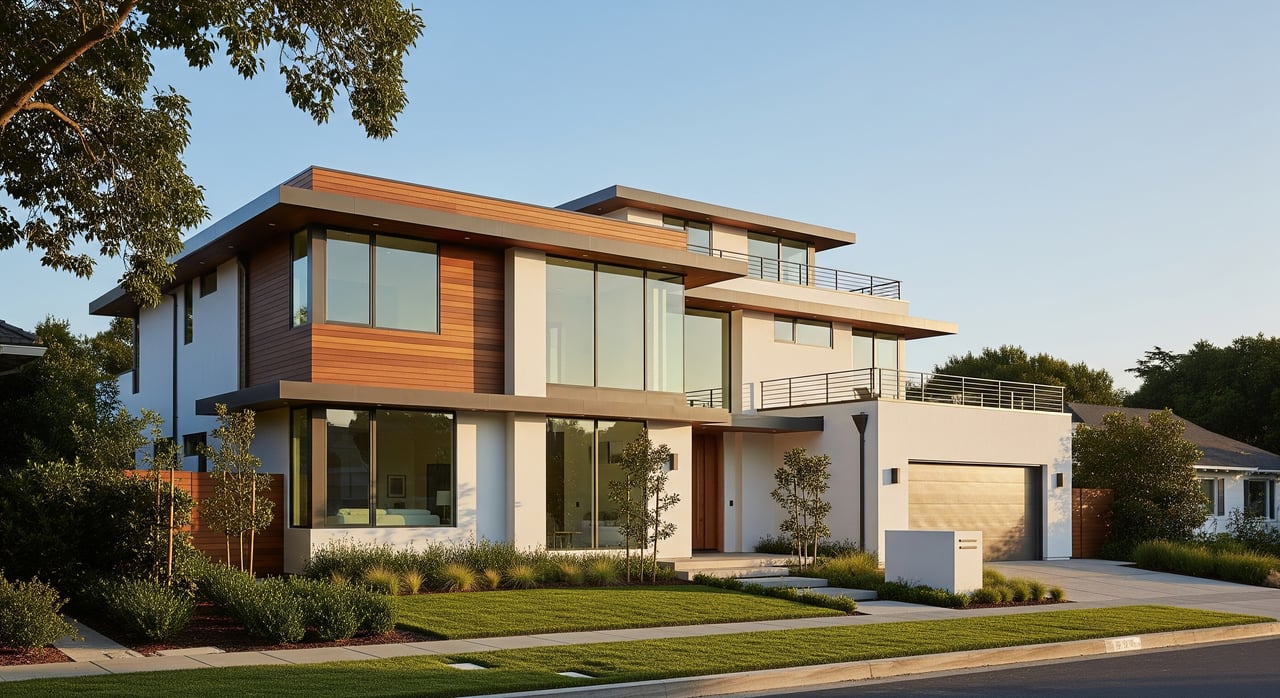
January 1, 2026
January 22, 2026
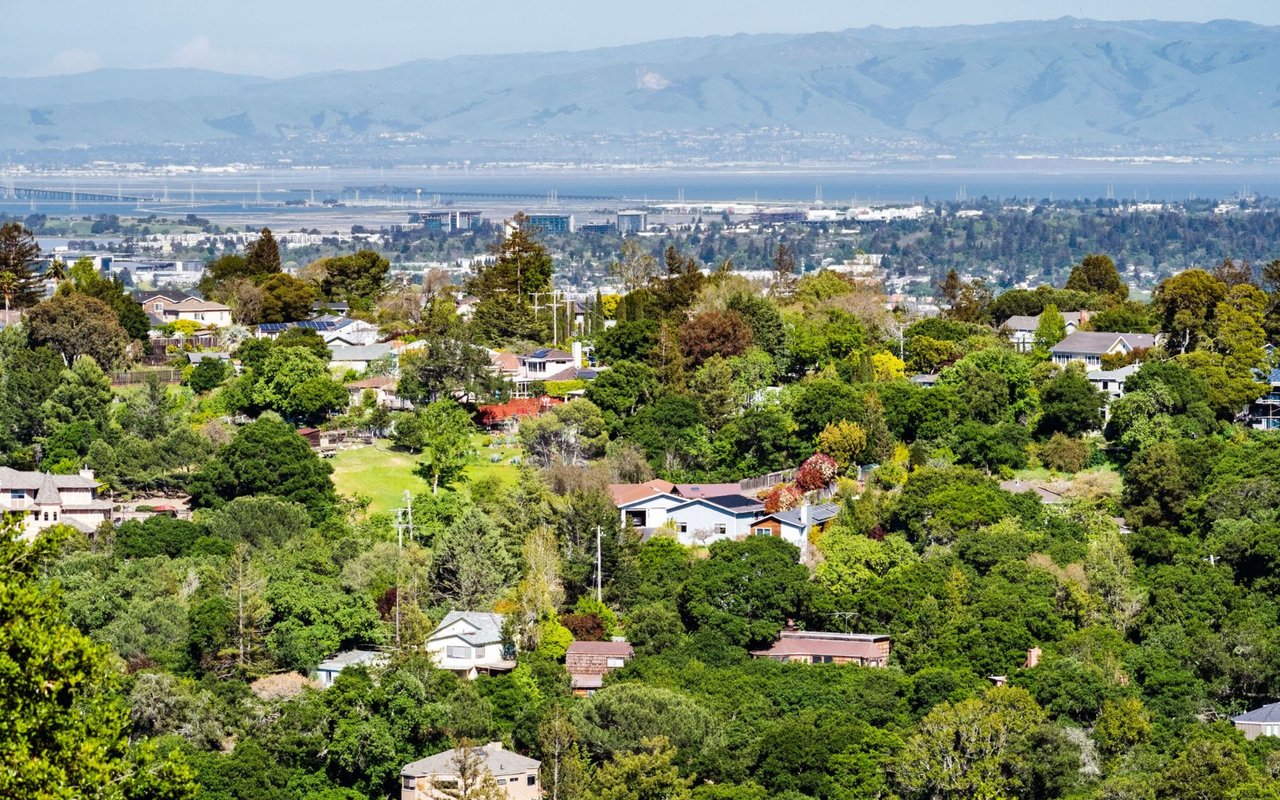
Tim Proschold | October 6, 2025
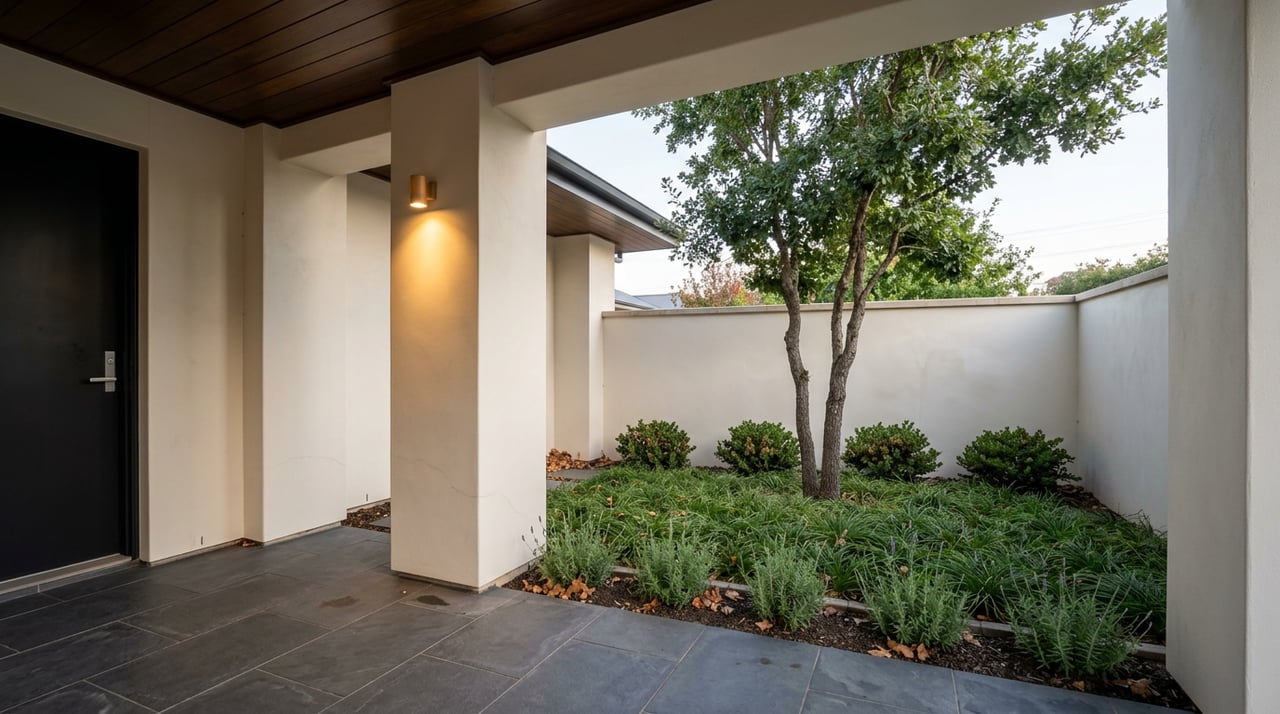
August 13, 2026
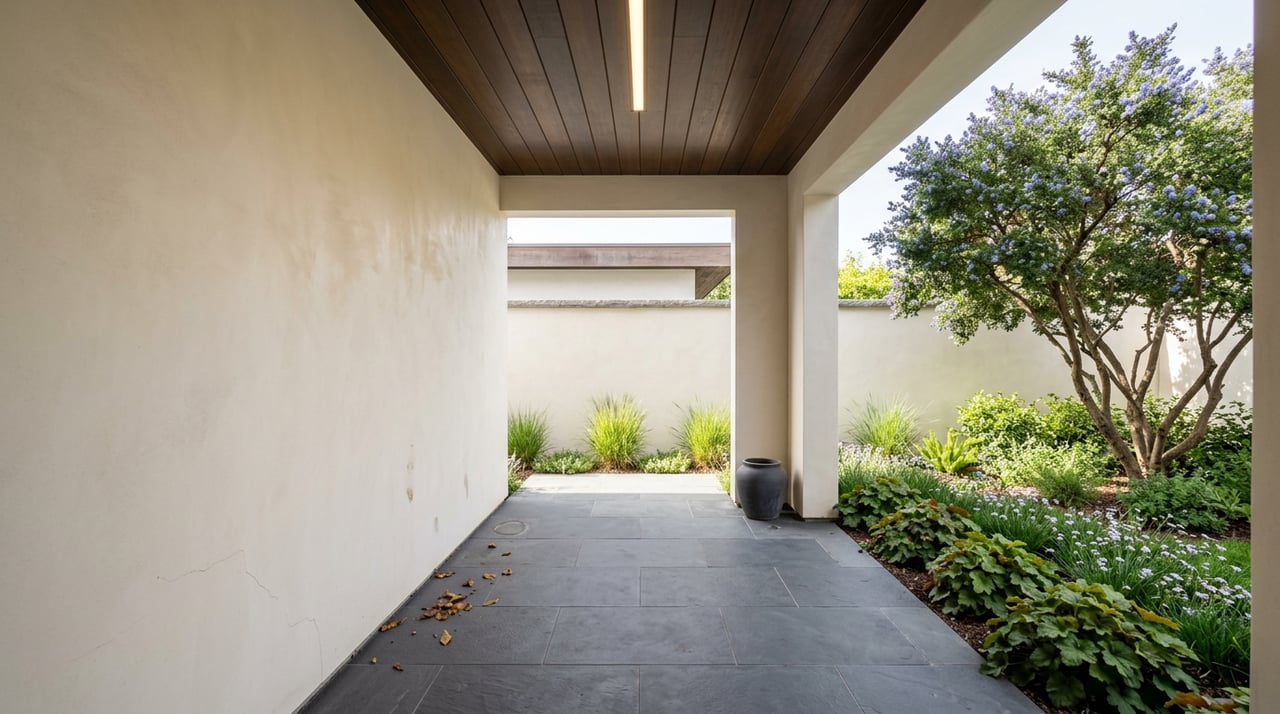
August 13, 2026
July 16, 2026
July 16, 2026
June 25, 2026
July 23, 2026
July 16, 2026
Property Management
June 23, 2026
Menlo Park property management guide for owners
July 9, 2026
July 2, 2026
April 2, 2026
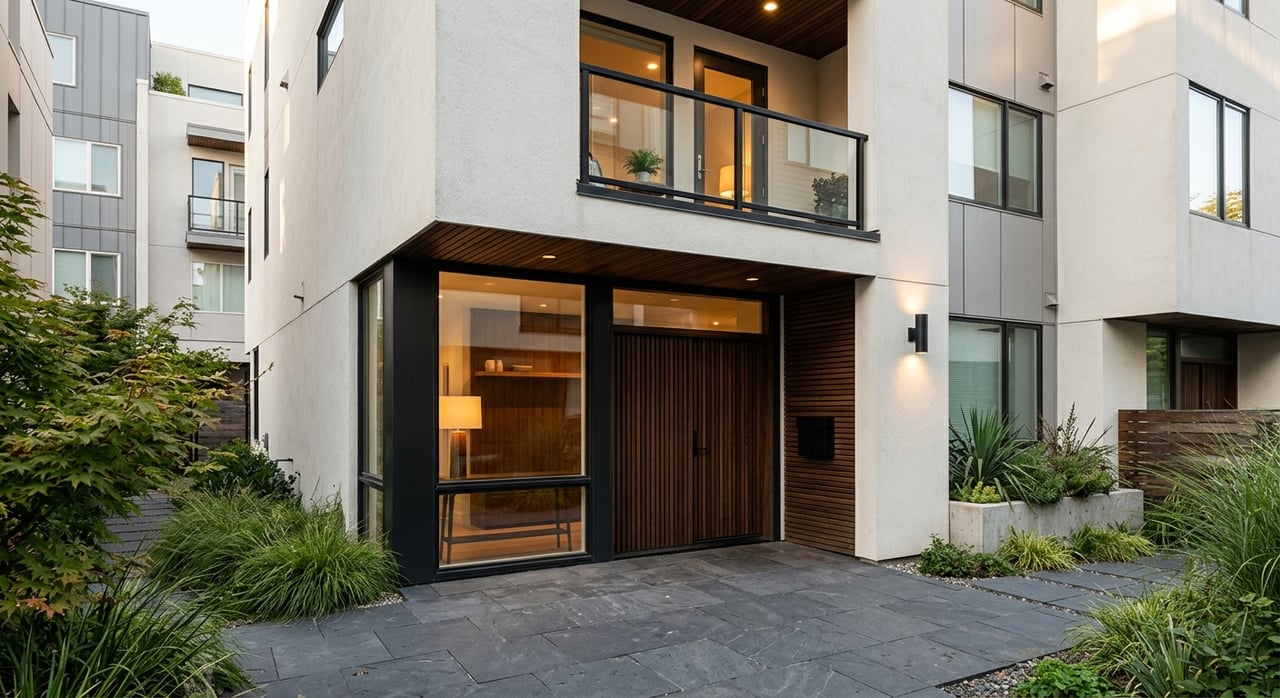
June 18, 2026
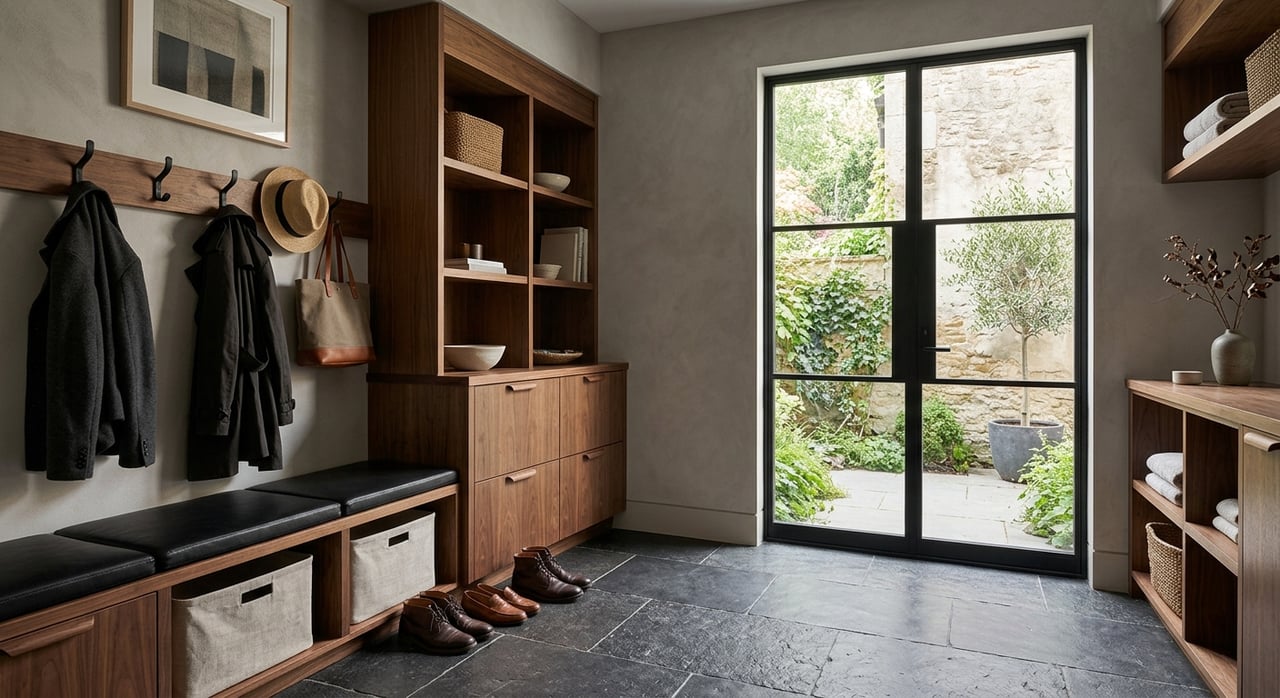
June 11, 2026
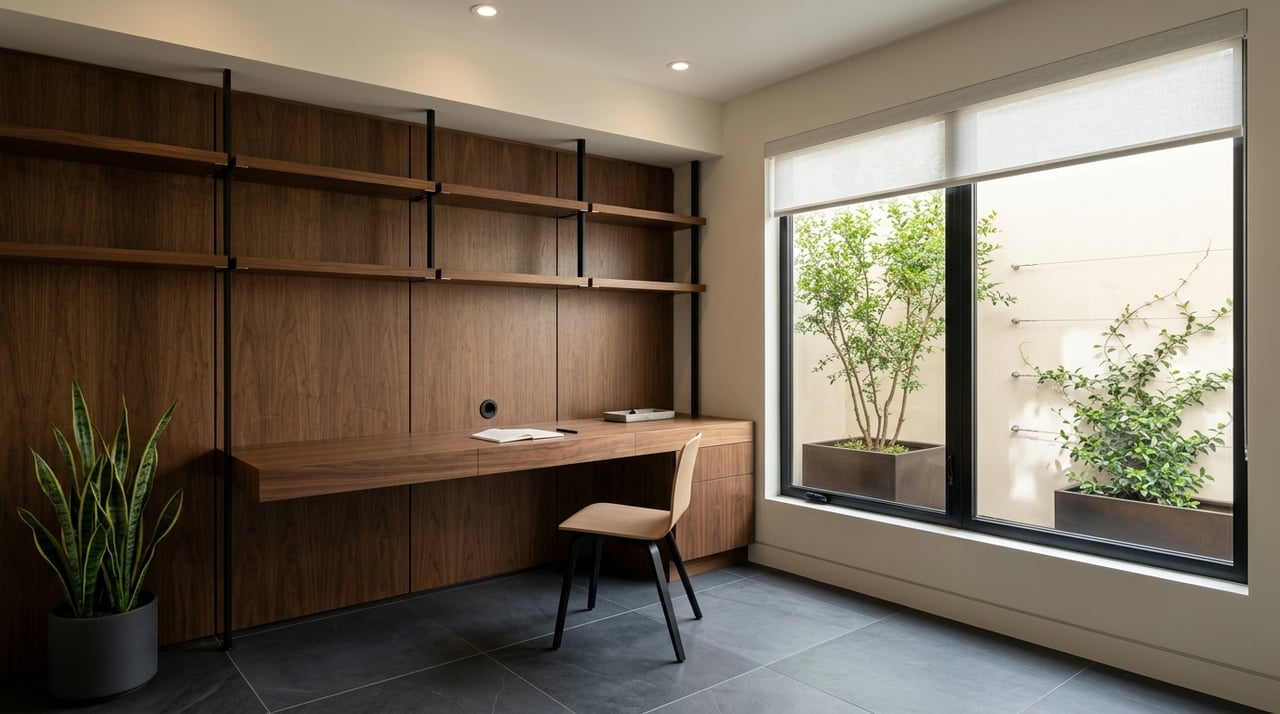
June 4, 2026
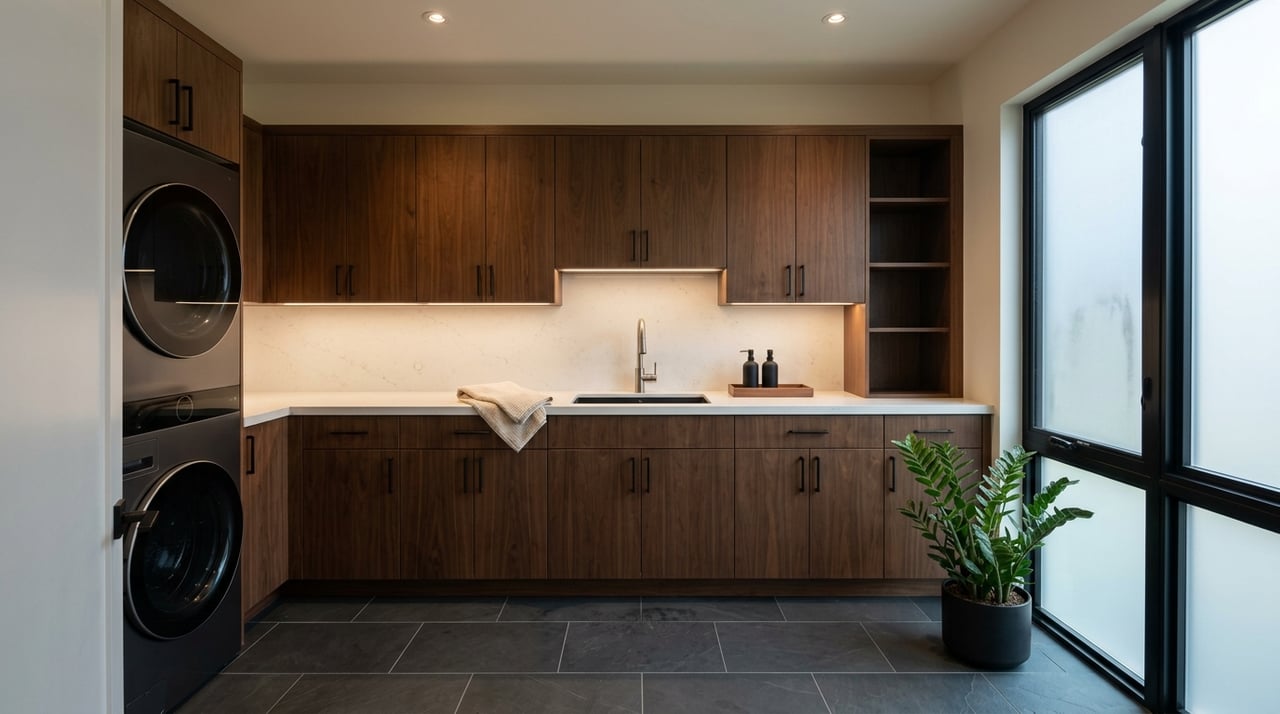
April 16, 2026
May 28, 2026
February 19, 2026
May 14, 2026
May 7, 2026
March 26, 2026
March 24, 2026
April 23, 2026
March 5, 2026
April 9, 2026
Market Trends
Tim Proschold | July 9, 2024
Prices and Market Action for the Santa Clara Real Estate Market Past 3 Years
January 8, 2026
March 26, 2026
January 15, 2026
March 12, 2026
February 26, 2026
February 5, 2026
February 12, 2026
December 4, 2025
November 27, 2025
December 25, 2025
Market Trends
Tim Proschold | July 10, 2024
Prices and Market Action for the Los Altos Real Estate Market Past 3 Years
December 18, 2025
Lifestyle
September 25, 2025
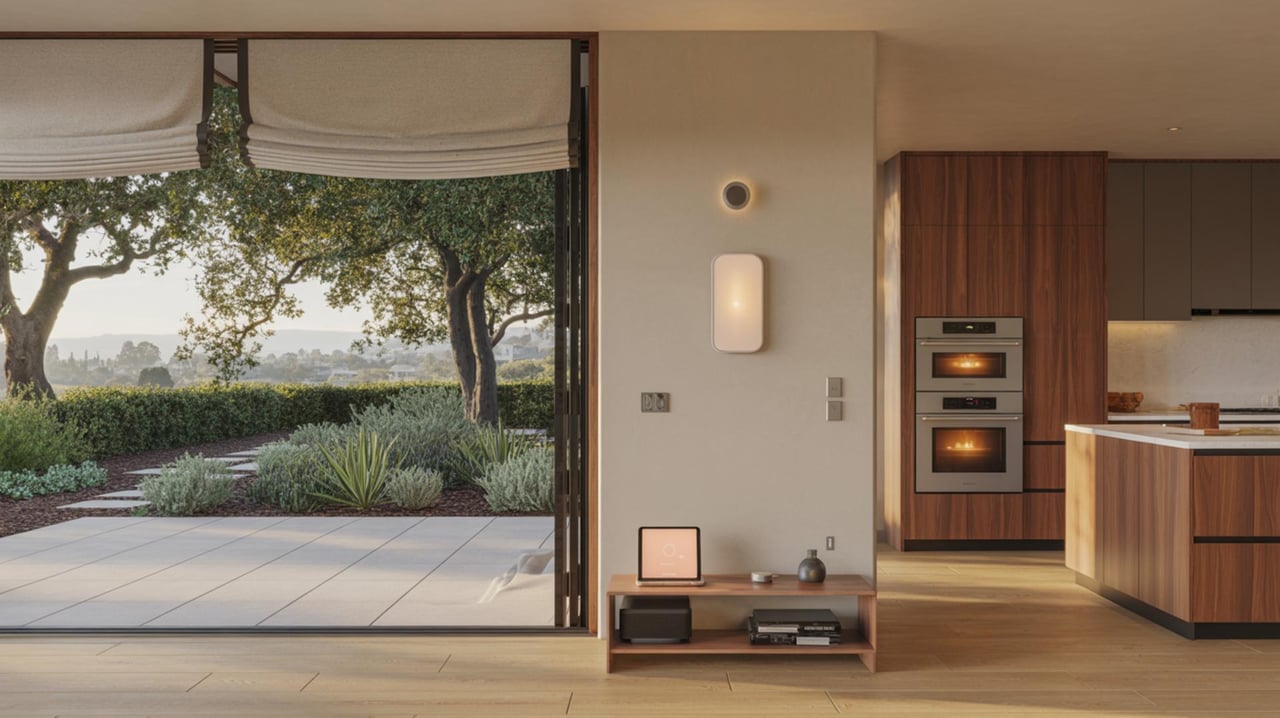
Essential Smart Home Gadgets for Los Altos Living

December 11, 2025

November 14, 2025
November 21, 2025
Market Trends
Tim Proschold | June 13, 2024
Prices and Market Action for the Menlo Park Real Estate Market through May 2024
Market Trends
Tim Proschold | October 2, 2025
Prices and Market Action for the Menlo Park Real Estate Market Past 3 Years

November 27, 2025

October 30, 2025

Tim Proschold | October 30, 2025

November 5, 2025
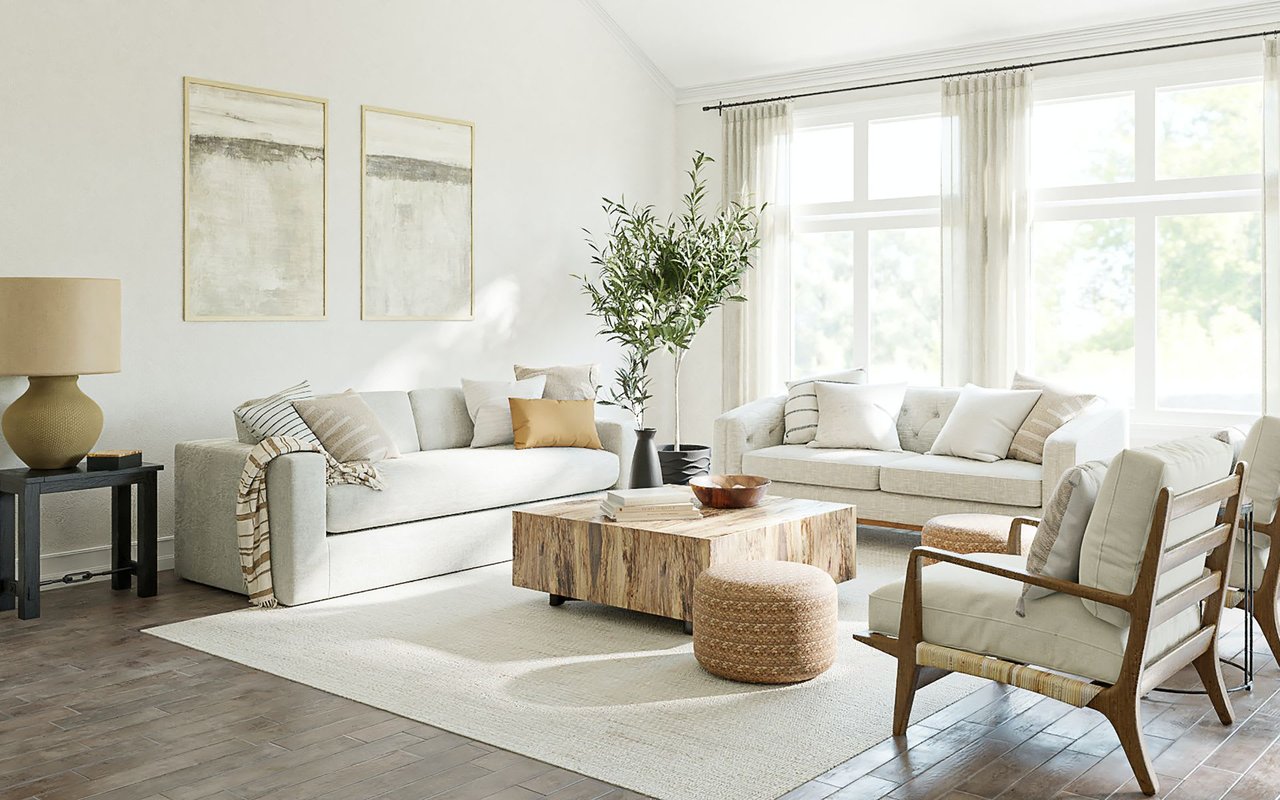
May 5, 2023
Real estate has long been considered a reliable and lucrative investment for wealth preservation.
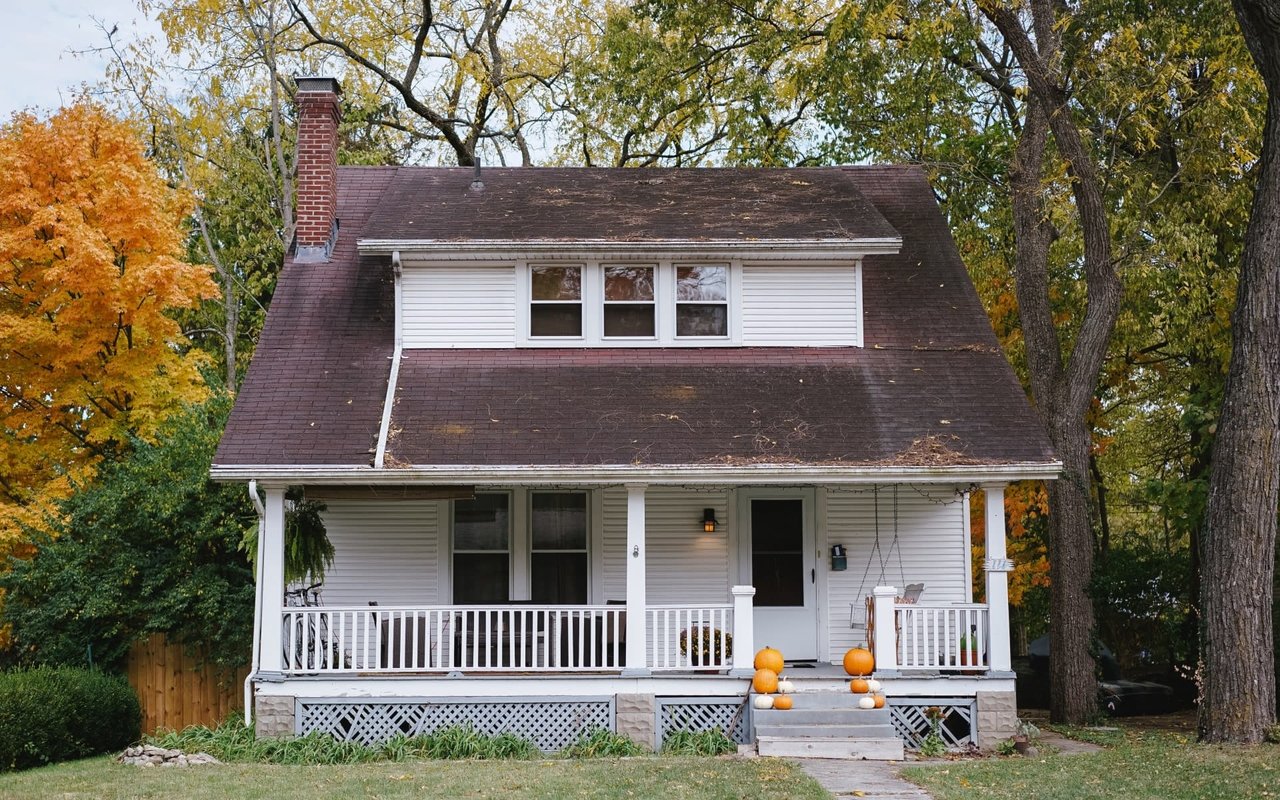
February 2, 2023
You need to work with a knowledgeable and experienced real estate professional who can guide you through the process.
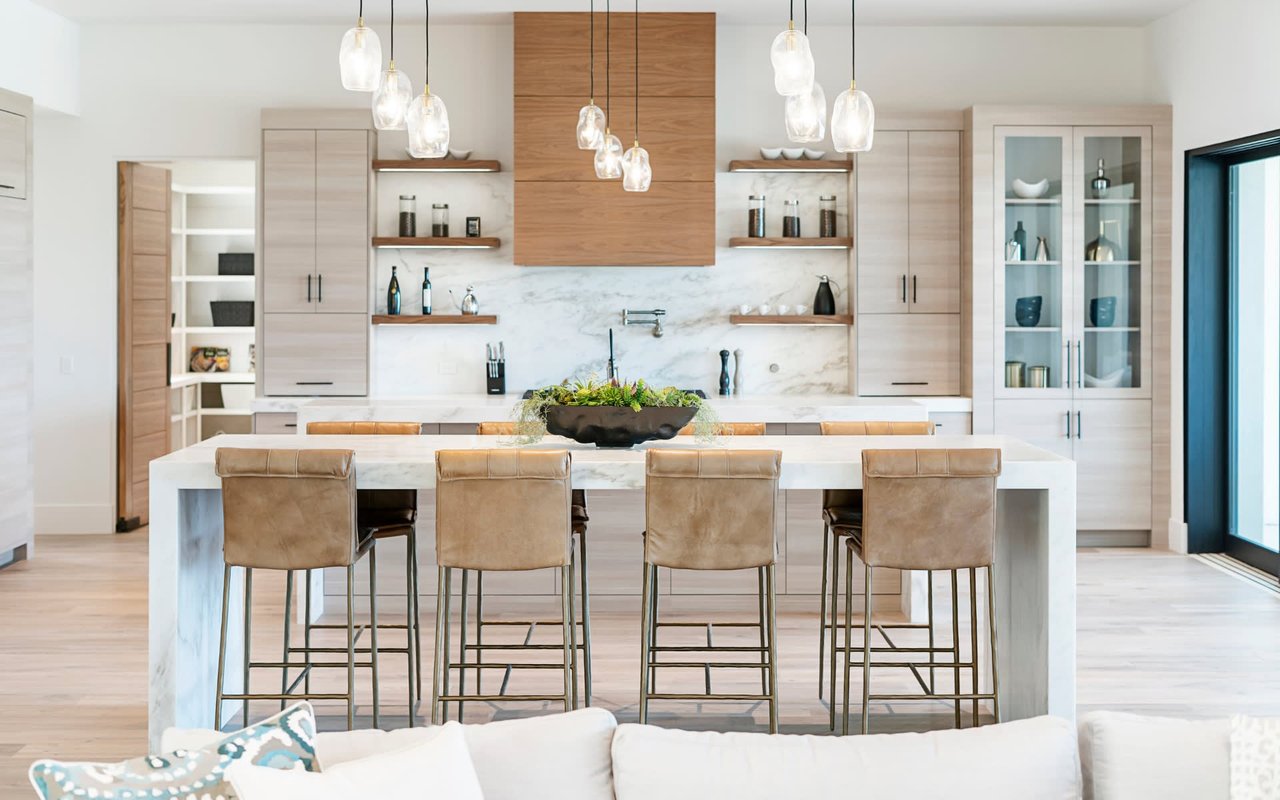
May 22, 2023
While it is improbable that the United States government would ever default on its debt.

April 17, 2023
As we grow older, the importance of financial security and well-being takes on greater significance.

November 6, 2025
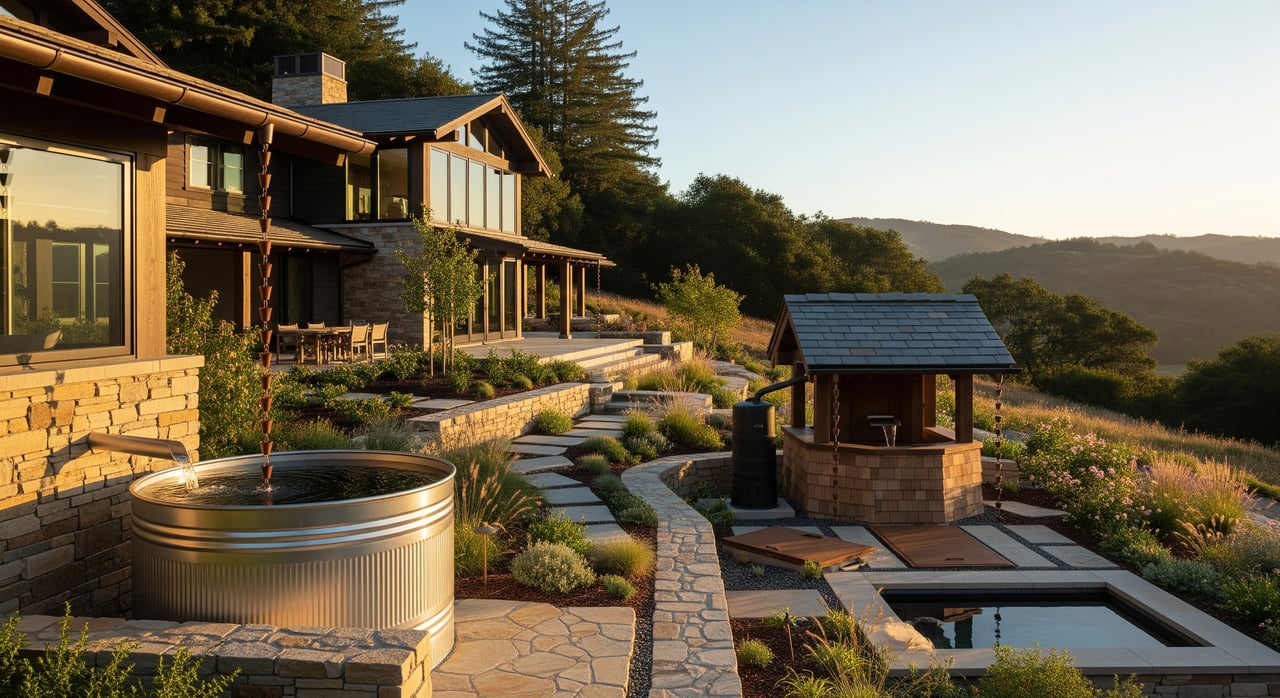
October 23, 2025
Market Trends
Tim Proschold | October 23, 2025
Prices and Market Action for the Los Gatos Real Estate Market Past 3 Years
Market Trends
Tim Proschold | October 16, 2025
Prices and Market Action for the Mountain View Real Estate Market Past 3 Years
October 16, 2025

Market Trends
Tim Proschold | September 25, 2025
Prices and Market Action for the San Carlos Real Estate Market Past 3 Years
Real Estate
September 25, 2025
Enhance Your Home's Worth with Sustainable Solutions in Los Altos
October 27, 2023
Real estate statistics are often touted as a reliable indicator of the health and growth of a local market.
November 7, 2023
It's essential to consider your financial objectives, tax implications, and personal circumstances when making a decision.
Market Trends
Tim Proschold | September 18, 2025
Prices and Market Action for the Redwood City Real Estate Market Past 3 Years
Market Trends
Tim Proschold | September 11, 2025
Prices and Market Action for the Cupertino Real Estate Market Past 3 Years

Market Trends
Tim Proschold | September 4, 2025
Prices and Market Action for the Palo Alto Real Estate Market Past 3 Years
Market Trends
Tim Proschold | July 9, 2024
Prices and Market Action for the Sunnyvale Real Estate Market Past 3 Years
Market Trends
Tim Proschold | July 9, 2024
Prices and Market Action for the Saratoga Real Estate Market Past 3 Years
Market Trends
Tim Proschold | July 9, 2024
Prices and Market Action for the San Jose Real Estate Market Past 3 Years
Market Trends
Tim Proschold | July 9, 2024
Prices and Market Action for the Santa Cruz County Real Estate Market Past 3 Years

Market Trends
Tim Proschold | July 9, 2024
Prices and Market Action for the San Mateo County Real Estate Market Past 3 Years
Market Trends
Tim Proschold | July 9, 2024
Prices and Market Action for the Santa Clara County Real Estate Market Past 3 Years
Market Trends
Tim Proschold | June 13, 2024
Prices and Market Action for the San Carlos Real Estate Market through May 2024
Market Trends
Tim Proschold | June 13, 2024
Prices and Market Action for the Redwood City Real Estate Market through May 2024
Market Trends
Tim Proschold | June 12, 2024
Prices and Market Action for the Palo Alto Real Estate Market through May 2024
Market Trends
Tim Proschold | June 12, 2024
Prices and Market Action for the Los Gatos Real Estate Market through May 2024
Market Trends
Tim Proschold | June 12, 2024
Prices and Market Action for the Cupertino Real Estate Market through May 2024
Market Trends
Tim Proschold | June 12, 2024
Prices and Market Action for the Los Altos Real Estate Market through May 2024
Market Trends
Tim Proschold | June 12, 2024
Prices and Market Action for the Mountain View Real Estate Market through May 2024
Market Trends
Tim Proschold | June 12, 2024
Prices and Market Action for the Saratoga Real Estate Market through May 2024
Market Trends
Tim Proschold | June 12, 2024
Prices and Market Action for the San Jose Real Estate Market through May 2024
Experience the pinnacle of real estate excellence with Luxuriant Realty. Their dedicated team ensures a seamless and stress-free journey whether you're buying, selling, or managing properties, allowing you to elevate your lifestyle effortlessly.
LUXURIANT REALTY
885 OAK GROVE AVE, STE 302, MENLO PARK, CA 94025 CA DRE# 02190360 | NMLS# 2464074